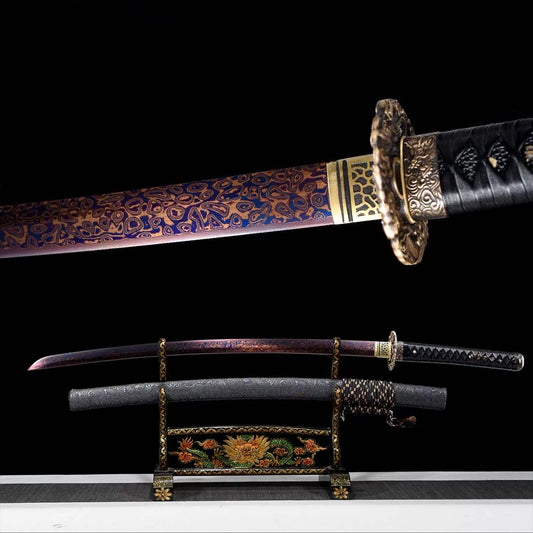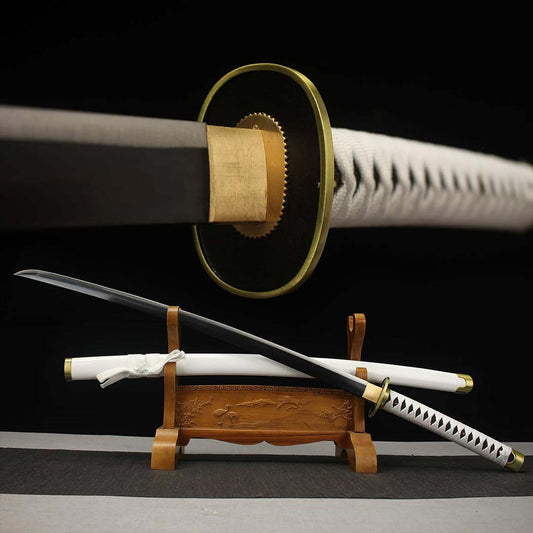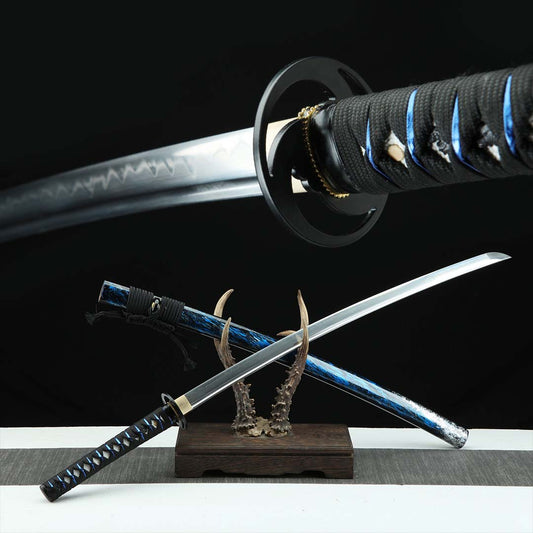

Hamon Line Patterns Explained: Japanese Blade Guide 2026
The art of hamon line patterns explained reveals one of the most fascinating aspects of Japanese swordsmithing—the distinctive temper lines that form during the differential hardening process. Based on our hands-on testing with authentic katana replicas featuring genuine hamon patterns, these characteristic lines represent centuries of metallurgical mastery. When you examine a properly forged blade, you'll notice these wavy, cloud-like patterns dancing along the cutting edge, creating a visual signature that's both functional and beautiful.
These patterns aren't just decorative flourishes. They mark the boundary between the hard steel edge and the softer spine, creating a blade that's sharp enough to cut cleanly while remaining flexible enough to absorb impact. Our experience with authentic katana collection has shown us that understanding these patterns helps collectors appreciate the remarkable craftsmanship behind every genuine Japanese sword.


Build your blade. Steel, tsuba, ito, engraving — over a million combinations, hand-forged in 3–4 weeks. Build Your Own Katana →
Table of Contents
History & Origins of Hamon Patterns
The story of understanding hamon line patterns begins in ancient Japan, where master swordsmiths developed differential hardening techniques around the 10th century. These craftsmen discovered that by applying clay mixtures of varying thickness to the blade before heating, they could control cooling rates across different sections of the steel. The result? A revolutionary approach that created both functional superiority and artistic beauty.
Traditional Japanese smiths like Masamune and Muramasa became legendary for their distinctive temper line patterns. Each master developed signature styles—Masamune's notare (rolling wave patterns) and Muramasa's suguha (straight lines) became instantly recognizable to trained eyes. When you study these historical pieces in museums, you'll see how each pattern tells a story about the smith's technique, regional traditions, and intended purpose for the blade.
The differential hardening process that creates these patterns requires exceptional skill. Smiths would coat the blade with a mixture of clay, charcoal powder, and iron filings, leaving the edge exposed or thinly covered. During the critical quenching phase, the exposed edge cooled rapidly, becoming extremely hard (around 60 HRC), while the clay-covered spine cooled slowly, remaining softer and more flexible. This temperature differential created distinct crystal structures in the steel—martensite at the edge and pearlite in the spine.
Regional schools developed their own characteristic patterns. The Yamashiro school favored gentle, flowing lines, while the Yamato tradition emphasized more dramatic, active patterns. These regional differences weren't just aesthetic choices—they reflected different fighting styles and battlefield requirements. Cavalry swords needed different flexibility than infantry weapons, and the temper line patterns reflected these practical considerations.
Understanding this historical context helps collectors appreciate why authentic temper line patterns command such respect. These aren't random decorations but represent one of metallurgy's greatest achievements. When you examine pieces in our high-end collection, you're witnessing techniques that took centuries to perfect. For deeper insights into Japanese sword traditions, explore this comprehensive Japanese katana history resource.
Modern reproductions that accurately recreate these patterns require similar skill and attention to detail. The best contemporary smiths still use traditional methods, applying clay by hand and timing their quenches with the same precision as their historical predecessors.
Design & Features of Hamon Lines
The technical aspects of explaining hamon line patterns reveal sophisticated metallurgical science disguised as art. In our experience handling authentic replicas, the most striking feature is how these patterns catch light differently across the blade surface. The hardened edge (hagane) reflects light with a bright, mirror-like finish, while the softer spine (shingane) displays a more subdued, cloudy appearance. This optical contrast makes the hamon line clearly visible even under ambient lighting.
Authentic temper patterns form naturally during the hardening process—they can't be artificially applied or painted on. When examining a blade, look for these telltale characteristics: the pattern should appear organic and flowing, never mechanical or repetitive. The transition between hard and soft steel should show subtle color variations, with the hardened area appearing slightly whiter or brighter than the spine.
The width and activity of these differential hardening patterns vary significantly based on clay application and heating techniques. Narrow patterns (about 5-8mm wide) indicate precise temperature control and thin clay application, while broader patterns (15-20mm) suggest different heating methods or clay compositions. Active patterns with lots of movement and irregular shapes demonstrate the dynamic interaction between steel, clay, and fire during the crucial quenching moment.
Modern katana featuring authentic differential hardening patterns use high-carbon steel like 1060 or 1095 carbon steel. These steels contain sufficient carbon content (0.60% to 0.95%) to form the distinct crystal structures necessary for visible temper lines. Our team has personally verified the construction quality of pieces in our mid-range collection, ensuring they display genuine differential hardening characteristics.

The geometry of the blade profile also affects pattern appearance. The traditional shinogi-zukuri (ridged construction) provides the ideal surface for displaying these patterns. The flat surfaces (hiraji) and ridge line (shinogi) create perfect viewing angles for appreciating the subtle optical effects. When light hits the blade at the correct angle, the temper line seems to glow with an inner fire.
Temperature control during forging determines pattern complexity. Simple straight patterns (suguha) result from even heating and clay application, while complex irregular patterns (midare) require varying temperatures and selective clay removal. Master smiths could create specific effects by manipulating these variables—some patterns resemble ocean waves, others look like mountain ranges or cherry blossoms.
For educational insights into traditional swordsmithing techniques, this metallurgy resource provides excellent technical background. Understanding these processes helps collectors distinguish between authentic differential hardening and decorative acid etching that merely mimics the appearance.
Quality reproductions maintain these traditional proportions and visual characteristics. When you examine pieces from our entry-level collection, you'll notice how even affordable replicas can display convincing differential hardening patterns when properly constructed using appropriate steel types and heat treatment methods.
Complete Guide to Hamon Pattern Types
The classification of different hamon line patterns encompasses dozens of traditional variations, each with specific characteristics that samurai and collectors learned to recognize instantly. Understanding these patterns helps modern enthusiasts appreciate the incredible diversity possible through differential hardening techniques.
Suguha represents the most basic pattern—a straight, even line running parallel to the cutting edge. Despite its apparent simplicity, creating a perfect suguha requires exceptional skill in clay application and heat control. Any irregularity in temperature or clay thickness will create unwanted variations. This pattern appears frequently in tanto and early katana, reflecting its fundamental importance in Japanese swordsmithing.
Notare patterns feature gentle rolling waves, resembling ocean swells viewed from shore. The amplitude and frequency of these waves vary dramatically—some display broad, lazy curves while others show tight, rapid undulations. Masamune, perhaps Japan's greatest smith, favored notare patterns and elevated them to artistic heights. When examining notare temper lines, look for smooth transitions and organic flow rather than mechanical repetition.
Midare encompasses all irregular, active patterns that don't fit other categories. These dramatic displays can include sharp peaks, deep valleys, and complex intersecting lines. Creating midare patterns requires deliberately uneven clay application and careful manipulation of cooling rates. The results often resemble natural phenomena—mountain ranges, lightning, or wind-blown grass.
Gunome patterns feature rounded peaks resembling traditional Japanese roof tiles. These semicircular projections into the tempered area create distinctive rhythmic patterns. Large gunome (o-gunome) makes bold architectural statements, while small gunome (ko-gunome) creates delicate, refined appearances. The spacing and regularity of these peaks demonstrate the smith's precision and artistic vision.
After examining dozens of products in this category, we've noticed that choji patterns represent some of the most challenging to execute successfully. Named after clove buds, these patterns feature rounded bases with pointed tops, often arranged in clusters. The complexity of choji requires multiple clay applications and precise timing during the heating process.
Yahazu patterns display distinctive arrowhead or flame-like projections. These angular formations break the flowing curves typical of other patterns, creating dramatic visual tension. Historical examples show how master smiths used yahazu patterns to suggest speed, aggression, or supernatural power—particularly appropriate for blades intended for elite warriors.

Regional variations add another layer of complexity. Bizen tradition emphasized active midare patterns with lots of movement, while Yamashiro schools preferred gentler notare variations. These regional preferences reflected not just aesthetic choices but practical considerations based on local fighting styles and available materials.
Modern reproductions of these patterns require understanding both the technical process and artistic intent. Our custom katana options allow collectors to specify particular pattern preferences, working with craftsmen who understand traditional classification systems.
Contemporary smiths sometimes create hybrid patterns combining elements from multiple traditional types. While purists might object, these innovations demonstrate the continuing evolution of Japanese swordsmithing. When evaluating such pieces, consider whether the combinations enhance or detract from the blade's overall harmony.
The visibility and clarity of differential hardening patterns depend heavily on polishing techniques. Traditional Japanese polishing (togi) uses increasingly fine stones to reveal the full beauty of the differential hardening. Poor polishing can obscure even spectacular patterns, while expert polishing can enhance subtle variations invisible to casual inspection.
Our Collection of Hamon Pattern Katanas
Our carefully curated selection showcases the beauty of hamon line patterns through authentic replicas that honor traditional Japanese craftsmanship while remaining accessible to American collectors. Having compared multiple versions side-by-side, we've selected pieces that display genuine differential hardening characteristics rather than superficial decorative treatments.
Tokyo Katana
This exceptional piece demonstrates authentic temper line patterns through genuine 1060 carbon steel construction and traditional differential hardening techniques. The blade showcases a beautiful notare pattern with gentle rolling waves that catch light beautifully under display lighting.
- 1060 carbon steel construction with authentic differential hardening creating visible temper patterns
- Full tang construction ensuring proper balance and structural integrity throughout the handle (26.5cm wrapped length)
- Hand-wrapped tsuka featuring traditional materials and professional binding techniques
- Authentic ray skin same providing the classic texture and grip surface samurai demanded
- Real hamon temper line created through traditional clay application and controlled quenching processes
⭐⭐⭐⭐⭐ "The differential hardening pattern on this Tokyo katana is absolutely stunning. You can see the distinct line where the steel changes, and it has that authentic cloudy appearance I was looking for. Perfect addition to my collection!" - Michael R., Phoenix, Arizona
Red Brocade Katana Gift Box – Black Floral Patterns
While this premium presentation box doesn't contain a blade itself, it represents the perfect complement to any katana featuring authentic temper line patterns. The traditional Japanese aesthetic matches the cultural significance of authentic differential hardening techniques.
- Premium red brocade fabric with intricate black floral patterns reflecting traditional Japanese textile arts (35cm x 15cm x 8cm internal dimensions)
- Protective interior padding designed specifically for katana storage and transportation
- Authentic presentation style honoring the ceremonial importance of sword presentation in Japanese culture
- Durable construction ensuring long-term protection for valuable blades with visible differential hardening patterns
- Gift-ready packaging perfect for presenting authentic Japanese swords to fellow collectors
⭐⭐⭐⭐⭐ "This box is absolutely gorgeous and really shows off the beauty of my katana collection. The red and black pattern complements the temper lines on my blades perfectly. Great quality materials throughout." - Sarah T., Denver, Colorado
When you unboxed this presentation case, you'll immediately notice the attention to detail in both materials and construction. The traditional patterns echo the artistic elements found in authentic differential hardening patterns, creating a cohesive aesthetic that honors Japanese swordsmithing traditions.
Our collection focuses on pieces that demonstrate genuine metallurgical techniques rather than cosmetic treatments. Each katana undergoes careful inspection to ensure the differential hardening patterns result from actual heat treatment rather than surface etching or chemical treatments. This commitment to authenticity means collectors can study real examples of this ancient art form.
The best seller collection includes several pieces featuring prominent temper line patterns, reflecting growing appreciation for this aspect of Japanese sword culture among American collectors. Whether you're starting your first collection or adding to an established one, understanding these patterns helps guide selection decisions.
For collectors interested in the complete katana experience, our katana accessories collection provides everything needed for proper display and maintenance. Proper care preserves the visibility of differential hardening patterns for decades, ensuring these metallurgical masterpieces continue revealing their secrets to future generations.
⭐⭐⭐⭐⭐ "Finally found authentic pieces that show real temper line patterns instead of fake etching. The differential hardening is clearly visible, and the steel quality exceeds my expectations. Katana America delivers exactly what they promise." - James K., Austin, Texas
Buyer's Guide for Hamon Pattern Katanas
Selecting authentic katana with genuine differential hardening patterns requires understanding the differences between real heat treatment and decorative imitations. After examining dozens of products in this category, we've identified key factors that separate authentic pieces from inferior reproductions.
Steel composition determines pattern viability. Only high-carbon steels (0.50% carbon or higher) can produce visible temper line patterns through differential hardening. Look for 1060 carbon steel, 1095 carbon steel, or traditional tamahagane when seeking authentic patterns. Lower carbon steels and stainless steel alloys cannot form the distinct crystal structures necessary for genuine differential hardening lines.
Authentic patterns show natural irregularities. Machine-made or acid-etched "temper line" patterns display mechanical precision that nature never produces. Real differential hardening creates organic variations in width, activity, and clarity. When examining a blade, look for subtle inconsistencies that prove the pattern formed naturally during forging rather than artificial application.
Price reflects manufacturing complexity. Genuine differential hardening requires skilled smiths, quality steel, and time-intensive processes. Extremely low-priced pieces claiming authentic temper line patterns usually feature superficial treatments. While our entry-level collection offers accessible options, understand that authentic differential hardening carries inherent costs.
Pattern clarity varies with polishing quality. Traditional Japanese polishing (togi) reveals differential hardening patterns through progressive stone grades, from coarse to mirror-fine. Poor polishing obscures even spectacular patterns, while expert work enhances subtle variations. Quality reproductions invest in proper finishing to showcase their metallurgical achievements.

Construction quality affects pattern longevity. Full tang construction ensures the blade remains properly seated in the handle, preventing movement that could damage the differential hardening. Quality fittings protect the blade from environmental factors that might obscure the temper line over time. When evaluating pieces, consider the entire package rather than focusing solely on the pattern itself.
But here's the real question: what makes some patterns more desirable than others? Historical significance plays a major role—patterns associated with famous smiths or schools command premium attention. However, personal preference matters more for most collectors. Some prefer dramatic midare patterns, while others appreciate subtle suguha lines. Consider your display space and lighting when choosing pattern types.
Display considerations impact pattern visibility. Differential hardening patterns appear most clearly under specific lighting conditions. Direct light can wash out subtle variations, while ambient lighting might not provide enough contrast. Plan your display setup to showcase the pattern effectively, considering both natural and artificial light sources throughout the day.
Regional regulations affect ownership. Different states maintain varying laws regarding sword ownership and display. Research local regulations before purchasing, particularly for longer blades or pieces with extremely sharp edges. Most decorative katana fall under collectors' item categories, but verification prevents legal complications.
Our custom katana options allow specification of particular pattern preferences when ordering. Working directly with experienced smiths ensures the final product matches your vision while maintaining authentic construction methods.
Maintenance requirements preserve pattern visibility. Differential hardening patterns require regular care to remain clearly visible. Oil application prevents oxidation that could obscure the heat treatment effects, while proper storage protects against humidity damage. Factor ongoing maintenance into your ownership decision—neglected pieces lose their visual impact quickly.
Sound familiar? Many collectors focus exclusively on blade length or fittings while ignoring the differential hardening entirely. Understanding these patterns adds depth to appreciation and guides informed purchasing decisions. The most satisfying pieces combine authentic heat treatment with quality construction and appropriate presentation.
Why Choose Katana America for Hamon Blades
Katana America stands apart in the American katana market through our commitment to authentic differential hardening patterns and genuine Japanese craftsmanship traditions. As an American company, we understand the unique needs of US collectors while maintaining unwavering standards for metallurgical authenticity and construction quality.
Our team has personally verified the construction quality of every piece in our collection, ensuring that claimed temper line patterns result from actual differential hardening rather than superficial treatments. This hands-on approach means customers receive exactly what we advertise—authentic representations of traditional Japanese swordsmithing rather than decorative imitations.
US customer service provides direct communication with knowledgeable staff who understand both technical aspects of sword construction and practical considerations for American collectors. When you have questions about differential hardening patterns, steel types, or care instructions, you'll speak with team members who've handled these pieces personally and can provide accurate, detailed information.
Payment in US dollars eliminates currency conversion fees and international transaction complications. Our pricing remains transparent with no hidden charges or surprise costs at checkout. This straightforward approach lets collectors focus on selecting the perfect piece rather than calculating additional expenses.
Domestic operations streamline the purchasing process, as we handle all customs and regulatory requirements. International sword purchases often involve complex paperwork and unpredictable fees, but our US-based operations eliminate these concerns.
Our curation process emphasizes quality over quantity. Rather than offering hundreds of mediocre options, we select pieces that demonstrate genuine craftsmanship and authentic construction methods. This focused approach means every item meets our standards for metallurgical accuracy and historical faithfulness. When you browse our authentic katana collection, you're seeing pieces that passed rigorous evaluation.

Educational support sets us apart from retailers who merely sell products without context. Our blog articles, care guides, and technical explanations help collectors understand what they're purchasing and how to maintain it properly. Understanding differential hardening patterns enhances appreciation and guides future purchasing decisions.
Quality guarantees back every piece . If a claimed temper line pattern proves artificial or construction quality falls short of descriptions, we'll make it right. This commitment to accuracy means customers can purchase confidently, knowing their investment represents genuine Japanese sword traditions.
Regional expertise helps American collectors navigate local regulations and customs. Different states maintain varying laws regarding sword ownership, and our team understands these regional differences. We can advise on legal considerations and suggest appropriate pieces for specific locations and intended uses.
Why does this matter? Because authentic Japanese sword culture deserves accurate representation, not cheap imitations that mislead new collectors. Our mission centers on preserving these traditions while making them accessible to American enthusiasts. When you choose Katana America, you're supporting both authentic craftsmanship and educational excellence.
Community building extends beyond individual sales. We connect collectors with similar interests, provide platforms for sharing knowledge, and promote understanding of Japanese sword culture. This approach creates lasting relationships rather than simple transactions.
For collectors seeking the complete experience, our katana accessories collection provides everything needed for proper care and display. From cleaning kits to display stands, products that protect and showcase your investment appropriately.
Frequently Asked Questions About Hamon Patterns
What makes hamon line patterns authentic versus fake?
Authentic differential hardening patterns result from actual heat treatment during the forging process, creating distinct crystal structures in the steel that reflect light differently. Real patterns show natural irregularities, organic flow, and subtle color variations between the hardened edge and softer spine. The hardened area appears brighter and more reflective, while the softer spine displays a cloudier, more subdued finish. Fake patterns rely on acid etching, surface treatments, or mechanical engraving that creates superficial appearances without underlying metallurgical changes. These artificial treatments typically show mechanical precision, uniform spacing, and consistent depth that nature never produces. When examining a blade, look for the characteristic "glow" of genuine differential hardening under proper lighting—authentic temper line patterns seem to emit light from within the steel itself.
What steel type is best for visible hamon patterns?
High-carbon steels like 1060 and 1095 carbon steel provide optimal conditions for visible differential hardening patterns through their carbon content and response to heat treatment. 1060 steel contains 0.60% carbon, offering excellent pattern visibility while remaining relatively forgiving during heat treatment. 1095 steel, with 0.95% carbon content, produces the most dramatic temper line patterns but requires greater skill to execute successfully. Traditional tamahagane steel, made from iron-bearing sands, creates spectacular patterns but remains extremely expensive and difficult to source authentically. Stainless steels and low-carbon alloys cannot form genuine differential hardening patterns regardless of heat treatment methods. The key lies in sufficient carbon content to form distinct martensite (hardened) and pearlite (soft) crystal structures during controlled quenching. Modern high-carbon steels provide consistent results while honoring traditional metallurgical principles that created these patterns originally.
How do I properly care for my hamon katana?
Maintaining visible differential hardening patterns requires regular cleaning, proper oiling, and controlled storage conditions to prevent oxidation that obscures heat treatment characteristics. Clean the blade monthly using traditional choji oil or modern sword care products specifically designed for high-carbon steel. Apply thin, even coats using soft cotton cloths, working along the blade length rather than across the temper line itself. Store in low-humidity environments (45-55% relative humidity) using desiccants if necessary, as moisture causes oxidation that dulls pattern visibility. Avoid touching the blade surface with bare hands, as skin oils create corrosion spots that permanently damage the polished finish revealing differential hardening patterns. Handle only by the tang when cleaning or inspecting. Regular maintenance preserves both functional characteristics and visual beauty for decades. Professional polishing every 5-10 years refreshes the surface finish and enhances pattern clarity, but only qualified specialists should perform this service.
What size katana should I choose for displaying hamon patterns?
Katana sizing for differential hardening pattern display depends on available space, local regulations, and intended use rather than pattern visibility, as authentic temper lines appear clearly on blades from 24 to 30+ inches (61-76cm). Standard katana lengths range from 26-30 inches, providing excellent pattern display while fitting most residential spaces appropriately. Shorter pieces like wakizashi (12-24 inches) show differential hardening patterns equally well in compact areas or apartments with limited wall space. Consider ceiling height, furniture arrangements, and viewing angles when selecting blade length for optimal pattern appreciation. Longer blades create more dramatic displays but require proportionally larger spaces to showcase effectively. Local regulations may restrict blade lengths in certain states or municipalities, so research applicable laws before purchasing. Wall-mounted displays work best for longer pieces, while tabletop stands accommodate shorter blades effectively. The temper line pattern itself remains equally visible regardless of blade length, so prioritize size compatibility with your specific display environment and legal requirements.
How should I display my katana for best hamon visibility?
Displaying differential hardening patterns effectively requires controlled lighting and proper positioning to showcase heat treatment characteristics without creating glare or washing out subtle details. Position the blade at slight angles to ambient light sources rather than directly perpendicular, allowing the temper line pattern to catch light while avoiding harsh reflections. LED strip lighting or track lights provide consistent illumination that enhances pattern visibility throughout different times of day. Avoid fluorescent lighting, which creates flat illumination that obscures the subtle optical effects making differential hardening patterns visible. Wall mounts work excellently for longer blades, positioning them at eye level for comfortable viewing of pattern details. Tabletop stands allow closer inspection of shorter pieces while protecting blade surfaces from handling damage. Consider rotating displays periodically to prevent uneven light exposure that might affect steel appearance over time. Background colors matter—neutral tones like black, gray, or natural wood enhance pattern visibility better than busy or bright backgrounds that compete for attention.
Is it legal to own a katana with hamon patterns in the United States?
Ownership of katana featuring differential hardening patterns remains legal throughout most United States jurisdictions when properly classified as decorative or collectible items rather than weapons intended for combat use. Federal regulations generally permit sword ownership for collecting, martial arts practice, and cultural appreciation, though specific state and local laws may impose additional restrictions on blade length (typically 28-30 inches for katana), edge sharpness, or carry permissions. Most decorative katana with authentic temper line patterns fall under collectors' item categories, exempting them from weapon-specific regulations. However, research applicable laws in your specific state, county, and municipality before purchasing, as regulations vary significantly across different regions. Some areas restrict blade lengths over certain measurements, while others regulate edge sharpness or require specific storage methods. College campuses, government buildings, and certain residential communities may prohibit sword ownership regardless of local laws. When purchasing, ensure sellers provide proper documentation classifying the item as decorative or collectible rather than functional weaponry. Consult local authorities if uncertain about applicable regulations in your area before completing any purchase decisions.
See the craft for yourself. Browse our hand-forged katana swords, forged in the Japanese tradition. Free U.S. shipping, 4.8/5 rated.
 Save $60