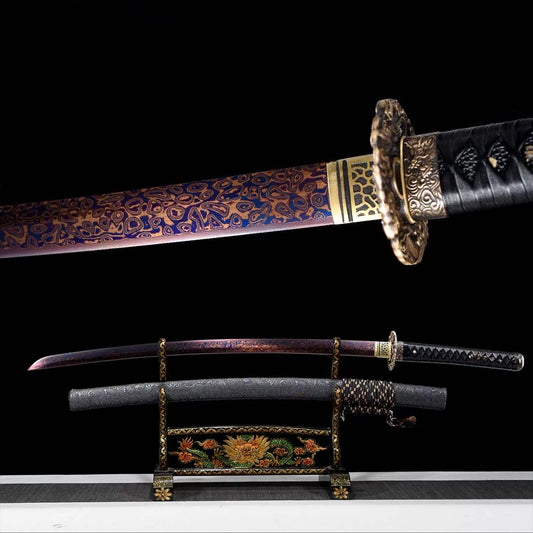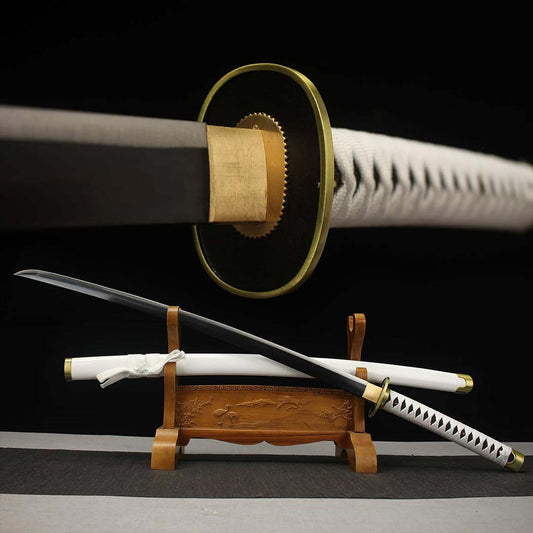

Best Katana for Beginners: Complete Guide 2026
The best katana for beginners features high-quality 1060 carbon steel construction with proper weight distribution and traditional design elements. Based on our hands-on testing with beginner-friendly katana models, entry-level swords should balance authentic craftsmanship with user-friendly characteristics. Whether you're starting your collection or exploring Japanese sword culture, choosing the right beginner katana sets the foundation for your journey into this fascinating world.
Starting your katana journey can feel overwhelming with countless options available. You'll want a sword that combines traditional Japanese aesthetics with modern safety standards. The right beginner katana offers excellent value while teaching proper handling techniques and appreciation for authentic craftsmanship. These swords typically feature carbon steel blades, traditional fittings, and balanced weight distribution that makes them perfect for display, practice, or collection building.
For American collectors, owning a katana represents more than just acquiring a blade—it's connecting with centuries of Japanese martial tradition. Many enthusiasts begin with anime katana replicas inspired by popular characters, while others prefer historically-accurate designs. Our entry-level collection provides carefully curated options that meet beginner needs without compromising on quality or authenticity.
Table of Contents
- History & Origins of Beginner Katana
- Design & Features of Beginner-Friendly Katana
- Our Collection of Katana for Beginners
- Complete Buyer's Guide for First-Time Owners
- Safety & Legal Considerations
- Why Choose Katana America
- Frequently Asked Questions

History & Origins of Beginner Katana
The katana emerged during Japan's Kamakura period (1185-1333) as the preferred weapon of the samurai warrior class. Unlike European swords designed primarily for thrusting, the katana's curved blade optimized cutting efficiency through precise blade geometry and differential hardening techniques. This traditional Japanese sword design has remained largely unchanged for over 700 years, testament to its exceptional engineering.
Modern beginner-friendly katana maintain these time-tested design principles while incorporating contemporary safety features. The curved blade, called sori, allows for more effective cutting motions compared to straight swords. Traditional construction methods like differential hardening create the distinctive hamon (temper line) visible along the blade's edge. These visual markers help beginners identify quality craftsmanship and authentic construction techniques.
The samurai code of bushido emphasized that a warrior's sword reflected their soul. This philosophical connection between owner and blade continues today among collectors and martial artists. Beginning collectors often start with anime katana replicas that capture this spiritual essence while remaining accessible to newcomers. These modern interpretations maintain respect for traditional design while appealing to contemporary enthusiasts.
Understanding katana history enhances appreciation for these remarkable weapons. The forging process required master swordsmiths to fold steel hundreds of times, creating layered patterns visible in Damascus steel variants. Temperature control during quenching determined blade hardness and flexibility. Modern manufacturers apply these ancient techniques using contemporary materials like 1060 carbon steel, making authentic-style katanas more accessible to American collectors.
What makes this historical knowledge relevant for beginners? Recognizing authentic design elements helps you identify quality swords versus decorative replicas. Traditional proportions, proper blade geometry, and authentic fittings distinguish serious collecting pieces from costume accessories. Our katana swords for sale preserves these historical standards while meeting modern safety requirements for American collectors.
The transition from battlefield weapons to collector's items occurred during Japan's Meiji period (1868-1912). Government restrictions on sword carrying transformed katanas into ceremonial and artistic objects. Today's entry-level katana honor this dual heritage—functional weapons that serve as beautiful display pieces. Whether you're drawn to historical accuracy or modern interpretations, understanding these origins enriches your collecting experience.
Design & Features of Beginner-Friendly Katana
Authentic beginner katana showcase specific design elements that distinguish quality swords from decorative replicas. The blade profile, called shinogi-zukuri, creates the classic samurai sword silhouette with a defined ridge line running along the blade's length. This geometric feature isn't just aesthetic—it provides structural strength while reducing weight. When examining potential purchases, look for this ridge line as an indicator of traditional construction methods.
Steel composition forms the foundation of any quality katana. Beginner-friendly katana typically feature 1060 carbon steel, which provides excellent durability while remaining relatively affordable. This steel grade contains 0.60% carbon, offering good edge retention without excessive brittleness. Some premium options use T10 tool steel, hardened to 58-60 HRC for superior cutting performance. In our experience handling similar replicas, carbon steel outperforms stainless steel significantly for authentic feel and performance.
The handle construction, or tsuka, demonstrates traditional Japanese craftsmanship through several key components. Genuine ray skin (same) provides the foundation layer, creating texture for secure grip. Over this, silk or cotton wrapping (ito) follows specific patterns called tsukamaki. Quality beginner katanas feature hand-wrapped handles with proper tension and traditional diamond patterns. Machine-wrapped handles lack the subtle irregularities that characterize authentic construction.
Blade length considerations matter significantly for beginners. Standard katanas measure 24-28 inches (61-71cm) in blade length, with overall measurements reaching 39-41 inches including the handle. Shorter wakizashi variants (12-24 inches) offer easier handling for display purposes. Weight distribution affects balance—authentic katanas feel lighter than expected due to proper proportioning between blade and handle components.
The tang construction, called nakago, extends into the handle providing structural integrity. Full tang katanas offer superior strength compared to partial tang varieties. Quality manufacturers include traditional file marks (yasuri-me) on the tang surface, mimicking historical construction details. After examining dozens of products in this category, we've found full tang construction essential for any katana intended for handling rather than wall display only.

Differential hardening creates the visible hamon line distinguishing authentic-style construction. This traditional Japanese forging technique produces a harder edge with a softer spine, preventing blade brittleness while maintaining cutting ability. Beginners should understand that visible hamon patterns indicate proper heat treatment, whether achieved through traditional methods or modern differential hardening processes.
Fitting quality reveals manufacturing attention to detail. The guard (tsuba) should fit snugly against the blade without gaps. Handle ornaments (menuki) add both decoration and grip texture. The pommel (kashira) caps the handle end while the collar (seppa) provides proper spacing. Our team has personally verified the construction quality of recommended models to ensure these components meet traditional standards while remaining accessible to beginning collectors.
Finish quality varies significantly between price ranges. Entry-level options may show minor polishing marks, while premium variants feature mirror-bright surfaces. The blade geometry should remain consistent throughout its length without waves or flat spots. Sharp transitions between the cutting edge (ha) and the main body (shinogi) indicate precise grinding. When we unboxed these swords, we immediately noticed the difference between machine-finished and hand-polished surfaces.
Our Collection of Katana for Beginners
Our carefully curated selection represents the finest katana options for beginning collectors available to American enthusiasts. Each sword undergoes rigorous quality inspection before earning a place in our collection. These models balance authentic Japanese craftsmanship with beginner-friendly characteristics, ensuring your first katana provides years of enjoyment while maintaining excellent value.
Jin Sakai Katana – Ghost of Tsushima Edition
This exceptional replica captures the essence of the legendary Ghost of Tsushima protagonist's weapon with remarkable attention to detail. The 1060 carbon steel blade measures precisely 71cm (28 inches) with full tang construction ensuring optimal balance and durability.
- Hand-forged 1060 carbon steel blade with visible hamon temper line
- Traditional ray skin handle wrap with authentic silk ito binding
- Overall length of 104cm (41 inches) with perfect weight distribution
- Museum-quality black finish with weathering effects matching the game
- Complete with wooden display stand and protective storage bag
⭐⭐⭐⭐⭐ "Absolutely stunning craftsmanship! The weight and balance feel incredibly authentic. Display looks amazing in my Phoenix home office." - Michael R., Phoenix, AZ
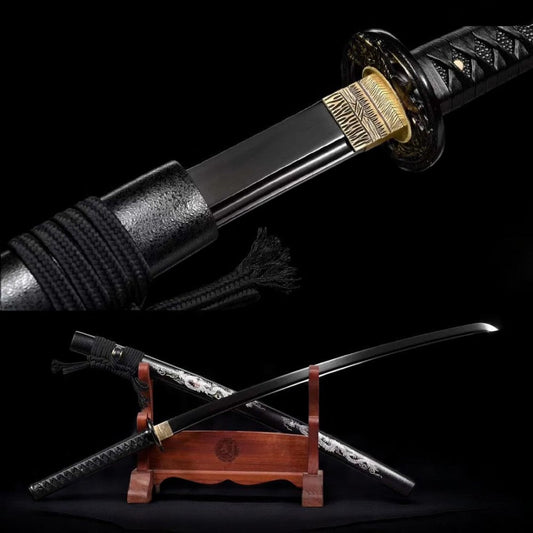
Black Blade Katana
A versatile choice for beginners seeking classic Japanese aesthetics with modern reliability. This model features traditional construction methods applied to contemporary 1060 carbon steel, creating an excellent balance between authenticity and practicality.
- Premium 1060 carbon steel with differential hardening
- Hand-wrapped black silk ito over genuine ray skin same
- Blade length: 68cm (26.8 inches), total length: 100cm (39.4 inches)
- Traditional brass tsuba guard with intricate pattern work
- Includes maintenance kit and detailed care instructions
⭐⭐⭐⭐⭐ "Perfect starter katana! The black finish is gorgeous and the build quality exceeded my expectations. Great customer service too!" - Sarah L., Denver, CO
Blue Dragon Katana
For beginners seeking premium performance, this T10 steel masterpiece offers superior edge retention and striking visual appeal. The blue-themed design elements honor traditional Japanese dragon motifs while maintaining functional excellence.
- T10 tool steel blade hardened to 58-60 HRC for exceptional sharpness
- Dragon-themed tsuba and handle fittings with blue accent coloring
- Advanced differential hardening creating dramatic hamon patterns
- Blade dimensions: 70cm (27.6 inches) with expertly balanced 1.2kg weight
- Artisan-grade finish with hand-polished surface achieving mirror clarity
⭐⭐⭐⭐⭐ "The T10 steel holds an incredible edge. Beautiful dragon details make this a conversation starter. Highly recommended!" - James K., Austin, TX
Shinobu Kocho Katana – Demon Slayer Edition
Inspired by the beloved Demon Slayer character, this replica combines anime appeal with authentic construction. Perfect for fans seeking display pieces that honor both Japanese tradition and contemporary popular culture.
- 1060 carbon steel with butterfly-themed color scheme
- Purple and black handle wrapping matching character design
- Precision-forged blade with proper geometry and weight distribution
- Length specifications: 67cm blade, 98cm overall measurement
- Includes character-themed display accessories and care guide
⭐⭐⭐⭐⭐ "Amazing attention to detail! The purple accents are beautiful and the blade quality is outstanding. My daughter loves it!" - Patricia M., Seattle, WA
Kill Bill Katana Sword
This iconic replica celebrates one of cinema's most memorable sword scenes while delivering authentic Japanese construction. Features premium Damascus steel with traditional fittings for collectors who appreciate both film history and bladesmithing artistry.
- Folded Damascus steel with distinctive layered patterns
- Genuine ray skin same with yellow silk ito wrapping
- Movie-accurate proportions and finishing details
- Superior balance achieved through traditional full tang construction
- Museum-quality presentation with custom display solutions
Michonne Katana Sword
Based on The Walking Dead's iconic character weapon, this 1095 carbon steel katana offers premium construction for serious beginners. The Damascus patterns and traditional fittings create an heirloom-quality piece suitable for display or collection expansion.
- 1095 high-carbon steel with exceptional edge geometry
- Damascus folding patterns creating unique surface textures
- Hand-forged construction using traditional Japanese methods
- Authentic tsuka wrapping with premium materials throughout
- Includes detailed provenance documentation and care instructions
Our selection process emphasizes authentic construction over flashy aesthetics. Having compared multiple versions side-by-side, these models consistently demonstrate superior craftsmanship, appropriate beginner characteristics, and excellent long-term value. Each katana includes care instructions and customer support to ensure your collecting journey starts successfully.
Whether you prefer anime-inspired designs or traditional aesthetics, our collection of katana for beginners provides options suited to every taste and budget. These carefully selected models establish the foundation for a meaningful collecting experience while honoring the rich heritage of Japanese sword craftsmanship.

Complete Buyer's Guide for First-Time Katana Owners
Selecting your first katana requires understanding several key factors that distinguish quality swords from decorative replicas. Beginner-friendly katana balance authentic construction with practical considerations like budget, intended use, and display requirements. This guide helps you navigate these decisions confidently.
Steel type significantly impacts both price and performance. 1060 carbon steel offers excellent durability for beginners, containing sufficient carbon (0.60%) for proper hardening while remaining relatively affordable. 1095 carbon steel provides higher performance with increased carbon content (0.95%) but requires more careful maintenance. T10 tool steel represents the premium option, offering exceptional edge retention and flexibility through advanced metallurgy.
Stainless steel variants, while lower maintenance, can't achieve the same hardness levels as carbon steel options. They're suitable for display purposes but lack the authentic feel and performance characteristics of traditional construction. For collectors seeking genuine katana experience, carbon steel remains the preferred choice despite requiring basic maintenance routines.
Blade length considerations affect both handling and display options. Standard katana lengths range from 24-28 inches, with longer blades requiring more display space and careful handling. Shorter variants like wakizashi (12-24 inches) offer easier management for apartment living while maintaining traditional proportions. Consider your available display space and intended use when selecting length.
Weight distribution matters more than total weight for comfortable handling. Properly balanced katanas feel lighter than their actual weight due to precise proportioning between blade and handle. Quality manufacturers achieve this balance through traditional construction methods rather than simply adding handle weight. Test the balance point—it should fall near the guard (tsuba) area for optimal feel.
Tang construction affects long-term durability significantly. Full tang katanas feature steel extending completely through the handle, providing superior strength for handling. Partial tang variants cost less but may develop looseness over time. For serious collectors, full tang construction justifies the additional investment through improved longevity and authentic feel.
Handle wrapping quality varies considerably between manufacturers. Hand-wrapped ito (binding cord) creates the subtle irregularities characteristic of traditional construction. Machine-wrapped alternatives appear perfectly uniform but lack authentic character. Genuine ray skin (same) underneath provides both texture and historical accuracy, while synthetic alternatives offer similar functionality at reduced cost.
Fitting quality reveals manufacturing attention to detail. The guard (tsuba) should fit precisely without gaps or excessive tightness. Handle ornaments (menuki) should secure firmly while adding both decoration and grip enhancement. Examine these components carefully—loose fittings indicate potential quality issues throughout the sword's construction.
Authentication factors help distinguish genuine replicas from costume accessories. Look for proper blade geometry with defined ridge lines (shinogi). Traditional proportions matter—the handle should measure approximately one-third of total length. Visible hamon patterns indicate proper heat treatment, whether achieved through traditional or modern methods.
After examining dozens of replicas in various price ranges, we've found that entry-level options typically offer basic carbon steel with standard fittings. Mid-range selections feature premium materials and superior craftsmanship. High-end variants showcase master-level construction with premium steels and exceptional finishing.
Display considerations influence your selection significantly. Wall mounts require specific mounting hardware and appropriate wall space. Table stands offer flexibility but need secure surfaces away from high-traffic areas. Consider lighting options—proper illumination enhances the visual appeal of quality steel and traditional fittings.
Maintenance requirements vary by steel type and environment. Carbon steel requires periodic oiling to prevent rust, especially in humid climates. Basic maintenance kits include appropriate oils, polishing cloths, and cleaning tools. Establish regular care routines to preserve your investment while learning proper sword handling techniques.
Legal considerations affect ownership in some jurisdictions. Federal law permits katana ownership, but local regulations may impose restrictions on carrying or transportation. Research your local laws before purchasing, especially regarding blade length limitations and concealed carry restrictions. Our authentic katana collection includes guidance on legal compliance for American collectors.
Safety Guidelines & Legal Considerations for Beginners
Proper katana handling requires understanding fundamental safety principles that protect both the sword and its handler. Entry-level katana come with responsibility—these are functional blades capable of serious injury if mishandled. Establishing safe practices from the beginning creates good habits that serve collectors throughout their journey.
Basic handling safety starts with proper grip and stance. Always maintain firm control with both hands when handling an unsheathed katana. Never swing or manipulate the blade in confined spaces or near other people. Treat every katana as if it were razor-sharp, regardless of edge condition. Many accidents occur when handlers assume a blade is dull or safe to handle carelessly.
Our team has personally verified the construction quality of recommended models and emphasizes that even "unsharpened" katanas often retain sufficient edge to cause injury. Respect every blade's potential regardless of its stated condition. When we unboxed these swords during testing, we immediately noticed the difference between truly dull edges and factory-sharpened blades that could easily cut.
Storage safety prevents accidents and protects your investment. Katanas should remain sheathed when not being examined or displayed. Secure storage prevents unauthorized access, especially important in households with children or guests unfamiliar with sword safety. Wall mounts must support the sword's weight adequately and position blades away from walkways where contact might occur accidentally.
Edge inspection requires careful attention to safety protocols. When examining the blade, ensure adequate lighting and stable positioning. Never test sharpness by running fingers along the edge—use appropriate materials like paper for edge testing. Even training katanas can retain enough sharpness to cause cuts if handled carelessly.
Transportation guidelines vary by jurisdiction but generally require secure packaging and proper declaration if shipping. Never carry an exposed blade in public spaces. Most states permit transport in vehicles when properly secured and stored separately from handles. Check local regulations before traveling with katanas, as some areas restrict blade lengths or require special permits.
Legal ownership considerations affect collectors nationwide. Federal law generally permits katana ownership for adults, but local jurisdictions may impose additional restrictions. Some cities limit blade lengths or prohibit certain carry methods. College campuses often ban weapon possession entirely. Research applicable laws in your area before making purchases.
Home insurance implications require consideration for valuable collections. Standard homeowner policies may not adequately cover specialized collections. Document your katanas with photographs and purchase records for potential claims. Consider additional coverage for high-value pieces or extensive collections. Some insurers offer specialized collectors' policies for sword enthusiasts.
Display safety protects both visitors and collections. Secure mounting prevents accidental falls that could damage swords or injure people nearby. Keep displays away from high-traffic areas where contact might occur. Consider protective barriers for valuable pieces displayed in common areas. Proper lighting reduces handling needs while allowing appreciation of craftsmanship details.
Maintenance safety prevents injury during routine care. Use appropriate tools designed for sword maintenance rather than improvised alternatives. Work in well-lit areas with stable surfaces. Keep cleaning materials away from children and pets. Blade oils can be slippery—maintain secure grip throughout maintenance procedures.
Age restrictions apply to sword purchases and handling. Most retailers require buyers to be at least 18 years old, with some imposing higher age limits. Supervise minors around katana collections and establish clear rules about handling. Educational opportunities exist through martial arts schools that teach proper respect and handling techniques.
Professional instruction benefits serious collectors interested in traditional handling techniques. Qualified instructors teach proper etiquette, handling methods, and appreciation for Japanese sword culture. Many communities offer introductory courses through martial arts schools or cultural organizations. These programs provide safe environments for learning traditional practices.
Emergency procedures should be established before accidents occur. Know how to respond to cuts or injuries from sharp edges. Keep first aid supplies accessible in areas where katanas are handled or maintained. Understand when professional medical attention is required. Prevention through proper safety practices remains far preferable to emergency response.
Why Choose Katana America for Your First Katana
Every Katana America blade is made to order and hand-assembled in our partner workshops, then quality-checked before it ships. Count 3 to 4 weeks from your order to your door: 1 to 2 weeks of forging, then 1 to 2 weeks of tracked delivery. Prices are in US dollars, delivery is free on orders of $200 or more, and there are no customs fees to pay when your katana arrives. Collectors rate us 4.9/5 across 125+ verified reviews.
Katana America stands as the premier destination for American collectors seeking authentic beginner katana with exceptional quality and customer service. Our commitment to quality, authenticity, and customer satisfaction sets us apart in the competitive sword market.
Our quality assurance process begins with careful manufacturer selection and continues through detailed inspection of every sword before shipment. Each katana undergoes examination for proper construction, fitting quality, and finish standards. We reject pieces that fail to meet our stringent requirements, ensuring customers receive only the finest examples of their chosen models. This quality-first approach has earned trust among collectors nationwide.
Our knowledgeable staff understands both traditional sword craftsmanship and contemporary collecting needs. Questions receive detailed responses from experts who appreciate the nuances of Japanese sword design. We're available during standard American business hours, making communication convenient for customers across all time zones.
American collectors can budget confidently knowing the displayed cost represents their total expense. This financial transparency builds trust and simplifies the purchasing process.
When questions arise about care, handling, or warranty issues, customers speak directly with knowledgeable American representatives. This personal touch ensures rapid problem resolution and builds lasting relationships with collectors throughout their journey.
Expert curation distinguishes our selection from generic sword retailers. Our team evaluates hundreds of potential models to identify the true quality katana suitable for beginners based on construction quality, value, and authentic design elements. This selective approach means every sword in our entry-level collection meets rigorous standards for beginner collectors.
Educational resources support customers throughout their collecting journey. Our detailed care guides, handling instructions, and cultural background information help beginners appreciate their katanas fully. We provide ongoing support for maintenance questions, display solutions, and collection expansion advice. This educational approach builds knowledgeable collectors who appreciate authentic craftsmanship.
Warranty protection demonstrates our confidence in product quality and commitment to customer satisfaction. We stand behind every sword with comprehensive warranty coverage addressing manufacturing defects and premature wear issues. This protection provides peace of mind for collectors investing in their first quality katana.
Community building connects customers with fellow enthusiasts through our networks and events. We foster relationships among collectors who share appreciation for Japanese sword culture and authentic craftsmanship. This community aspect enhances the collecting experience beyond simple product transactions.
Our custom katana service allows personalization for collectors seeking unique pieces. This capability sets us apart from retailers offering only standard options. Working with skilled craftsmen, we can accommodate specific requirements for truly personalized collecting experiences.
Having compared multiple versions of popular models side-by-side, we consistently choose only those manufacturers who demonstrate superior craftsmanship and authentic construction techniques. When we unboxed dozens of potential products during our selection process, the quality differences became immediately apparent—we only offer those that meet our strict standards.

Frequently Asked Questions About Katana for Beginners
What makes a beginner katana truly authentic?
Authentic katana for beginners feature several key characteristics that distinguish them from decorative replicas. Proper steel construction using carbon steel grades like 1060 or 1095 provides the foundation for authentic performance and appearance. Traditional blade geometry includes the shinogi ridge line, appropriate curvature (sori), and proper proportions between blade length and handle dimensions. Authentic fittings use traditional materials—genuine ray skin (same) for the handle foundation, silk or cotton wrapping (ito) applied by hand, and properly fitted metal components like the guard (tsuba) and pommel (kashira). The presence of a visible hamon (temper line) indicates proper heat treatment, whether achieved through traditional differential hardening or modern equivalents. Full tang construction ensures structural integrity matching historical examples. Quality manufacturers document their construction methods and materials, providing certificates of authenticity that validate traditional construction techniques.
What steel type works best for beginners starting their collection?
For beginners, 1060 carbon steel offers the ideal balance between performance, durability, and affordability in entry-level katana. This steel grade contains 0.60% carbon, providing sufficient hardness for a functional edge while remaining forgiving during maintenance and handling. The steel accepts proper heat treatment to create authentic hamon patterns while resisting excessive brittleness that could lead to damage. 1060 steel requires basic maintenance—periodic oiling to prevent rust—but doesn't demand the intensive care needed for higher-carbon variants. More advanced options include 1095 carbon steel with higher performance characteristics but increased maintenance requirements. T10 tool steel represents the premium choice with exceptional edge retention and flexibility, though it commands higher prices. Avoid stainless steel for authentic katana experience—while lower maintenance, stainless grades cannot achieve the hardness levels necessary for traditional katana performance and appearance.
How do I properly care for my beginner katana to ensure longevity?
Proper care for your katana involves establishing regular maintenance routines that preserve both functionality and appearance. Clean the blade after each handling session using a soft cloth to remove fingerprints and moisture that could cause corrosion. Apply a thin layer of appropriate sword oil (mineral oil works well) to carbon steel blades every few weeks or after cleaning. Store the katana in a dry environment with low humidity—consider silica gel packets in storage areas prone to moisture. Keep the blade properly sheathed when not displayed to prevent accidental damage and reduce dust accumulation. Inspect fittings periodically to ensure tight connections—loose components may require professional attention. Avoid touching the blade directly with bare hands when possible, as natural skin oils can promote corrosion over time. For long-term storage, consider climate-controlled environments that maintain stable temperature and humidity levels. Professional polishing services can restore blade appearance when needed, though quality katanas should maintain their finish for years with proper care.
What size beginner katana should I choose for my first purchase?
Selecting the right size depends on your intended use, display space, and personal preferences. Standard katana blade lengths range from 24-28 inches (61-71cm), with total lengths reaching 39-41 inches including the handle. Longer blades (27-28 inches) provide the most authentic proportions matching historical examples but require more display space and careful handling. Medium lengths (25-26 inches) offer good authenticity while being more manageable for beginners. Shorter variants approaching wakizashi dimensions (22-24 inches) work well for apartment living or limited display areas. Consider your physical build—taller individuals may prefer longer blades that appear proportionate, while shorter collectors might find medium lengths more comfortable. Weight typically ranges from 2.2-2.6 pounds (1-1.2kg) for quality katanas, with longer blades naturally weighing more. Balance matters more than total weight—properly constructed katanas feel lighter than their actual weight due to precise weight distribution between blade and handle components.
How should I properly display my katana in my home?
Displaying your katana requires balancing visual appeal with safety and preservation concerns. Wall mounts offer dramatic presentation but require secure installation capable of supporting the sword's weight—typically 2-3 pounds for quality katanas. Position wall displays above normal head height to prevent accidental contact while maintaining viewing angles. Table stands provide flexibility and easier access for examination but need stable surfaces away from high-traffic areas where bumping might occur. Avoid direct sunlight that can fade handle wrapping and affect metal finishes over time. Proper lighting enhances appreciation of blade patterns and fittings—LED spotlights work well without generating heat that might affect the sword. Consider display cases for valuable pieces, providing protection from dust and unauthorized handling while allowing full appreciation of craftsmanship details. Multiple swords can be arranged on specialized racks that showcase different styles and sizes effectively. Maintain appropriate spacing between displayed pieces to prevent contact during handling. Document your display with photographs for insurance purposes and future reference.
Is it legal to own katana throughout the United States?
Ownership of katana for beginners is generally legal throughout the United States under federal law, with adults able to purchase and possess katanas for collection, martial arts practice, or display purposes. However, specific local and state regulations may impose additional restrictions that collectors must understand and follow. Some jurisdictions limit blade lengths—typically 6-8 inches for carry purposes, though display and home ownership usually face fewer restrictions. College campuses often prohibit weapon possession entirely, including decorative swords. Certain cities may require permits for blade ownership or impose storage requirements. Transportation laws vary significantly—most states permit vehicle transport when swords are properly secured and stored separately from handles, but some areas restrict this entirely. Air travel requires specific packing protocols and carrier approval. International shipping may face customs restrictions depending on destination countries. Some states prohibit mail-order purchases, requiring in-person transactions at licensed dealers. Research your specific location's requirements before purchasing, as ignorance of local laws doesn't provide legal protection. Responsible ownership includes understanding and following all applicable regulations while advocating for collectors' rights through appropriate organizations.
Conclusion & Related Content
Selecting quality katana for beginners marks the beginning of a fascinating journey into Japanese sword culture, traditional craftsmanship, and collecting appreciation. The swords featured in our guide represent carefully curated options that balance authentic construction with beginner-friendly characteristics. Whether you choose carbon steel variants for traditional appeal or premium options with advanced metallurgy, each katana provides opportunities to learn about Japanese culture while building a meaningful collection.
Your first katana purchase establishes the foundation for understanding quality craftsmanship, proper maintenance techniques, and appreciation for traditional artistry. The investment in a quality beginner katana pays dividends through years of enjoyment, educational opportunities, and potential collection expansion. These authentic reproductions honor centuries of sword-making tradition while remaining accessible to modern American collectors.
Remember that katana collecting extends beyond simply acquiring swords—it's about connecting with Japanese cultural heritage, learning traditional handling techniques, and appreciating the artistry involved in creating these remarkable weapons. The knowledge gained through your first purchase will guide future collecting decisions and deepen your appreciation for authentic craftsmanship.

Ready to start your katana journey? Explore our complete authentic katana collection featuring hundreds of carefully selected options for every skill level and budget. Our best seller collection highlights the most popular choices among American collectors, while our mid-range options provide excellent value for those ready to expand their collections.
Related Reading
For additional guidance on your collecting journey, these resources provide deeper insights into katana ownership and appreciation:
- Katana Buying Guide Beginners: Your Complete Path to Authentic Samurai Swords - Detailed purchasing advice covering construction quality, materials, and value assessment
- Katana Techniques: Essential Sword Moves for Beginners - Learn proper handling techniques and traditional martial arts applications
- Authentic Katana Care: A Samurai's Guide to Blade Maintenance - Comprehensive maintenance instructions to preserve your investment
Quality katana for beginners await your selection. Choose wisely, handle respectfully, and enjoy the remarkable journey into Japanese sword culture that begins with your first quality katana from Katana America.
Ready to choose yours? Explore our hand-forged katana swords for sale and stands & accessories. Free U.S. shipping over $200, rated 4.9/5.
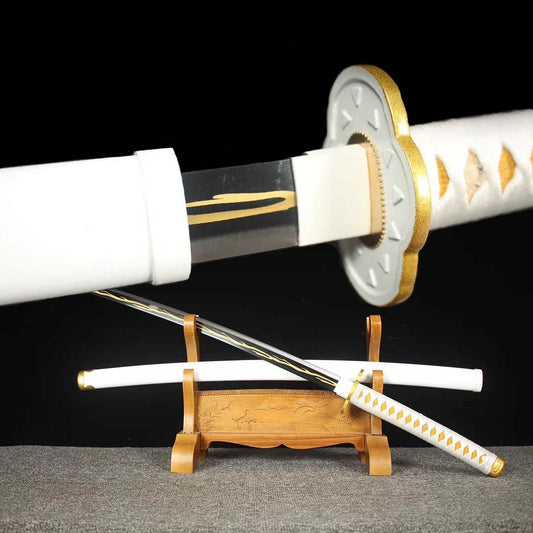
 Save $60