
Antique Katana Swords: Timeless Japanese Blades for Modern Collectors
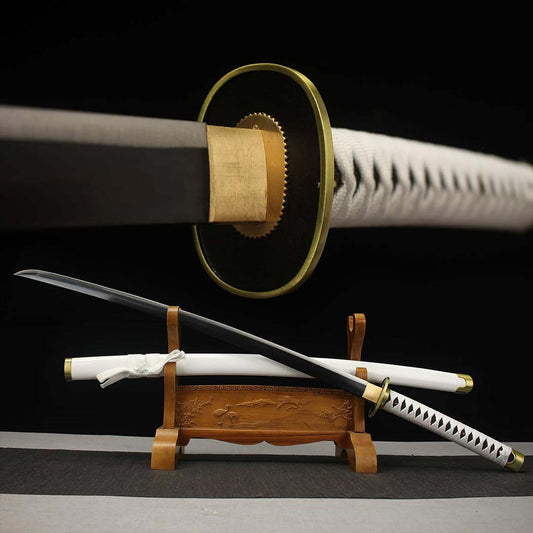
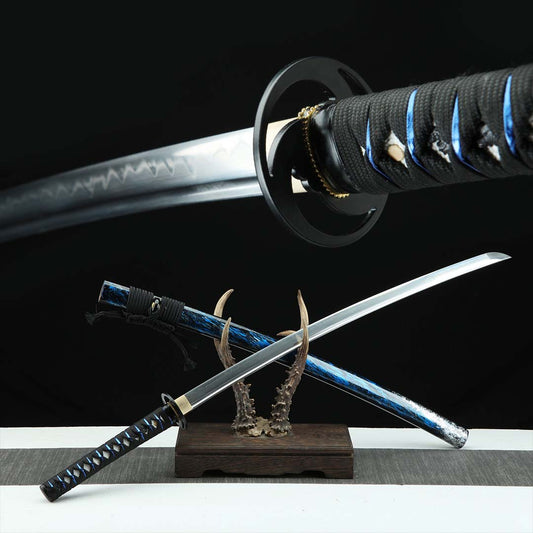
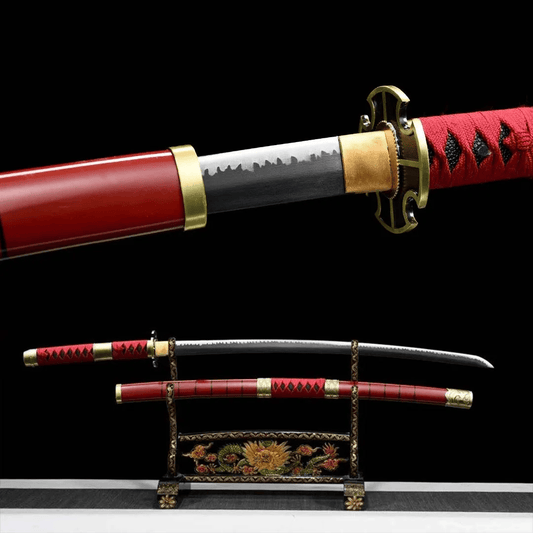
The Antique Katana Swords features 1060 carbon steel construction with a 28-inch blade and traditional Japanese fittings. This functional sword includes a hand-sharpened edge, full tang construction, and authentic character-accurate design details. Collectors and anime fans will find this piece meets both display and martial arts practice requirements.
For American collectors, authentic katana swords represent more than mere historical artifacts. They embody centuries of Japanese craftsmanship, the warrior's code of bushido, and an aesthetic philosophy that values both function and beauty in perfect harmony. Whether displayed in a modern home or studied by martial arts enthusiasts, these antique blades continue to captivate with their timeless appeal.
Table of Contents
- The Historical Legacy of Antique Katana
- The Soul of the Samurai Blade
- Master Craftsmanship & Traditional Techniques
- Our Curated Collection - Featured Antique-Style Katana
- Collector's Guide to Antique Katana
- Understanding Steel Types & Quality
- Why Choose Katana America

The Historical Legacy of Antique Katana
The katana emerged during Japan's Kamakura period (1185-1333), evolving from earlier sword designs to become the iconic curved blade we recognize today. Unlike their straight-bladed predecessors, these swords featured a gentle curve that enhanced their cutting effectiveness while maintaining the structural integrity necessary for both combat and ceremonial purposes.
Japanese katana history reveals that these weapons were far more than tools of war. They represented the soul of the samurai, embodying the warrior's honor, skill, and spiritual discipline. The forging process itself was considered sacred, with swordsmiths adhering to Shinto purification rituals and often incorporating prayers into their craft.
Antique katana swords from the feudal period showcase distinctive characteristics that set them apart from modern reproductions. The hamon (temper line) created through differential hardening techniques displays unique patterns that serve as signatures of specific schools and smiths. These blades often feature elaborate mountings called koshirae, including intricately carved tsuba (hand guards) and silk-wrapped handles that reflect the owner's status and aesthetic preferences.
The Tokugawa shogunate's strict regulations on sword ownership paradoxically preserved many antique katana swords, as only the samurai class could legally carry them. When the Meiji Restoration abolished the samurai system in 1868, many of these historical blades were preserved by families or collected by museums, creating the foundation for today's antique katana market.
For collectors interested in exploring the broader world of Japanese sword craftsmanship, understanding this historical context provides essential background for appreciating the artistry and cultural significance of these remarkable weapons.
The Soul of the Samurai Blade
Each antique katana carries within its steel the essence of its maker and the spirit of its wielder. The Japanese concept of tamashii – the sword's soul – reflects the belief that these blades possess consciousness and character developed through the forging process and their subsequent history. This spiritual dimension distinguishes authentic katana from mere weapons, elevating them to the realm of art and philosophy.
The geometry of an antique katana reveals the swordsmith's mastery through subtle curves and proportions. The sori (curvature) typically measures between 15-20mm, creating the optimal balance between cutting efficiency and structural strength. The kissaki (point) varies from compact chu-kissaki to elongated o-kissaki styles, each serving different combat applications while reflecting aesthetic preferences of various periods.
Examining the nakago (tang) provides crucial insights into a sword's authenticity and provenance. Genuine antique katana swords feature hand-forged tangs with distinctive file marks called yasurime, along with inscribed signatures (mei) that identify the smith, date, and sometimes the commissioning lord. The patina on these hidden surfaces tells stories of centuries, with rust patterns and wear marks serving as authentication markers for experienced collectors.
The spiritual symbolism embedded in katana design extends beyond functionality to encompass philosophical concepts. The straight spine (mune) represents rectitude and moral uprightness, while the curved cutting edge embodies the flexibility needed to adapt to changing circumstances. This duality reflects the samurai ideal of combining unwavering principles with tactical adaptability.

Modern collectors seeking to understand these deeper meanings often turn to traditional Japanese sword philosophy to appreciate how each element contributes to the blade's overall character and historical significance.
Master Craftsmanship & Traditional Techniques
The creation of antique katana swords required months of meticulous work, beginning with the selection of tamahagane steel produced in traditional clay furnaces called tatara. Master swordsmiths would carefully sort this raw material, separating high-carbon hagane for the cutting edge from lower-carbon shingane for the spine, creating a composite structure that balanced hardness with flexibility.
The forging process involved repeated folding and welding of the steel, eliminating impurities while creating the distinctive grain patterns visible in finished blades. Traditional Japanese steelmaking techniques produced remarkable uniformity despite the absence of modern metallurgical controls, relying instead on the smith's experience and intuitive understanding of fire, metal, and timing.
Differential hardening through clay application created the famous hamon patterns that distinguish authentic antique katana swords. By coating different sections of the blade with varying thicknesses of clay before quenching, smiths controlled cooling rates to produce hard edges with softer, more flexible spines. The resulting crystalline structures formed distinctive patterns – notare (undulating), choji (clove-shaped), or suguha (straight) – that served both functional and aesthetic purposes.
The polishing process, performed by specialized craftsmen called togishi, could take weeks to complete. Using progressively finer stones, polishers revealed the steel's internal structure while creating mirror-like surfaces that showcased the hamon and grain patterns. This final stage was crucial, as improper polishing could destroy centuries of careful forging work.
Quality antique katana exhibit several hallmarks of master craftsmanship: perfectly balanced proportions, flawless hamon transitions, and seamless integration between blade and mounting components. The attention to detail extends to every element, from the carefully shaped habaki (blade collar) that ensures perfect fit within the scabbard to the precisely carved menuki (handle ornaments) that provide both grip enhancement and artistic expression.
Contemporary enthusiasts studying traditional katana construction gain deeper appreciation for the technical mastery required to create these exceptional weapons, understanding why genuine antique examples command such respect among collectors worldwide.
Our Curated Collection - Featured Antique-Style Katana
Drawing inspiration from centuries of Japanese sword-making tradition, our carefully selected collection brings the essence of antique katana craftsmanship to modern collectors. Each piece in our premium katana collection reflects the aesthetic principles and functional excellence that define authentic Japanese blades.
Jin Sakai Katana – Ghost of Tsushima Edition
This exceptional piece captures the spirit of feudal Japan through its meticulously crafted design inspired by the legendary samurai's weapon. The blade showcases:
• Premium 1060 carbon steel construction providing optimal hardness and flexibility balance • Hand-forged construction with visible grain patterns reminiscent of traditional tamahagane steel • Authentic ray skin handle wrapping with silk cord following historical binding techniques • Traditional brass fittings including tsuba, habaki, and kashira crafted in period-appropriate styles • Full tang construction ensuring structural integrity for both display and practice applications
⭐⭐⭐⭐⭐ "The attention to historical detail is remarkable. The balance feels perfect in hand, and the finish quality exceeds my expectations for the price point." - Michael, Denver, CO
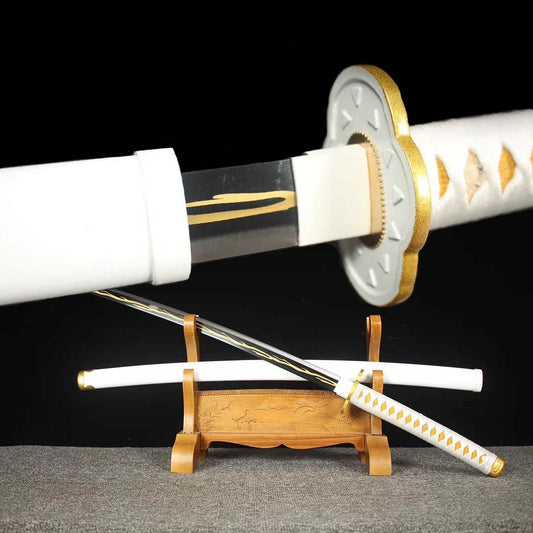
Shinobu Kocho Katana – Demon Slayer Edition
Inspired by the elegant Insect Hashira's distinctive blade, this katana combines traditional craftsmanship with artistic flourishes:
• 1060 carbon steel blade featuring subtle purple-tinted finish reminiscent of antique patinas • Butterfly-themed tsuba design reflecting the character's signature aesthetic • Premium hardwood scabbard with hand-painted details echoing traditional lacquework • Functional edge geometry suitable for cutting demonstrations and martial arts practice • Complete mounting set including silk storage bag and wooden display stand
⭐⭐⭐⭐⭐ "Absolutely stunning piece. The butterfly motifs are beautifully executed, and the blade quality rivals much more expensive antique reproductions." - Sarah, Portland, OR

Kill Bill Katana Sword
This iconic piece pays homage to both classic samurai aesthetics and cinematic history:
• Damascus steel construction creating distinctive watered steel patterns similar to antique folded blades • Traditional ray skin and silk wrapping providing authentic grip texture and appearance • Hand-forged blade profile maintaining classical proportions and curvature • Museum-quality fit and finish with precisely aligned mounting components • Functional design suitable for iaido practice and demonstration cutting
⭐⭐⭐⭐⭐ "The Damascus pattern is absolutely gorgeous. Every time I look at it, I discover new details in the steel. Truly a work of art." - James, Austin, TX
Michonne Katana Sword
Combining apocalyptic functionality with traditional Japanese aesthetics:
• 1095 carbon steel blade offering superior edge retention and cutting performance • Weathered finish suggesting the patina development found on antique blades • Reinforced tang construction designed for heavy-duty applications • Tactical wrapping providing enhanced grip security during extended use • Includes maintenance kit for proper blade care and preservation
⭐⭐⭐⭐⭐ "Built like a tank but maintains the elegant lines of a traditional katana. The steel quality is exceptional." - Robert, Phoenix, AZ
Michonne Katana – Premium Edition
The enhanced version featuring upgraded materials and finishing:
• Premium 1095 carbon steel with differential hardening creating visible hamon lines • Damascus steel construction showcasing complex folding patterns • Upgraded fittings including brass and copper accents with aged patina • Hand-carved wooden scabbard with traditional urushi-style finish • Collector's presentation case with authentication certificate
Black Blade Katana
A striking piece featuring the deep black finish associated with certain antique preservation techniques:
• 1060 carbon steel core providing optimal performance characteristics • Matte black oxide coating replicating historical preservation methods • Minimalist aesthetic emphasizing pure form and function • Traditional mounting components maintaining classical proportions • Suitable for both display and practical cutting applications
Sandai Kitetsu Katana Sword
Inspired by the legendary cursed blade from maritime adventures:
• 1060 carbon steel construction ensuring durability and performance • Distinctive guard design reflecting the sword's legendary status • Hand-forged blade profile maintaining traditional geometry • Premium mounting components with brass and iron accents • Includes detailed documentation of the blade's fictional history and significance
⭐⭐⭐⭐⭐ "The craftsmanship rivals pieces I've seen in Japanese museums. Every detail has been carefully considered." - David, Seattle, WA
Tanjiro Kamado Katana Sword V2
The latest evolution of this popular design featuring enhanced details:
• 1060 carbon steel blade with improved heat treatment for optimal performance • Fire-themed color scheme reflecting the character's signature technique • Enhanced grip wrapping providing superior control and comfort • Upgraded scabbard with detailed artwork and protective interior lining • Balanced weight distribution suitable for both collectors and practitioners
Each sword in our collection represents a commitment to preserving the aesthetic and functional principles that make antique katana so compelling. For collectors seeking entry-level pieces, our beginner katana selection provides excellent starting points, while serious enthusiasts will appreciate the museum-quality details found throughout our premium offerings.
Collector's Guide to Antique Katana
Building a meaningful katana collection requires understanding both historical context and practical considerations. Successful collectors develop expertise in recognizing authentic characteristics while appreciating the artistic elements that distinguish exceptional pieces from ordinary reproductions.
When evaluating potential additions to your collection, examine the blade geometry carefully. Authentic antique-style katana maintain specific proportional relationships between length, curvature, and width that reflect centuries of refinement. The kissaki (point) should display crisp, clean lines without irregularities, while the overall profile demonstrates the subtle sophistication that characterizes genuine Japanese design principles.
Steel quality represents perhaps the most crucial factor in determining a katana's value and authenticity. Look for visible grain patterns in the steel that indicate proper forging techniques, and examine the hamon (temper line) for clarity and consistency. Quality pieces display well-defined transitions between hard and soft steel areas, creating the distinctive cloudy patterns that make each blade unique.
Mounting components deserve equal attention, as they significantly impact both aesthetic appeal and historical accuracy. Examine the tsuba (hand guard) for appropriate thickness and decorative elements that complement the blade's period and style. The handle wrapping should demonstrate proper technique with consistent tension and alignment, while the scabbard finish should reflect traditional materials and construction methods.
Display considerations play a vital role in preservation and enjoyment of your collection. Traditional katana stands (katana-kake) provide proper support while showcasing the blade's elegant lines. Environmental factors such as humidity control and protection from direct sunlight help preserve both steel and organic components like silk wrappings and wooden elements.
Documentation enhances any collection's value and historical significance. Maintain detailed records of each piece's provenance, including maker information, acquisition details, and any restoration work performed. Photographs showing specific details like hamon patterns and mounting characteristics create valuable reference materials for insurance and authenticity purposes.
For those interested in expanding their knowledge, studying authentic Japanese katana construction provides essential background for making informed acquisition decisions and properly maintaining your collection over time.
Understanding Steel Types & Quality
The steel composition fundamentally determines a katana's performance characteristics, durability, and historical authenticity. Modern reproductions of antique katana swords typically employ three primary steel types, each offering distinct advantages for different collecting purposes and usage requirements.
1060 carbon steel provides an excellent balance of hardness and flexibility, making it ideal for both display and practical applications. With approximately 0.60% carbon content, this steel achieves optimal hardness when properly heat-treated while maintaining sufficient ductility to prevent brittle failure under stress. Many pieces in our mid-range collection feature this versatile steel type.
1095 carbon steel offers higher carbon content (0.95%), resulting in superior edge retention and cutting performance. This composition more closely matches the high-carbon hagane steel used in historical Japanese blades, though it requires more careful maintenance to prevent corrosion. Experienced collectors often prefer 1095 steel for its authentic properties and exceptional sharpness potential.
Damascus steel construction creates the distinctive watered patterns associated with premium antique reproductions. Through repeated folding and welding of different carbon content steels, modern smiths recreate the visual appeal of historical folded construction while achieving uniform performance characteristics throughout the blade.
The heat treatment process significantly impacts final blade quality regardless of base steel composition. Proper normalization, hardening, and tempering cycles create the microstructural properties that determine edge retention, toughness, and overall performance. Quality reproductions undergo multiple thermal cycles to achieve optimal grain structure and stress relief.
Understanding these metallurgical principles helps collectors make informed decisions when selecting pieces for their collections, ensuring that chosen katana meet both aesthetic expectations and functional requirements for their intended purposes.

Why Choose Katana America
As an American company dedicated to bringing authentic Japanese sword culture to collectors across the United States, Katana America provides unparalleled service and expertise for enthusiasts seeking quality katana. Our US customer service team understands the unique needs of American collectors, offering personalized guidance for selection, care, and display of these remarkable weapons.
Shopping with Katana America eliminates the complications associated with international purchases. No import fees or customs delays interrupt your collecting experience, while payment in US dollars provides transparent pricing without currency conversion concerns. Our fast domestic shipping ensures secure delivery to collectors throughout the continental United States.
Our commitment extends beyond mere commerce to education and community building. We provide comprehensive resources for understanding katana history, maintenance techniques, and display options, supporting collectors at every level of expertise. Whether you're acquiring your first piece or expanding an established collection, our team offers the knowledge and support necessary for making informed decisions.
Quality assurance represents a cornerstone of our business philosophy. Each katana undergoes thorough inspection before shipping, ensuring that mounting components align properly, blade geometry meets specifications, and finish quality matches our exacting standards. This attention to detail guarantees that every piece arrives ready for immediate enjoyment and display.
Frequently Asked Questions
Q: How can I determine if an antique katana is authentic?
Authenticating antique katana swords requires examining multiple factors including blade construction, mounting components, and provenance documentation. Genuine antique pieces display hand-forged characteristics such as visible grain patterns, irregular hamon lines, and traditional joinery techniques in wooden components. The nakago (tang) provides crucial authentication clues through rust patina patterns, file mark styles, and any inscribed signatures. Professional authentication services can verify attribution to specific smiths or schools, though this process requires considerable expertise and often involves destructive testing. For collectors seeking authentic antique characteristics without the risks and costs associated with genuine pieces, high-quality reproductions offer the aesthetic appeal and functional properties of historical katana while providing modern reliability and affordability.
Q: What materials and construction methods ensure the highest quality in katana?
Premium katana construction begins with proper steel selection and heat treatment. Carbon steel compositions between 0.60-0.95% provide optimal balance of hardness and flexibility, while traditional differential hardening creates the distinctive hamon patterns that characterize authentic Japanese blades. Full tang construction ensures structural integrity, with the tang extending completely through the handle and secured with traditional bamboo pegs (mekugi). Quality mounting components include genuine ray skin (samegawa) handle coverings, silk cord wrapping, and properly fitted brass or iron fittings. The blade should display consistent geometry with smooth transitions between sections, while the polish should reveal internal steel structure without obscuring important details like hamon lines or grain patterns.
Q: What are the standard dimensions and weight specifications for katana?
Traditional katana dimensions follow established proportions refined over centuries of development. Blade length typically ranges from 24 to 28 inches (60-70 cm), with the most common size measuring approximately 26 inches. Total length including handle usually falls between 38-42 inches, providing optimal balance for single-handed use. Weight generally ranges from 2.2 to 3.5 pounds (1-1.6 kg), with most examples clustering around 2.5-3 pounds. The curvature (sori) typically measures 15-20mm, creating the characteristic profile that enhances cutting efficiency. Handle length standardizes around 10-12 inches, accommodating both single and two-handed grip techniques. These proportions ensure proper balance and handling characteristics that distinguish authentic katana from decorative sword-shaped objects.
Q: How should I properly maintain and preserve my katana collection?
Proper katana maintenance begins with environmental control, maintaining stable humidity levels between 45-55% to prevent both corrosion and organic component deterioration. Regular inspection every 2-3 months allows early detection of rust spots or other issues before they become serious problems. Cleaning involves gentle removal of fingerprints and moisture using lint-free cloths, followed by light application of appropriate preservation oils to steel surfaces. Avoid modern gun oils or petroleum-based products that can damage traditional materials like silk wrappings or wooden scabbards. Handle components require minimal maintenance beyond occasional tightening of mekugi pegs and careful cleaning of accumulated dust or debris. Store katana horizontally on proper stands or in protective cases, avoiding prolonged contact with leather or foam materials that can promote corrosion through chemical interaction with steel surfaces.
Q: What display options work best for showcasing katana collections?
Traditional katana stands (katana-kake) provide both proper support and aesthetic presentation, available in single-sword and multi-tier configurations. Wall mounting systems offer space-efficient display while protecting blades from accidental contact, though proper mounting hardware is essential to prevent damage from falling. Display cases protect collections from dust and handling while allowing full visibility, with museum-quality options providing UV protection and climate control. Lighting considerations include avoiding direct sunlight and using LED sources that minimize heat generation while highlighting important details like hamon patterns and mounting craftsmanship. Rotation schedules help prevent uneven exposure and wear, particularly important for pieces with silk components that can fade over time. For those interested in complete display solutions, our katana accessories collection provides authentic stands, cleaning supplies, and protective storage options designed specifically for proper katana care.
Q: Are katana legal to own and collect in Canada?
Katana ownership legality varies significantly by province and municipality, with some jurisdictions classifying them as prohibited weapons while others permit collection and ownership with proper storage requirements. Federal regulations generally allow ownership of katana for legitimate purposes including collecting, martial arts practice, and cultural appreciation, though carrying in public typically requires special permits or is prohibited entirely. Some provinces require registration or licensing for sword ownership, while others rely on general weapons regulations that emphasize proper storage and responsible ownership. Municipal bylaws can impose additional restrictions, particularly regarding display or transport within city limits. Collectors should research specific regulations in their area and consult with local authorities when necessary to ensure compliance with all applicable laws. Professional legal advice may be warranted for valuable collections or when moving between jurisdictions with different regulatory frameworks.
Related Reads
For collectors seeking to deepen their understanding of Japanese sword culture, several related articles provide valuable context and information. Those interested in expanding their knowledge of traditional forging techniques will find Katana Craftsmanship: Ancient Steel Forging Techniques particularly enlightening, as it explores the metallurgical secrets that created these legendary blades.
Anime enthusiasts drawn to katana collecting through popular series should explore Demon Slayer Katana Swords: Authentic Nichirin Blades for American Collectors, which examines how modern entertainment draws inspiration from historical sword traditions.
Maritime adventure fans will appreciate Roronoa Zoro Katana Swords: Three-Sword Style Mastery, offering insights into one of anime's most iconic sword-wielding characters and the real techniques that inspired his fictional fighting style.

Conclusion
The enduring appeal of antique katana swords transcends mere collecting to encompass cultural appreciation, artistic admiration, and connection to centuries of Japanese tradition. Each blade represents a tangible link to the samurai era, embodying principles of craftsmanship, honor, and aesthetic refinement that continue to inspire modern enthusiasts.
Whether your interest lies in historical authenticity, practical martial arts applications, or simply the timeless beauty of these remarkable weapons, building a meaningful katana collection requires patience, knowledge, and access to quality pieces that honor traditional construction methods and aesthetic principles.
Our carefully curated authentic katana collection provides collectors with access to pieces that capture the essence of antique Japanese swordsmithing while offering the reliability and affordability that modern enthusiasts demand. From entry-level pieces perfect for beginning collectors to premium editions that satisfy the most discriminating connoisseurs, every sword reflects our commitment to quality and historical accuracy.
Begin or expand your collection today by exploring our complete selection of authentic katana, each piece ready to become a treasured centerpiece in your growing appreciation for these timeless symbols of Japanese culture and craftsmanship. The spirit of the samurai awaits in every blade, ready to inspire a new generation of collectors and practitioners who understand that some traditions transcend time itself.
 Save $60