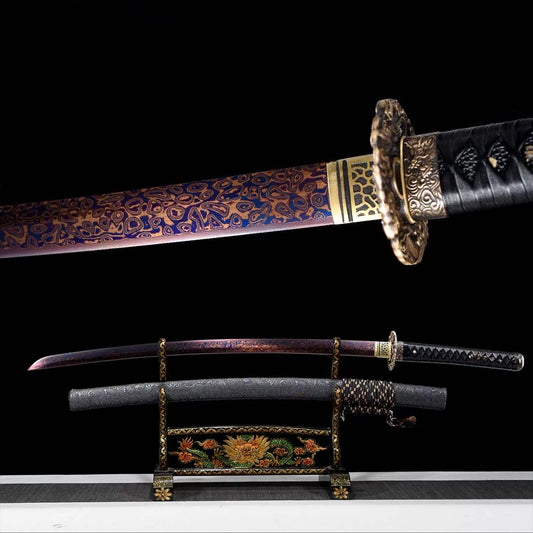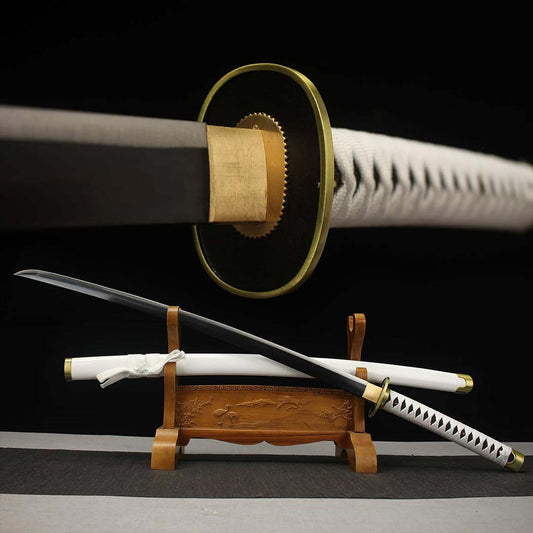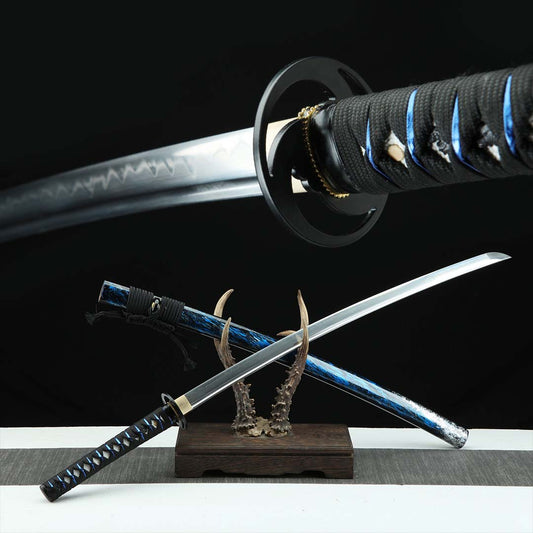

Demon Slayer Katana Swords: Authentic Nichirin Blades for American Collectors

The moonlight gleams off polished steel as Tanjiro Kamado draws his distinctive black-bladed katana, its unique edge cutting through the darkness to face another demon. For millions of fans worldwide, this moment represents more than just anime—it's a gateway into the rich tradition of Japanese swordsmithing, where each blade carries the soul of its wielder and the legacy of centuries-old craftsmanship.
The phenomenon of Demon Slayer has transformed how collectors and enthusiasts view katana swords, elevating these legendary weapons from mere props to coveted pieces of functional art. Each Nichirin blade tells a story, reflects a character's journey, and embodies the meticulous attention to detail that makes Japanese sword culture so captivating.
Table of Contents
The Legacy of Nichirin Blades
In the world of Demon Slayer, Nichirin blades represent far more than weapons—they're extensions of a slayer's very soul. These legendary katana demon slayer swords change color based on their wielder's breathing technique and spiritual nature, creating a unique bond between warrior and weapon that has captivated audiences worldwide. The concept draws heavily from traditional Japanese sword philosophy, where a blade was believed to possess its own spirit and destiny.
The historical inspiration for Nichirin blades traces back to the sacred traditions of Japanese swordsmithing, where master craftsmen would spend months forging a single katana. These artisans believed that the sword's soul was forged alongside its steel, creating weapons that were both functional tools and spiritual artifacts. The mythical Nichirin ore, said to absorb sunlight and harm demons, mirrors real-world legends of special steel that could only be forged under specific celestial conditions.
What makes the Demon Slayer interpretation particularly fascinating is how it honors traditional Japanese aesthetics while introducing fantastical elements. Each blade's unique characteristics—from Tanjiro's deep black steel to Rengoku's fiery red guard—reflect centuries of symbolic meaning in Japanese culture. Colors in traditional sword culture often represented elements, seasons, and spiritual qualities, making each Nichirin blade a visual representation of its wielder's inner nature.
The influence of these fictional weapons on modern collecting culture cannot be understated. They've introduced a new generation to the artistry and philosophy behind authentic katana craftsmanship, bridging the gap between entertainment and cultural appreciation. For collectors seeking to understand these blades better, our Complete Guide to Katana Swords: History, Craftsmanship, and Authentic Japanese Blades provides deeper insight into the traditions that inspired these iconic weapons.
Character Swords and Their Wielders
Each Demon Slayer character's weapon reflects their personality, fighting style, and spiritual journey, creating a diverse collection of blade designs that showcase the versatility of Japanese sword craftsmanship. Tanjiro Kamado's black-bladed katana, initially considered ominous by fellow slayers, ultimately reveals his unique path as both demon slayer and protector of his transformed sister. The blade's distinctive appearance, with its deep black steel and traditional guard design, represents the unconventional nature of his water breathing technique.
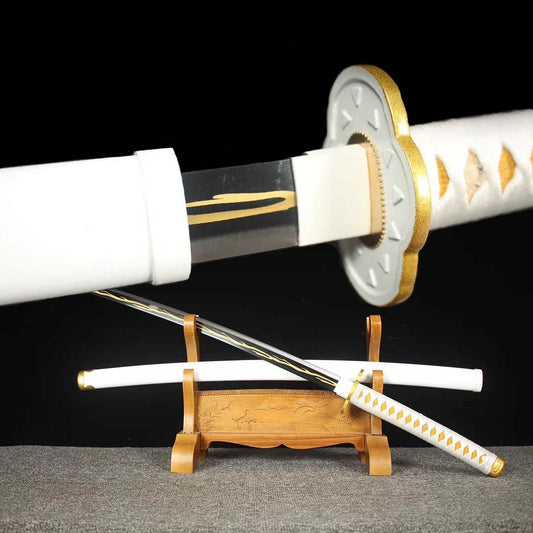
Zenitsu Agatsuma's yellow-tinged blade perfectly complements his Thunder Breathing style, featuring lightning-inspired details that capture the explosive nature of his singular but devastating technique. The sword's design emphasizes speed and precision, reflecting Zenitsu's character development from fearful novice to lightning-fast warrior. His blade's elegant curves and bright accents make it one of the most visually striking weapons in the series.
The flame-inspired katana of Kyojuro Rengoku stands as perhaps the most elaborate design in the collection, with its distinctive red and orange color scheme and intricate guard work. This katana demon slayer swords replica embodies the passionate, life-affirming philosophy of the Flame Hashira, featuring details that seem to flicker like actual fire when light catches the steel. The weapon's robust construction mirrors Rengoku's unwavering dedication to protecting others.
Giyu Tomioka's water-themed blade represents the calm, flowing nature of Water Breathing techniques, while Shinobu Kocho's unique weapon breaks traditional katana conventions with its needle-like design optimized for poison delivery rather than cutting. Each sword in the Demon Slayer universe serves as both weapon and character development tool, explaining why collectors are drawn to these distinctive designs.
The attention to detail in translating these fictional weapons into authentic replicas requires understanding both the anime's aesthetic vision and traditional Japanese craftsmanship principles. Master swordsmiths must balance fantasy elements with functional blade geometry, ensuring that each replica maintains the visual impact of its source material while respecting the structural integrity demanded by quality katana construction.
Authentic Craftsmanship and Design
Creating authentic Demon Slayer katana replicas demands a deep understanding of traditional Japanese swordsmithing techniques combined with precise attention to the unique design elements that make each Nichirin blade distinctive. The process begins with selecting appropriate steel grades, typically high-carbon varieties like 1060 steel, which provides the durability and edge retention necessary for both display and functional use.
The blade construction follows time-honored methods, including proper heat treatment cycles that create the distinctive hamon (temper line) visible on quality katana. This process, refined over centuries, involves carefully controlled heating and cooling cycles that create different hardness zones along the blade—a harder edge for sharpness retention and a softer spine for flexibility and shock absorption. Master craftsmen must adapt these traditional techniques to accommodate the specific visual requirements of each katana demon slayer swords design.
Tsuba (guard) creation represents another crucial element, as each character's weapon features unique guard designs that often incorporate symbolic elements related to their breathing techniques. Tanjiro's simple yet elegant circular guard, Rengoku's flame-inspired patterns, and Shinobu's delicate butterfly motifs all require specialized metalworking skills to achieve the proper balance of aesthetic appeal and structural integrity.
The wrapping process, using authentic silk ito (cord) in colors specific to each character, follows traditional techniques that ensure both comfort and weapon control. The choice of same (ray skin) for the handle covering, combined with proper menuki (ornamental fittings) placement, creates the tactile experience that collectors expect from quality katana while maintaining the visual authenticity demanded by Demon Slayer fans.
Modern quality control standards ensure that each blade meets both safety requirements and aesthetic expectations. This includes proper weight distribution for authentic handling characteristics, corrosion-resistant finishes that maintain the blade's appearance over time, and precision fitting of all components to prevent looseness or rattling during display or handling.
Our Featured Demon Slayer Collection
1060">Tanjiro Kamado Katana Sword V2
The enhanced version of Tanjiro's iconic black blade represents the pinnacle of character-accurate craftsmanship, featuring improved steel treatment and more precise color matching to the anime's distinctive aesthetic. This upgraded replica captures every nuance of the protagonist's weapon, from the deep black finish to the traditional circular guard design.
• Premium 1060 carbon steel construction with authentic heat treatment
• Deep black blade coating that maintains its rich appearance over time
• Traditional silk wrapping in Tanjiro's signature green and black pattern
• Authentic wooden scabbard with character-specific design elements
• Full tang construction ensuring structural integrity for display and handling
⭐⭐⭐⭐⭐ "Absolutely stunning piece! The black finish is exactly like in the anime, and the weight feels perfect in hand. Shipping to Vancouver was faster than expected." - Michael K., Vancouver
Tanjiro Kamado Katana Sword
Our original Tanjiro replica offers the same exceptional quality and attention to detail that has made it a favorite among collectors. This version maintains all the essential characteristics that make Tanjiro's blade so recognizable while providing outstanding value for both new and experienced collectors.
• Authentic 1060 carbon steel blade with proper curvature and geometry • Hand-wrapped handle using traditional techniques and materials • Character-accurate guard and pommel with precise detailing • Comes with matching wooden display stand for elegant presentation • Includes care kit with cleaning cloth and maintenance instructions
⭐⭐⭐⭐⭐ "My first katana purchase and I couldn't be happier! The craftsmanship is incredible for the price. Perfect for my anime collection." - Sarah L., Toronto
Zenitsu Agatsuma Katana Sword
Zenitsu's lightning-themed blade captures the explosive energy of Thunder Breathing with its distinctive yellow accents and dynamic design elements. This replica faithfully reproduces the weapon's unique aesthetic while maintaining the structural integrity expected from quality katana construction.
• 1060 carbon steel core with lightning-inspired color scheme
• Distinctive yellow and black handle wrapping in traditional diamond pattern
• Character-specific guard featuring thunder-themed design elements
• Authentic wooden scabbard with weather-resistant finish
• Balanced weight distribution optimized for both display and handling
⭐⭐⭐⭐⭐ "The yellow details really pop! Exactly what I was hoping for from Zenitsu's sword. Great quality and arrived in perfect condition to Calgary." - David M., Calgary
Rengoku Kyojuro Katana Sword
The Flame Hashira's magnificent blade represents one of the most elaborate designs in our collection, featuring intricate flame-inspired details and premium finishing that captures the passionate spirit of this beloved character. Every element of this sword reflects Rengoku's unwavering dedication and fiery determination.
• Premium 1060 carbon steel with enhanced heat treatment process • Elaborate flame-themed guard with hand-finished details and authentic coloring • Multi-colored handle wrapping in red, orange, and yellow flame pattern • Deluxe wooden scabbard with flame motifs and protective lacquer finish • Enhanced display stand designed specifically for this elaborate weapon
⭐⭐⭐⭐⭐ "Worth every penny! The flame details are absolutely gorgeous and the quality is outstanding. This is definitely a centerpiece for any collection." - Jennifer R., Montreal
Giyu Tomioka Katana Sword
The Water Hashira's elegant blade embodies the flowing, adaptive nature of Water Breathing techniques through its refined aesthetics and perfect proportions. This replica captures the understated power and precision that characterizes Giyu's fighting style and personality.
• High-quality 1060 carbon steel with traditional water-themed temper line
• Distinctive blue and white handle wrapping in flowing wave pattern
• Character-accurate guard featuring subtle water drop design elements
• Traditional wooden scabbard with water-resistant coating
• Includes premium silk storage bag for additional protection
Shinobu Kocho Katana – Demon Slayer Edition
The Insect Hashira's unique weapon breaks conventional katana design with its specialized needle-point construction, perfectly adapted for Shinobu's poison-based combat style. This remarkable replica requires specialized craftsmanship to achieve the delicate balance between visual authenticity and structural integrity.
• Specialized 1060 carbon steel construction with needle-point geometry • Intricate butterfly-themed guard with hand-painted details in authentic colors • Purple and white silk handle wrapping with butterfly pattern embossing • Custom wooden scabbard designed for the unique blade profile • Includes detailed care instructions specific to this specialized design
⭐⭐⭐⭐⭐ "Absolutely unique piece! The butterfly details are exquisite and the craftsmanship is top-notch. Fast shipping to Ottawa and excellent packaging." - Amanda T., Ottawa
Tengen Uzui x2 Katana
The Sound Hashira's paired blades represent the most complex set in our collection, featuring matching katana designed for dual-wielding combat. These weapons showcase the flamboyant aesthetic and powerful presence that characterizes Tengen's fighting style.
• Matched pair of 1060 carbon steel blades with identical specifications • Elaborate gold and burgundy handle wrapping with geometric patterns • Character-specific guards featuring sound wave and gemstone motifs • Dual wooden scabbards with protective finish and display compatibility • Includes specialized dual display stand for proper presentation
Muichiro Tokito Katana Sword
The Mist Hashira's ethereal blade captures the elusive, flowing nature of Mist Breathing through its refined design and subtle color variations. This sword embodies the young prodigy's natural talent and connection to traditional swordsmithing techniques.
• Premium 1060 carbon steel with mist-inspired finish variations
• White and teal handle wrapping in traditional cloud pattern
• Delicate guard design featuring stylized mist and cloud motifs
• Elegant wooden scabbard with subtle texture work
• Comes with authentication certificate and care guide
⭐⭐⭐⭐⭐ "Beautiful sword that really captures Muichiro's character. The mist-themed details are subtle but perfect. Great addition to my collection!" - Ryan P., Edmonton
Our Demon Slayer Katana Collection represents the culmination of months of research and development, ensuring that each blade meets both aesthetic authenticity and structural quality standards. Every sword undergoes rigorous quality control and comes with our satisfaction guarantee.
Collector's Selection Guide
Selecting the perfect Demon Slayer katana requires understanding both your collecting goals and the unique characteristics of each available blade. Character preference often drives initial interest, but collectors should also consider factors like display space, budget constraints, and long-term collecting objectives when making their selection.
For newcomers to katana collecting, starting with a main character's weapon like the Tanjiro Kamado Katana Sword provides an excellent introduction to quality construction while maintaining strong resale value and widespread recognition among fellow enthusiasts. The protagonist's blade offers classic katana proportions and traditional design elements that serve as an educational foundation for understanding authentic Japanese sword characteristics.
Advanced collectors might gravitate toward more unique pieces like Shinobu's specialized needle katana or Tengen's dual-wielding set, which showcase innovative adaptations of traditional forms. These katana demon slayer swords require more specialized display considerations but offer conversation pieces that distinguish serious collections from casual displays.
Display planning should influence selection, as different blade lengths and accessories require varying amounts of space. Wall-mounted displays work well for single swords, while dedicated sword cabinets can accommodate multiple pieces with proper spacing and lighting. Consider investing in proper display stands that complement each sword's unique aesthetic—traditional wooden stands for classical designs, or specialized mounts for unconventional weapons like Shinobu's unique blade.
Budget considerations should account for not just the initial purchase but also proper care supplies, display equipment, and potential insurance for valuable collections. Starting with one high-quality piece often proves more satisfying than purchasing multiple lower-grade replicas, as authentic craftsmanship becomes more apparent with hands-on experience.
Climate control becomes important for serious collectors, as proper humidity levels and temperature stability help preserve both steel and organic components like silk wrapping and wooden scabbards. American collectors should be particularly mindful of seasonal humidity variations that can affect these natural materials over time.
Steel Types and Quality Standards
Understanding steel composition and heat treatment processes helps collectors make informed decisions about blade quality and longevity. Our katana demon slayer swords collection primarily utilizes 1060 carbon steel, a medium-carbon alloy that provides an excellent balance of hardness, flexibility, and ease of maintenance for both display and functional use.
1060 steel contains approximately 0.60% carbon, placing it in the ideal range for katana construction where sufficient hardness for edge retention combines with enough flexibility to prevent catastrophic failure under stress. This composition allows for proper differential hardening techniques that create the visible hamon (temper line) characteristic of quality Japanese blades.
The heat treatment process involves carefully controlled heating cycles that transform the steel's molecular structure, creating different hardness zones along the blade. The edge receives maximum hardness for cutting performance, while the spine maintains flexibility for shock absorption. This differential hardening technique, refined over centuries of Japanese swordsmithing, ensures optimal performance characteristics.
Higher carbon steels like 1095 offer superior edge retention and more pronounced hamon patterns but require more careful maintenance to prevent corrosion. For collectors prioritizing display over function, 1060 steel provides easier care while maintaining authentic appearance and handling characteristics.
Quality indicators include consistent grain structure visible in the hamon, proper blade geometry with authentic curvature, and tight-fitting components that show no looseness or rattling. The tang construction should extend fully through the handle (full tang) for structural integrity, while the finish should show no obvious tool marks or irregularities.
Professional heat treatment creates the blue-to-straw color gradations visible on properly tempered tangs, indicating correct temperature control during the hardening process. These subtle details distinguish authentic craftsmanship from mass-produced replicas that skip crucial heat treatment steps.
Why Choose Katana America
As a American company, we understand the unique needs of collectors across the Great White North, from Vancouver's coastal humidity to Winnipeg's harsh winters. Our American customer service team provides support in both French and English, ensuring every customer receives assistance in their preferred language throughout their collecting journey.
Shopping with us means payment in American dollars with no surprise currency conversion fees or international transaction charges. Our pricing remains transparent and competitive, reflecting our commitment to making authentic katana demon slayer swords accessible to American collectors without hidden costs that inflate final purchase prices.
We eliminate customs fees and border delays that complicate international purchases, streamlining the collecting experience for enthusiasts who value their time and peace of mind. Our understanding of American regulations ensures all products meet legal requirements for ownership and display across all provinces and territories.
Our team's expertise extends beyond sales to include maintenance guidance, display recommendations, and collecting advice tailored to American conditions. We understand how seasonal humidity changes affect traditional materials and provide specific care instructions for our climate's unique challenges.
Customer satisfaction drives our business model, with responsive support that addresses questions promptly and professionally. Whether you're beginning your first collection or expanding an established display, our team provides personalized recommendations based on your specific interests and requirements.
We maintain strong relationships with skilled craftsmen who understand both traditional techniques and modern quality standards, ensuring every piece meets our exacting specifications for authenticity and durability. This commitment to quality control means customers receive swords that exceed expectations for both aesthetic appeal and structural integrity.
For those interested in expanding their knowledge beyond Demon Slayer, our Mini Katana: The Perfect Gateway to Japanese Sword Culture and Demon Slayer Fandom article explores how smaller display pieces can complement full-size collections.
Frequently Asked Questions
Q: Are these Demon Slayer katana swords authentic replicas or just decorative pieces?
Our Demon Slayer collection features authentic replicas crafted using traditional Japanese techniques and high-quality 1060 carbon steel construction. These are functional katana built to authentic specifications, not simple decorative props. Each blade undergoes proper heat treatment to create the differential hardness zones characteristic of traditional Japanese swords, complete with visible hamon (temper line) and proper blade geometry. While designed primarily for display and collecting, these swords maintain the structural integrity and handling characteristics of authentic katana. The craftsmanship honors both the fictional designs from the anime and the centuries-old traditions of Japanese swordsmithing, creating pieces that satisfy serious collectors while appealing to fans of the series.
Q: What type of steel is used in these katana and how does it compare to traditional Japanese swords?
Our katana demon slayer swords utilize 1060 carbon steel, which contains approximately 0.60% carbon content—an ideal composition for katana construction that balances hardness with flexibility. This steel grade closely matches the carbon content of historical Japanese blades, allowing for traditional differential hardening techniques that create the distinctive hamon pattern. The heat treatment process creates a harder edge (approximately 58-60 HRC) for cutting performance while maintaining a softer, more flexible spine (45-50 HRC) for shock absorption. This construction method follows the same principles used by historical Japanese swordsmiths, ensuring authentic handling characteristics and durability. While modern steels offer consistent quality compared to ancient tamahagane, the fundamental metallurgy and heat treatment remain true to traditional methods, creating blades that honor both historical accuracy and contemporary quality standards.
Q: What are the dimensions and weight specifications for these katana?
Our Demon Slayer Nichirin blades follow traditional proportions with overall lengths typically ranging from 39 to 41 inches, including scabbard. The blade length averages 28-29 inches with a curve (sori) of approximately 0.7 inches, maintaining authentic katana geometry. Handle length measures 10-11 inches to accommodate proper two-handed grip techniques. Weight varies by specific model but generally ranges from 2.2 to 2.8 pounds, providing the substantial feel expected from quality katana while remaining manageable for display and handling. The balance point typically sits 5-6 inches from the guard (tsuba), creating the forward weight bias that characterizes authentic katana handling. These specifications ensure each sword maintains the proper proportions and weight distribution that made historical katana so effective, while accommodating the unique aesthetic requirements of each character's weapon design from the Demon Slayer series.
Q: How should I properly care for and maintain my Demon Slayer katana?
Proper maintenance ensures your katana retains its beauty and integrity for decades. Begin by storing the sword in a dry environment with stable humidity levels—particularly important in America's variable climate. Clean the blade after handling using a lint-free cloth to remove fingerprints and moisture, always wiping from spine to edge to avoid injury. Monthly maintenance should include light oil application using traditional choji oil or modern alternatives like 3-in-1 oil, applied sparingly with a soft cloth. Avoid touching the blade directly with bare hands, as skin oils and acids can promote corrosion over time. Inspect the handle wrapping (ito) periodically for looseness or wear, tightening if necessary using traditional techniques. Store the sword horizontally or with the edge facing upward to prevent pressure on the cutting edge. For American collectors, seasonal humidity changes require extra attention—consider using a dehumidifier during humid summer months and monitoring for condensation during winter heating seasons.
Q: What display options work best for these swords and what should I consider for my home setup?
Display planning should balance aesthetic appeal with practical considerations like space, lighting, and security. Traditional wooden stands provide elegant single-sword display while maintaining stability and proper blade angle. Wall-mounted displays work well for multiple pieces but require secure mounting into wall studs to support the weight safely. Dedicated sword cabinets offer the best protection from dust, humidity, and unauthorized handling while providing controlled lighting for dramatic presentation. Consider positioning away from direct sunlight to prevent fading of organic components like silk wrapping and wooden scabbards. For American homes, avoid locations near heating vents or exterior walls where temperature fluctuations might affect the materials. Security considerations include discrete placement away from main windows and potentially investing in display cases with locking mechanisms for valuable pieces. Proper lighting enhances the visual impact—LED strips or spotlights can highlight the hamon pattern and blade geometry while generating minimal heat that might affect the sword's materials.
Q: Are these katana legal to own and display in America, and are there any restrictions I should know about?
Japanese sword ownership remains legal across America for collectors and martial arts practitioners, with these display-quality pieces falling under standard blade regulations. No special permits or licenses are required for ownership, storage, or display of these swords in your home. However, transportation requires discretion—always transport swords in closed cases and avoid public display during travel. Some provinces have specific regulations about blade length and carry restrictions, though these primarily affect concealed carry rather than home ownership and display. Collectors should familiarize themselves with local bylaws, as some municipalities may have additional restrictions. For those interested in martial arts practice, training with these swords is generally permitted on private property or in recognized dojos. When purchasing, legitimate retailers like ourselves ensure all products meet American import standards and safety requirements. Our detailed buying guide, Buy Swords Online America: Your Complete Guide to Authentic Katana and Japanese Blades, provides comprehensive information about American regulations and ownership considerations for sword collectors.
Conclusion
The world of Demon Slayer katana collecting offers an extraordinary gateway into the rich traditions of Japanese swordsmithing while celebrating the artistry and storytelling that has captivated millions worldwide. Each Nichirin blade in our collection represents more than a mere replica—it's a bridge between ancient craftsmanship and modern appreciation, between fictional narrative and historical reality.
From Tanjiro's distinctive black blade to Rengoku's magnificent flame-themed katana, these weapons embody the passion, dedication, and artistry that define both the anime series and the centuries-old traditions that inspired it. As American collectors embrace these remarkable pieces, they join a community that values authenticity, craftsmanship, and the enduring appeal of legendary blades.
Whether you're beginning your first collection with a single character's weapon or expanding an existing display with these exceptional pieces, each sword offers its own story and significance. The careful attention to detail, quality materials, and authentic construction techniques ensure that these katana will provide years of collecting satisfaction and visual impact.
Ready to begin your Demon Slayer katana journey? Explore our complete Demon Slayer collection and discover which Nichirin blade calls to you. With authentic craftsmanship, competitive American pricing, and expert support, your perfect katana awaits.
Bring the blade home. Shop the Demon Slayer katana replicas, browse all anime katana, or see every hand-forged katana for sale. Free U.S. shipping, 4.8/5 rated.
 Save $60