Ultimate Samurai Sword Collection Guide for Modern Warriors

Ultimate Samurai Sword Collection Guide for Modern Warriors

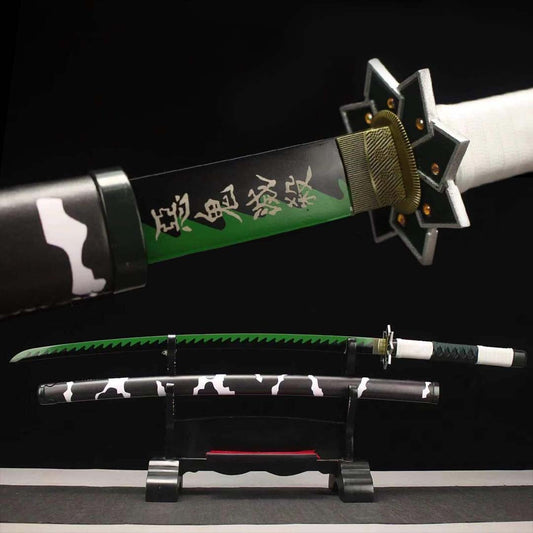
The morning sun glints off polished steel as you stand before your prized samurai sword collection. Each blade tells a story—of honor, craftsmanship, and the enduring legacy of the samurai. Whether displayed on your wall or wielded in practice, these legendary weapons connect modern collectors to centuries of Japanese tradition and the captivating worlds of anime heroes.

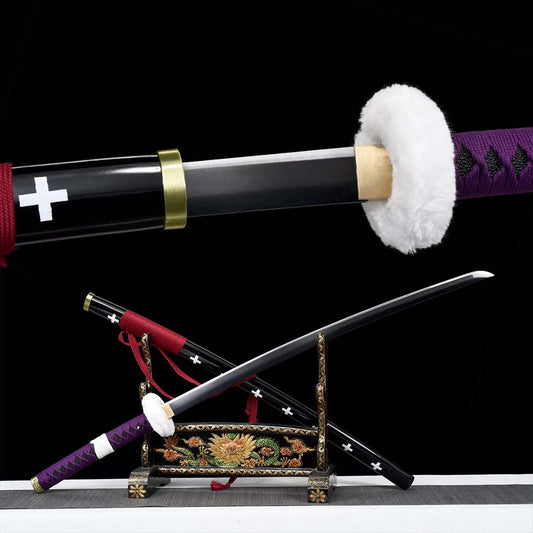
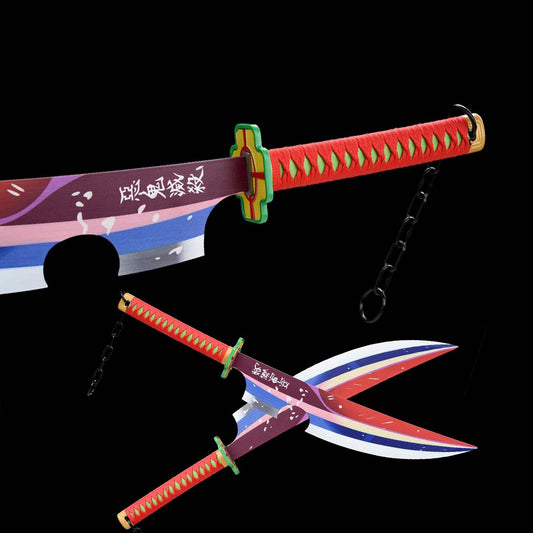
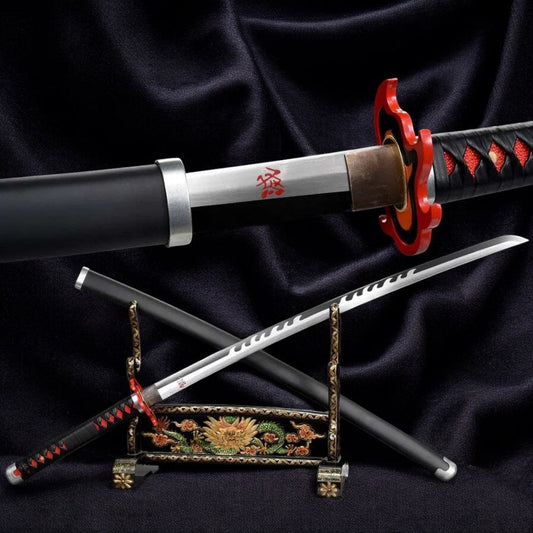
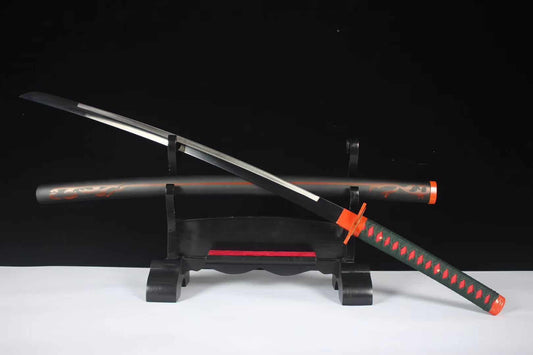
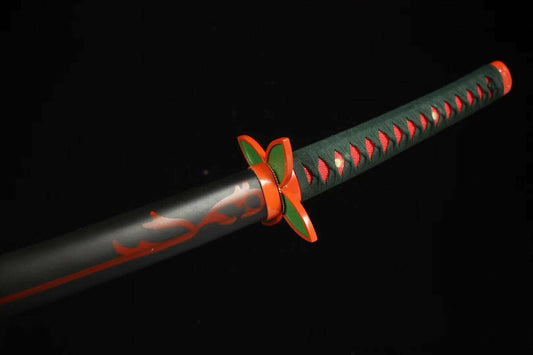
From the iconic blades of Demon Slayer to the masterfully forged replicas of Ghost of Tsushima, building a samurai sword collection has become a passion that bridges history with contemporary pop culture. Today's collectors seek more than decorative pieces; they desire authentic craftsmanship, premium materials, and blades that honor the artistry of ancient Japanese swordsmiths.

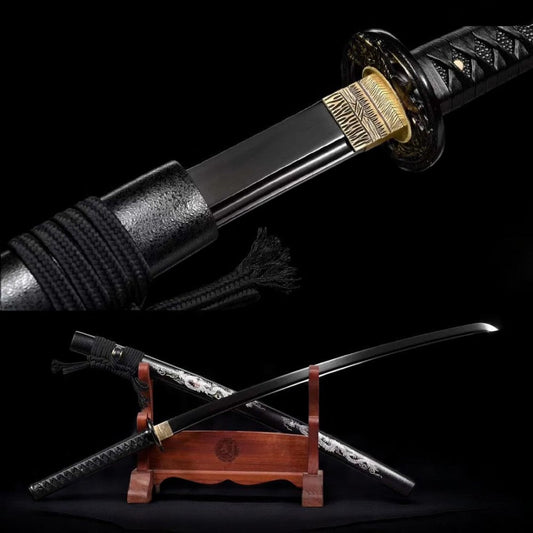
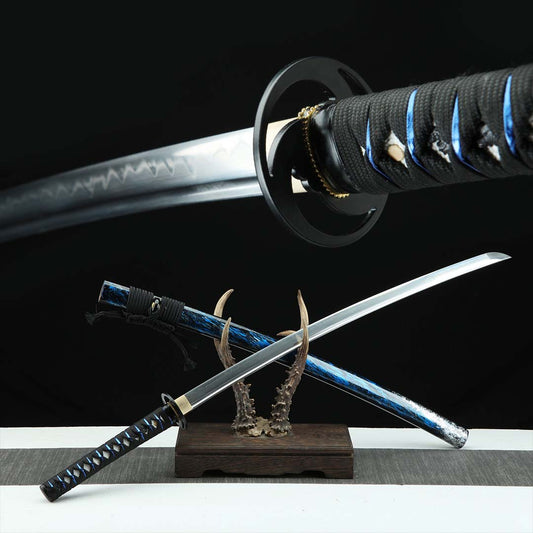
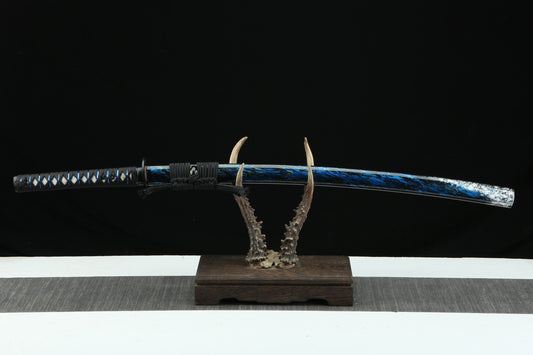
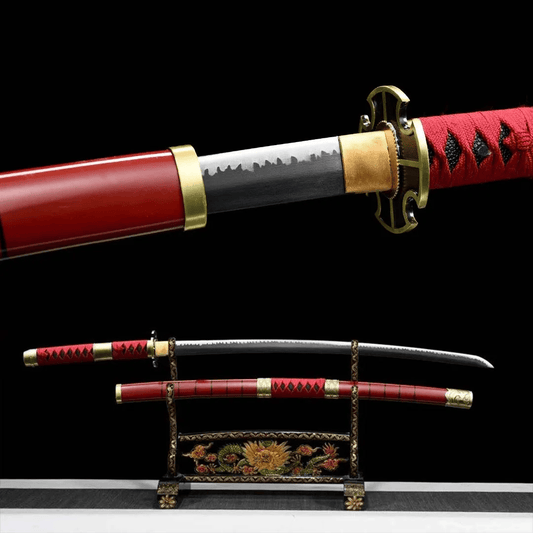
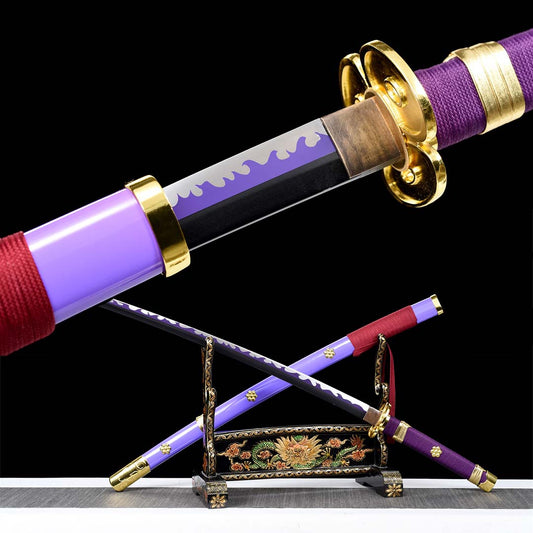
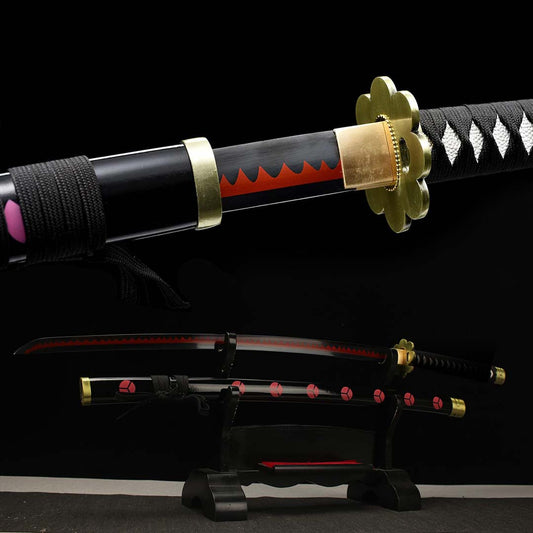
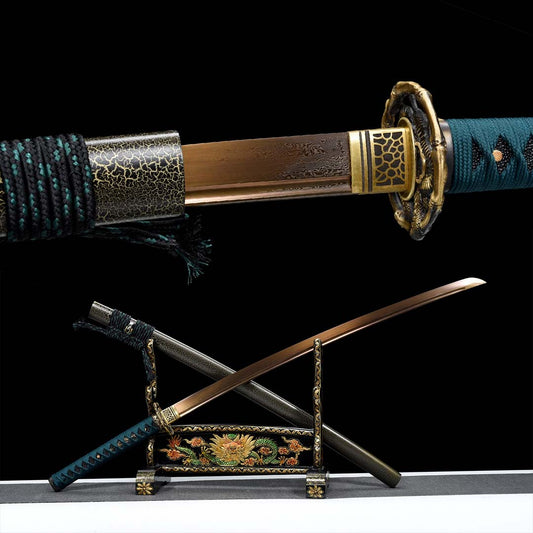
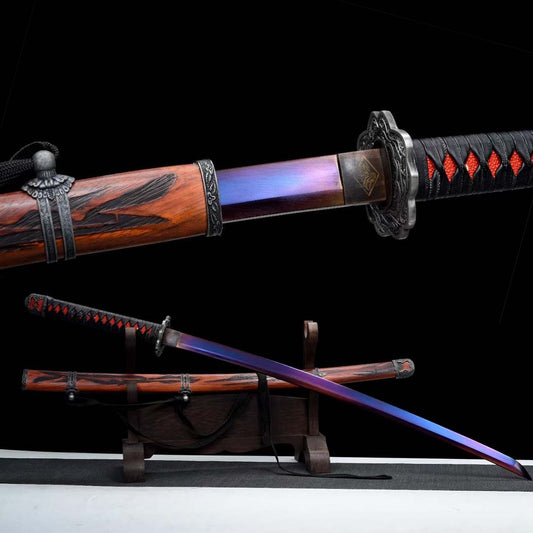
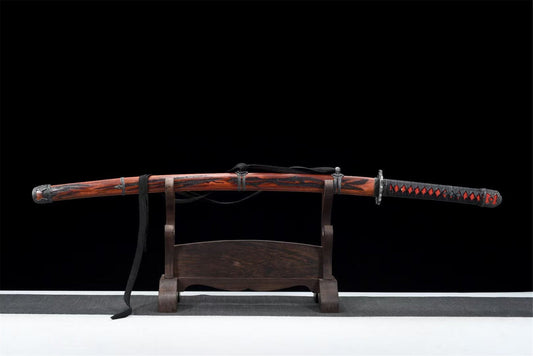
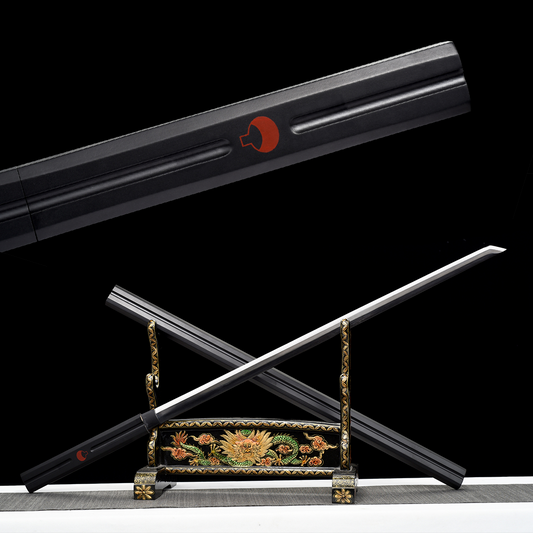
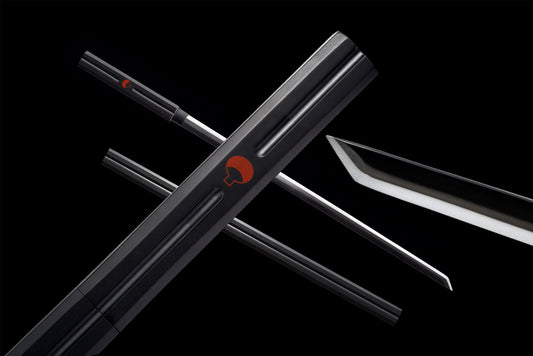
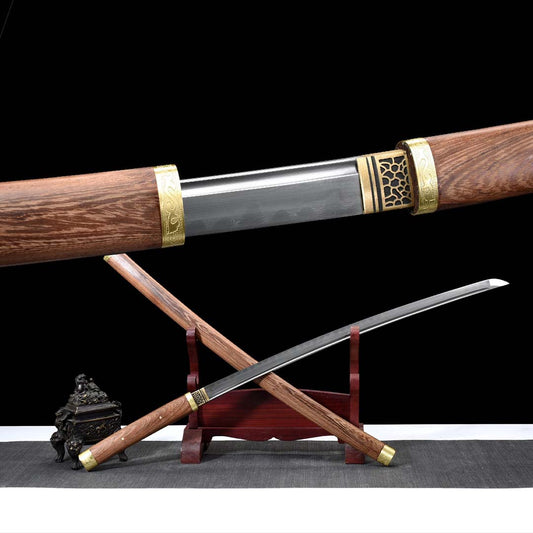
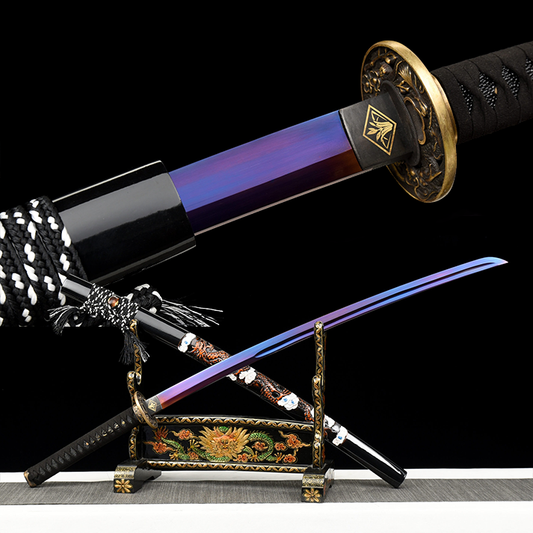
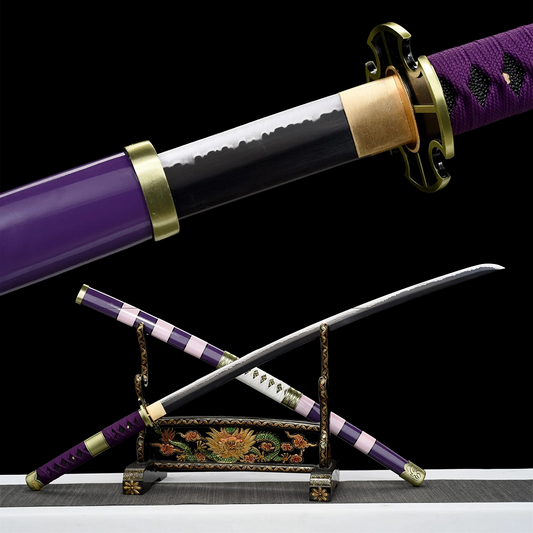
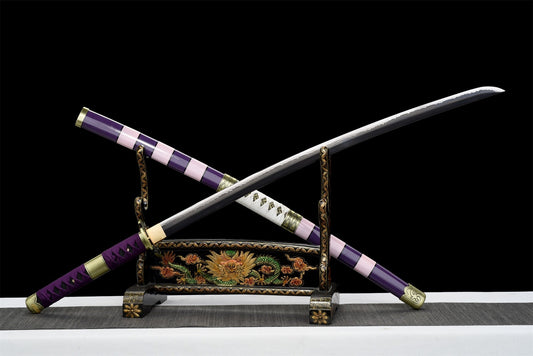
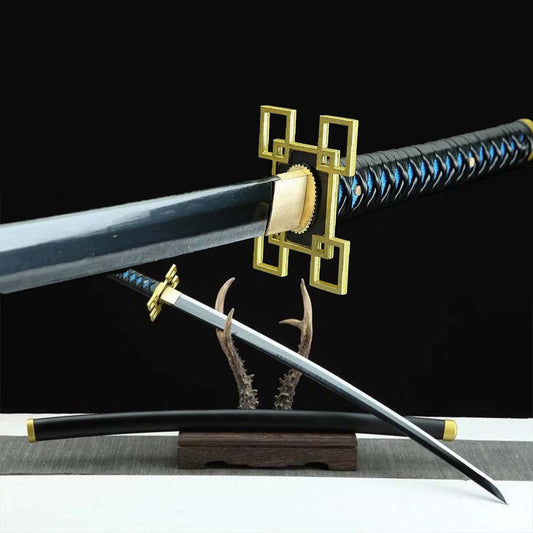
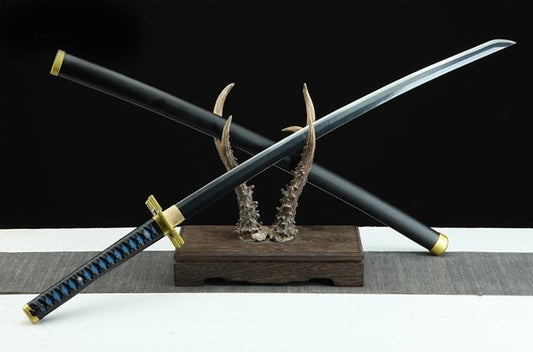
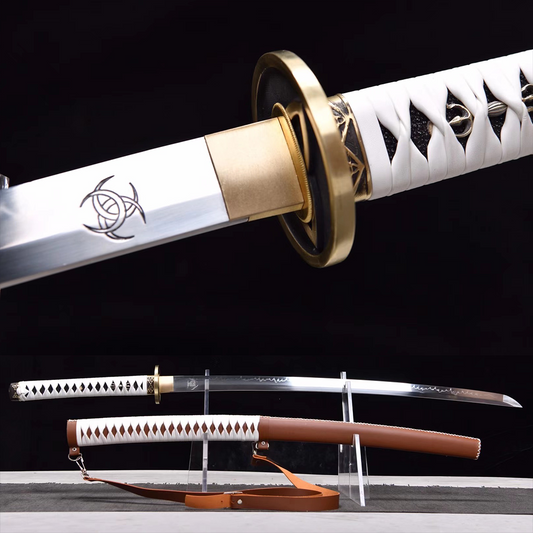
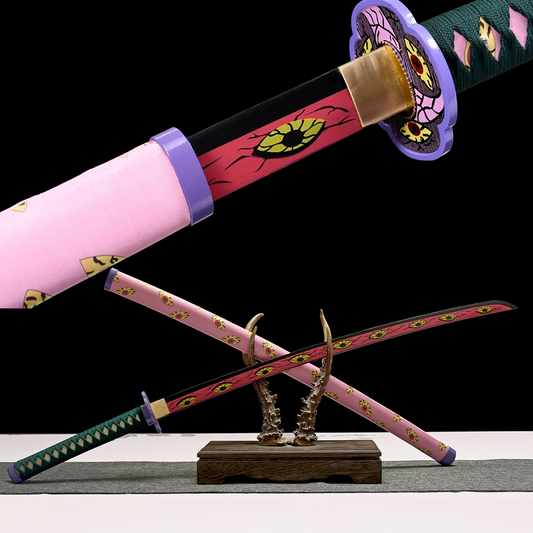
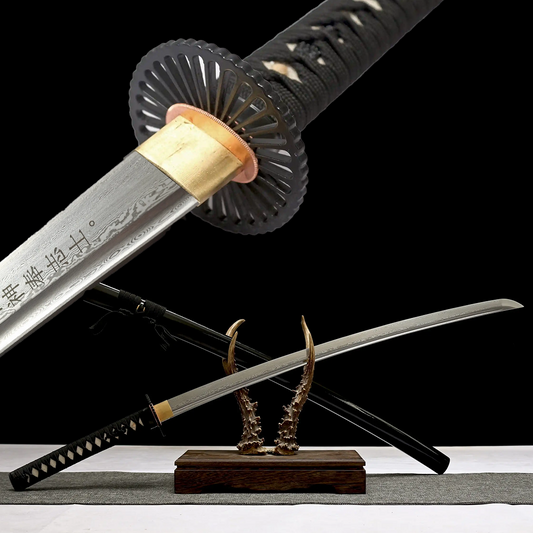
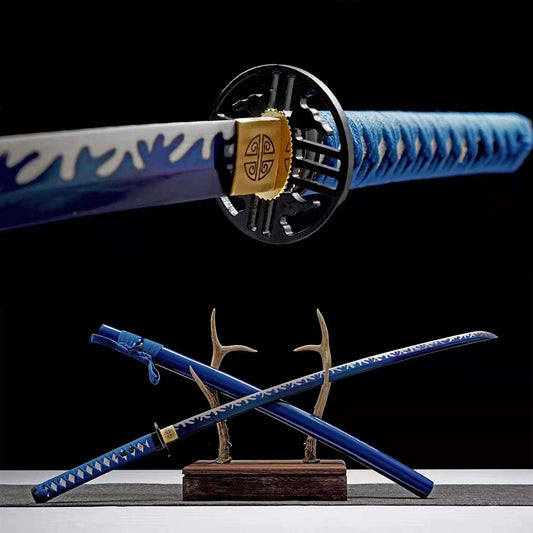
Collection of authentic katanas displayed on traditional wooden rack with morning sunlight

Table of Contents

  1. The Rich Heritage of Samurai Swords
  2. Legendary Blades and Their Wielders
  3. Authentic Craftsmanship and Materials
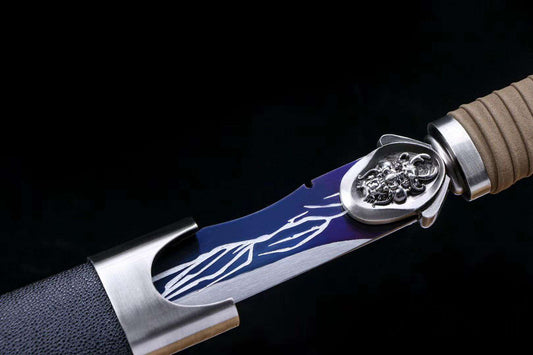
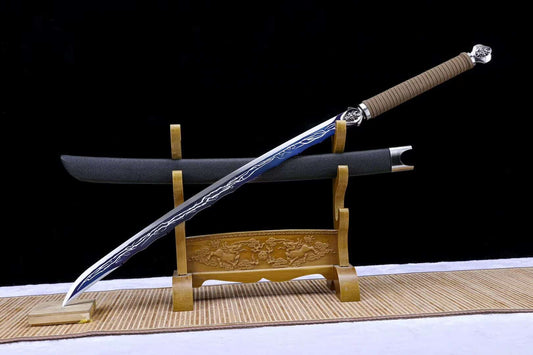
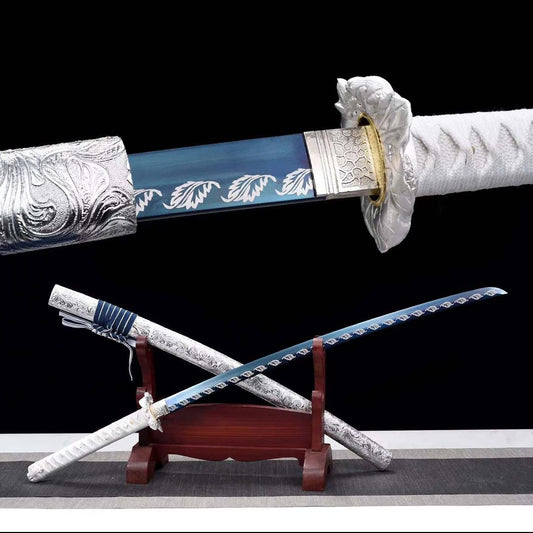
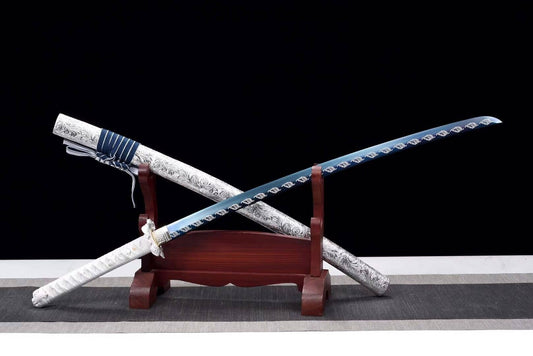
  4. Featured Collection: Premium Katanas
  5. Building Your Collection: A Collector's Guide
  6. Understanding Steel Types and Quality
  7. Why Choose Katana America
  8. Frequently Asked Questions

The Rich Heritage of Samurai Swords

The katana emerged during Japan's Kamakura period (1185-1333), evolving from earlier sword designs to become the soul of the samurai warrior. These curved, single-edged blades represented far more than weapons—they embodied the spiritual essence and honor code of their wielders. The Bushido philosophy taught that a samurai's sword was an extension of their spirit, deserving reverence and careful maintenance.

Master swordsmiths spent months forging each blade, folding steel hundreds of times to create the distinctive hamon (temper line) that modern collectors still admire today. The process required precise temperature control, timing, and spiritual dedication. Each sword was unique, bearing the maker's signature and reflecting their individual techniques passed down through generations.

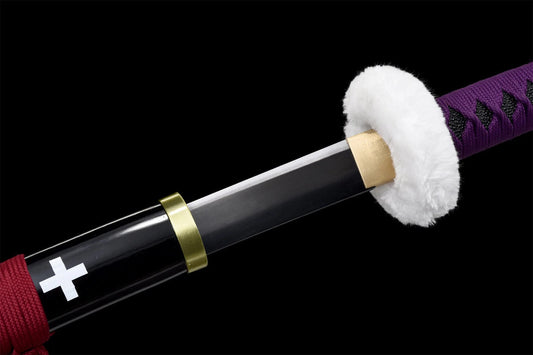
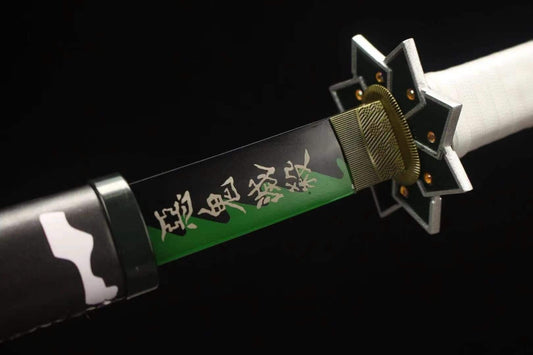
The influence of samurai culture extends far beyond historical Japan. Modern anime and manga have introduced new generations to the beauty and power of these legendary weapons. Series like Demon Slayer, One Piece, and Ghost of Tsushima have created iconic blade designs that honor traditional craftsmanship while appealing to contemporary collectors seeking a distinctive samurai sword collection. Our authentic katana collection celebrates both historical accuracy and modern interpretations.

The art of sword collecting has evolved to encompass both museum-quality historical pieces and expertly crafted replicas that capture the essence of fictional blades. Today's collectors appreciate the skill required to recreate famous anime swords while maintaining the traditional forging methods that made the original katana legendary.

Legendary Blades and Their Wielders

Throughout Japanese history and modern fiction, certain swords have achieved legendary status, their names echoing through time. The mythical Kusanagi-no-Tsurugi, one of Japan's three imperial regalia, represents divine authority and spiritual power. Historical blades like Masamune's works are treasured for their unparalleled craftsmanship and cutting ability.

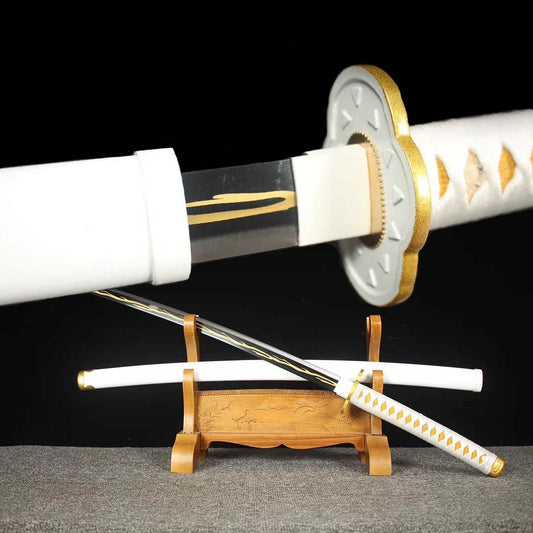
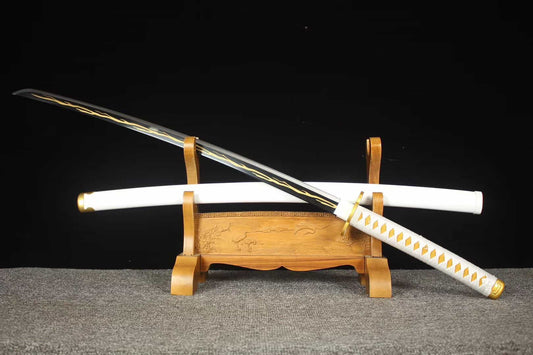
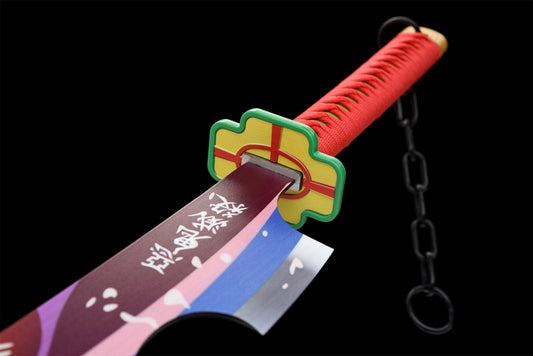
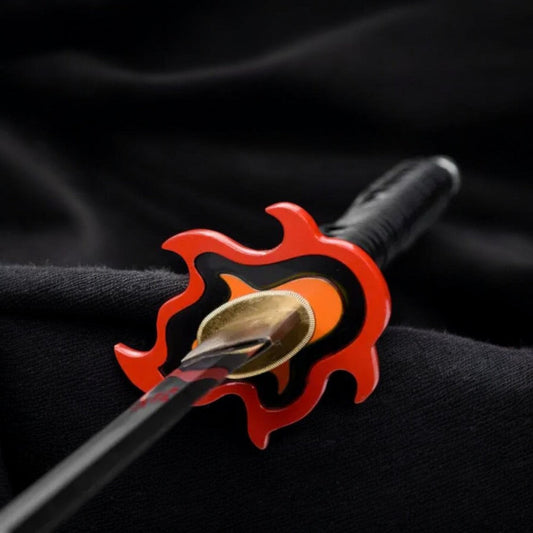
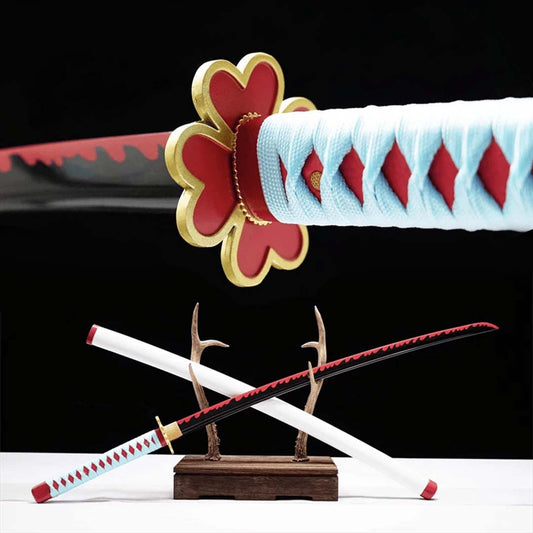
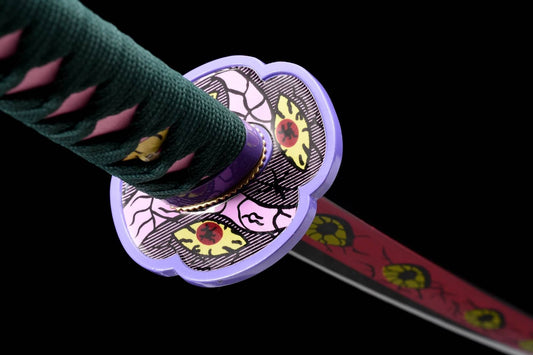
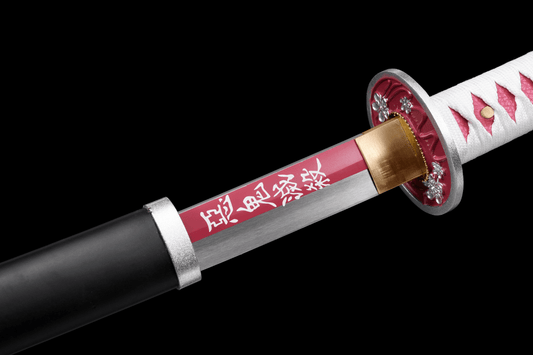
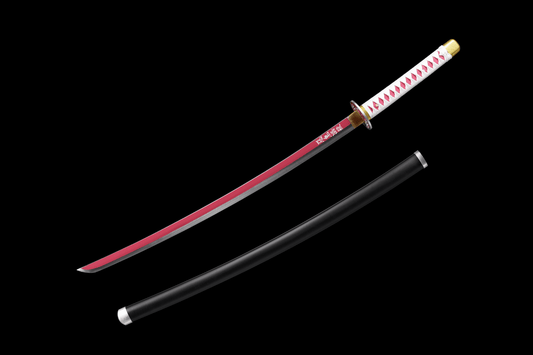
In contemporary anime, fictional katanas have captured imaginations worldwide. Tanjiro Kamado's black-bladed Nichirin sword from Demon Slayer symbolizes his determination to protect humanity from demons. Each Demon Slayer's blade reflects their breathing technique and personality—water breathing creates flowing, wave-like patterns, while flame breathing produces fiery red steel.

Jin Sakai's katana from Ghost of Tsushima represents the evolution of samurai honor, adapting ancient traditions to face new challenges. The game's attention to authentic sword details, from the curvature to the wrapping techniques, demonstrates how modern media can honor traditional craftsmanship while creating compelling new stories.

The appeal of these legendary blades lies in their symbolism and the stories they represent. Collectors are drawn not just to the physical beauty of the swords, but to the values they embody—courage, honor, perseverance, and the pursuit of mastery. Our anime katana collection features carefully crafted replicas that capture both the visual appeal and spiritual significance of these iconic weapons.

Each blade in a collector's arsenal tells its own tale, whether inspired by historical legends or modern heroes. The craftsmanship required to recreate these swords demands the same attention to detail and respect for tradition that the original swordsmiths possessed.

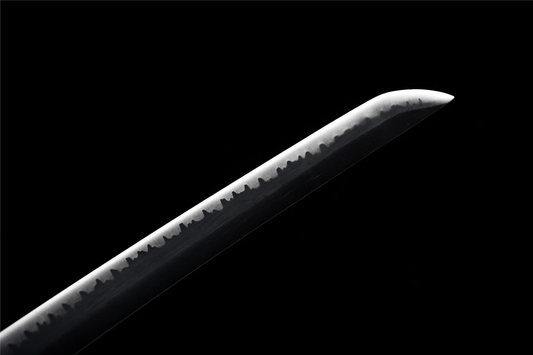
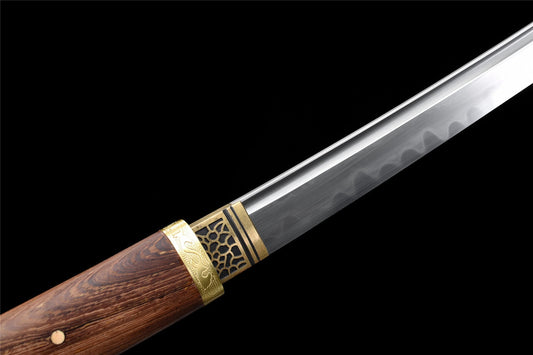
Close-up detail of wave-inspired hamon temper line on polished carbon steel blade

Authentic Craftsmanship and Materials

True katana craftsmanship begins with understanding the metallurgy and techniques that made Japanese swords legendary. Traditional forging methods involve folding and hammering carbon steel repeatedly, eliminating impurities while creating the distinctive grain patterns visible in finished blades. Modern craftsmen honor these ancient techniques while incorporating contemporary quality control methods.

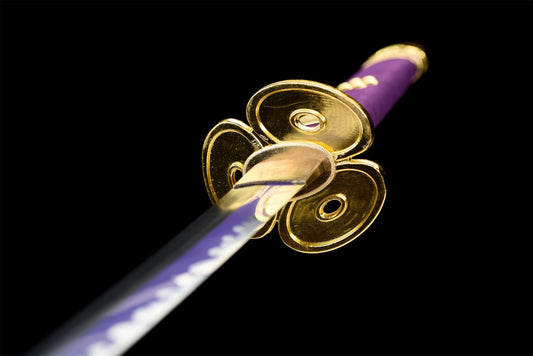
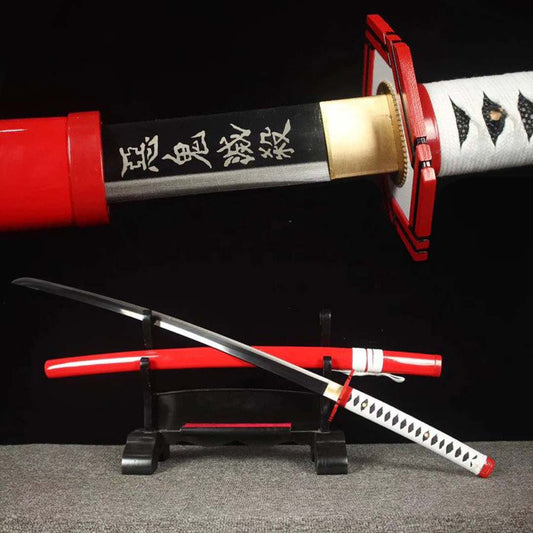
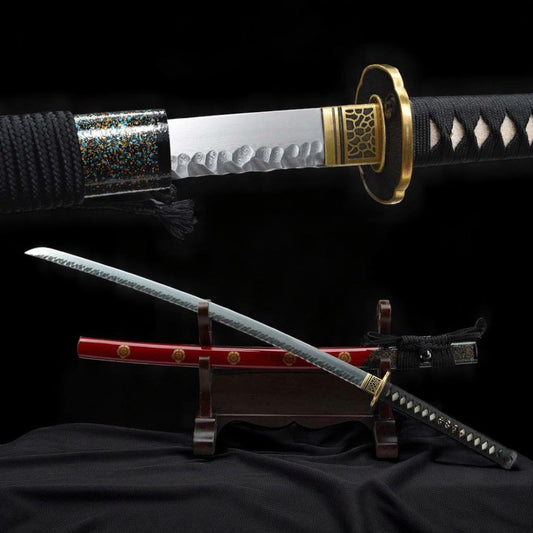
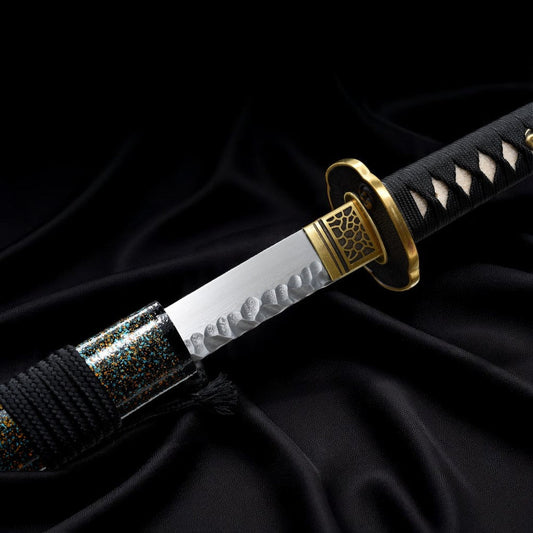
The hamon, or temper line, serves as both a functional element and artistic signature. Created through differential hardening, this wavy pattern along the blade's edge indicates proper heat treatment and contributes to the sword's cutting ability. Authentic reproductions maintain this traditional feature, demonstrating the maker's commitment to historical accuracy.

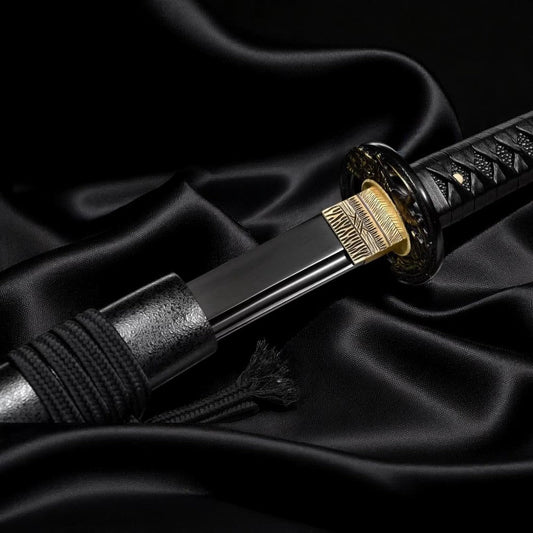
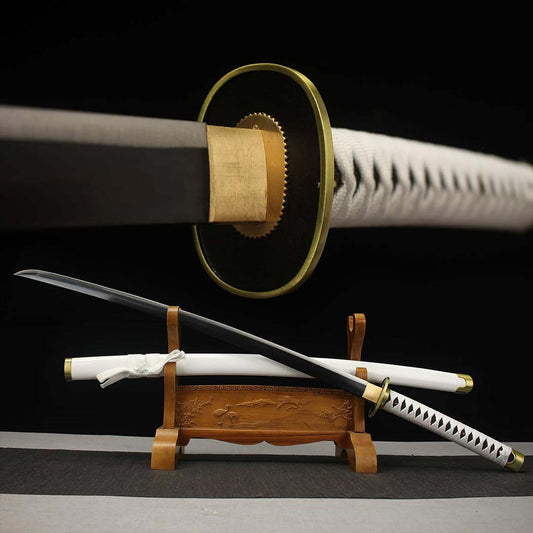
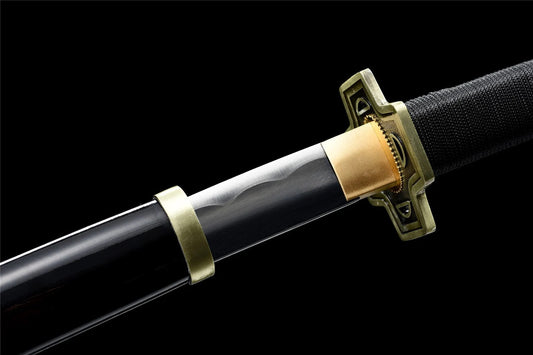
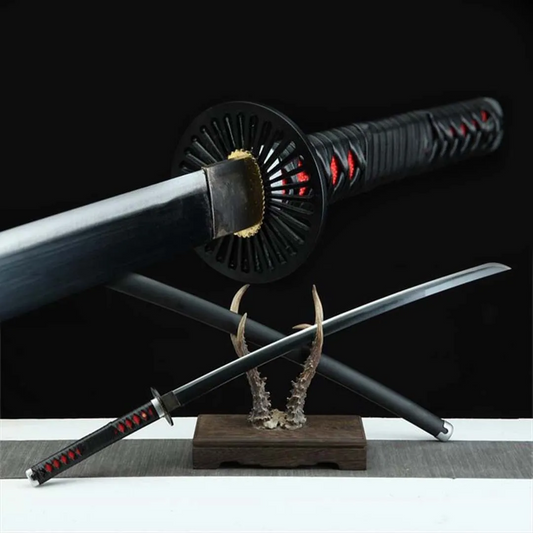
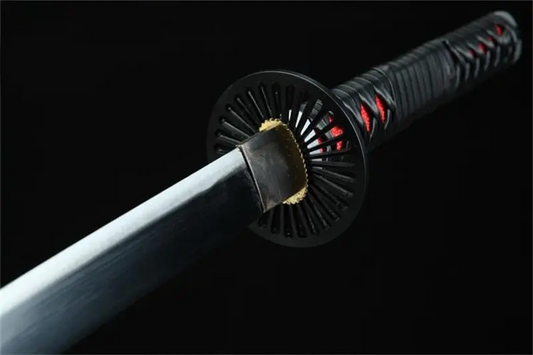
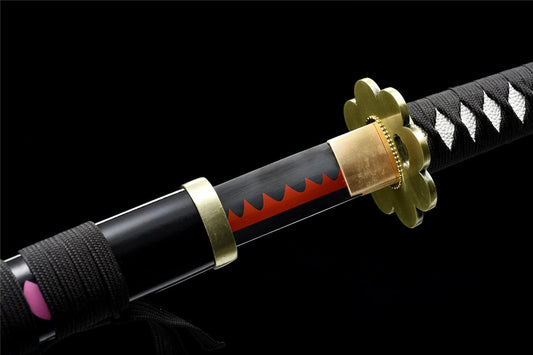
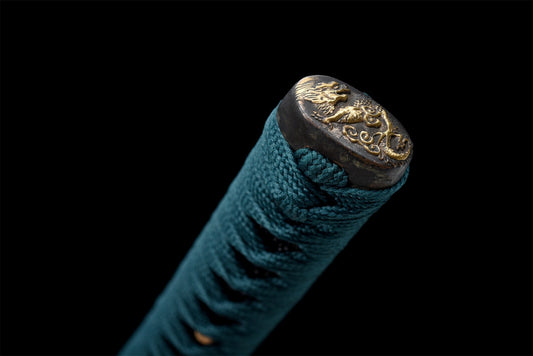
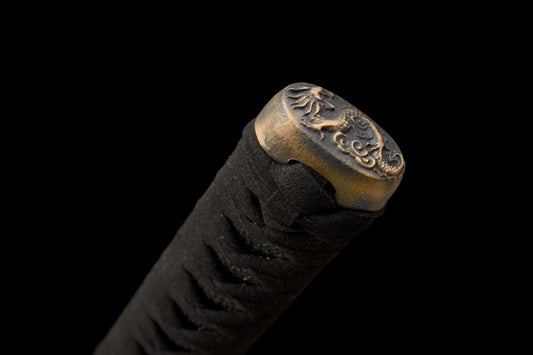
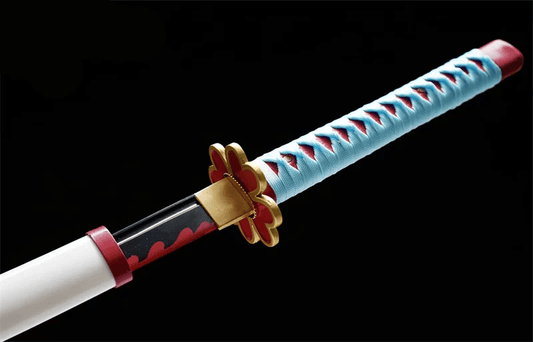
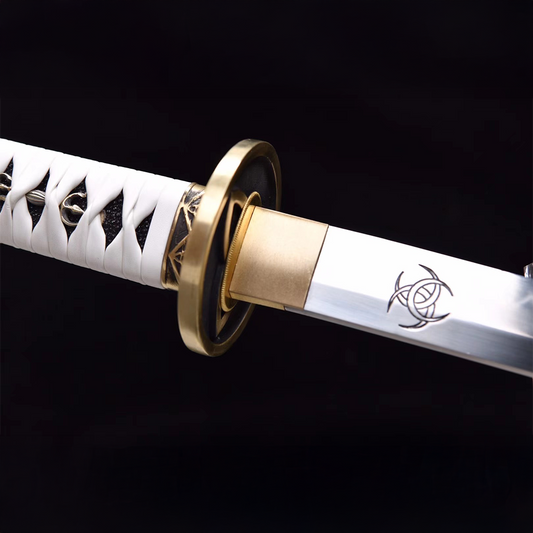
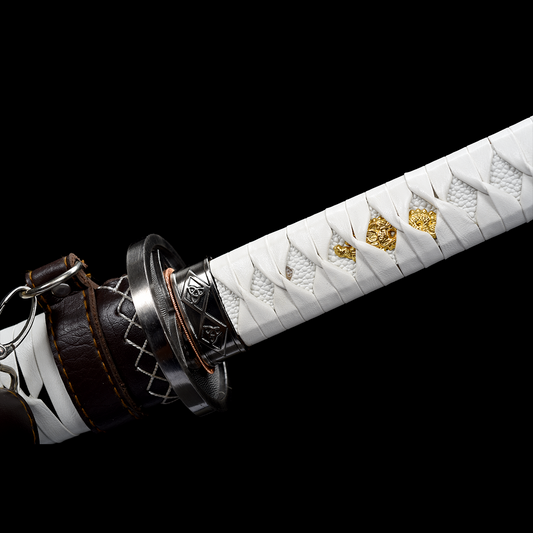
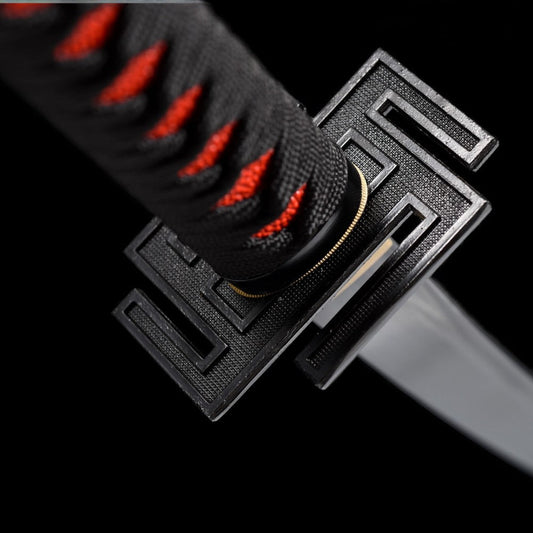
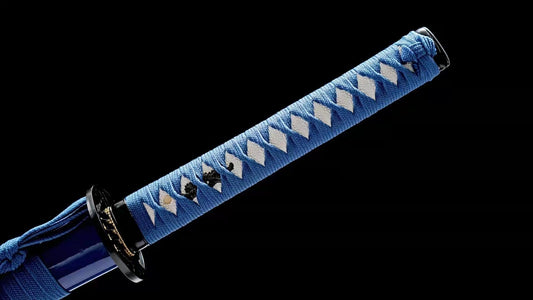
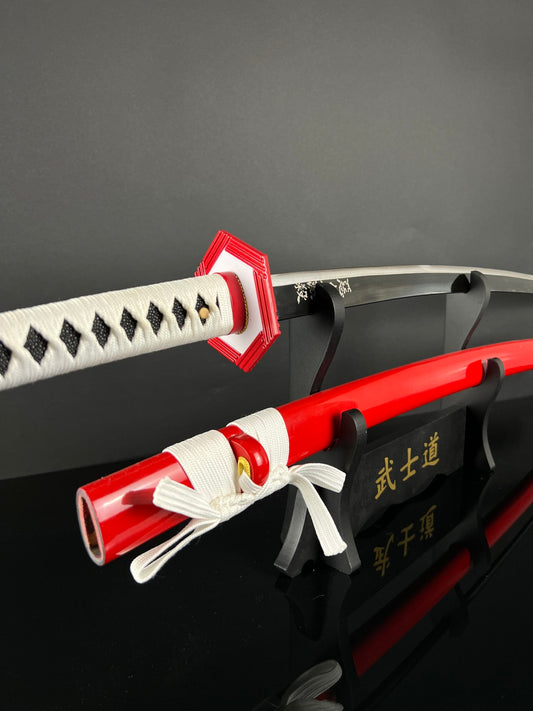
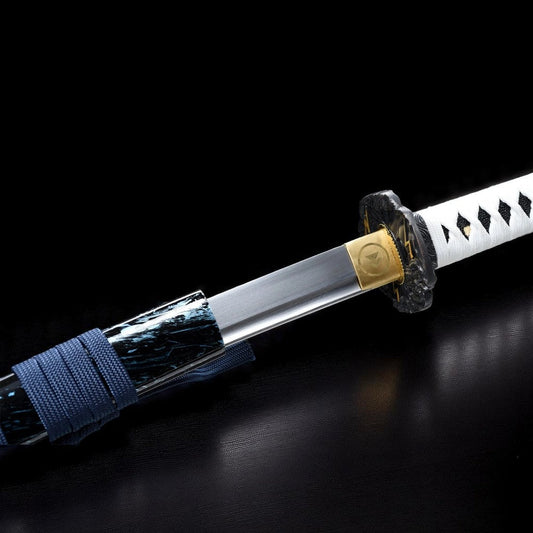
Handle construction reveals another layer of craftsmanship excellence. Genuine rayskin (samegawa) wrapped with silk or cotton cord provides both grip security and visual appeal. The traditional diamond wrapping pattern (tsuka-maki) requires precise technique to ensure proper spacing and tension. Quality fittings, including the guard (tsuba) and ornamental elements, complete the authentic aesthetic.

Japanese swordsmithing techniques have influenced modern blade production, emphasizing the importance of proper steel selection, heat treatment, and finishing processes. Today's premium katanas utilize high-carbon steels like 1060 and 1095, which offer excellent hardness and edge retention when properly treated.
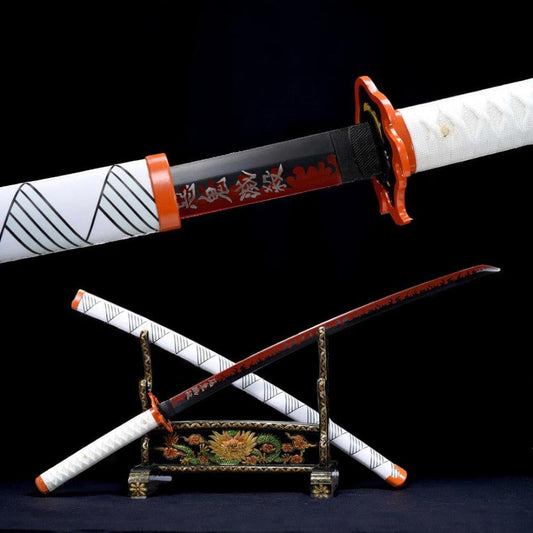
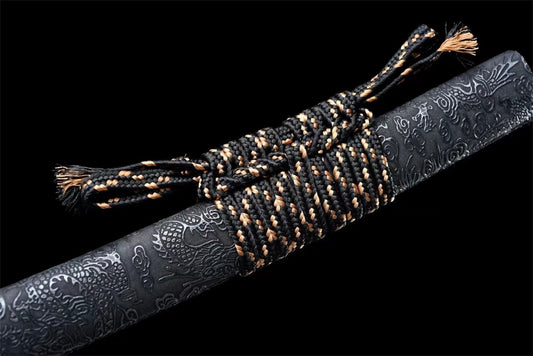
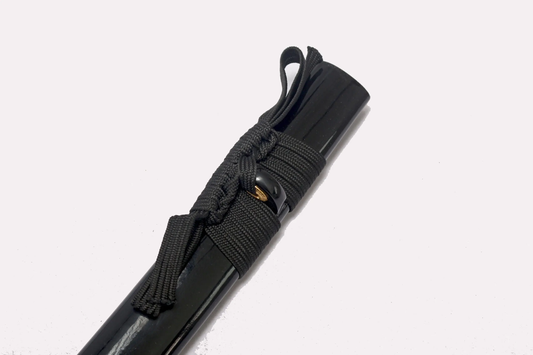
The attention to detail in authentic katana construction extends to every component. From the wooden scabbard (saya) to the decorative menuki beneath the handle wrapping, each element contributes to the sword's overall balance, functionality, and aesthetic appeal. Collectors appreciate these subtle details that distinguish quality reproductions from mass-produced imitations.

Building Your Collection: A Collector's Guide

Starting a samurai sword collection requires careful consideration of your interests, display space, and budget. Successful collectors often begin with a single blade that holds personal significance—perhaps inspired by a favorite anime character or historical period. This initial purchase helps establish quality standards and preferences for future acquisitions in your growing samurai sword collection.

Consider the balance between display pieces and functional swords. Some collectors prefer museum-quality replicas designed primarily for visual appeal, while others seek entry level katanas suitable for cutting practice or martial arts training. Understanding your primary use helps guide steel selection and feature priorities.

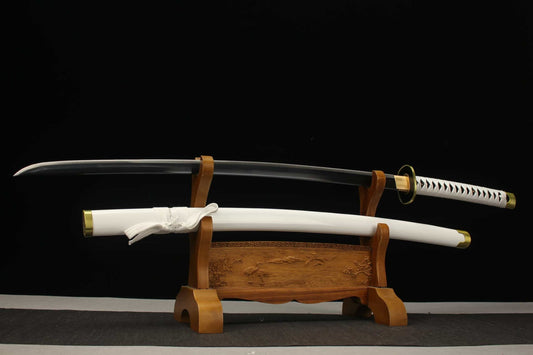
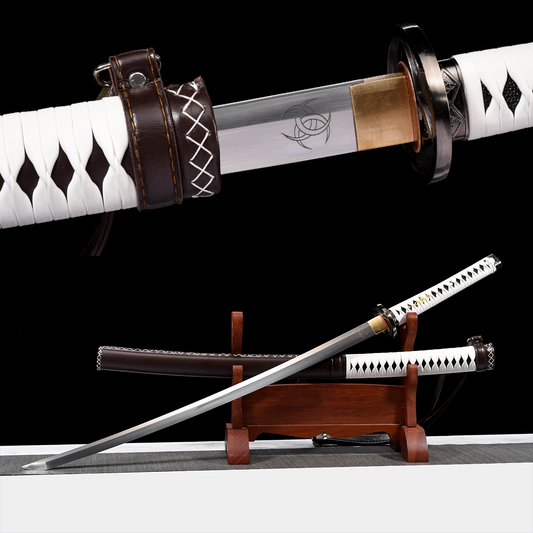
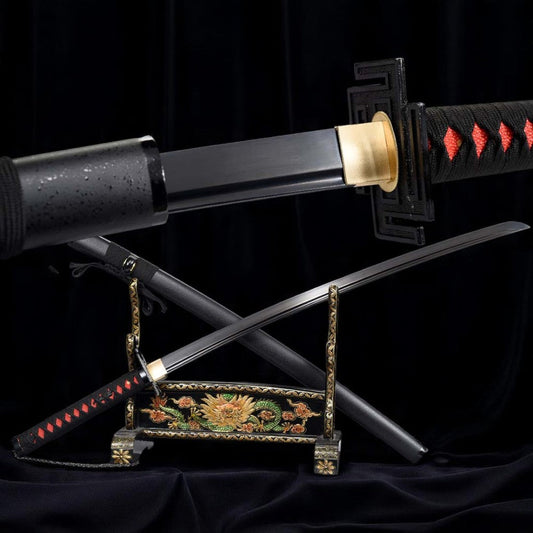
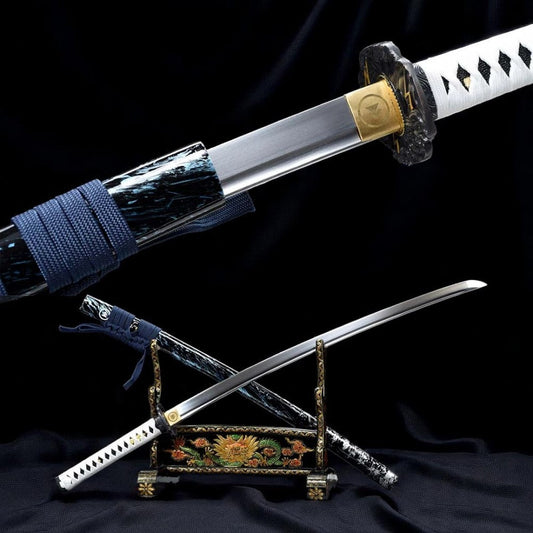
Storage and display considerations significantly impact collection enjoyment. Traditional katana stands showcase individual blades beautifully, while wall mounts save space for larger collections. Our katana accessories collection offers various display options to enhance your swords' presentation while protecting them from environmental damage.

Research the historical or fictional significance of potential additions. Understanding the stories behind each blade deepens appreciation and helps identify authentic details versus generic interpretations. For those interested in traditional designs, our guide to Katana History: Ancient Samurai Sword Legacy & Craftsmanship provides valuable background information.

Budget planning allows for steady collection growth without overextending finances. Mid range katanas offer excellent quality improvements over entry-level pieces, while high end collections feature premium materials and exceptional craftsmanship. Establishing a acquisition timeline helps prioritize desired pieces and avoid impulsive purchases that could compromise your samurai sword collection's overall quality.

Networking with other collectors through forums, conventions, or local groups provides valuable insights and trading opportunities. Experienced collectors often share maintenance tips, display ideas, and information about upcoming releases or limited editions.

Understanding Steel Types and Quality

The foundation of any quality katana lies in its steel composition and heat treatment. Modern sword makers primarily use three carbon steel grades, each offering distinct characteristics that affect performance, maintenance, and cost.

1060 carbon steel contains approximately 0.60% carbon, providing excellent flexibility and shock resistance. This steel type maintains sharp edges well while remaining relatively easy to maintain. The moderate carbon content makes 1060 ideal for beginning collectors or those seeking durable practice weapons.
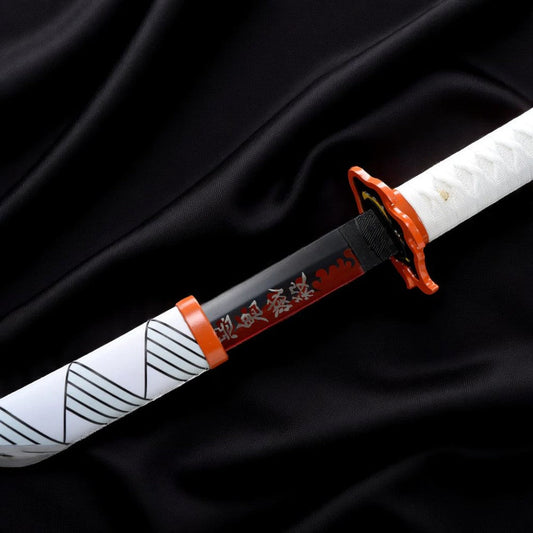
1095 carbon steel contains 0.95% carbon, resulting in superior hardness and edge retention. This higher carbon content allows for extremely sharp edges but requires more careful maintenance to prevent rust. Advanced collectors often prefer 1095 for its cutting performance and professional appearance.

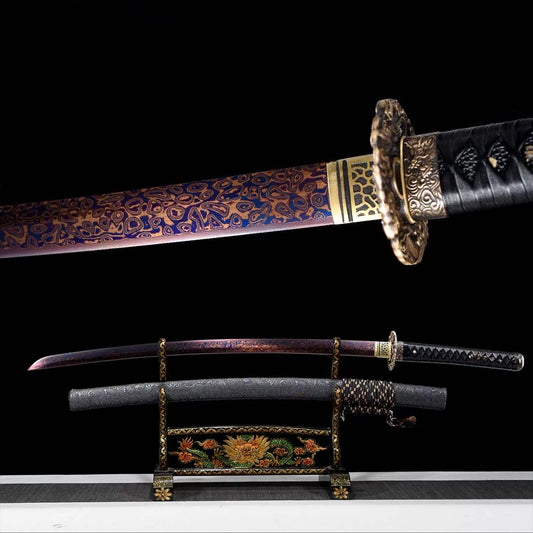
Damascus steel represents the pinnacle of traditional forging artistry, featuring multiple steel types folded together to create distinctive patterns. While historically significant, modern Damascus serves primarily aesthetic purposes, offering beautiful grain patterns that highlight the maker's skill. The layered construction provides excellent strength characteristics.

Heat treatment processes significantly impact steel performance regardless of carbon content. Proper differential hardening creates the distinctive hamon temper line while ensuring optimal blade geometry. Quality swords undergo multiple heating and cooling cycles to achieve the perfect balance of hardness and flexibility.

Edge geometry affects cutting performance as much as steel quality. Traditional katana feature a complex cross-section that transitions from thick spine to thin edge, distributing stress effectively while maintaining cutting ability. Authentic reproductions maintain these proportions to preserve the katana's legendary performance characteristics.

Understanding these technical aspects helps collectors make informed decisions and appreciate the craftsmanship invested in each blade. The combination of proper steel selection, heat treatment, and geometry separates authentic katanas from decorative wall hangers.

Why Choose Katana America

As an American company, Katana America understands the unique needs of collectors in the United States. Our commitment to customer service ensures that every purchase receives personal attention from knowledgeable staff who share your passion for authentic Japanese swords.

Payment in US dollars eliminates currency conversion concerns and international transaction fees. Our streamlined ordering process accepts all major credit cards and payment methods familiar to American customers. No import fees or customs delays complicate your purchase experience.

Our customer service team provides expert guidance for collectors at every level. Whether you're selecting your first katana or adding a centerpiece to an extensive samurai sword collection, personalized recommendations based on your interests and requirements. Technical questions about steel types, maintenance, or display options receive detailed answers from experienced professionals.

Quality assurance standards exceed industry norms, with each sword undergoing thorough inspection before shipment. Our relationships with skilled craftsmen ensure consistent manufacturing standards and attention to detail. Any quality concerns receive immediate attention and resolution.

The extensive product range accommodates diverse collecting interests, from anime-inspired replicas to traditional historical designs. Regular new releases keep pace with popular culture trends while maintaining our commitment to authenticity and craftsmanship excellence.

Educational resources help collectors develop their knowledge and appreciation of katana history, maintenance, and display techniques. Our blog articles, care guides, and collecting tips support your journey from beginner to expert collector.

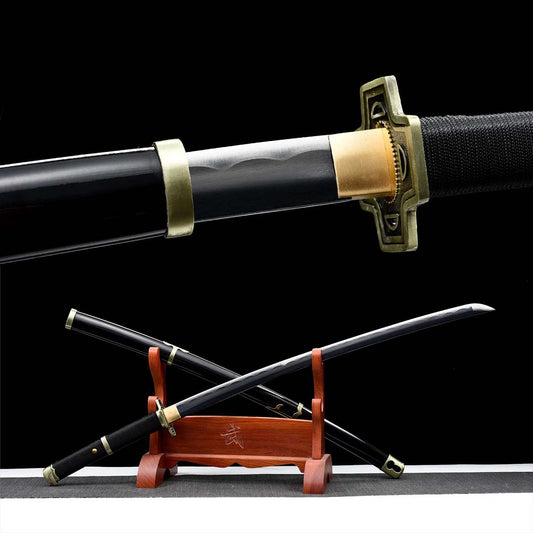
Professional katana display setup showing multiple swords on stands with ambient lighting

Frequently Asked Questions

Q: How can I verify the authenticity and quality of katanas in a samurai sword collection?

Authentic katana quality assessment focuses on several key indicators. First, examine the blade construction—genuine katanas feature full-tang construction where the steel extends completely through the handle. Check for a visible hamon (temper line) along the edge, which indicates proper differential hardening. Quality steel should show consistent grain patterns without obvious flaws or inclusions. Handle construction matters significantly; authentic wrapping uses real rayskin under silk or cotton cord in traditional diamond patterns. The fittings should be properly fitted without gaps or loose components. Weight and balance provide additional clues—authentic katanas feel substantial but balanced, typically weighing 2-4 pounds with the balance point near the guard. Documentation from reputable dealers, including certificates of authenticity and material specifications, helps verify quality claims. Avoid swords with obviously modern machine marks, plastic components, or unrealistic pricing that suggests mass production rather than careful craftsmanship.

Q: What materials and steel types should I look for when building a samurai sword collection?

Carbon steel represents the gold standard for katana construction, with 1060 and 1095 grades being most common. 1060 carbon steel (0.60% carbon content) offers excellent durability and flexibility, making it ideal for collectors who plan to handle their swords regularly. 1095 carbon steel (0.95% carbon content) provides superior edge retention and hardness but requires more careful maintenance. Damascus steel, featuring folded layers creating distinctive patterns, combines aesthetic appeal with functional strength. Avoid stainless steel katanas, which lack the authentic feel and performance of carbon steel. Handle materials should include genuine rayskin (samegawa) wrapping covered with silk or high-quality cotton cord. Traditional wood species like magnolia or oak work best for scabbards, while brass, iron, or properly treated steel provide appropriate fittings. Quality katanas use traditional joinery techniques rather than modern adhesives or shortcuts. The blade should show proper heat treatment evidence through color variation and visible hamon lines. Avoid swords advertising "surgical steel" or other marketing terms that don't reflect traditional materials.

Q: What size and dimensions work best for displaying and handling samurai swords?

Traditional katana dimensions provide optimal balance between display impact and practical handling. Blade lengths typically range from 28-32 inches, with 30 inches being most common and providing excellent visual proportion. Total sword length including handle usually measures 40-44 inches. The handle (tsuka) should measure 10-12 inches, allowing proper two-handed grip while maintaining balance. Curvature (sori) typically ranges from 0.5-0.8 inches, creating the distinctive katana profile without compromising structural integrity. Blade width at the base should measure approximately 1.2-1.4 inches, tapering to the point while maintaining cutting geometry. For display purposes, ensure your wall mounts or stands accommodate these dimensions with appropriate clearance. Consider ceiling height and room layout when planning displays—vertical wall mounts require at least 5 feet of clear space. Horizontal stands work well for limited spaces but need adequate table or shelf depth. Weight distribution affects handling significantly; properly balanced katanas feel lighter than their actual weight due to optimal center of balance placement.

Q: How do I properly care for and maintain katanas in my collection?

Proper katana maintenance preserves both functionality and appearance for generations. Begin with a dedicated maintenance kit including choji oil (or appropriate substitutes), polishing powder (uchiko), cotton cloths, and cleaning paper. Never touch the blade directly with bare hands, as skin oils cause corrosion. After handling, clean the blade thoroughly with a lint-free cloth, working from spine to edge in smooth strokes. Apply a thin coat of protective oil, ensuring complete coverage while avoiding excess that attracts dust. Store katanas in a dry environment with stable temperature and humidity—basements and attics typically provide poor storage conditions. Use silica gel packets in display cases to control moisture. Inspect regularly for signs of rust, pitting, or edge damage. Minor surface oxidation can be addressed with gentle cleaning, but significant rust or blade damage requires professional restoration. For detailed maintenance procedures, consult our Authentic Katana Care: A Samurai's Guide to Blade Maintenance. Avoid common mistakes like using household cleaners, steel wool, or power tools on the blade. Traditional maintenance methods preserve the sword's integrity and value over time.

Q: What display options work best for showcasing a samurai sword collection?

Effective katana display combines visual impact with practical considerations for access and protection. Traditional sword stands (katana-kake) hold individual swords horizontally, showcasing the blade's curve and handle details. Wall mounts save space while creating dramatic focal points—ensure proper weight support and secure mounting to prevent accidents. Display cases protect valuable pieces from dust, humidity, and unauthorized handling while maintaining visibility. Lighting enhances the viewing experience; LED strips provide even illumination without heat damage, while spotlights create dramatic effects for featured pieces. Group displays work well for themed collections—arrange anime swords by series or historical pieces by period. Consider the viewing angle when positioning displays; eye-level placement provides optimal appreciation of craftsmanship details. Rotation schedules prevent prolonged light exposure that could fade handle wrapping or affect finishes. Create information cards listing each sword's specifications, historical significance, or character inspiration. Security considerations include locked display cases for valuable pieces and discrete mounting that doesn't advertise your samurai sword collection to casual observers. Professional appraisal documentation should be stored separately from the displayed swords for insurance purposes.

Q: Are samurai swords legal to own in Canada, and what restrictions should collectors know?

Canadian law generally permits samurai sword ownership for legitimate collecting, martial arts, or historical purposes, but several important restrictions apply. Katanas fall under the Criminal Code's weapon regulations, requiring owners to demonstrate legitimate purpose for possession. Collecting, martial arts training, and historical interest constitute valid reasons for ownership. Transportation requires secure packaging in locked cases, with blades and handles stored separately when possible. Never transport katanas in vehicles where they're easily accessible to passengers. Municipal bylaws may impose additional restrictions—check local regulations before purchasing or displaying swords publicly. Some provinces require registration or permits for certain blade lengths or types. Public carry is strictly prohibited except for direct transport to legitimate activities like martial arts classes or demonstrations. Sales must comply with federal and provincial regulations; reputable dealers understand these requirements and provide appropriate documentation. Storage should prioritize security and prevent unauthorized access, especially in households with minors. Insurance coverage may require special riders for valuable collections, and some policies exclude weapons entirely. For current legal information, consult the Royal Canadian Mounted Police website or local law enforcement agencies, as regulations can change and interpretation varies by jurisdiction.

Traditional Japanese katana display wall with multiple swords and informational plaques

Conclusion

Building a samurai sword collection transcends mere acquisition—it's a journey into Japanese culture, artistic craftsmanship, and personal expression. Whether drawn to the legendary blades of anime heroes or the timeless elegance of traditional designs, each katana in your collection represents a connection to centuries of martial tradition and artistic excellence.

The swords we've explored today—from Tanjiro's determined black blade to Jin Sakai's honor-bound katana—demonstrate how modern craftsmen continue honoring ancient techniques while creating pieces that resonate with contemporary collectors. Quality construction using authentic materials ensures these blades will provide years of enjoyment and appreciation in your samurai sword collection.

Start your collection with a single piece that speaks to your interests and passions. Visit our custom katana collection to explore personalization options, or browse our complete authentic katana selection to find the perfect addition to your growing collection. Each sword tells a story—let yours begin today.

Your samurai sword collection awaits, ready to honor both the ancient way of the warrior and your modern appreciation for legendary craftsmanship. The path of the collector, like that of the samurai, requires dedication, knowledge, and respect for tradition. Begin this rewarding journey with confidence, knowing that each carefully chosen blade brings you closer to understanding the soul of the katana.

See the craft for yourself. Browse our hand-forged katana swords, forged in the Japanese tradition. Free U.S. shipping, 4.8/5 rated.

Back to blog