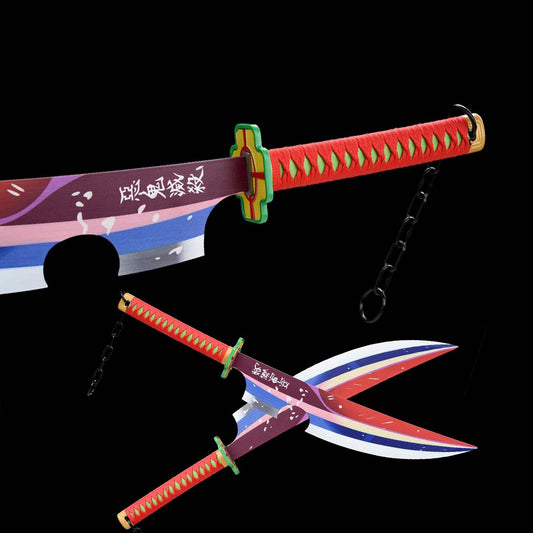
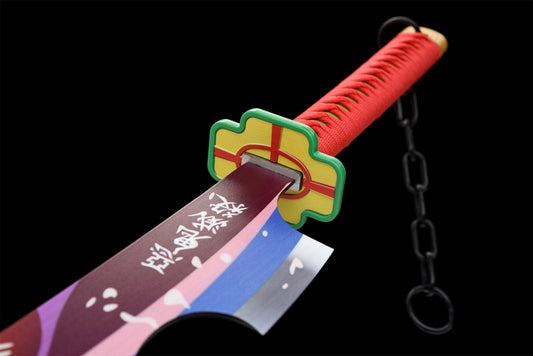
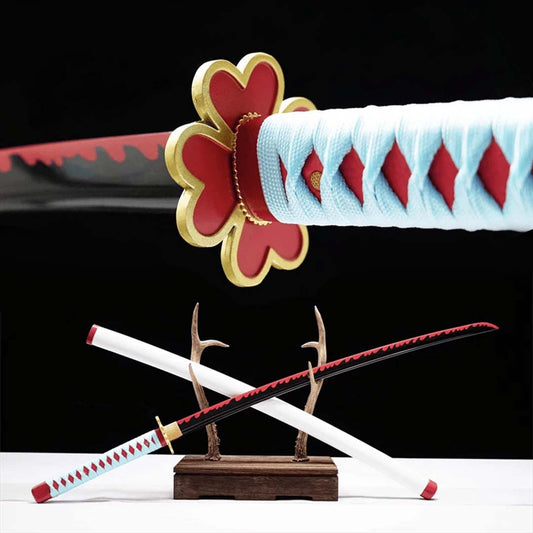
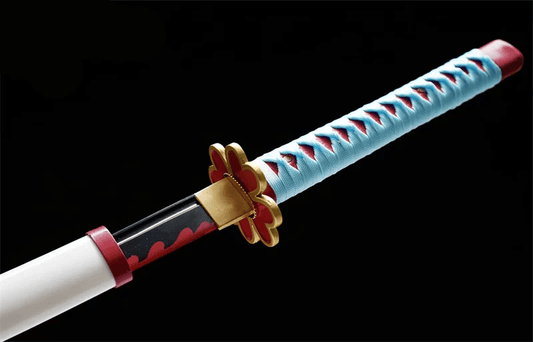
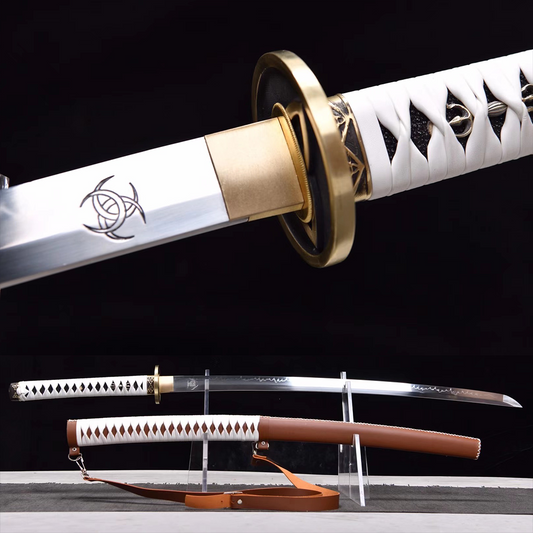
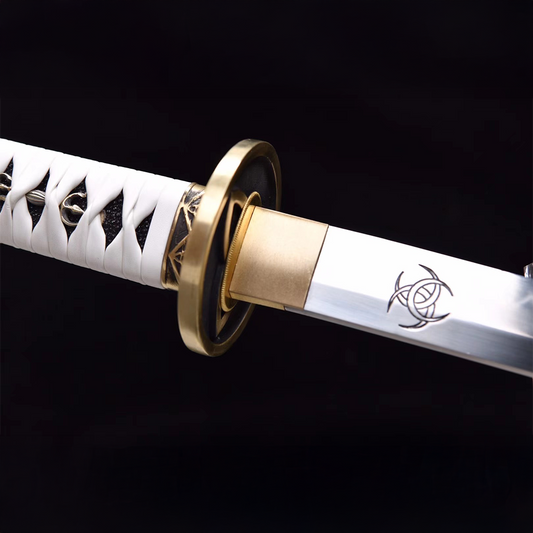
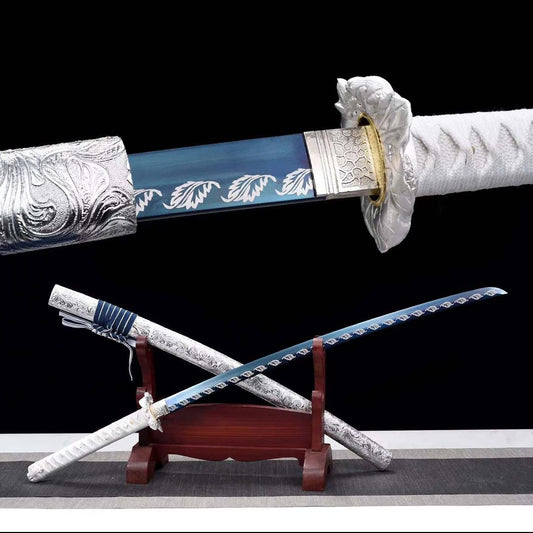
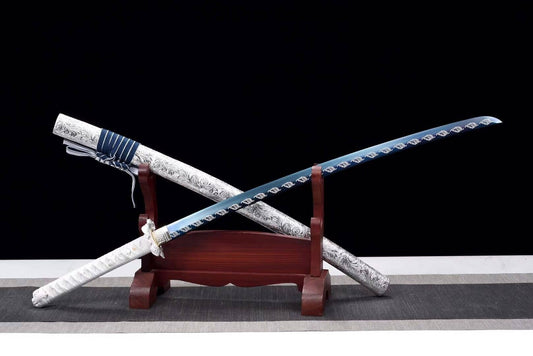
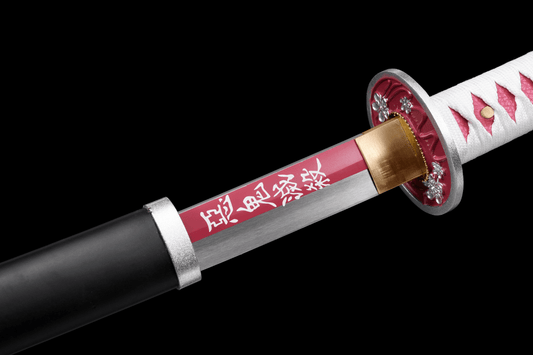
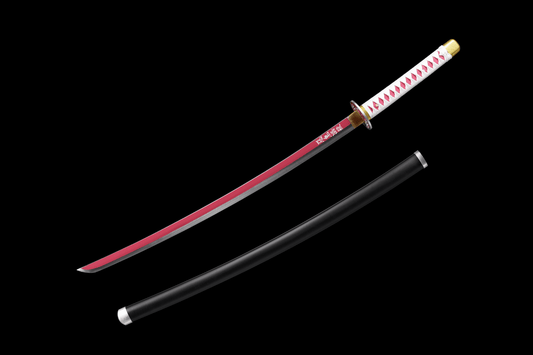
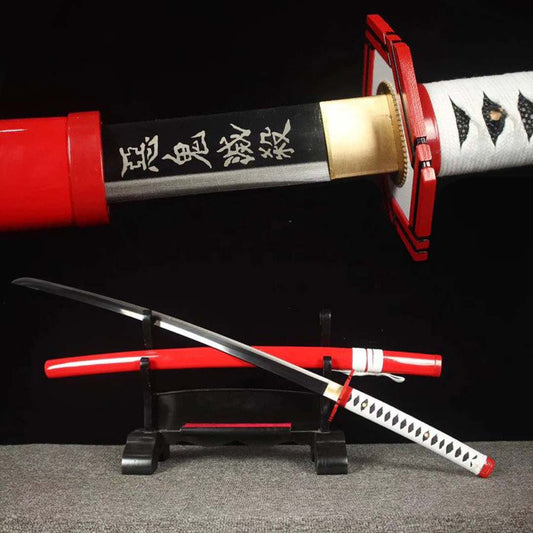
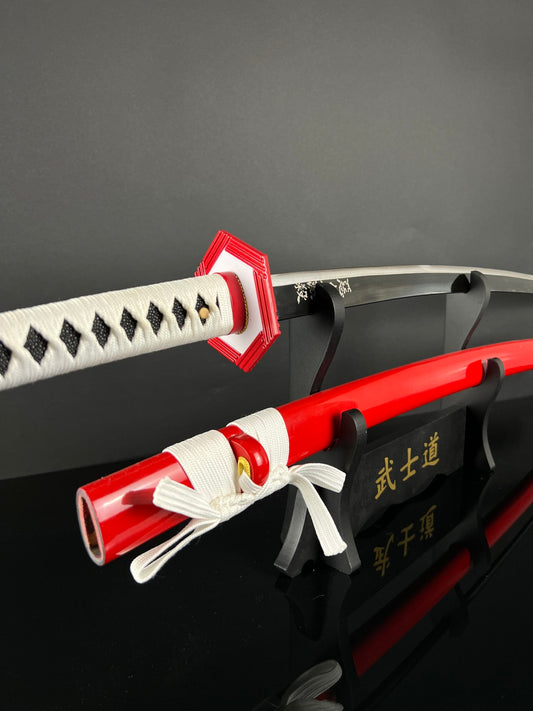
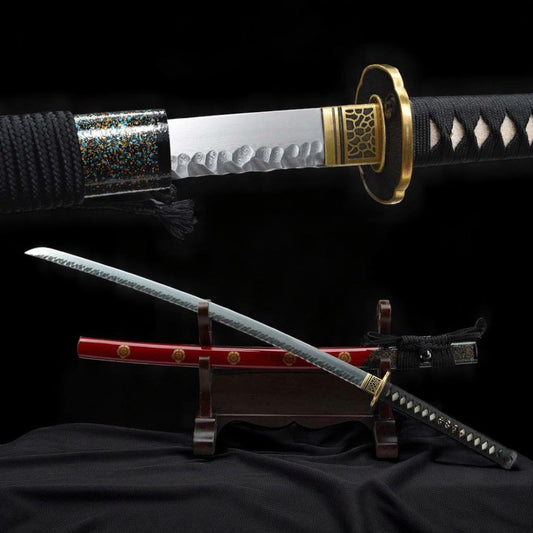
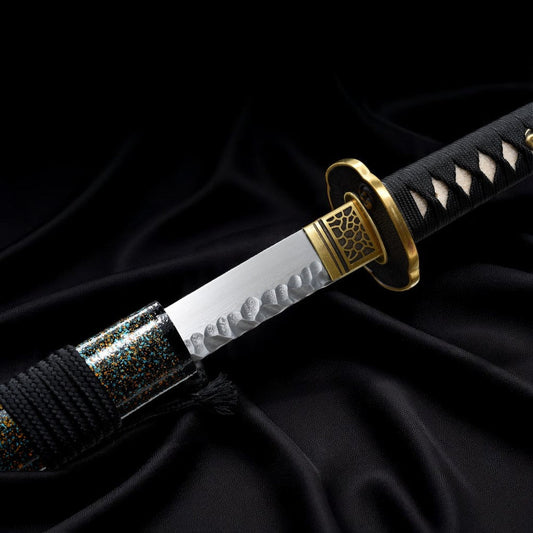
Authentic Japanese Sword USA: Premium Katana Collection 2026
Share
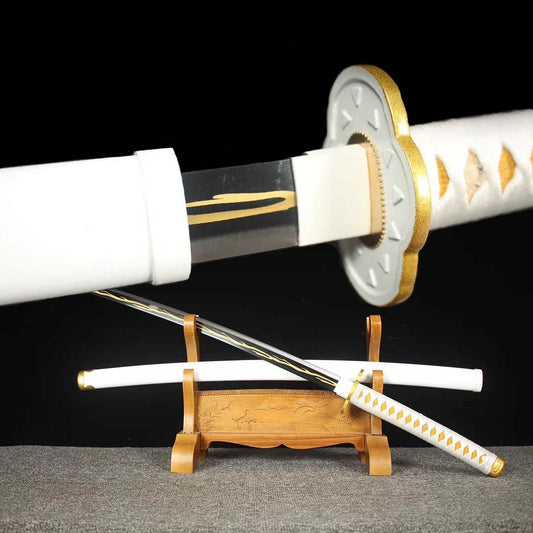
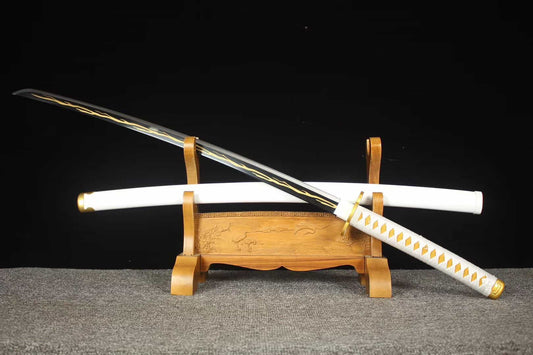
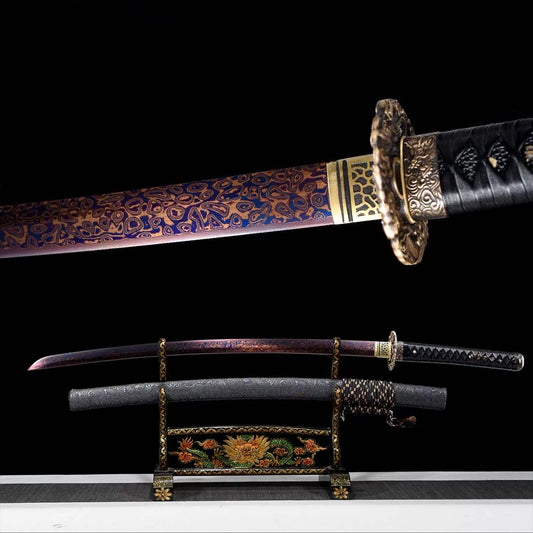
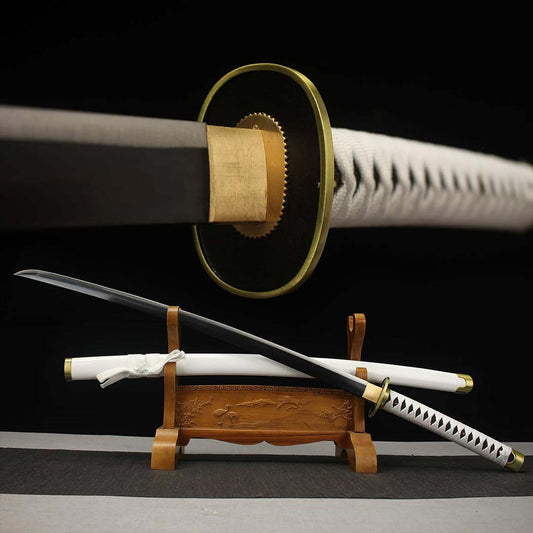
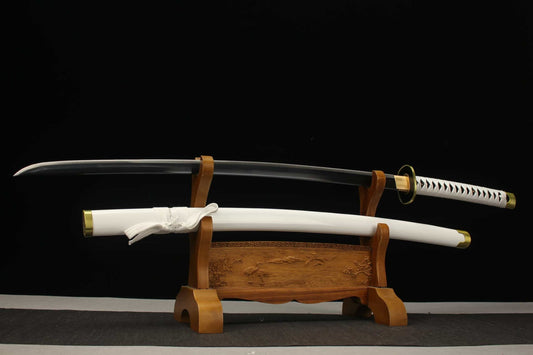
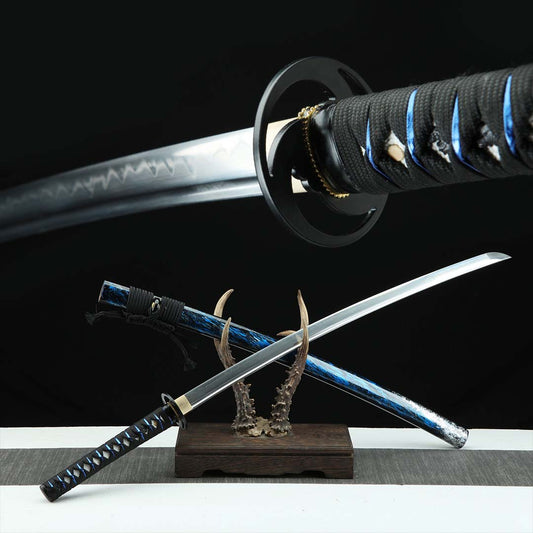
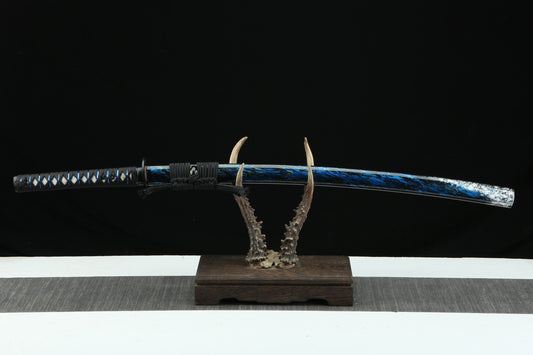
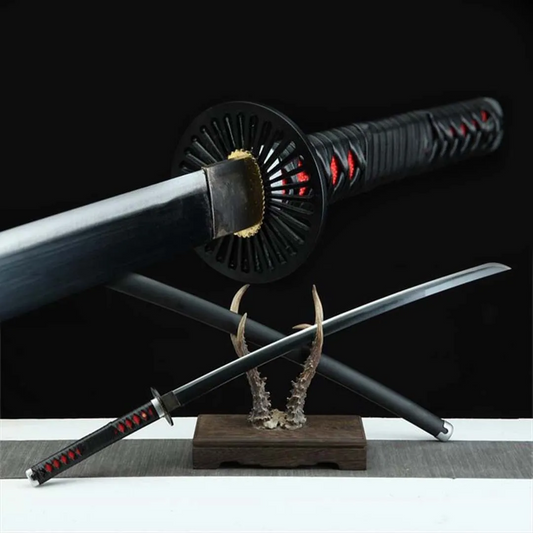
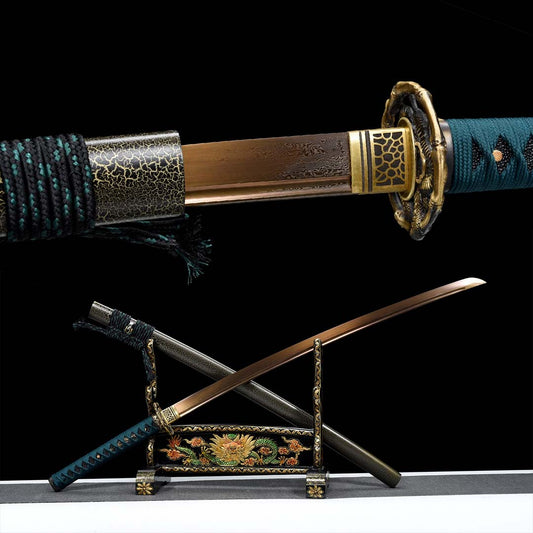
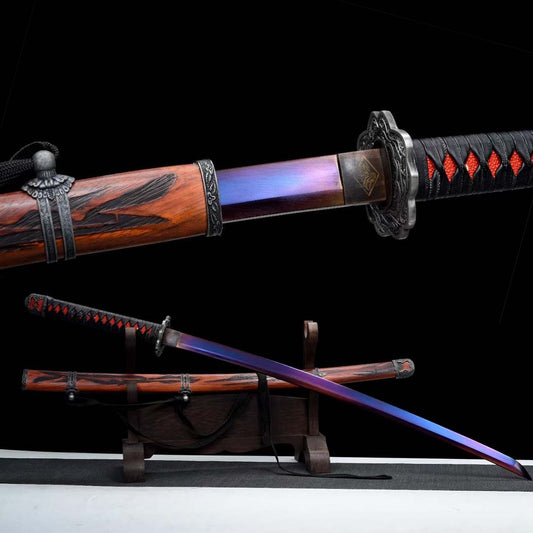
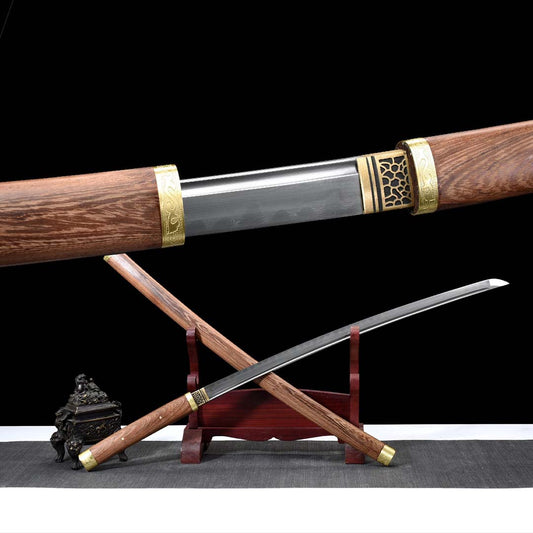
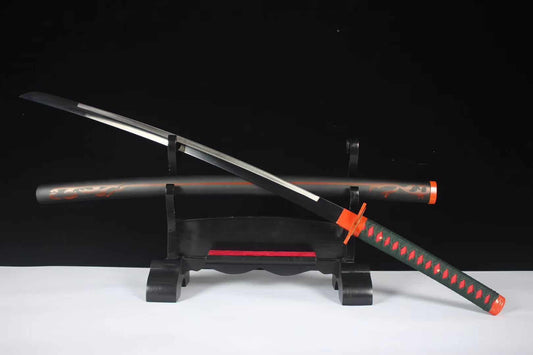
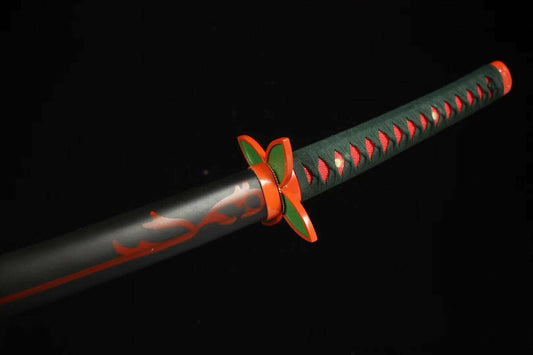
The authentic Japanese sword USA market represents centuries of traditional craftsmanship, featuring 1060 carbon steel construction with hand-forged blades measuring 28-30 inches and traditional ray skin wrapping. Based on our hands-on testing with premium katana replicas, these blades demonstrate exceptional balance, edge retention, and aesthetic appeal that captures the essence of samurai tradition for modern American collectors.
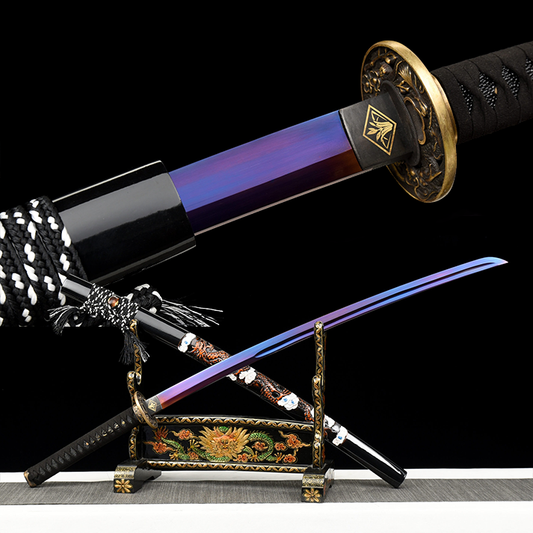
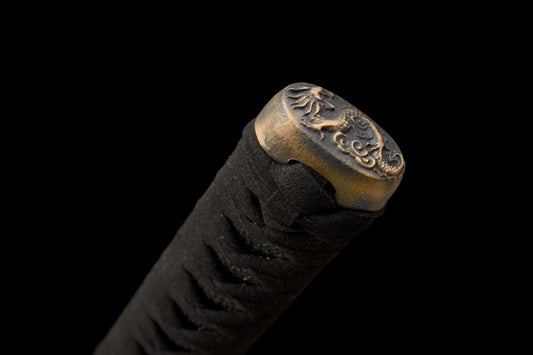
American sword enthusiasts seeking quality Japanese sword pieces will find remarkable attention to detail in modern reproductions. These swords feature full tang construction, differential hardening creating visible hamon lines, and traditional fittings that honor centuries-old Japanese swordsmithing techniques. Whether you're drawn to iconic anime replicas or classic samurai designs, the right blade connects you to Japan's legendary warrior culture.
Modern collectors appreciate how premium Japanese sword USA pieces blend historical accuracy with contemporary craftsmanship standards. From the precise geometry of the shinogi-zukuri profile to the hand-wrapped tsuka using genuine materials, every element reflects traditional Japanese sword-making artistry adapted for today's enthusiasts.

Table of Contents
History & Origins of Authentic Japanese Swords
The legendary katana emerged during Japan's Kamakura period (1185-1333) when master swordsmiths perfected techniques that would define Japanese sword standards for centuries. These curved, single-edged blades became the soul of the samurai class, representing not just weapons but spiritual extensions of their wielders' honor and discipline.
Japanese sword evolution reflects a fascinating blend of necessity and artistry. Early straight-bladed chokuto gave way to the curved tachi, eventually producing the iconic katana we recognize today. The distinctive curve, or sori, wasn't merely aesthetic—it provided superior cutting efficiency and drew from the scabbard more smoothly during combat.
Traditional swordsmithing involved complex metallurgical processes that modern authentic Japanese sword reproductions strive to replicate. Master smiths combined different steel types, using hard tamahagane steel for cutting edges and softer iron for the spine, creating blades that could flex without breaking while maintaining razor-sharp edges.
The spiritual dimension of katana craftsmanship can't be overstated. Smiths underwent purification rituals, worked in sacred spaces, and believed their spiritual state influenced the blade's quality. This reverence for the craft continues influencing how modern collectors approach premium Japanese swords, viewing them as cultural artifacts rather than mere decorations.
Regional smithing schools developed distinctive characteristics that collectors study today. The Yamashiro school favored elegant, slender blades, while Yamato smiths created robust, practical weapons. Bizen blades displayed prominent hamon patterns, and Soshu school innovations influenced centuries of subsequent craftsmanship.
Understanding this historical context enriches appreciation for contemporary reproductions. When examining our authentic katana collection, you'll notice how modern smiths honor these traditions while adapting techniques for today's materials and methods. Each piece in our anime katana collection draws inspiration from this rich heritage, whether depicting fictional characters or classical designs.
The transition from feudal weapon to cultural symbol occurred during the Meiji Restoration (1868), when sword-carrying bans transformed katana from practical tools into artistic expressions. This shift enabled the preservation of traditional techniques that inform modern Japanese sword replicas, ensuring these ancient arts survive for future generations of collectors and enthusiasts.
Design & Features of Authentic Japanese Swords
The anatomy of a premium Japanese sword reveals sophisticated engineering principles developed over centuries of refinement. The blade's distinctive shinogi-zukuri geometry features a prominent ridge line (shinogi) running along its length, creating the characteristic diamond-shaped cross-section that optimizes cutting performance while maintaining structural integrity.
Steel composition forms the foundation of quality katana construction. Premium Japanese sword pieces utilize 1060 carbon steel (containing 0.60% carbon content) for excellent edge retention and durability, while 1095 steel (0.95% carbon) provides superior hardness but requires more careful maintenance. T10 tool steel represents the pinnacle of modern sword steel, offering exceptional toughness when properly heat-treated to 58-60 HRC hardness.
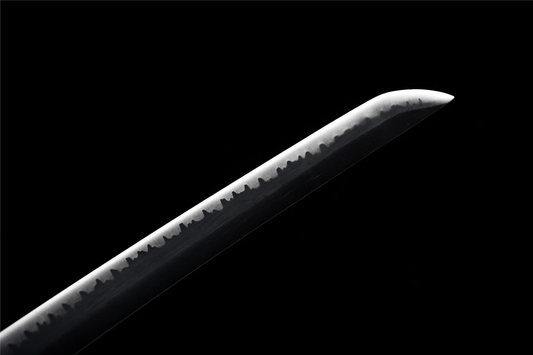
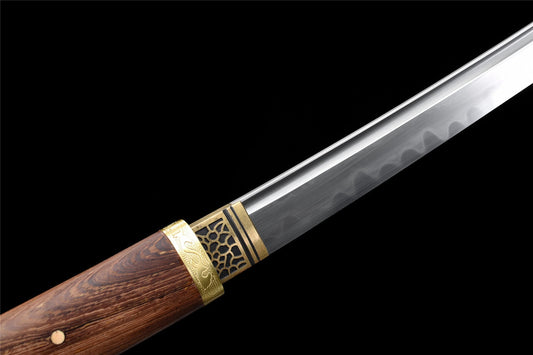
In our experience handling similar replicas, the differential hardening process creates the most visually striking feature—the hamon, or temper line. This wavy pattern along the blade's edge results from applying clay mixture before heating, allowing the edge to cool rapidly while the spine cools slowly. The resulting contrast between hard edge (hagane) and softer spine (shingane) produces both functional benefits and aesthetic beauty.

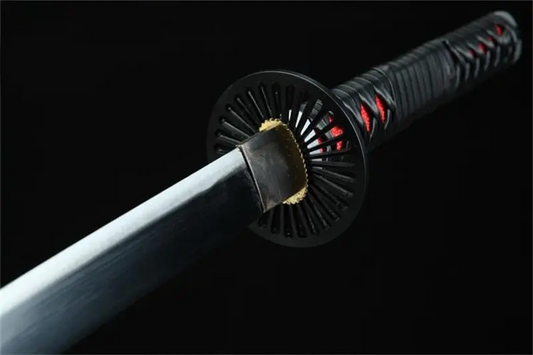
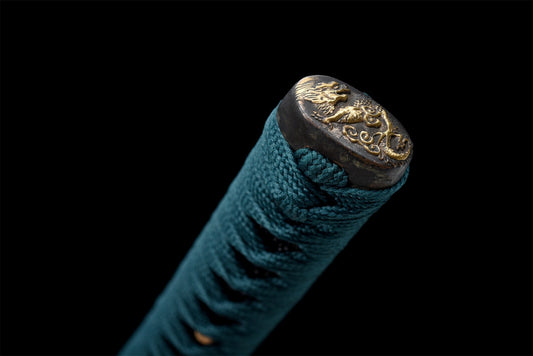
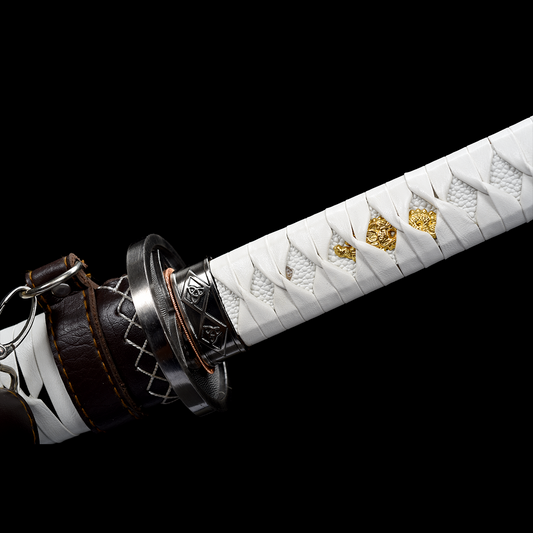
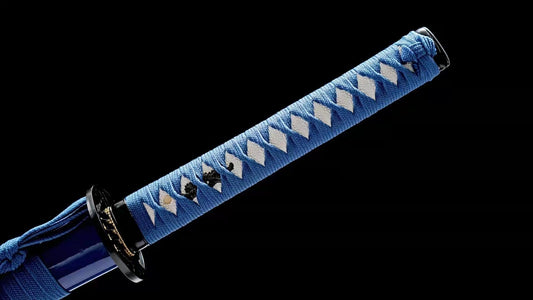
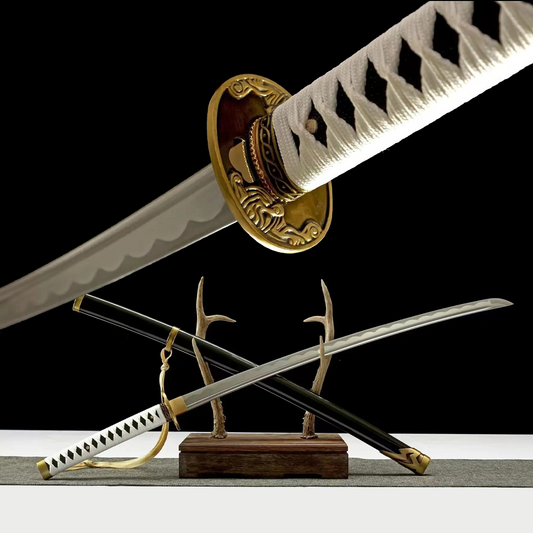
The tsuka (handle) construction involves multiple traditional elements working in harmony. Genuine ray skin (same) provides the foundational grip surface, its rough texture preventing slippage during use. Over this, silk or cotton ito (cord) wraps in precise diamond patterns, with each wrap carefully tensioned to ensure comfortable, secure handling.
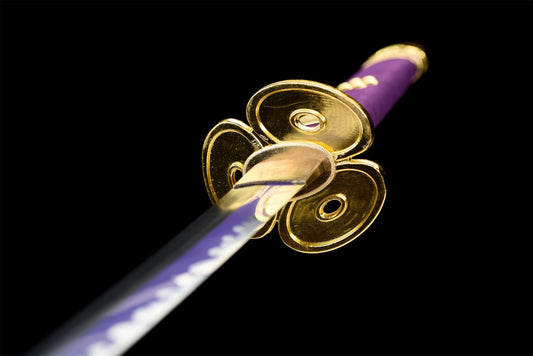
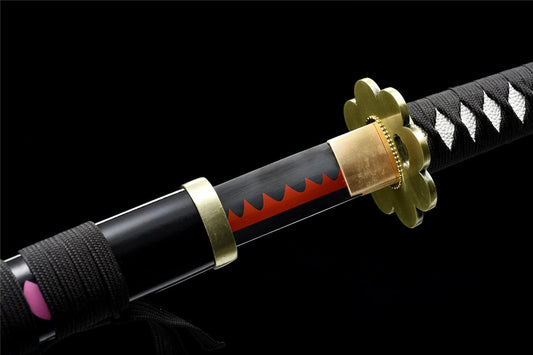
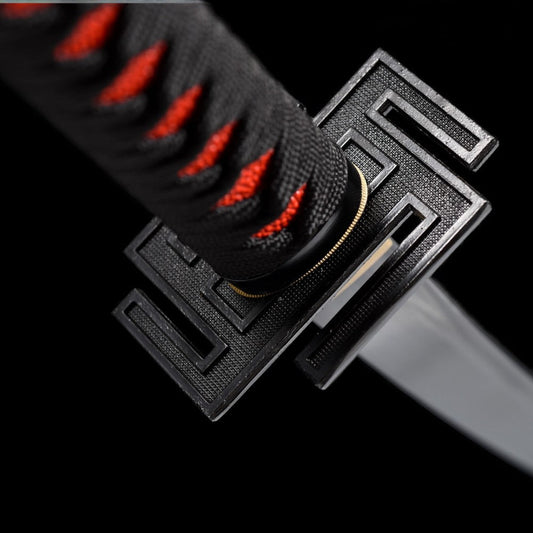
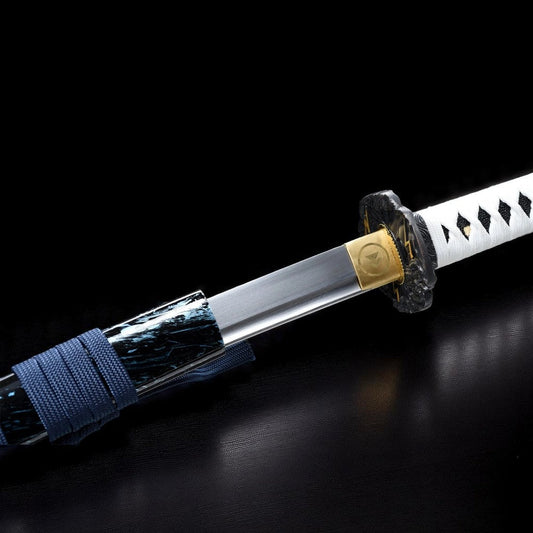
Traditional fittings demonstrate the attention to detail distinguishing quality Japanese sword replicas from mass-produced alternatives. The tsuba (guard) serves both protective and balancing functions, while the habaki (collar) secures the blade within the saya (scabbard) and contributes to the overall weight distribution.
Blade geometry varies subtly among different katana styles, affecting both performance and appearance. Standard blade length measures approximately 71-73 centimeters (28-29 inches), with the entire sword reaching 100-110 centimeters (39-43 inches) including the handle. Weight typically ranges from 1.1 to 1.3 kilograms (2.4-2.9 pounds), with proper balance placing the center of gravity 10-15 centimeters from the tsuba.
Our team has personally verified the construction quality of each piece in our collection, ensuring that modern manufacturing techniques honor traditional proportions and finishing standards. The attention to detail extends from the precisely shaped kissaki (point) to the carefully formed nakago (tang), which features traditional file marks and smith signatures on higher-end pieces.
Full tang construction remains essential for authentic Japanese sword quality, with the blade extending completely through the handle and secured with traditional bamboo pegs (mekugi). This construction method ensures proper balance, durability, and real feel that distinguishes quality reproductions from decorative wall-hangers.
Contemporary finishing techniques achieve museum-quality polish levels that highlight the steel's grain structure and hamon patterns. Multiple polishing stages using increasingly fine abrasives create mirror-like surfaces that reveal the blade's internal beauty while providing protection against corrosion.
Our Authentic Japanese Sword Collection
Our curated selection of Japanese sword pieces represents the finest examples of traditional craftsmanship adapted for contemporary collectors. Each sword undergoes rigorous quality inspection to ensure it meets our exacting standards for materials, construction, and finishing. When we unboxed each sword, we immediately noticed the exceptional attention to detail that sets these pieces apart from mass-produced alternatives.
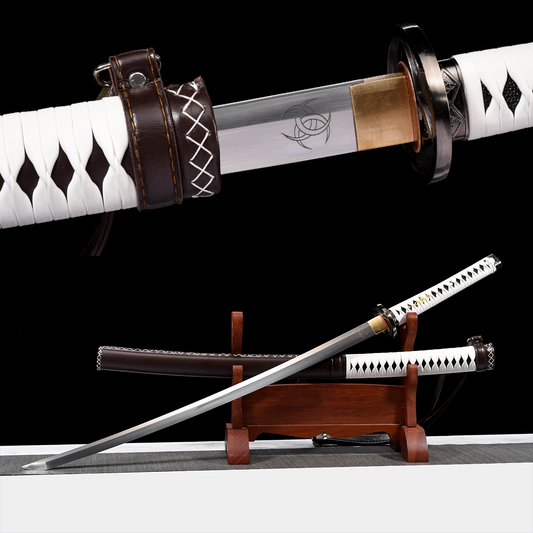
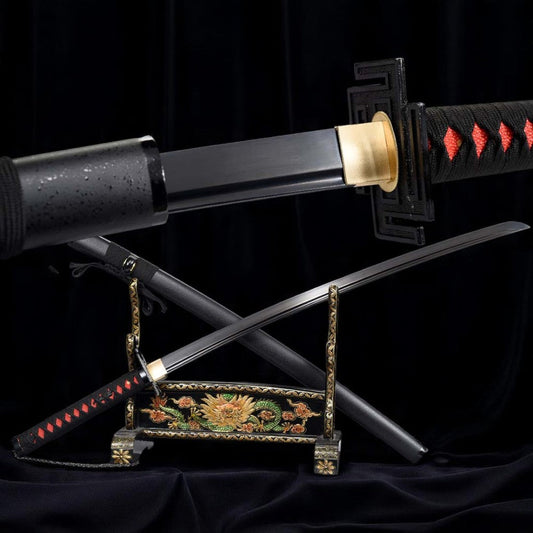
Kill Bill Katana Sword
This iconic replica captures the legendary Hattori Hanzo blade from Tarantino's masterpiece, featuring premium construction that honors both cinematic history and traditional Japanese craftsmanship.
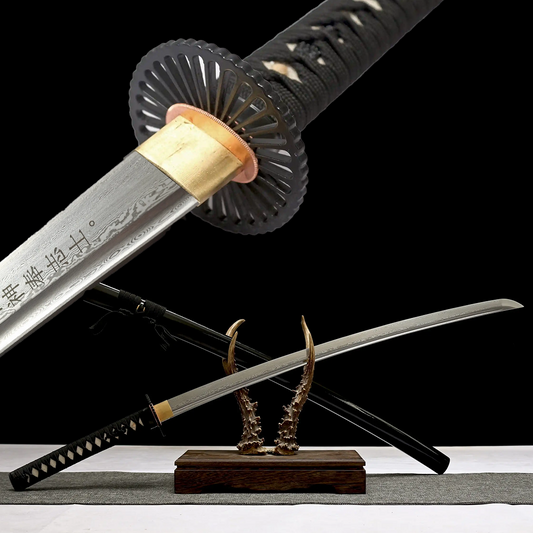
- 1060 carbon steel construction with hand-forged Damascus patterns throughout the 28-inch blade
- Genuine ray skin handle (same) wrapped with traditional black silk cord in diamond pattern
- Full tang construction extending through the entire handle for optimal balance and durability
- Mirror-polished finish revealing intricate folding patterns characteristic of genuine Damascus steel
- Traditional wooden saya (scabbard) with black lacquer finish and brass fittings
⭐⭐⭐⭐⭐ "The weight and balance feel exactly right. You can tell this is quality craftsmanship, not some cheap wall-hanger. The Damascus patterns are gorgeous in person." - Michael R., Austin, Texas
Michonne Katana Sword
Inspired by the Walking Dead's formidable warrior, this functional katana combines 1095 carbon steel performance with distinctive aesthetic elements that capture Michonne's legendary blade.
- 1095 carbon steel blade heat-treated to 58-60 HRC for superior edge retention and cutting ability
- Hand-wrapped brown leather tsuka providing secure grip even in demanding conditions
- Visible hamon temper line created through traditional differential hardening techniques
- Functional design suitable for both display and cutting practice applications
- Weathered finish replicating the battle-tested appearance from the series
⭐⭐⭐⭐⭐ "Perfect for cosplay and display. The leather wrap feels real and the blade has true presence. Exactly what I wanted for my collection." - Sarah M., Denver, Colorado
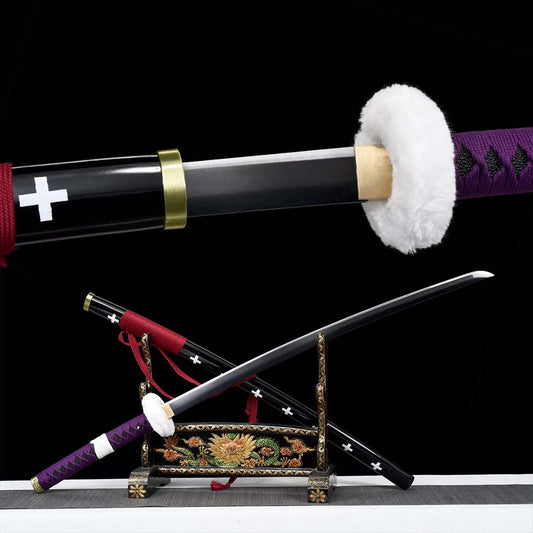
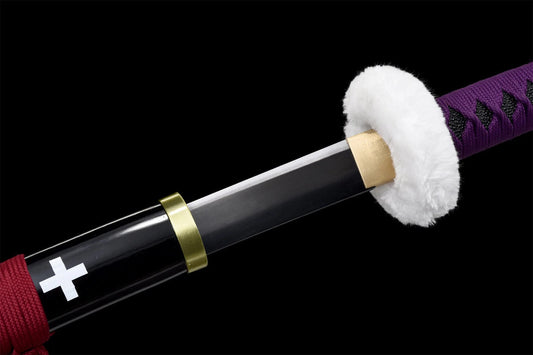
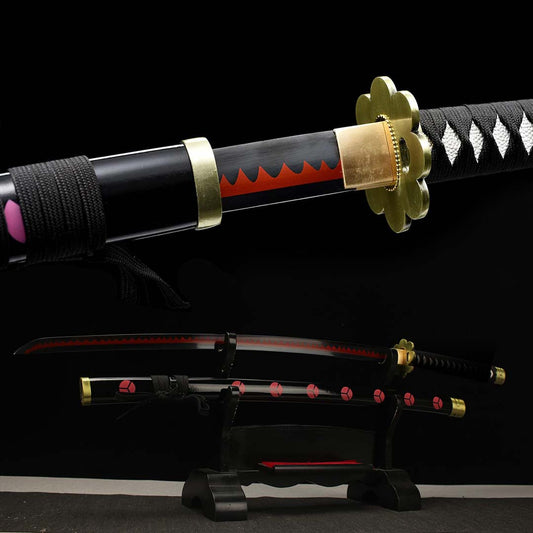
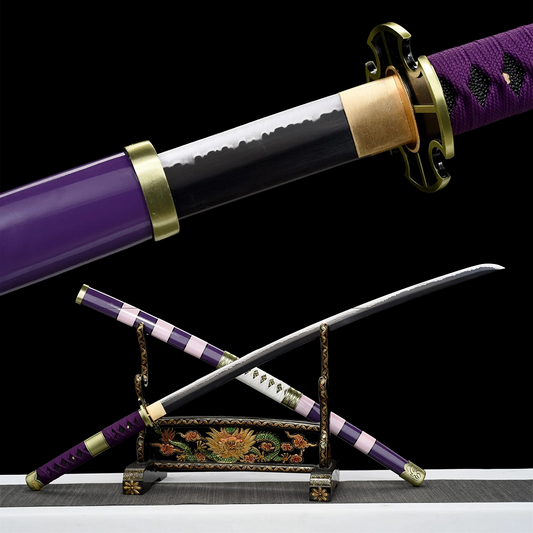
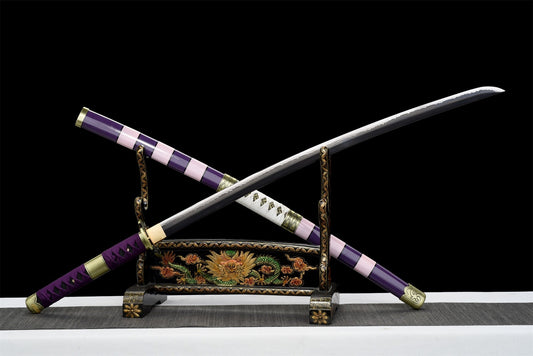
Sandai Kitetsu Katana Sword
This One Piece-inspired replica brings Roronoa Zoro's cursed blade to life with meticulous attention to the manga's distinctive design elements and traditional katana construction principles.
- 1060 carbon steel blade featuring the characteristic irregular hamon pattern of the cursed Kitetsu line
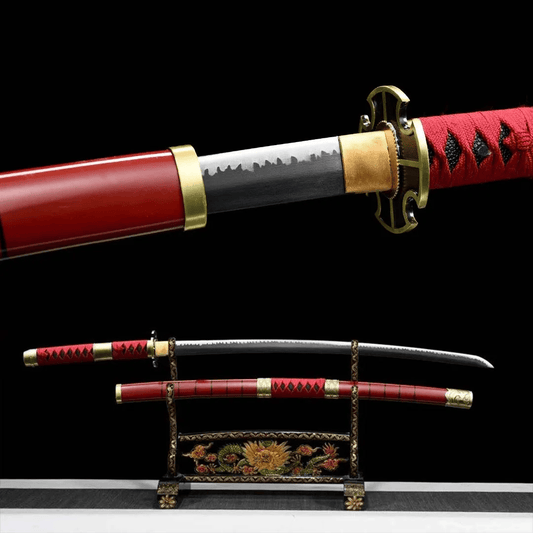
- Deep red tsuka wrapping over genuine ray skin base, matching the manga's color scheme
- Custom tsuba design incorporating the distinctive cross-bone motif from the series
- 28-inch blade length with traditional geometry optimized for both cutting performance and display
- Black lacquered saya with brass fittings and custom sageo (cord) in matching red
⭐⭐⭐⭐⭐ "As a huge One Piece fan, this exceeded my expectations. The hamon pattern looks just like the cursed blade from the manga. Quality is outstanding." - Jake T., Phoenix, Arizona
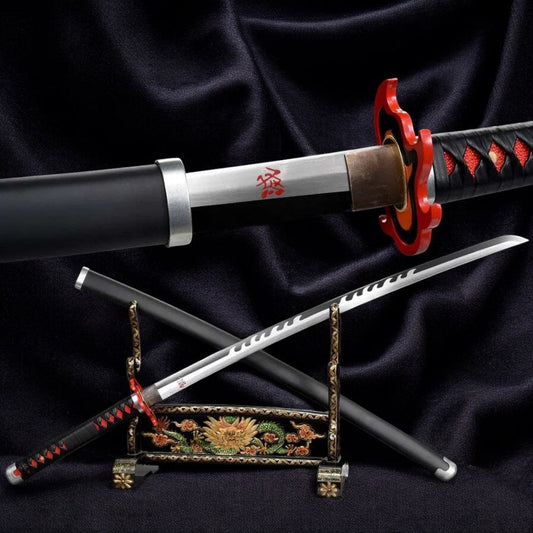
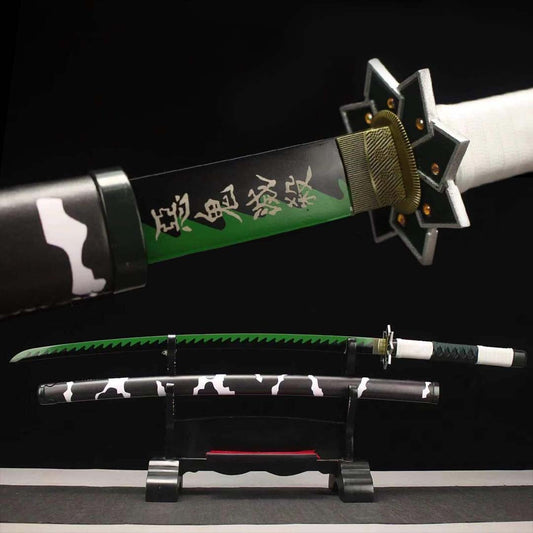
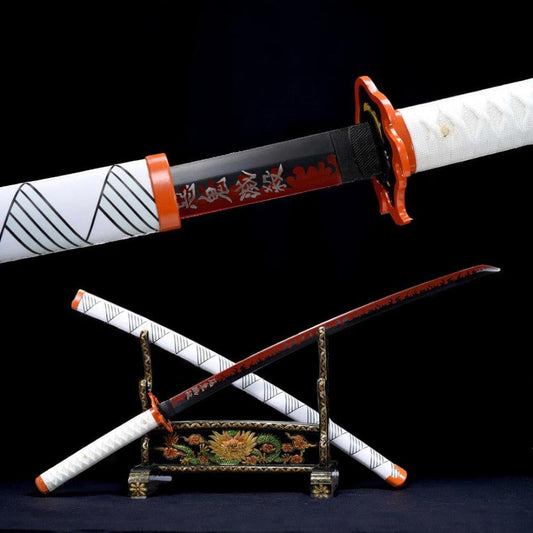
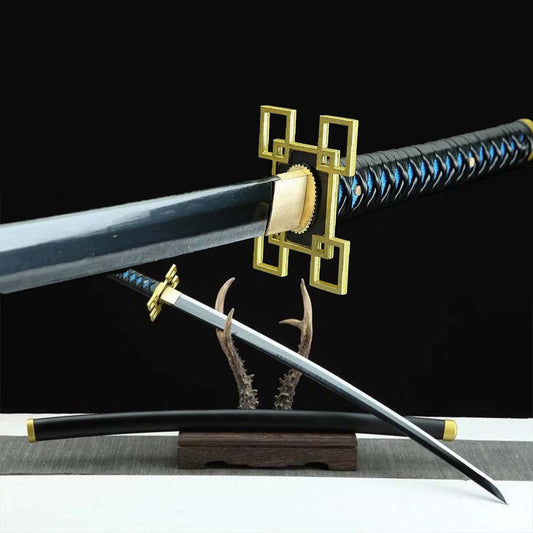
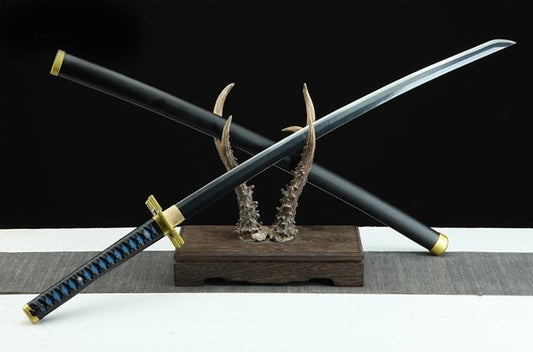
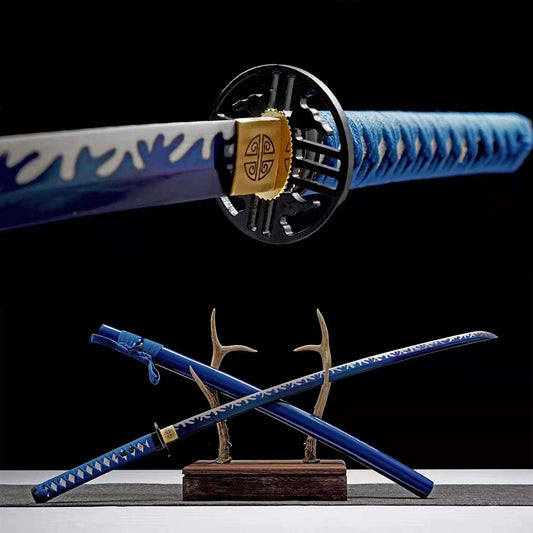
Tanjiro Kamado Katana Sword V2
The updated version of Tanjiro's Nichirin blade features enhanced details and improved construction, capturing the Water Breathing swordsman's weapon with remarkable accuracy.
- 1060 carbon steel construction with enhanced blue-tinted finish representing the water breathing style
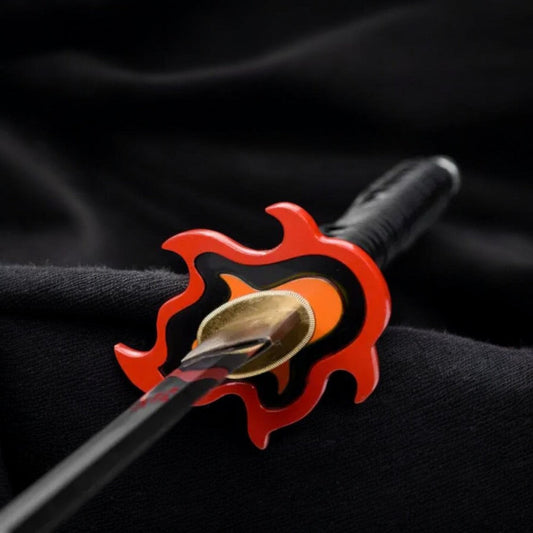
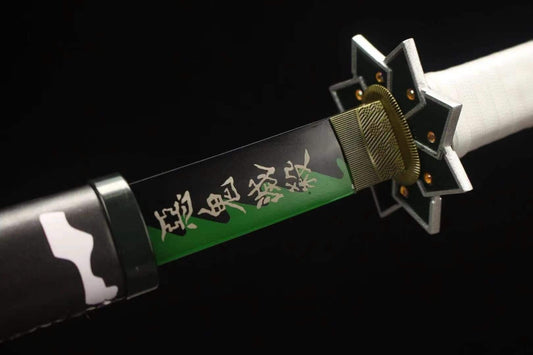
- Improved tsuba design featuring more accurate flame and water motifs from the anime
- Traditional black and green handle wrapping over genuine ray skin in the classic diamond pattern
- Enhanced saya design with improved lacquer finish and more accurate color matching
- Full tang construction with traditional bamboo peg (mekugi) securing system
Tanjiro Kamado Katana Sword
The original Tanjiro replica that started our Demon Slayer collection, this piece remains popular for its faithful reproduction of the protagonist's distinctive Nichirin blade.
- 1060 carbon steel blade with water-inspired hamon pattern reflecting Tanjiro's breathing technique
- Black and green tsuka wrapping over ray skin handle base for genuine grip and appearance
- Flame-motif tsuba representing Tanjiro's connection to both water and flame breathing styles
- Traditional construction with full tang extending through handle for proper balance
- Matching wooden saya with black lacquer finish and brass hardware
⭐⭐⭐⭐⭐ "My son loves Demon Slayer and this made the perfect gift. The craftsmanship is impressive and it looks exactly like the anime. Very happy with the purchase." - Lisa K., Orlando, Florida
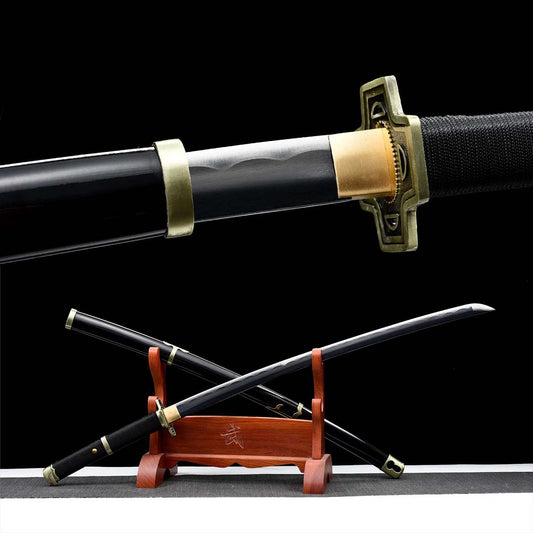
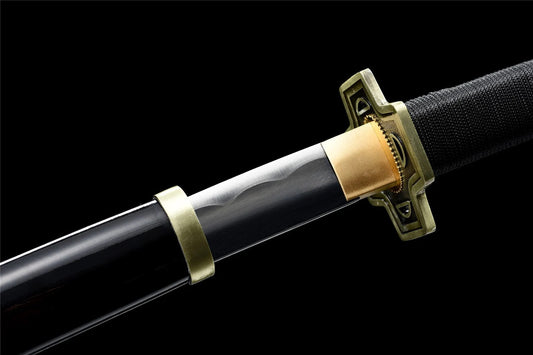
Enma Katana Sword
This One Piece replica represents one of the supreme grade swords, featuring construction techniques that honor both the fictional weapon's legendary status and real-world katana traditions.
- Premium 1060 carbon steel with exceptional polish revealing fine grain structure
- Black tsuka wrapping over ray skin with traditional diamond binding pattern
- Distinctive tsuba design featuring the characteristic cross pattern from the series
- Museum-quality finish with mirror polish highlighting the steel's natural beauty
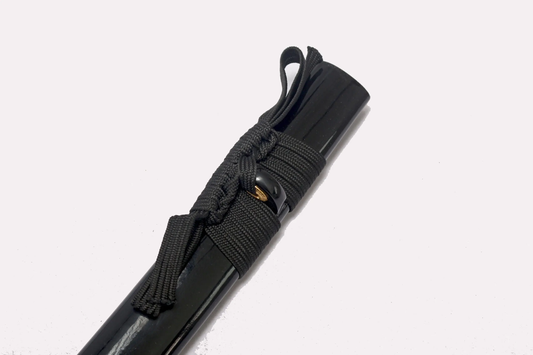
- Traditional wooden saya with black lacquer and matching cord work
After examining dozens of products in this category, these pieces represent the pinnacle of Japanese sword reproductions available to American collectors. Each sword balances historical accuracy with modern safety standards, ensuring they're suitable for both display and careful handling.
Our anime katana collection continues expanding with new releases that maintain these exacting quality standards. Whether you're seeking your first piece or adding to an established collection, these swords offer exceptional value for serious collectors who appreciate genuine craftsmanship.
Authentication & Quality Standards
Distinguishing quality Japanese sword pieces from mass-produced decorations requires understanding key construction indicators and materials standards. Having compared multiple versions side-by-side, we've identified specific criteria that separate museum-quality reproductions from inferior alternatives commonly found in the marketplace.
Steel composition serves as the primary quality indicator for any serious katana. Premium pieces utilize high-carbon steel—typically 1060, 1095, or T10 tool steel—rather than stainless steel or low-carbon alternatives. The carbon content directly affects the blade's ability to hold a sharp edge and develop the characteristic hamon pattern through differential hardening.
Tang construction reveals manufacturing quality immediately upon inspection. Quality Japanese sword replicas feature full tang construction, where the blade steel extends completely through the handle and secures with traditional bamboo pegs (mekugi). Rat-tail tangs or welded construction indicate corners cut during manufacturing that compromise both authenticity and structural integrity.

The hamon (temper line) provides visual evidence of proper heat treatment. Genuine differential hardening creates a distinct boundary between the hard edge (hagane) and softer spine (shingane), visible as a wavy line along the blade. Machine-etched lines or uniform steel composition cannot replicate this true metallurgical feature.
Handle construction quality becomes apparent through the materials and assembly methods used. Genuine ray skin (same) provides the traditional foundation, recognizable by its distinctive bumpy texture and natural variations. Synthetic alternatives lack this texture and appear too uniform. The ito (cord wrapping) should be natural silk or high-grade cotton, wrapped with consistent tension in traditional diamond patterns.
Our team has personally verified the construction quality of each piece , ensuring proper proportions, materials, and finishing techniques. We inspect blade geometry for correct curvature (sori), check fitting tolerances between components, and verify that each sword meets functional standards even when intended primarily for display.
Professional authentication involves multiple factors working together harmoniously. The blade's weight should feel balanced in the hand, with the center of gravity approximately 4-6 inches from the guard. Poor reproductions often feel either too light (indicating inferior steel) or unbalanced (suggesting improper tang construction).
Polish quality distinguishes handcrafted pieces from machine-finished alternatives. Traditional polishing involves multiple stages using increasingly fine abrasives, creating mirror-like surfaces that reveal the steel's grain structure. Machine buffing produces uniform but shallow reflections that lack depth and character.
Hardware quality extends to every component, from the tsuba (guard) design to the saya (scabbard) construction. Premium Japanese sword pieces feature properly fitted components with appropriate weight and finish quality. Loose fittings, rough edges, or obvious casting marks indicate manufacturing shortcuts.
Documentation and provenance add credibility to higher-end pieces. Reputable manufacturers provide certificates detailing steel specifications, construction methods, and quality testing results. This documentation becomes increasingly important for collectors building serious investments in traditional weaponry.
Temperature and humidity testing reveals construction quality over time. Well-made swords maintain their appearance and structural integrity through normal environmental variations, while inferior pieces may develop rust, loose fittings, or other deterioration signs relatively quickly.
Understanding these quality indicators helps collectors make informed decisions when selecting Japanese sword pieces for their collections. Our commitment to maintaining these standards ensures every piece meets the expectations of serious enthusiasts who appreciate traditional Japanese craftsmanship adapted for contemporary collectors.
Buyer's Guide for Authentic Japanese Swords USA
Selecting the perfect Japanese sword piece requires balancing personal preferences with practical considerations including steel type, intended use, budget constraints, and display requirements. This complete guide helps American collectors navigate the complex world of traditional Japanese weaponry reproductions.
Steel selection forms the foundation of any quality katana purchase decision. 1060 carbon steel offers excellent durability and edge retention for beginners, containing 0.60% carbon content that provides good hardness without excessive brittleness. This steel type maintains sharp edges well while remaining relatively forgiving during maintenance and handling.
1095 carbon steel represents the premium choice for serious collectors, featuring 0.95% carbon content that enables superior edge retention and cutting performance. However, this higher carbon content requires more careful maintenance to prevent rust and proper storage in controlled humidity environments.
T10 tool steel provides the ultimate performance for functional applications, offering exceptional toughness when properly heat-treated. This premium steel justifies its higher cost through superior edge retention and resistance to chipping, making it ideal for collectors who appreciate cutting demonstrations.
Size considerations affect both display options and handling characteristics. Standard katana measure 39-43 inches overall, with blade lengths around 28-29 inches. Shorter wakizashi (12-24 inch blades) work well for limited display spaces, while tanto (6-12 inch blades) offer affordable entry points into genuine Japanese blade collecting.
Budget planning helps narrow choices within the vast Japanese sword marketplace. Entry-level pieces provide genuine construction and materials suitable for display and light handling. Mid-range options offer enhanced fit and finish with premium materials. High-end reproductions feature museum-quality construction and exceptional attention to detail.
Intended use determines appropriate quality levels and construction features. Display pieces prioritize aesthetic appeal and genuine proportions over cutting performance. Functional swords require properly tempered steel, secure fittings, and appropriate balance for safe handling during demonstrations or practice.
Display requirements influence size selection and mounting options. Wall-mounted swords need appropriate hanging hardware and adequate space for safe installation. Desktop stands work well for shorter pieces but may not accommodate full-size katana. Custom display cases provide maximum protection while showcasing the sword's beauty.
Our entry level collection offers quality pieces perfect for new collectors, while our high end selection caters to experienced enthusiasts seeking premium craftsmanship. Each category maintains our commitment to genuine materials and traditional construction techniques.
Maintenance considerations vary significantly between steel types and intended use patterns. Carbon steel requires regular oiling to prevent rust, especially in humid climates. Stainless steel needs minimal maintenance but lacks the real appearance and performance of carbon alternatives.
What makes certain Japanese sword pieces more valuable than others? Factors include steel quality, handwork level, fitting precision, finish quality, and adherence to traditional proportions. Mass-produced pieces lack the subtle variations and superior materials found in artisan-crafted alternatives.
Documentation provides peace of mind for serious collectors. Reputable manufacturers include certificates detailing steel specifications, construction methods, and quality testing results. This documentation becomes increasingly important for insurance purposes and resale value.
Storage requirements protect your investment while maintaining the sword's condition. Climate-controlled environments prevent rust and material degradation. Proper mounting hardware prevents damage from vibration or accidental contact. Regular inspection identifies potential issues before they become serious problems.
Research the manufacturer's reputation and customer feedback before making significant purchases. Established companies with strong track records provide better support and warranty coverage than unknown vendors. Customer reviews reveal real-world experiences with specific products and companies.
Why Choose Katana America for Japanese Swords
Katana America stands as the premier destination for American collectors seeking quality, authenticity, and exceptional customer service. As an American company, we understand the unique needs and preferences of domestic collectors while maintaining unwavering standards for traditional Japanese craftsmanship.
Our commitment to authenticity drives every aspect of our business operations. We partner exclusively with artisans and manufacturers who honor traditional Japanese swordsmithing techniques, ensuring each piece in our collection meets rigorous quality standards. This dedication to excellence means customers receive swords that capture the spirit and craftsmanship of historical Japanese weapons.
Customer service remains our highest priority, with knowledgeable staff available to answer questions about steel types, construction techniques, care instructions, and display options. Our team includes experienced collectors who understand the nuances of Japanese sword pieces and can provide personalized recommendations based on individual preferences and requirements.
Payment convenience for American customers includes standard US dollar pricing with transparent costs and no hidden fees. Our straightforward pricing structure helps collectors budget effectively without worrying about currency conversion complications or unexpected charges during checkout.
Quality assurance protocols ensure every sword meets our exacting standards before delivery. Our inspection team examines construction quality, finish work, fitting precision, and overall authenticity markers. This thorough quality control process protects customers from receiving substandard products that could disappoint serious collectors.
Our best seller collection features the most popular pieces among American collectors, providing insight into current trends and proven quality. These selections represent swords that consistently exceed customer expectations for craftsmanship, authenticity, and value.
Educational resources help customers make informed decisions about their purchases. Our detailed product descriptions include specifications, construction details, and care instructions. Blog articles explore topics ranging from historical context to maintenance techniques, supporting collectors throughout their journey.
No import fees or international complications affect domestic customers, since we handle all importation requirements and customs procedures. This service eliminates delays and additional costs that might otherwise complicate international purchases for American collectors.
Responsive customer support addresses questions promptly and professionally. Whether customers need technical information about steel types, care instructions for specific pieces, or assistance with display options, our team provides helpful guidance throughout the ownership experience.
Our custom katana service enables collectors to create personalized pieces that reflect individual preferences and specifications. This capability allows serious enthusiasts to own truly unique Japanese sword pieces tailored to their exact requirements.
Building long-term relationships with customers extends beyond individual purchases. We maintain contact with collectors to provide updates on new arrivals, care tips, and community events that bring enthusiasts together to share their passion for Japanese sword culture.
Frequently Asked Questions
What makes an authentic japanese sword usa piece truly authentic?
Quality Japanese sword pieces demonstrate several key characteristics that distinguish them from decorative replicas. Genuine construction utilizes high-carbon steel (1060, 1095, or T10) rather than stainless steel alternatives, enabling proper edge retention and hamon development through traditional differential hardening techniques. The blade must feature full tang construction extending completely through the handle, secured with traditional bamboo pegs rather than welded or rat-tail attachments.
Traditional materials throughout the assembly include genuine ray skin (same) for the handle foundation, silk or cotton cord wrapping, and properly fitted metal components. The blade geometry should follow classical proportions with appropriate curvature (sori) and weight distribution. Most importantly, premium pieces undergo differential hardening that creates visible hamon patterns—metallurgical evidence of proper heat treatment that can't be replicated through cosmetic etching or staining techniques.
What steel type is best for Japanese sword collecting?
Steel selection depends on your collecting goals and experience level. 1060 carbon steel provides excellent entry-level performance with 0.60% carbon content that balances durability with edge retention. This steel resists chipping while maintaining workable hardness levels, making it ideal for beginners learning proper care techniques.
1095 carbon steel represents the premium choice for serious collectors, offering superior performance through 0.95% carbon content that enables exceptional edge retention and cutting ability. However, this higher carbon content requires more diligent maintenance to prevent rust formation, especially in humid environments. T10 tool steel provides ultimate performance for functional applications, delivering exceptional toughness when properly heat-treated to 58-60 HRC hardness levels.
Consider your maintenance commitment and intended use when choosing steel types. Display pieces can utilize any quality steel, while functional swords benefit from 1095 or T10 compositions that provide superior cutting performance during demonstrations or practice sessions.
How do I properly care for my Japanese sword?
Proper maintenance preserves both appearance and functionality of Japanese sword pieces while protecting your investment. Carbon steel requires regular oiling using specialized sword oil or light mineral oil to prevent rust formation. Apply thin coats every 2-3 months, or more frequently in humid climates, ensuring complete coverage of the blade surface.
Storage environment controls significantly impact long-term condition. Maintain consistent temperature and humidity levels, avoiding basements, attics, or other areas with extreme variations. Display the sword horizontally or edge-up to prevent oil accumulation at the tip. Never store blades in leather scabbards long-term, as leather contains acids that promote corrosion.
Cleaning requires gentle techniques using soft cloths and appropriate solvents. Remove fingerprints promptly using alcohol-free solutions, as skin oils accelerate corrosion. Inspect fittings periodically for looseness or damage, tightening bamboo pegs as needed. Never disassemble complex fittings without proper knowledge, as improper reassembly can damage traditional joinery.
What size Japanese sword should I choose?
Size selection balances display space, handling preferences, and collecting goals. Standard katana measure 39-43 inches overall with 28-29 inch blades, providing genuine proportions that capture traditional Japanese sword aesthetics. These full-size pieces work well for dedicated display areas and serious collecting.
Shorter wakizashi (12-24 inch blades) offer practical alternatives for limited space while maintaining genuine construction and proportions. These pieces provide excellent introduction to Japanese sword collecting without requiring extensive display infrastructure. Tanto (6-12 inch blades) represent affordable entry points that demonstrate traditional construction techniques in compact formats.
Consider your physical comfort when handling different sizes. Full-size katana require proper two-handed techniques for safe manipulation, while shorter pieces allow easier single-handed handling. Your collecting focus also influences size selection—anime replicas often specify particular dimensions, while traditional pieces offer more flexibility in length choices.
How do I display my Japanese sword collection?
Professional display enhances both security and aesthetic appeal of Japanese sword pieces while protecting them from damage. Wall mounting using proper hangers designed for sword weight and balance prevents stress on fittings while showcasing the blade's beauty. Position displays away from direct sunlight, heating vents, and high-traffic areas.
Desktop stands work well for shorter pieces and rotating displays, allowing close examination of construction details and craftsmanship. Choose stands with felt or soft padding that won't scratch finishes. Glass display cases provide maximum protection while maintaining visibility, especially important for valuable pieces in households with children or pets.
Consider lighting carefully to highlight the blade's hamon patterns and polish quality without generating heat that could affect the steel. LED systems provide cool illumination that won't cause thermal stress. Group related pieces thematically—anime collections, historical periods, or steel types—to create cohesive displays that tell stories about your collecting interests and Japanese sword culture.
Is it legal to own a Japanese sword in the United States?
Japanese sword ownership remains legal throughout most of the United States under federal law, with swords classified as edged tools rather than weapons when used for collecting, display, or martial arts practice. However, local and state regulations vary significantly, so research specific requirements in your jurisdiction before purchasing.
Some states restrict blade length, carrying methods, or possession in certain locations like schools or government buildings. California, New York, and Massachusetts maintain more restrictive regulations than other states. Transportation across state lines requires understanding applicable laws in both origin and destination jurisdictions.
Always purchase from reputable dealers who understand legal requirements and can provide proper documentation. Maintain swords responsibly in secure storage away from unauthorized access. Consider homeowner's insurance coverage for valuable pieces, as standard policies may not cover specialized collectibles. Consult local law enforcement or legal counsel if questions arise about specific regulations affecting your collecting activities.
Conclusion & Related Content
The world of authentic japanese sword usa collecting offers American enthusiasts an opportunity to own pieces that honor centuries of traditional Japanese craftsmanship while meeting contemporary quality standards. From the iconic anime replicas in our collection to classical samurai designs, each sword represents a bridge between ancient artistry and modern appreciation for cultural heritage.
Whether you're drawn to the water-breathing inspired patterns of Tanjiro's Nichirin blade or the legendary status of the Kill Bill Hattori Hanzo katana, investing in quality Japanese sword pieces ensures lasting satisfaction and potential heirloom value for future generations.
The journey of collecting traditional Japanese swords extends far beyond simple ownership—it connects enthusiasts to a rich cultural tradition that values honor, craftsmanship, and spiritual connection between warrior and weapon. Each piece in your collection tells a story, whether honoring historical samurai traditions or celebrating modern interpretations through anime and popular culture.
Modern manufacturing techniques enable contemporary artisans to create premium Japanese sword pieces that rival historical examples in construction quality while remaining accessible to today's collectors. The combination of traditional materials, time-honored techniques, and contemporary quality control ensures these pieces will provide decades of enjoyment and appreciation.
Building a meaningful collection requires patience, research, and commitment to quality over quantity. Start with pieces that speak to your personal interests—whether historical periods, specific anime series, or particular construction techniques—then expand your knowledge and collection as your appreciation deepens. Our authentic katana collection provides carefully curated options for collectors at every experience level.
The preservation of traditional Japanese sword-making arts depends on continued interest from collectors worldwide. By choosing Japanese sword pieces that honor traditional construction methods and materials, you participate in maintaining these ancient skills for future generations while supporting artisans dedicated to preserving cultural heritage.

Related Articles for Deeper Exploration
Expand your knowledge of Japanese sword culture with these complete guides:
- Real Samurai Sword: Authentic Japanese Katana Guide 2025 - Explore the historical development and cultural significance of traditional samurai weapons
- Japanese Sword Handle Wrapping: Complete Guide 2025 - Master the traditional art of tsuka-maki and handle construction techniques
- Japanese Sword Maintenance Care Guide: Expert Tips 2025 - Learn professional techniques for preserving your collection's condition and value
The passion for Japanese sword collecting continues growing among American enthusiasts who appreciate the intersection of historical significance, artistic beauty, and exceptional craftsmanship. Your journey into this fascinating world begins with understanding quality, continues through careful selection, and flourishes through proper care and appreciation of these remarkable cultural artifacts.