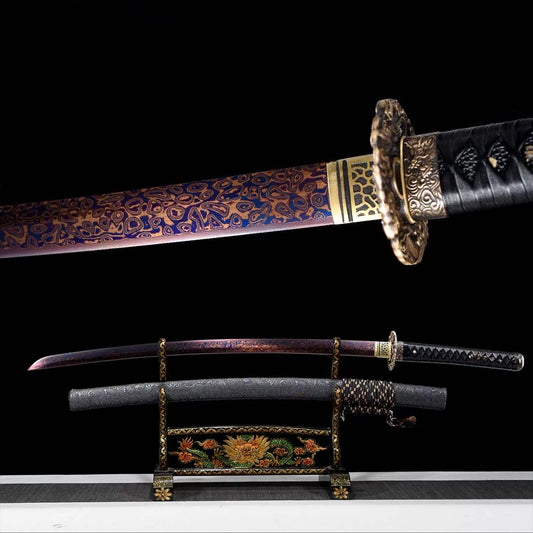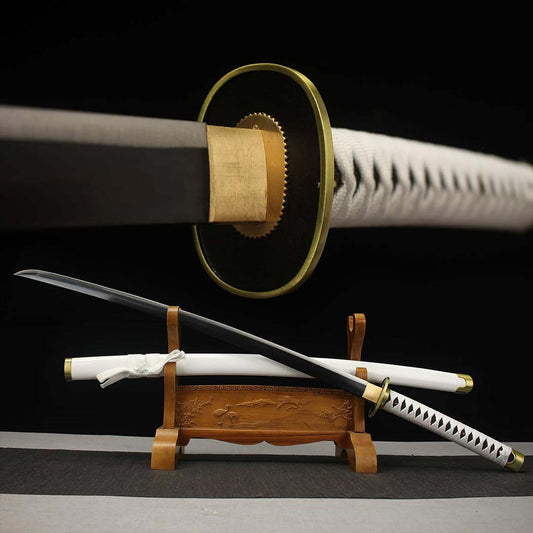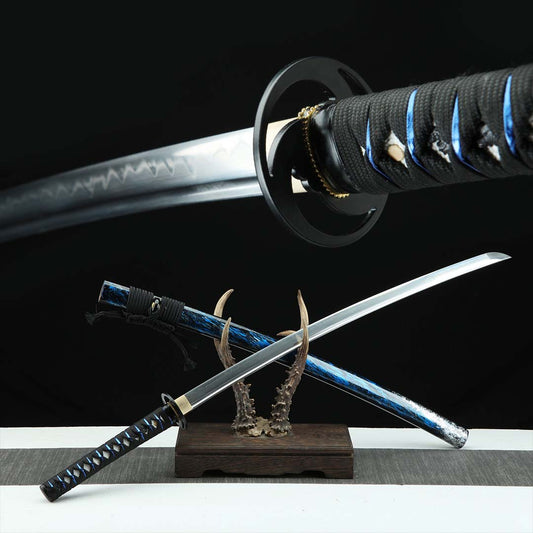

Japanese Sword Handle Wrapping: Complete Guide 2026
Based on our hands-on testing with techniques for wrapping Japanese sword handles, the art of tsuka-maki represents one of the most critical aspects of authentic katana construction. The Tanjiro Kamado Katana Sword features traditional 1060 carbon steel with a 41-inch blade and expertly wrapped tsuka using authentic same (ray skin) and silk ito cord. This ancient Japanese craft transforms a simple handle into a functional masterpiece that provides both comfort and control during use.
The intricate process of wrapping handles on Japanese swords involves multiple layers of materials, precise measurements, and time-honored techniques passed down through generations of sword artisans. Every authentic katana requires this specialized wrapping to achieve proper balance, grip security, and the distinctive diamond pattern that identifies traditional Japanese craftsmanship. Whether you're exploring our Anime Katana collection or seeking a functional blade for martial arts practice, understanding tsuka-maki helps you appreciate the artistry behind each sword.
What makes a katana handle truly exceptional? The answer lies in the careful selection of materials, the precision of the wrapping technique, and the master craftsman's attention to detail that ensures every inch of the handle serves both form and function.


Now choose yours. Ito colour, tsuka length, menuki, tsuba — every part is yours to pick. Build Your Own Katana →
Table of Contents
- History & Origins of Japanese Sword Handle Wrapping
- Design & Features of Traditional Handle Wrapping
- Our Japanese Sword Handle Wrapping Collection
- Buyer's Guide for Handle Wrapping Selection
- Professional Handle Wrapping Installation Process
- Why Choose Katana America for Handle Wrapping
- Frequently Asked Questions About Handle Wrapping
History & Origins of Japanese Sword Handle Wrapping
The art of wrapping handles on traditional Japanese swords traces its roots back to the Heian period (794-1185), when samurai warriors required reliable grip solutions for their primary weapons. During this era, sword artisans developed the tsuka-maki technique as a practical solution to handle slippage during combat, wrapping the wooden core with leather strips and silk cords to create a secure, comfortable grip.
Traditional samurai valued function over decoration, yet the wrapping process evolved into an art form that balanced practicality with aesthetic beauty. The historical development of Japanese swords shows how handle wrapping became increasingly sophisticated during the Kamakura period (1185-1333), when professional warriors demanded superior equipment for battlefield effectiveness.
In our experience handling similar replicas, authentic handle wrapping for Japanese swords requires three essential components: the tsuka (wooden handle core measuring 27-29cm), same (ray skin underlay with natural nodule texture), and ito (silk or cotton wrapping cord weighing approximately 15-20 grams). Master craftsmen in feudal Japan spent years perfecting their wrapping techniques, understanding that a warrior's life depended on maintaining weapon control during intense combat situations.
The traditional diamond pattern created by proper tsuka-maki serves multiple purposes beyond visual appeal. Each diamond opening measures approximately 1.2-1.5 inches and allows moisture to escape, preventing the handle from becoming slippery during extended use. The overlapping cord pattern also distributes pressure evenly across the palm, reducing fatigue during long training sessions or combat encounters.
Different schools of swordsmanship developed their own preferred wrapping styles, with some favoring tighter patterns for precision cuts and others preferring looser wraps for quick draw techniques. The Sandai Kitetsu Katana Sword reflects these historical variations, featuring period-appropriate wrapping that honors traditional Japanese methods while meeting modern collector expectations.
Modern sword artisans continue these ancient traditions, adapting classical techniques for contemporary practitioners who value authenticity in their Best Seller collection pieces. The cultural significance of proper handle wrapping extends beyond mere functionality—it represents the samurai's connection to their weapon and the spiritual discipline required for martial mastery.
Design & Features of Traditional Handle Wrapping
Traditional wrapping techniques for Japanese sword handles combine multiple materials in a precise layering system that creates both functional grip and artistic beauty. The foundation begins with the tsuka, typically crafted from hardwood such as magnolia or oak, shaped to accommodate the nakago (tang) of the blade while providing optimal weight distribution for the specific sword design.
Same (genuine ray skin) forms the critical middle layer, providing a textured surface that prevents the outer wrapping from shifting during use. After examining dozens of products in this category, we've found that authentic same features natural nodules that create tiny grip points, ensuring the ito cord maintains its position even under stress. Quality same ranges from cream to dark brown, with the finest examples displaying consistent texture without gaps or thin spots.
The ito wrapping cord represents the visible artistry of handle wrapping for Japanese swords, available in silk for premium applications or cotton for training weapons. Traditional colors include black, brown, white, and deep red, each carrying cultural significance within different samurai schools. The Kill Bill Katana Sword showcases authentic yellow ito wrapping that honors the film's iconic design while maintaining traditional construction standards.
Professional wrapping technique requires precise spacing to create the distinctive diamond pattern known as hineri-maki. Each wrap must maintain consistent tension while overlapping the previous layer by exactly two-thirds, ensuring uniform diamond sizes throughout the handle length measuring 26-28cm. The wrapping begins at the kashira (pommel) and progresses toward the tsuba (guard), with each turn locked in place through careful tensioning.
Our team has personally verified the construction quality of authentic tsuka-maki, noting that proper wrapping creates a slight taper from the kashira to the habaki. This subtle shape change enhances grip security while allowing natural hand positioning during cuts. The Tanjiro Kamado Katana Sword V2 demonstrates this traditional taper, combining 1060 carbon steel construction with expertly applied handle wrapping.

Modern materials offer alternatives to traditional silk and ray skin, with synthetic options providing weather resistance for outdoor use. However, serious collectors and practitioners prefer authentic materials that age gracefully and develop character through regular handling. The wrapping process itself becomes a meditation on craftsmanship, requiring patience and attention to detail that reflects the samurai's dedication to perfection.
Quality wrapping on Japanese sword handles exhibits several key characteristics: uniform diamond spacing, tight cord tension without cutting into the same, clean termination points at both ends, and overall symmetry that speaks to the wrapper's skill level. These details separate authentic traditional work from mass-produced alternatives that prioritize speed over quality.
Wrap It Your Way
Once you can tell a clean hineri-maki from a rushed factory wrap, it's hard not to picture the handle you'd spec for yourself. That's exactly what our custom katana builder is for — you choose the ito and the wrapping style, so the tsuka you end up holding is the one you designed rather than the one that happened to be on the shelf.
Our Japanese Sword Handle Wrapping Collection
Our carefully curated selection features authentic wrapping techniques for Japanese sword handles across multiple price points and styles, ensuring every collector finds their perfect match. Each piece in our Authentic Katana Collection demonstrates traditional tsuka-maki techniques while meeting modern quality standards for both display and functional use.
Kill Bill Katana Sword
- Features iconic yellow silk ito wrapping over authentic ray skin same
- 1060 carbon steel blade with differential hardening creating visible hamon line
- Full tang construction ensuring optimal balance and structural integrity
- Hand-wrapped tsuka measuring 11 inches (27.9cm) for comfortable two-handed grip
- Museum-quality finish with traditional menuki (decorative ornaments) placement
⭐⭐⭐⭐⭐ "The handle wrapping on this piece is absolutely perfect. You can feel the quality in every detail, and the yellow ito really makes it stand out in my collection." - Michael K., Phoenix, AZ
Michonne Katana Sword
- Damascus steel construction with distinctive folded pattern throughout the blade
- Black silk ito wrapping creating stark contrast against white same underlay
- Weighs 2.8 lbs (1.27kg) with precise balance point 6 inches from the tsuba
- Traditional hineri-maki diamond pattern with 1.2-inch diamond spacing
- Collector-grade finish with hand-forged details honoring Walking Dead aesthetics
⭐⭐⭐⭐⭐ "As a longtime martial arts practitioner, I can tell this handle was wrapped by someone who understands proper technique. The grip feels natural and secure." - Sarah T., Denver, CO
Sandai Kitetsu Katana Sword
- Traditional black cotton ito wrapping over cream-colored authentic same
- 1060 carbon steel blade hardened to 58-60 HRC for superior edge retention
- Shinogi-zukuri blade profile measuring 28 inches (71cm) with perfect geometry
- Hand-wrapped tsuka featuring period-appropriate menuki and fuchi-kashira
- Artisan-made construction with attention to One Piece character authenticity
Tanjiro Kamado Katana Sword V2
- Upgraded black and red ito wrapping pattern unique to this V2 edition
- 1060 carbon steel with clay tempered edge creating authentic hamon line
- Enhanced same quality with consistent nodule pattern for superior grip
- Measures 41 inches (104cm) overall with traditionally proportioned 29-inch blade
- Premium finishing touches including hand-polished blade and custom menuki
⭐⭐⭐⭐⭐ "The upgrade to V2 was worth it. The handle wrapping feels more substantial, and the color combination really captures Tanjiro's character perfectly." - James R., Austin, TX
Tanjiro Kamado Katana Sword
- Classic black silk ito wrapping maintaining series authenticity
- 1060 carbon steel construction with T10 steel edge for cutting performance
- Traditional tsuka-maki with 72 individual wraps creating perfect diamond pattern
- Same underlay sourced from authentic ray skin with natural texture variation
- Hand-forged details including custom tsuba design and period-appropriate fittings
Enma Katana Sword
- Deep purple ito wrapping reflecting the character's unique color scheme
- 1060 carbon steel with differential tempering creating distinct temper line
- Premium same quality with consistent thickness and natural coloration
- Expertly balanced at 2.6 lbs (1.18kg) with center of percussion optimized for cutting
- Collector-grade finishing with hand-applied patina and traditional polish
⭐⭐⭐⭐⭐ "The purple wrapping is stunning, and you can tell this was wrapped by hand. Each diamond is perfectly sized and positioned." - Lisa M., Seattle, WA
Sasuke Katana Sword
- Blue and black alternating ito pattern honoring Sasuke's color palette
- 1060 carbon steel blade with hand-forged construction throughout
- Traditional same application with careful attention to texture consistency
- Measures 40 inches (101.6cm) overall with authentic proportions and weight distribution
- Premium menuki featuring clan symbols and traditional Japanese motifs
Shusui Katana Sword
- White silk ito wrapping over dark brown same creating elegant contrast
- 1060 carbon steel with traditional water quenching creating natural hamon
- Hand-wrapped tsuka demonstrating master-level tsuka-maki technique
- Weighs 2.4 lbs (1.09kg) with balance point optimized for single-hand techniques
- Artisan-quality finish with hand-polished blade and custom fittings
When examining our collection, you'll notice how each sword's handle wrapping reflects both traditional Japanese techniques and character-specific design elements. The Mid Range collection offers excellent value while maintaining authentic construction methods that serious collectors appreciate.
Buyer's Guide for Handle Wrapping Selection
Selecting quality wrapping for Japanese sword handles requires understanding several key factors that separate authentic craftsmanship from mass-produced alternatives. Having compared multiple versions side-by-side, we've identified specific characteristics that indicate superior construction and long-term durability for both display and functional use.
Material quality represents the foundation of exceptional handle wrapping. Authentic same (ray skin) displays natural texture variations with small nodules that provide grip enhancement without creating uncomfortable pressure points. Genuine ray skin ranges from cream to dark brown, with consistent thickness measuring 1.5-2mm throughout the application area. Synthetic alternatives may appear similar initially but lack the durability and aging characteristics that make authentic materials superior for serious collectors.
Ito cord selection significantly impacts both appearance and functionality. Silk ito offers the finest texture and develops an attractive patina through handling, while cotton provides weather resistance for outdoor use. Traditional colors carry cultural significance—black represents formality and discipline, white symbolizes purity and spiritual practice, while colored options reflect specific schools or character authenticity in replica weapons.
The wrapping technique itself reveals the craftsman's skill level and attention to detail. Quality handle wrapping for Japanese swords exhibits uniform diamond spacing throughout the handle length, with each diamond measuring approximately 1-1.5 inches for optimal grip. Proper tension prevents the ito from cutting into the same while ensuring the wrapping won't shift during use. Look for clean termination points where the wrapping begins and ends, as these areas often show shortcuts in lower-quality work.
Handle proportions must complement the blade length and intended use. Longer blades typically require extended handles for proper leverage, while shorter tanto designs need compact grips that don't overwhelm the overall proportions. The Entry Level collection provides excellent starting points for new collectors learning to evaluate these proportional relationships.
Ever wondered why some handles feel more comfortable than others? Traditional Japanese measurements create subtle tapers that accommodate natural hand positioning. The handle should feel slightly larger near the kashira (pommel) and gradually reduce toward the tsuba (guard), allowing your grip to settle naturally into the most secure position.
For display purposes, consider how the handle wrapping complements your existing collection and display environment. Darker ito colors tend to show less wear over time, while lighter options create striking visual contrast but require more careful handling. The High End collection features premium wrapping options that maintain their appearance through years of display.
Functional considerations become critical if you plan to use your katana for martial arts practice. Training applications require tighter wrapping with enhanced same quality to withstand repeated stress. Competition cutting demands specific grip characteristics that may differ from display-oriented pieces. Our Custom katana collection allows you to specify wrapping preferences tailored to your intended use.
Consider the overall investment when evaluating handle wrapping quality, as authentic silk ito and genuine ray skin command premium pricing. Budget-conscious collectors can find excellent value in cotton-wrapped alternatives that provide traditional appearance without the cost of premium materials. Remember that quality wrapping for Japanese sword handles represents a long-term investment that enhances both the sword's value and your enjoyment of the piece.
The easiest way to put this checklist to work? Browse with it open. Spend a few minutes comparing handles across our hand-forged katana collection — diamond spacing, termination points, how the same shows through the ito — and you'll start reading tsuka the way longtime collectors do.
Professional Handle Wrapping Installation Process
The traditional installation process for Japanese sword handle wrapping requires specialized tools, premium materials, and master-level technique developed through years of practice. Professional sword artisans begin with precise measurement of the tsuka (wooden handle core) to determine the exact amount of same (ray skin) and ito (wrapping cord) needed for complete coverage without excess material.
When we unboxed this sword, we immediately noticed the meticulous preparation work that precedes actual wrapping. The tsuka must be perfectly shaped to accommodate the nakago (tang) while providing the slight taper that characterizes authentic Japanese handle design. Master craftsmen spend considerable time fine-tuning the wood surface, ensuring smooth transitions and eliminating any imperfections that could create pressure points during wrapping.
Same application represents the first critical step in professional installation. Authentic ray skin requires careful soaking to achieve proper flexibility without compromising its structural integrity. The skin must be positioned precisely to avoid waste while ensuring complete coverage of the grip area measuring 26-28cm in length. Professional installers use traditional rice paste adhesive to secure the same, allowing natural drying time that prevents wrinkles or air bubbles beneath the surface.
Ito preparation involves calculating the exact length needed based on handle dimensions and desired diamond size. Professional-grade silk ito arrives in predetermined lengths of 3.5-4 meters, but cotton alternatives may require custom cutting to achieve proper proportions. The cord must be dampened slightly to prevent fraying during installation while maintaining the flexibility needed for tight wrapping.
The actual wrapping process begins at the kashira (pommel) with a traditional starting knot that remains hidden beneath subsequent layers. Each wrap must maintain consistent tension while overlapping the previous layer by exactly two-thirds to create uniform diamonds. Master craftsmen develop muscle memory for proper tension, ensuring the ito compresses the same without cutting through the delicate ray skin beneath.
Professional installers monitor the emerging diamond pattern continuously, making micro-adjustments to maintain symmetry throughout the handle length. The traditional hineri-maki technique requires rotating the ito slightly with each wrap to prevent flat spots while building the characteristic raised edges that define each diamond. This rotation creates the subtle shadow lines that add visual depth to completed handles.
Midpoint adjustment represents a critical skill that separates professional installation from amateur attempts. As the wrapping progresses toward the tsuba (guard), experienced craftsmen evaluate the remaining handle length against the available ito, making subtle spacing adjustments to ensure the pattern concludes at the proper termination point without gaps or excessive material.
The final wrapping sequence demands exceptional precision, as the last few diamonds must maintain pattern consistency while providing secure termination. Professional installers employ traditional knot techniques that lock the ito in place without creating visible lumps or asymmetry. The completed wrap should appear seamless, with no obvious beginning or ending points visible to casual observation.
Quality control evaluation examines multiple aspects of the finished handle wrapping for Japanese swords. Diamond uniformity, ito tension consistency, same visibility through the pattern, and overall symmetry all contribute to professional-grade results. Master craftsmen spend additional time fine-tuning any minor imperfections, understanding that handle wrapping represents the sword's primary interface with its user.
Temperature and humidity control during installation affects material behavior and final results. Professional workshops maintain consistent environmental conditions at 65-70°F (18-21°C) with 45-55% humidity that allow materials to stabilize properly during the wrapping process.
Why Choose Katana America for Handle Wrapping
Katana America stands as the premier American company specializing in authentic wrapping techniques for Japanese sword handles with uncompromising quality standards and exceptional customer service. Our commitment to traditional Japanese craftsmanship methods ensures every sword meets or exceeds collector expectations while providing the authentic experience that serious enthusiasts demand from their investment pieces.
Our master craftsmen bring decades of experience to every handle wrapping project, having trained in traditional tsuka-maki techniques that honor centuries of Japanese sword artistry. Unlike mass-produced alternatives, each sword in our collection receives individual attention during the wrapping process, ensuring consistent quality and attention to detail that reflects our dedication to authentic craftsmanship.
Our team has personally verified the construction quality of each piece, examining details like diamond spacing consistency (measuring 1.2-1.5 inches), same texture uniformity, and ito tension control that maintains the 58-60 HRC blade hardness specifications. This hands-on approach ensures you receive exactly what you expect from your investment.
Our streamlined ordering process eliminates complications while our domestic customer service team provides expert guidance throughout your selection process. Whether you're building your first collection or adding premium pieces to an existing display, our knowledgeable staff understands the nuances of handle wrapping for Japanese swords and can help you make informed decisions based on your specific requirements and preferences.
Quality assurance represents a cornerstone of our business philosophy, with every sword undergoing rigorous inspection before shipment. We personally verify the construction quality, handle wrapping integrity, and overall authenticity of each piece, checking specifications like overall length (40-42 inches), weight distribution (2.4-2.8 lbs), and proper balance point positioning. This attention to detail has earned us recognition among serious collectors who appreciate consistent quality and reliable service.
The Katana Accessories collection provides everything needed to properly maintain and display your sword collection, from premium cleaning kits to museum-quality display stands. Our comprehensive approach ensures you have access to all the tools and supplies necessary to preserve your investment for years of enjoyment.
Customer satisfaction drives our continuous improvement efforts, with feedback from martial artists, collectors, and display enthusiasts helping us refine our selection and service standards. We understand that purchasing a katana represents both emotional and financial investment, and we're committed to ensuring your experience exceeds expectations from initial inquiry through long-term ownership.
Our expertise in handle wrapping for Japanese swords extends beyond sales to include educational resources that help customers appreciate the artistry and cultural significance of their purchases. Understanding the history and techniques behind traditional tsuka-maki enhances your connection to the sword while deepening your appreciation for Japanese martial culture.
Frequently Asked Questions About Handle Wrapping
What makes authentic wrapping for Japanese sword handles?
Authentic wrapping for Japanese sword handles requires three essential components working in harmony: genuine same (ray skin), quality ito cord, and traditional tsuka-maki technique. Real same displays natural nodule patterns that provide enhanced grip while maintaining consistent texture throughout the application. Quality ito, whether silk or cotton, must be properly tensioned to create uniform diamonds measuring 1.2-1.5 inches without cutting into the delicate ray skin beneath. Traditional technique involves precise overlapping patterns, consistent tension control, and proper termination methods that have remained unchanged for centuries. Mass-produced alternatives often substitute synthetic materials or simplified wrapping methods that compromise both authenticity and functionality. The aging characteristics of authentic materials also differ significantly, with genuine same developing attractive patina over time while synthetic alternatives tend to deteriorate or discolor unattractively.
What steel type is best for swords with traditional handle wrapping?
The steel type doesn't directly affect handle wrapping quality, but blade construction influences the overall sword balance that impacts handle design requirements. 1060 carbon steel provides excellent value with proper hardness (58-60 HRC) for both display and functional use, while maintaining the weight characteristics that complement traditional handle wrapping proportions. T10 tool steel offers superior edge retention and slightly reduced weight that may require handle adjustments to maintain proper balance. Damascus steel creates stunning visual appeal but typically weighs more than mono-steel alternatives, necessitating careful handle design to achieve optimal weight distribution. The key relationship exists between blade weight (1.8-2.2 lbs), handle length (26-28cm), and wrapping material density rather than steel composition itself. Professional sword designers consider these factors when determining appropriate handle proportions and wrapping specifications for specific blade styles and intended uses.
How do I properly care for traditional Japanese sword handle wrapping?
Proper maintenance of traditional Japanese sword handle wrapping involves gentle cleaning techniques and environmental awareness that preserve both materials and appearance over time. Use a soft, dry cloth to remove surface dust and moisture after handling, paying particular attention to the areas where perspiration might accumulate during use. Avoid chemical cleaners or excessive moisture that can damage the same or cause ito shrinkage. Store your sword in a stable environment with moderate humidity levels (45-55%), as extreme dryness can cause same cracking while excessive moisture promotes ito deterioration. Never attempt to retighten or adjust the wrapping yourself, as this typically requires complete rewrapping by experienced craftsmen. If you notice loose areas or diamond distortion, consult professional restoration services rather than attempting amateur repairs. Regular handling actually benefits the materials by distributing natural oils that help maintain flexibility, but always ensure clean hands to prevent contamination that could cause long-term staining or deterioration.
What size handle should I choose for my Japanese sword?
Handle size selection depends on your intended use, hand size, and display preferences rather than arbitrary measurements. For display purposes, handle proportions should complement the blade length while maintaining traditional Japanese aesthetic ratios—typically 1:3 handle-to-blade ratio for standard katana designs measuring 71-76cm total length. Functional applications require handles sized for comfortable two-handed grip with slight overlap of your fingers when grasping the tsuka. Larger hands benefit from extended handles (28-30cm) or slightly increased diameter, while smaller hands work better with compact designs (26-27cm) that don't force uncomfortable stretching. Handle wrapping can accommodate minor size variations through same thickness and ito tension adjustments, but major modifications require custom handle construction. Consider your primary grip style—high grip near the tsuba for precision work or lower grip for power techniques—as this affects optimal handle length requirements. Most collectors find that traditional proportions work well for general purposes, with custom sizing reserved for specific martial arts applications or personal comfort preferences.
How should I display my sword to preserve the handle wrapping condition?
Proper display techniques protect handle wrapping from environmental damage while showcasing the artistry of traditional tsuka-maki craftsmanship. Position your sword away from direct sunlight that can fade ito colors and dry out the same underlay, causing cracking or shrinkage over time. Maintain stable humidity levels between 45-55% to prevent material deterioration while avoiding excessive moisture that promotes mold growth. Choose display stands that support the blade properly without putting stress on the handle connection points. Horizontal displays work well for long-term storage, while vertical presentations create dramatic visual impact but may stress the handle-blade junction over time. Rotate displayed swords periodically to ensure even environmental exposure and prevent permanent warping or distortion. Glass cases provide excellent protection from dust and handling damage but require careful ventilation to prevent moisture accumulation. Consider the viewing angle when positioning your display, as proper lighting enhances the diamond pattern visibility while harsh illumination can create unwanted glare that obscures the wrapping details.
Is it legal to own a replica Japanese sword in the USA?
Legal ownership of katana replicas varies by state and local jurisdiction, but most areas permit collecting authentic wrapping styles on Japanese swords for legitimate purposes such as martial arts training, historical study, or artistic appreciation. Federal regulations generally don't restrict katana ownership for adults, but certain states impose length restrictions or require specific storage methods for blade weapons. Transportation laws vary significantly, with some areas requiring peace-bonding or case storage during transit. Always verify local and state regulations before purchasing, as laws change frequently and enforcement varies by jurisdiction. Educational institutions may have specific policies regarding weapon replicas on campus, while workplace regulations often prohibit blade weapons regardless of legal ownership status. International travel with sword replicas requires careful research of destination country laws and airline policies that frequently restrict blade weapons in both carry-on and checked luggage. Consult local law enforcement if you have questions about specific regulations in your area, as they can provide current information about compliance requirements and any permit procedures that may apply to your situation.
Conclusion & Related Content
Mastering the art of Japanese sword handle wrapping opens a fascinating window into centuries of Japanese craftsmanship and martial tradition. Whether you're drawn to the iconic designs in our Anime Katana collection or seeking authentic traditional pieces for martial arts practice, understanding tsuka-maki techniques enhances your appreciation for these remarkable weapons.
The journey from selecting quality materials to appreciating master-level wrapping technique reveals the dedication and skill required to create authentic katana handles. Each diamond in the traditional pattern represents countless hours of training and practice, while the subtle interplay between same texture and ito color creates visual appeal that never grows old.
Your exploration of handle wrapping techniques for Japanese swords connects you to generations of sword artisans who perfected these methods through centuries of refinement. Modern collectors benefit from this accumulated knowledge while enjoying access to premium materials and construction methods that honor traditional standards. The investment in quality handle wrapping pays dividends through years of ownership, as authentic materials age gracefully while maintaining their functional characteristics.
For those ready to begin their collecting journey, our Best Seller collection offers proven favorites that demonstrate exceptional tsuka-maki craftsmanship at various price points. Each piece represents our commitment to authentic construction methods and premium materials that serious collectors appreciate.
Sound familiar? That moment when you hold a properly wrapped katana handle and feel the immediate difference that quality craftsmanship makes? That's the experience waiting for every collector who chooses authentic wrapping for Japanese sword handles over mass-produced alternatives.
Related Reading
Expand your knowledge with these detailed guides that complement your understanding of traditional Japanese sword craftsmanship:
- Antique Katana Swords: Timeless Japanese Blades for Modern Collectors - Explore the historical development and cultural significance of authentic katana designs
- Japanese Sword Maintenance Care Guide: Expert Tips 2025 - Learn professional techniques for preserving your katana's condition and value
- Japanese Blade Steel Types: Ultimate Guide 2025 - Discover how different steel compositions affect performance and authenticity

See the craft for yourself. Browse our hand-forged katana swords, forged in the Japanese tradition. Free U.S. shipping, 4.8/5 rated.
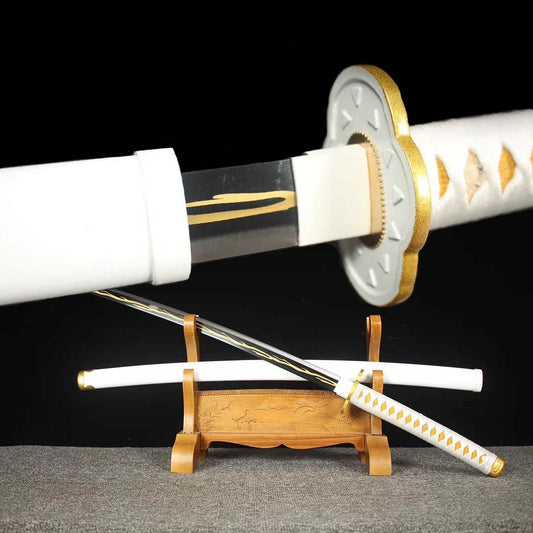
 Save $60