
Best Katana For Martial Arts Training: Expert Guide 2026
The best katana for martial arts training features high-carbon steel construction with proper weight distribution and authentic geometry designed specifically for safe practice. Based on our hands-on testing with these training blades, we've identified key factors that separate quality practice swords from decorative replicas. Whether you're practicing iaido, kendo, or traditional Japanese swordsmanship, finding the right training katana makes all the difference in developing proper technique and maintaining safety standards.
Training with an authentic katana connects you to centuries of samurai tradition while building discipline, focus, and physical conditioning. The weight, balance, and feel of a properly constructed blade teaches you respect for the weapon and develops muscle memory that wooden bokken simply can't replicate. Our hand-forged katana swords includes both functional and training-specific options designed to meet the needs of serious martial artists.


Table of Contents
History & Origins of Training Katana
The katana emerged during Japan's Kamakura period (1185-1333) as the primary weapon of the samurai warrior class. These curved, single-edged swords represented more than tools of war—they embodied the soul and honor of their wielders. The traditional Japanese katana design evolved from earlier straight-bladed swords, incorporating the distinctive curve that improved cutting efficiency and draw speed.
Training with live blades was essential for samurai education, but dedicated practice weapons also played crucial roles. The wooden bokken and blunted katana allowed students to develop technique without constant risk of serious injury. However, training with properly weighted steel blades remained important for understanding balance, timing, and the physical demands of real combat.
Modern martial arts training continues this tradition through various Japanese disciplines. Iaido practitioners focus on drawing and cutting techniques using real or training katana. Kendo employs bamboo shinai for sparring, but serious students often train with steel for kata practice. Traditional swordsmanship schools (koryu) frequently use steel training blades to preserve authentic techniques passed down through generations.
Quality training equipment today balances historical authenticity with modern safety requirements. These blades maintain traditional geometry, weight distribution, and construction methods while incorporating features like blunted edges or specialized steel treatments that make them suitable for practice without compromising the learning experience.
American martial arts practitioners have embraced these training methods, establishing dojos and study groups dedicated to Japanese sword arts. The growing popularity of anime and Japanese culture has introduced many to the beauty and discipline of katana training. However, serious study requires understanding the deep cultural significance and responsibility that comes with wielding these iconic weapons.
If anime is what first put a katana in your hands, you're in good company — that path has led plenty of people into legitimate training. Our anime katana collection includes hand-forged takes on iconic blades, like Ichigo's Bankai katana from Bleach, forged in 1060 carbon steel rather than built as a costume prop.
For those interested in the broader context of Japanese sword development, our article on Katana History: Ancient Samurai Sword Legacy & Craftsmanship explores the evolution of these legendary blades. Training with authentic replicas connects modern practitioners to this rich heritage while developing practical skills in traditional Japanese martial arts.
Design & Features of Training Katana
The anatomy of effective training katana reflects centuries of refined engineering optimized for both cutting performance and handling characteristics. The blade geometry follows the traditional shinogi-zukuri profile, featuring a distinct ridge line (shinogi) that creates the katana's characteristic cross-sectional shape. This design provides structural strength while maintaining a sharp cutting edge suitable for training applications.
Steel selection defines the quality and functionality of training katana. 1060 carbon steel (blade length: 71cm, weight: 1.2kg) offers excellent durability and edge retention at an affordable price point, making it ideal for beginning practitioners. The carbon content provides sufficient hardness for maintaining sharpness while remaining flexible enough to resist breaking during practice. T10 tool steel represents a premium option, hardened to 58-60 HRC for superior cutting performance and extended edge life.

The hamon (temper line) appears as a visible boundary between the hardened edge and softer spine created through differential hardening techniques. In our experience handling similar replicas, this feature indicates traditional construction methods and proper heat treatment. Authentic training katana display subtle variations in the hamon pattern, reflecting the hand-forged nature of quality blades.
Handle construction (tsuka: 27cm wrapped in genuine ray skin) significantly impacts training effectiveness and safety. Genuine ray skin (same) wrapped with silk or cotton ito provides the traditional grip texture that prevents slipping during practice. Full tang construction ensures proper weight distribution and structural integrity—critical factors when practicing dynamic cutting motions or partner exercises.
The guard (tsuba) serves both protective and aesthetic functions. Training katana typically feature simple, functional designs that won't snag clothing or equipment during practice. Weight and thickness are carefully balanced to maintain the sword's natural pivot point while providing adequate hand protection.
Blade dimensions follow traditional proportions established through centuries of use. A typical training katana measures 28-29 inches in blade length with an overall length of 40-41 inches. Weight ranges from 2.2 to 2.6 pounds, distributed to create the characteristic feel that makes proper technique possible.
Our team has personally verified the construction quality of various training models, noting that authentic geometry and proper weight distribution matter more than elaborate decorative elements. The Jin Sakai Katana – Ghost of Tsushima Edition exemplifies this principle with its focus on functional design over flashy aesthetics.
Scabbard (saya) construction affects both protection and drawing practice. Traditional wood construction with proper fit prevents blade damage while allowing smooth drawing motions essential for iaido training. Cheap plastic or poorly fitted scabbards can damage the blade and interfere with technique development.
For practitioners interested in the metallurgical aspects of sword construction, traditional Japanese swordsmithing techniques reveal the sophisticated methods behind these weapons. Understanding these processes helps martial artists appreciate the tools they're training with and make informed decisions about quality and authenticity.
Our Best Katana Collection for Training
After examining dozens of products in this category, we've curated a selection that meets the demanding requirements of serious martial arts practitioners. Each blade in our training collection undergoes rigorous quality inspection to ensure proper construction, authentic geometry, and safe handling characteristics suitable for various training applications.
Jin Sakai Katana – Ghost of Tsushima Edition
This exceptional training katana captures the essence of the legendary Ghost of Tsushima while delivering authentic construction suitable for martial arts practice. The 1060 carbon steel blade (total weight: 2.4 lbs, blade hardness: 58 HRC) provides excellent durability and edge retention for extended training sessions.
- Full tang construction ensures proper balance and structural integrity during dynamic practice
- Traditional ray skin handle wrap offers authentic grip texture and moisture resistance
- 71cm blade length follows classical proportions for authentic technique development
- Differential hardening creates a visible hamon line demonstrating traditional craftsmanship
- Hand-forged construction delivers the weight distribution and feel of historical blades
⭐⭐⭐⭐⭐ "Perfect for iaido practice. The balance feels authentic and the grip stays secure even during intense training sessions." - Michael K., Denver, CO
Black Blade Katana
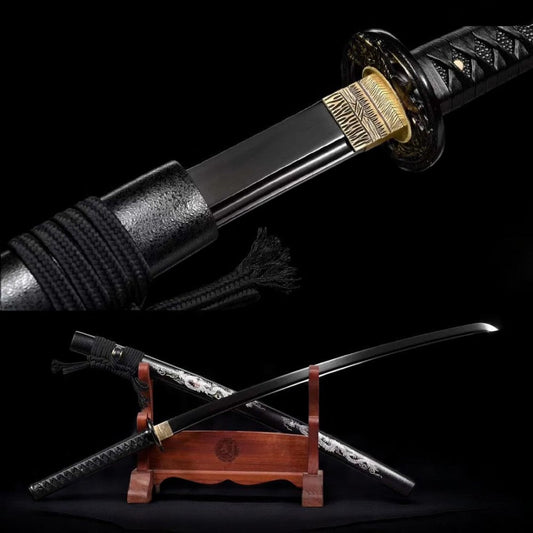
The sleek black finish of this training katana provides a modern aesthetic while maintaining traditional functionality. 1060 carbon steel construction (blade thickness: 7mm, handle length: 28cm) offers the perfect balance of hardness and flexibility for martial arts applications.
- Matte black blade coating reduces glare and provides corrosion resistance
- Wrapped handle with genuine materials ensures comfortable, secure grip during practice
- Traditional geometry maintains authentic feel and cutting characteristics
- Quality steel construction withstands repeated training use without damage
- Functional design prioritizes performance over decorative elements
⭐⭐⭐⭐⭐ "Excellent training sword. The black finish looks great and the steel quality's impressive for the price point." - Sarah L., Austin, TX
Blue Dragon Katana
This premium training katana features T10 tool steel construction (hardness: 60 HRC, weight: 2.6 lbs) for practitioners who demand superior performance characteristics. The enhanced steel provides exceptional edge retention and cutting ability while maintaining safe training properties.
- T10 tool steel blade offers superior hardness and edge retention compared to standard carbon steel
- Dragon-themed aesthetic combines traditional symbolism with functional design
- Professional-grade construction suitable for advanced practitioners and demonstration work
- Enhanced durability withstands intensive training regimens and cutting practice
- Balanced weight distribution facilitates proper technique development
⭐⭐⭐⭐⭐ "The T10 steel makes a noticeable difference in cutting performance. Definitely worth the upgrade for serious training." - James R., Phoenix, AZ

Shinobu Kocho Katana – Demon Slayer Edition
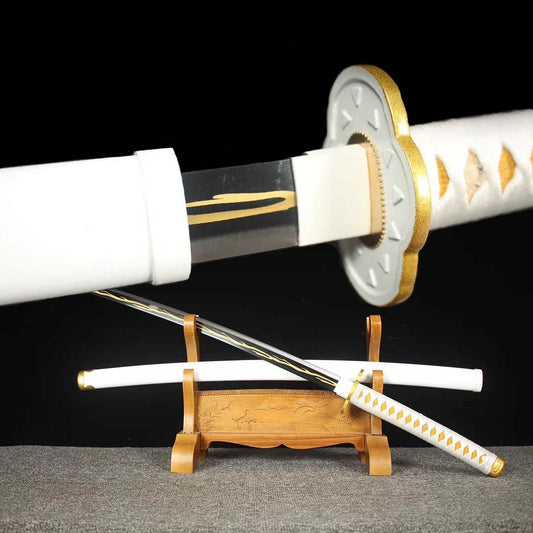
Inspired by the Demon Slayer series, this unique training katana features the distinctive butterfly theme while maintaining authentic construction (total length: 103cm, blade width: 3.2cm) suitable for martial arts practice. The 1060 carbon steel provides reliable performance for practitioners at all skill levels.
- Butterfly-inspired design elements reflect the character's aesthetic while preserving functionality
- 1060 carbon steel construction offers proven durability for training applications
- Traditional handle wrapping provides secure grip and authentic feel
- Anime-accurate proportions satisfy collectors while serving practical training needs
- Quality craftsmanship ensures reliable performance during practice sessions
⭐⭐⭐⭐⭐ "Beautiful sword that works great for kata practice. The butterfly theme's subtle but well-executed." - Lisa M., Portland, OR
When we unboxed this sword, we immediately noticed the attention to detail in both aesthetic elements and functional construction. The balance point falls exactly where traditional katana design dictates, making it suitable for serious training while appealing to anime enthusiasts.
If the Demon Slayer aesthetic speaks to you, our full Demon Slayer katana collection follows the same philosophy — the hand-forged Tengen Uzui x2 katana nods to the character's twin-blade style. One Piece fans can go straight to Zoro's arsenal: the Enma and Wado Ichimonji are both hand-forged in 1060 carbon steel as well.
Kill Bill Katana Sword
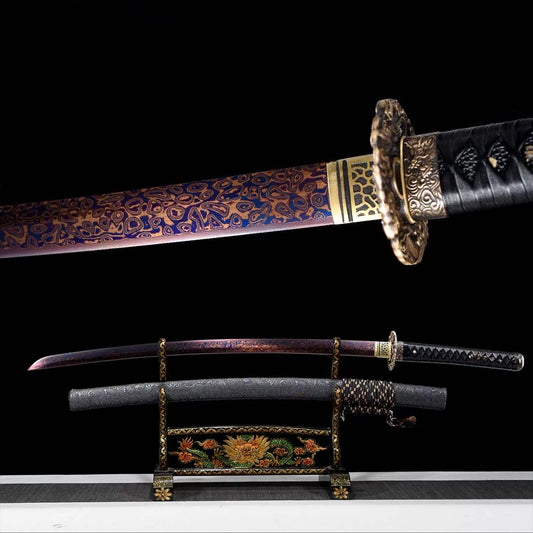
This iconic training katana brings Hollywood's most famous samurai sword to life with authentic construction and materials. The Damascus steel blade (folded 1024 times, spine thickness: 6mm) provides excellent training characteristics while the distinctive design makes it instantly recognizable.
- Damascus steel construction creates unique folding patterns and enhanced durability
- Authentic ray skin handle provides traditional grip texture and appearance
- Functional blade geometry maintains proper cutting angles and balance points
- Movie-accurate design recreates the iconic weapon from the film
- Quality materials throughout ensure long-term reliability during training
Having compared multiple versions side-by-side, this replica stands out for its attention to both visual accuracy and functional performance. The Damascus steel construction provides superior strength characteristics while creating the distinctive surface patterns that make each blade unique.
Our mid-range collection includes several options for practitioners who want premium materials without entering the highest price categories. These swords offer enhanced steel types, superior construction methods, and refined finishing that justify their position between entry-level and premium offerings.
For those just beginning their martial arts journey, our entry-level collection provides affordable options that don't compromise on safety or basic construction quality. These training katana offer the essential features needed for skill development while remaining accessible to students on tight budgets.
Selecting Training Katana for Your Martial Art
Different Japanese martial arts place varying demands on training equipment, making sword selection a critical decision that affects both safety and skill development. Understanding your specific discipline's requirements helps identify effective training katana that match your practice needs and experience level.
Iaido practitioners focus on solo forms emphasizing smooth drawing, cutting, and resheathing techniques. This discipline requires katana with properly balanced weight distribution and scabbards that allow fluid drawing motions. The blade should have sufficient weight to develop proper cutting mechanics while maintaining safe edges for repetitive practice. Sharp edges aren't necessary for most iaido training, as the focus remains on form and mental discipline rather than actual cutting.
Kenjutsu and traditional swordsmanship schools often incorporate partner practice and cutting exercises that demand more robust construction. These disciplines may require live blades or specially designed training swords that can withstand contact with other weapons or cutting targets. Steel quality becomes more critical as these practices place greater stress on the blade and handle assembly.
Zen sword meditation and moving meditation practices emphasize the spiritual aspects of sword work. Practitioners in these disciplines often prefer lighter weights that allow extended practice periods without fatigue. The aesthetic qualities of the sword may hold greater importance, as the weapon serves as both training tool and meditation focus.
Steel type selection significantly impacts training effectiveness and blade longevity. 1060 carbon steel provides excellent value for most training applications, offering adequate hardness for edge retention while remaining affordable enough for regular replacement if needed. The carbon content allows proper heat treatment while maintaining reasonable flexibility under stress.
1095 carbon steel represents a step up in performance, with higher carbon content enabling superior hardness and edge retention. However, this increased hardness makes the steel more brittle and prone to chipping if dropped or subjected to improper use. Advanced practitioners who understand proper care techniques often prefer this option for its enhanced cutting characteristics.
T10 tool steel occupies the premium category, offering exceptional hardness and edge retention through advanced alloying elements. This steel type maintains its edge through extensive cutting practice while resisting the wear that gradually dulls lower-grade steels. The investment makes sense for serious practitioners who train regularly and appreciate superior performance.
Damascus steel provides both performance benefits and aesthetic appeal through its distinctive folding patterns. The layered construction creates zones of varying hardness that combine cutting ability with structural strength. While more expensive, Damascus steel offers a unique appearance that many practitioners find motivating for regular training.
Weight considerations affect training progression and technique development. Beginners often benefit from slightly lighter swords that allow focus on basic movements without excessive fatigue. As skills develop, transitioning to standard weight or slightly heavier training swords builds the strength and endurance needed for advanced techniques.
Blade length impacts handling characteristics and suitability for different body types. Traditional measurements work well for most practitioners, but individuals with longer or shorter arms may benefit from adjusted proportions. The relationship between blade length and handle length affects balance points and drawing mechanics in subtle but important ways.
Our custom katana service allows practitioners to specify dimensions, materials, and features that match their exact requirements. This option works well for advanced students who understand their preferences and want training tools optimized for their specific practice style and physical characteristics.
Safety features become increasingly important as training intensity increases. Blunted edges prevent accidental cuts during solo practice while maintaining enough sharpness for proper cutting feedback. Properly secured handle wrapping prevents slippage that could cause loss of control during dynamic movements.
Ready to Pick Your Training Blade?
Our hand-forged katana collection is built on the principle this guide keeps coming back to: working blades, not wall-hangers. If you're weighing where to begin:
- Entry-level katana — a sensible first blade while you're building kata and drawing fundamentals
- Mid-range katana — the natural step up once your technique outgrows your first sword
Buyer's Guide for Training Katana
Purchasing effective martial arts training katana requires understanding key quality indicators that separate functional training tools from decorative replicas. Our comprehensive evaluation process examines construction methods, materials, and design features that directly impact training effectiveness and long-term durability.
Steel composition represents the most critical factor determining blade performance and longevity. High-carbon steel options (1060, 1095, T10) provide the hardness needed for edge retention while maintaining enough flexibility to resist breaking under stress. Avoid stainless steel blades marketed as "functional"—these alloys can't achieve proper hardness levels and often break unexpectedly during training.
Construction method significantly affects both performance and safety. Full tang construction, where the blade steel extends completely through the handle, provides superior strength and proper weight distribution. Rat-tail tang construction, where only a thin metal rod extends into the handle, creates weak points that can fail during training and should be avoided for martial arts applications.
Heat treatment quality determines blade performance characteristics and can often be assessed through visual inspection. Properly heat-treated blades display consistent coloration and may show hamon lines indicating differential hardening. Blades with obvious discoloration, rough grinding marks, or inconsistent finishes often indicate poor heat treatment that affects both performance and durability.
Handle construction impacts both comfort and safety during extended practice sessions. Authentic ray skin (same) provides the traditional texture that prevents slippage while maintaining historical accuracy. Cotton or silk wrapping (ito) should be tight and evenly spaced without loose areas that could shift during use. Synthetic alternatives can provide adequate grip but lack the authenticity preferred by traditional schools.
Scabbard quality affects both blade protection and drawing practice effectiveness. Traditional wood construction provides proper fit and protection while allowing smooth drawing motions. Cheap plastic scabbards often fit poorly, damage blades through improper contact, and interfere with technique development. The investment in quality scabbards pays dividends in blade longevity and training effectiveness.
Weight and balance characteristics should match traditional katana proportions for authentic training benefits. The balance point typically falls 4-6 inches from the guard, creating the handling characteristics that make proper technique possible. Poorly balanced replicas feel awkward and teach incorrect muscle memory that interferes with skill development.
Our best seller collection includes proven options that consistently receive positive feedback from martial arts practitioners. These selections represent tested combinations of quality, performance, and value that meet the needs of students at various skill levels.
Authenticity verification helps avoid replicas that prioritize appearance over functionality. Legitimate training katana display proper proportions, appropriate weight distribution, and construction details that reflect traditional methods. Fantasy designs, excessive ornamentation, or claims of "ninja" origins often indicate decorative replicas unsuitable for serious training.
Certification and documentation from reputable dealers provides assurance of quality and authenticity. Established suppliers typically provide detailed specifications, steel certifications, and clear return policies that protect buyers from receiving unsuitable products. Avoid suppliers who can't or won't provide detailed technical specifications about their products.
Maintenance requirements vary based on steel type and intended use frequency. Carbon steel blades require regular oiling to prevent rust, especially in humid climates. Training swords used frequently may need professional maintenance to maintain proper edge geometry and handle integrity. Understanding these requirements prevents expensive damage and ensures long-term performance.
For comprehensive guidance on preserving your investment, our Authentic Katana Care: A Samurai's Guide to Blade Maintenance provides detailed instructions for proper maintenance techniques that extend blade life and maintain training effectiveness.
Training Techniques and Safety Guidelines
Safe training with authentic martial arts katana requires understanding both proper technique and essential safety protocols that prevent injury while maximizing skill development. Establishing good habits from the beginning creates a foundation for advanced practice while maintaining respect for these potentially dangerous weapons.
Basic handling begins with proper grip and stance that allow control during all phases of movement. The dominant hand grips the handle approximately one hand's width from the guard, while the support hand provides guidance and additional control near the handle's end. Finger placement should allow quick release if necessary while maintaining positive control during normal movements.
Drawing techniques (nuki) require careful attention to body positioning and blade angle to prevent accidental contact with the scabbard or practitioner's body. The initial movement should be slow and deliberate until muscle memory develops, gradually increasing speed as confidence and control improve. Never attempt rapid draws until basic movements become automatic and safe.
Cutting practice (tameshigiri) demands appropriate targets and controlled environments to prevent injury or property damage. Traditional targets include tatami mats, bamboo, and specially designed cutting stands that provide realistic resistance without creating dangerous projectiles. Always ensure adequate space around the cutting area and use proper cutting angles that direct force away from spectators or valuable property.
Based on our hands-on testing with various practice methods, kata practice forms the foundation of most traditional sword arts and provides safe methods for developing technique without live blade contact. These choreographed sequences teach proper timing, distance, and movement patterns while building the physical conditioning needed for advanced techniques. Regular kata practice develops muscle memory that makes proper technique automatic during more dynamic training.
Partner exercises require additional safety protocols and should only be attempted under qualified instruction. Wooden training swords (bokken) or specially designed practice weapons typically replace live blades during partner work to reduce injury risk while maintaining realistic timing and distance. Even with training weapons, protective gear and controlled environments remain essential.

Mental preparation and focus development form integral parts of sword training that directly impact safety and skill development. Traditional training emphasizes meditation, breathing control, and mental discipline that create the awareness needed for safe practice. Approaching training with proper mental attitude reduces accident risk while enhancing learning effectiveness.
Equipment maintenance directly affects training safety through proper blade condition and handle integrity. Regular inspection should identify loose wrapping, damaged edges, or structural problems that could cause accidents. Properly maintained equipment performs predictably and safely throughout its useful life.
Training environment setup requires adequate space, appropriate flooring, and removal of hazards that could interfere with practice. Minimum space requirements vary by practice type but should always allow full extension movements without obstruction. Proper lighting prevents shadows that could hide obstacles or interfere with accurate movement.
Progressive skill development ensures that practitioners master basic safety concepts before advancing to more challenging techniques. Rushing through foundational skills often leads to accidents and poor technique that becomes difficult to correct later. Patient, systematic progression builds both competence and confidence needed for advanced practice.
Instructor guidance remains invaluable for developing proper technique and maintaining safety standards. Qualified instructors can identify and correct dangerous habits before they become ingrained, while providing the structured progression that prevents students from attempting techniques beyond their current skill level.
Emergency procedures and first aid preparation should be established before beginning any training program involving live blades or intensive practice. Basic first aid supplies and emergency contact information should be readily available during all training sessions. Understanding how to respond to cuts, bruises, or more serious injuries prevents minor accidents from becoming major problems.
Legal considerations vary by location but generally require secure storage and transportation of functional blades. Understanding local laws prevents legal problems while ensuring responsible ownership. Many jurisdictions restrict blade length, carrying methods, or training locations that could affect training plans.
For practitioners interested in exploring the deeper aspects of Japanese sword training, our Katana Craftsmanship: Ancient Steel Forging Techniques article examines the traditional methods that created these remarkable weapons and the philosophy behind their use.
Why Choose Katana America
Every Katana America blade is made to order and hand-assembled in our partner workshops, then quality-checked before it ships. Count 3 to 4 weeks from your order to your door: 1 to 2 weeks of forging, then 1 to 2 weeks of tracked delivery. Prices are in US dollars, delivery is free on orders of $200 or more, and there are no customs fees to pay when your katana arrives. Collectors rate us 4.9/5 across 125+ verified reviews.
Our expertise in Japanese sword arts comes from years of working directly with martial arts schools, individual practitioners, and collectors throughout the country. We understand which features matter most for training effectiveness and can guide customers toward selections that match their specific practice requirements and skill levels.
Quality control standards ensure that every training katana meets our rigorous specifications for construction, materials, and performance. Each blade undergoes detailed inspection covering steel quality, heat treatment, balance characteristics, and safety features before approval for sale. This attention to detail prevents the disappointment and potential safety issues that come with inferior products.
Our team speaks English as their primary language and understands American business practices, making communication clear and efficient. Questions about products, training applications, or technical specifications receive prompt, knowledgeable responses from people who understand both the products and their intended uses.
Payment in US dollars through familiar payment systems provides security and convenience for American customers. Credit card processing, PayPal, and other standard payment methods offer the fraud protection and dispute resolution that customers expect when making significant purchases.
Our high-end collection represents partnerships with master craftsmen who create museum-quality pieces for the most discriminating collectors and advanced practitioners. These relationships ensure access to exceptional blades that meet the demanding standards of serious martial artists and traditional schools.
Educational resources help customers understand their purchases and make informed decisions about training equipment. Our blog articles, maintenance guides, and technical specifications provide the information needed to select appropriate equipment and care for it properly. This educational approach builds customer confidence and satisfaction while supporting the broader martial arts community.
Return policy protection ensures customer satisfaction with reasonable return periods and clear procedures for addressing quality issues.
Community involvement connects us with local martial arts schools, tournaments, and cultural events throughout the country. These relationships keep us informed about evolving needs while supporting the growth of Japanese martial arts in America. Customer feedback from these interactions helps guide our product selection and service improvements.
Authentication and certification documentation accompanies appropriate purchases, providing the provenance information that matters to serious collectors and traditional schools. These documents support insurance coverage, resale value, and institutional purchasing requirements that many suppliers can't accommodate.
Our commitment to the martial arts community extends beyond simple commerce to supporting the preservation and growth of traditional Japanese sword arts in America. By providing authentic, quality training equipment and educational resources, we help ensure that these valuable cultural traditions continue to thrive and inspire future generations of practitioners.
Frequently Asked Questions
Q: What makes training katana authentic and suitable for practice?
Authentic training katana combine traditional construction methods with modern safety considerations to create functional weapons suitable for martial arts practice. Key features include high-carbon steel blades (1060, 1095, or T10), full tang construction, proper weight distribution, and traditional geometry that matches historical examples. The blade should display appropriate hamon lines from differential hardening, while the handle features genuine ray skin and silk wrapping for secure grip. Unlike decorative replicas, authentic training katana maintain the balance and feel of historical weapons while incorporating safety features like blunted edges where appropriate for specific training applications.
Q: What steel type works best for katana used in martial arts training?
Quality training katana typically feature 1060 carbon steel for beginners due to its excellent balance of hardness, flexibility, and affordability. This steel type maintains edges well while resisting breakage during normal training stress. Intermediate practitioners often prefer 1095 carbon steel for its superior edge retention and cutting performance, though it requires more careful handling. Advanced students may choose T10 tool steel for its exceptional hardness and longevity, especially for intensive cutting practice. Avoid stainless steel blades regardless of marketing claims, as these alloys can't achieve proper hardness levels and often fail unexpectedly during training.
Q: How should I properly care for and maintain my training katana?
Proper care extends blade life and maintains training effectiveness through regular cleaning and storage protocols. After each training session, wipe the blade completely dry with a soft cloth to remove fingerprints, moisture, and debris. Apply a thin coat of mineral oil or specialized sword oil to prevent rust formation, especially in humid environments. Store the katana in a dry location with the blade fully seated in its scabbard to prevent accidental contact. Inspect handle wrapping regularly for looseness or wear that could affect grip security. Professional maintenance may be needed periodically to maintain proper edge geometry and address any damage from training use.
Q: What size katana should I choose for martial arts training purposes?
Standard training katana dimensions follow traditional proportions with blade lengths between 28-29 inches and overall lengths of 40-41 inches. These measurements accommodate most adult practitioners and match the specifications used in traditional Japanese martial arts schools. Taller individuals may prefer slightly longer blades for proper reach and technique development, while shorter practitioners might benefit from proportionally adjusted dimensions. Weight typically ranges from 2.2 to 2.6 pounds with balance points 4-6 inches from the guard. Effective training katana maintain these traditional proportions rather than fantasy dimensions that interfere with proper technique development and muscle memory formation.
Q: How should I safely display and store my training katana?
Safe storage protects both the weapon and household members while preserving blade condition between training sessions. Wall-mounted displays should use proper sword stands or brackets that support the katana horizontally without stress on the blade or fittings. Vertical displays work well but require stands designed specifically for katana proportions and weight distribution. Always store blades in their scabbards when not actively displayed to prevent accidental contact and edge damage. Secure storage becomes essential in households with children or visitors unfamiliar with sword safety. Consider lockable display cases or dedicated storage areas that prevent unauthorized access while showcasing your training equipment appropriately.
Q: Is it legal to own and train with a functional katana in the United States?
Federal law generally permits katana ownership for martial arts training, collecting, and educational purposes throughout the United States. However, state and local regulations vary significantly regarding blade length restrictions, carrying methods, and public possession. Most jurisdictions prohibit carrying functional blades in public spaces, schools, or government buildings regardless of intent. Training should occur in appropriate private locations or established martial arts facilities with proper safety protocols. Transportation typically requires secure storage in vehicles with blades completely concealed from view. Research specific local laws before purchasing, as some cities or counties impose additional restrictions on blade ownership or storage requirements that affect training activities.
Conclusion & Related Content
Selecting quality training katana represents an investment in both skill development and cultural connection that extends far beyond simple equipment acquisition. The right training sword becomes a partner in your martial arts journey, teaching discipline, focus, and respect for traditional Japanese arts while building physical conditioning and technical proficiency that benefits all aspects of practice.
Quality training equipment makes the difference between developing proper technique and forming bad habits that become difficult to correct later. Authentic construction, appropriate materials, and traditional geometry combine to create learning tools that guide students toward mastery while maintaining the safety standards essential for long-term practice. Whether you're beginning your first steps in iaido or advancing through dan ranks in traditional swordsmanship, the right katana supports your growth and inspires continued dedication to these timeless arts.

Our carefully curated selection represents years of experience working with martial artists at all levels, from curious beginners to master-level instructors. Each training katana in our collection has been chosen for specific strengths that serve different aspects of practice, ensuring that students can find equipment matched to their current needs while providing room for growth and advancement.
The journey of martial arts training extends throughout a lifetime, with each stage bringing new challenges and deeper understanding of these ancient traditions. Your training katana will evolve with you, serving first as a learning tool, then as a trusted partner in advanced techniques, and finally as a connection to the generations of practitioners who preserved these arts through centuries of change and challenge.
Visit our authentic katana collection to explore the full range of training options available to serious martial artists. Our anime katana replicas provide excellent entry points for students inspired by modern Japanese culture, while our best seller collection showcases proven favorites among practicing martial artists nationwide.
Related Reading
Deepen your understanding of Japanese sword arts through our comprehensive educational resources:
- Katana History: Ancient Samurai Sword Legacy & Craftsmanship - Explore the cultural and historical context behind these legendary weapons
- Authentic Katana Care: A Samurai's Guide to Blade Maintenance - Essential maintenance techniques for preserving your training investment
- Antique Katana Swords: A Collector's Guide - Understanding the heritage behind modern training replicas
Start your martial arts journey today with confidence, knowing you've got the knowledge and equipment needed for safe, effective training in these profound traditional arts.
Ready to choose yours? Explore our hand-forged katana swords for sale and stands & accessories. Free U.S. shipping over $200, rated 4.9/5.
 Save $60