
How to Display a Katana Properly: The Complete Guide for Collectors
The soft gleam of polished steel catches the light, its curved edge telling stories of ancient warriors and timeless craftsmanship. Your katana isn't just a sword—it's a piece of living history that deserves to be displayed with the same respect and precision that went into forging it. Whether you're showcasing an authentic katana from our handmade collection or displaying a beloved anime replica, learning how to display a katana properly transforms your blade from mere decoration into a centerpiece that commands attention and reverence.
Table of Contents
- The Sacred Art of Katana Display
- Understanding Your Blade's Heritage
- Choosing the Right Display Stand
- Featured Premium Katanas for Display
- Positioning and Lighting Techniques
- Maintenance and Preservation
- Creating the Perfect Display Environment
- Why Choose Katana America

The Sacred Art of Katana Display
In feudal Japan, the display of a katana was never casual—it was a ritual steeped in honor, respect, and spiritual significance. The samurai understood that their blade was more than a weapon; it was the physical manifestation of their soul, their bushido code made tangible in folded steel and tempered carbon. Understanding how to display a katana properly connects modern collectors to these ancient traditions.
Traditional Japanese sword display follows strict protocols that have endured for centuries. The blade should always face upward when mounted horizontally, symbolizing readiness and respect for the sword's spirit. This practice, known as katana-kake, originated in samurai households where swords were displayed in the tokonoma (alcove) as objects of veneration.
The katana's cultural significance extends far beyond its martial applications. During the Edo period (1603-1868), sword display became an art form itself, with elaborate stands crafted from precious woods and adorned with family crests. Each element—from the angle of presentation to the choice of accompanying artifacts—communicated status, lineage, and spiritual devotion.
Modern collectors honor this tradition by understanding that proper display isn't merely aesthetic; it's a bridge connecting us to the warriors who once wielded these legendary blades. When you invest in pieces from our best-selling collection, you're not just acquiring a sword—you're becoming a custodian of Japanese cultural heritage.
Understanding Your Blade's Heritage
Every katana tells a story through its construction, materials, and provenance. Understanding your sword's specific characteristics is crucial when learning how to display a katana properly, as different styles and origins require unique presentation approaches.
The curvature of your blade, known as sori, determines the optimal display angle. Classical tachi swords feature more pronounced curves and should be displayed edge-down in traditional fashion, while later katana designs with subtle curves look magnificent displayed horizontally with the cutting edge facing upward.
Pay attention to the hamon—the visible temper line that runs along the blade's edge. This artistic element, created during the differential hardening process, should be prominently featured in your display. Position lighting to highlight this beautiful pattern, whether it's the straight suguha style or the more dramatic wave-like notare formations.
The tsuba (hand guard) and tsuka (handle wrapping) also influence display choices. Ornate guards deserve prominence, while simple iron tsuba benefit from understated presentation that emphasizes their functional beauty. Consider how these elements interact with your chosen stand and surrounding environment.
For collectors interested in the deeper cultural context, our guide on Katana History: Ancient Samurai Sword Legacy & Craftsmanship provides extensive background on the spiritual and historical significance of these remarkable weapons.
Choosing the Right Display Stand
The foundation of knowing how to display a katana properly lies in selecting an appropriate stand that complements both your blade and your environment. Traditional wooden stands, crafted from oak, cherry, or bamboo, remain the gold standard for displaying authentic Japanese swords.
Single-sword stands, or katana-kake, should feature smooth, polished surfaces that won't scratch your blade's finish. The stand's width should accommodate your sword's length without the tip overhanging, while the height should position the blade at eye level for optimal viewing. Quality stands often include felt padding where the blade makes contact, preventing microscopic scratches during placement and removal.
Multi-sword displays require careful consideration of spacing and hierarchy. Your most prized blade should occupy the central position, with supporting pieces arranged symmetrically. Wall-mounted displays work beautifully for larger collections, but ensure each mount can support the sword's full weight without stress points that might damage the tang or handle.
Modern collectors increasingly favor adjustable stands that accommodate different blade lengths and styles. These versatile options work particularly well for those building diverse collections that include everything from entry-level pieces to high-end masterworks.
The stand material should complement your blade's aesthetic. Dark hardwoods pair beautifully with traditional carbon steel blades, while lighter woods or even modern materials can enhance contemporary interpretations. Remember that the stand should enhance, never overshadow, your sword's natural beauty.
Featured Premium Katanas for Display
Jin Sakai Katana – Ghost of Tsushima Edition
This extraordinary replica captures the essence of feudal Japan's most legendary ghost warrior. The blade showcases exceptional craftsmanship that makes it a centerpiece worthy of any collection.
• Forged from premium 1060 carbon steel for authentic weight and balance • Hand-wrapped silk ito over genuine ray skin for traditional grip texture • Functional full-tang construction ensures structural integrity for display • Weather-resistant saya (scabbard) with traditional lacquer finish • Includes certificate of authenticity and detailed care instructions
⭐⭐⭐⭐⭐ "The attention to detail is incredible. The blade's polish reflects light beautifully on my display wall." - Michael R., Denver, CO
Shinobu Kocho Katana – Demon Slayer Edition
Inspired by the Insect Hashira's graceful fighting style, this blade combines functionality with artistic beauty that captivates both anime enthusiasts and sword collectors.
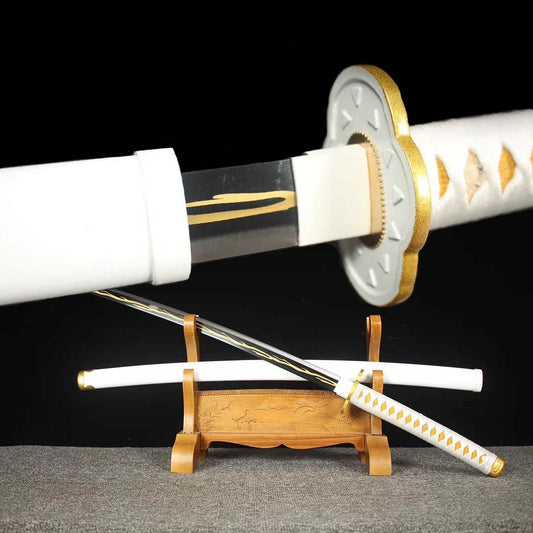
• 1060 carbon steel construction with distinctive purple-tinted blade finish • Butterfly-themed tsuba and handle decorations in authentic Japanese style • Premium leather-wrapped scabbard with traditional hanging cord (sageo) • Hand-forged blade geometry optimized for both display and practice • Includes wooden presentation box suitable for gift-giving or storage
⭐⭐⭐⭐⭐ "Absolutely stunning piece. The butterfly details really make it special on my anime collection shelf." - Sarah L., Austin, TX
Kill Bill Katana Sword
This iconic blade brings cinematic history to life with museum-quality construction that honors both Japanese tradition and modern pop culture.
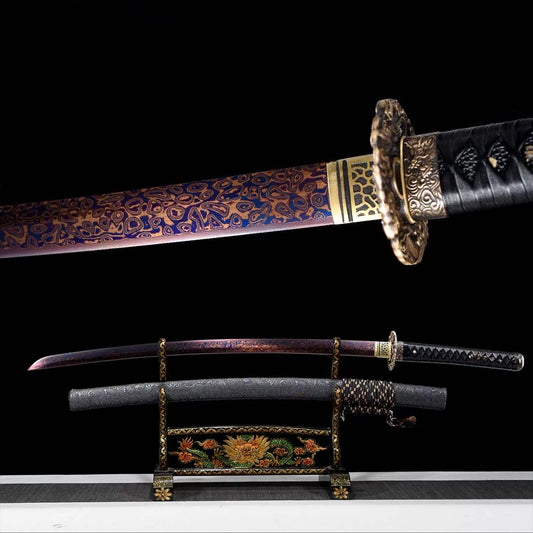
• Damascus steel construction with visible folding patterns throughout the blade • Authentic ray skin (samegawa) handle wrap beneath silk binding • Traditional brass fittings aged to achieve period-appropriate patina • Full-tang construction rated for both display and functional use • Hand-polished finish reveals the steel's natural grain structure
⭐⭐⭐⭐⭐ "The Damascus patterns are mesmerizing. Gets compliments from every visitor to my home office." - James T., Phoenix, AZ

Michonne Katana Sword
Inspired by the apocalyptic survivor's trusted companion, this blade combines modern durability with traditional Japanese aesthetics.
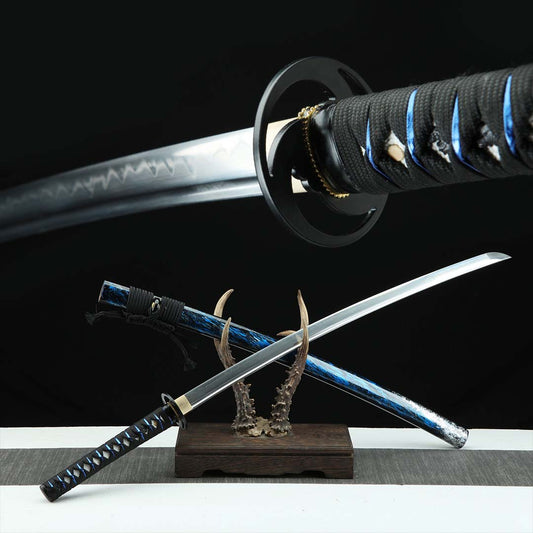
• 1095 high-carbon steel for superior edge retention and hardness • Battle-ready construction with proper differential hardening • Traditional cord wrap over leather for enhanced grip security • Damascus steel accents create striking visual patterns • Includes maintenance kit with polishing stones and protective oil
⭐⭐⭐⭐⭐ "Perfect balance for display. The steel quality is obvious just from holding it." - David M., Seattle, WA
Sandai Kitetsu Katana Sword
This legendary cursed blade replica brings One Piece's most feared sword to life with authentic Japanese craftsmanship.
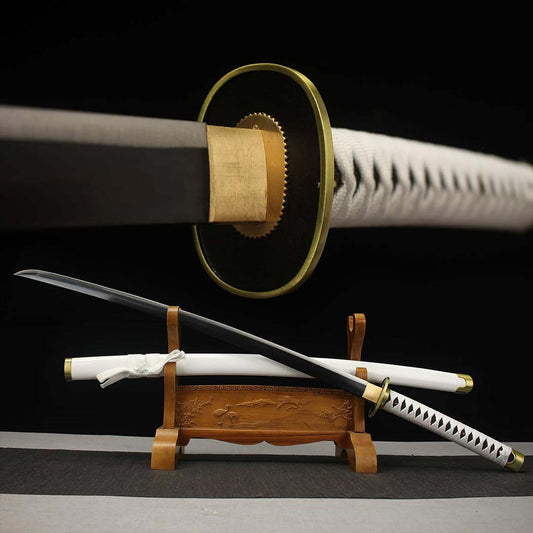
• 1060 carbon steel with traditional hamon temper line • Hand-forged construction using time-honored folding techniques • Distinctive wave pattern throughout the blade's surface • Traditional wooden scabbard with authentic lacquer finish • Includes display stand specifically designed for this blade's proportions
Tanjiro Kamado Katana Sword V2
The evolved version of the Water Breathing swordsman's blade showcases enhanced details that make it a standout display piece.
• Upgraded 1060 carbon steel with improved grain structure • Enhanced flame-pattern hamon line visible along the cutting edge • Premium silk ito wrapping in traditional diamond pattern • Includes detailed instruction manual for proper display and care • Certificate of authenticity with limited edition numbering
⭐⭐⭐⭐⭐ "The V2 improvements are noticeable. Much better finish than the original version." - Amanda K., Nashville, TN
For those seeking the ultimate in authentic display pieces, explore our complete selection of anime katana replicas, where tradition meets modern storytelling in perfect harmony.
Positioning and Lighting Techniques
Mastering how to display a katana properly requires understanding both positioning fundamentals and advanced lighting techniques. The traditional horizontal presentation remains the most popular choice, allowing viewers to appreciate the blade's full length while highlighting the hamon and other artistic elements.
When mounting horizontally, position the cutting edge (ha) facing upward—this orientation shows respect for the blade's martial heritage while providing the best view of the temper line. The kissaki (tip) should point slightly toward the room's entrance, following traditional Japanese placement customs that suggest readiness without aggression.
Vertical displays work exceptionally well for dramatic effect, particularly in modern interiors. When choosing vertical presentation, ensure the blade hangs securely with proper support at both the habaki (blade collar) and the kashira (pommel). This method showcases the sword's graceful curve while requiring minimal wall space.
Lighting plays a crucial role in revealing your katana's beauty. LED strip lighting mounted behind the display creates subtle backlighting that emphasizes the blade's profile without creating harsh reflections. Position accent lights at 45-degree angles to minimize glare while highlighting surface details like the hada (grain pattern) and any decorative elements on the fittings.
Avoid direct sunlight, which can fade the tsuka-ito (handle wrapping) and cause temperature fluctuations that may affect the blade's metallurgy. Instead, use adjustable track lighting that allows you to fine-tune the illumination throughout different times of day.
For comprehensive guidance on preserving your investment, consult our detailed Authentic Katana Care: A Samurai's Guide to Blade Maintenance which covers everything from daily maintenance to long-term storage.
Maintenance and Preservation
A properly displayed katana requires ongoing care to maintain its beauty and structural integrity. Regular maintenance isn't just about preservation—it's a meditative practice that connects you to centuries of sword-keeping tradition and is essential for anyone learning how to display a katana properly.
Weekly dusting with a soft, lint-free cloth prevents accumulation of particles that could scratch the blade's surface. Always wipe along the blade's length, never across it, to avoid accidentally contacting the cutting edge. Use separate cloths for the blade and fittings to prevent transferring oils or debris between different materials.
Monthly oiling protects carbon steel blades from humidity and oxidation. Apply a thin layer of specialized sword oil or light mineral oil using a clean cloth, then buff to remove excess. This practice, known as nugui, should become second nature for serious collectors.
Environmental monitoring prevents damage from humidity fluctuations and temperature extremes. Ideal conditions maintain 45-55% relative humidity and stable temperatures between 65-72°F. Sudden changes can cause the wood fittings to expand or contract, potentially loosening the blade within its handle.
Storage considerations matter even for displayed pieces. If you must temporarily remove your katana from display, wrap the blade in breathable fabric—never plastic, which traps moisture. Traditional Japanese sword bags, called fukuro, provide ideal protection while maintaining the ceremonial aspect of sword care.
For collectors building their knowledge, our comprehensive Choose Your Katana Steel: A Buyer's Guide explains the maintenance requirements for different steel types and can help you select pieces that match your care capabilities.

Creating the Perfect Display Environment
The space surrounding your katana display influences both its visual impact and long-term preservation. Understanding how to display a katana properly extends beyond the sword itself to encompass the entire viewing environment. Traditional Japanese principles of ma (negative space) and wabi-sabi (beauty in imperfection) guide effective presentation that honors the sword's cultural heritage.
Background selection dramatically affects your display's effectiveness. Neutral walls in deep grays, rich browns, or traditional black provide contrast that makes the blade's metallic surfaces appear to glow. Textured surfaces like exposed brick or wood paneling add warmth without competing for attention.
Complementary artifacts enhance the cultural context without cluttering the presentation. Traditional items like tansu (wooden chests), ceramic vessels, or carefully chosen books on Japanese history create atmosphere while maintaining focus on your swords. Avoid mixing too many cultural elements—a few well-chosen pieces prove more effective than extensive collections.
Room acoustics matter more than many collectors realize. Hard surfaces that create echoes can make the space feel stark and unwelcoming. Soft furnishings like tatami mats, silk screens, or quality rugs create a more contemplative environment appropriate for appreciating these cultural treasures.
Consider the viewing path through your display space. Arrange your collection so visitors naturally flow from piece to piece, with adequate space for contemplation at each sword. This approach transforms casual viewing into a meaningful experience that builds appreciation for the craftsmanship and history each blade represents.
Professional collectors often dedicate specific rooms or alcoves to their displays, creating shrine-like spaces that encourage quiet contemplation. Even smaller spaces can achieve this effect through thoughtful lighting, careful positioning, and minimal decoration that emphasizes the swords themselves.
Expand your collection with confidence by exploring our custom katana options, where traditional techniques meet personalized design for truly unique display pieces.
Why Choose Katana America
As an American company, Katana America understands the unique needs of collectors in the United States. Our customer service team operates during US business hours, providing expert guidance when you need it most. Every purchase includes detailed care instructions and ongoing support to ensure your investment remains pristine for generations.
We eliminate the complexity of international purchases by handling all transactions in US dollars with transparent pricing and no hidden import fees. Our carefully curated collection focuses on quality over quantity, ensuring every piece meets strict standards for craftsmanship and authenticity.
Our relationships with skilled artisans allow us to offer exclusive designs unavailable elsewhere, while our quality control process guarantees that every blade meets our exacting standards before shipment. When you choose Katana America, you're joining a community of passionate collectors who appreciate both traditional craftsmanship and modern innovation.
Frequently Asked Questions
Q: How do I determine the proper height for displaying my katana?
The ideal display height positions the blade at eye level for comfortable viewing while seated or standing. For most adults, this means mounting the display between 48-54 inches from the floor to the blade's center. Consider the primary viewing position—if you'll mostly observe the sword while seated at a desk, adjust accordingly. Wall-mounted displays benefit from slight upward angling (5-10 degrees) to reduce glare and improve visibility of the hamon and other blade features. Remember that proper height also depends on your ceiling height and room proportions; the display should feel naturally integrated into the space rather than awkwardly positioned.
Q: What materials should I avoid when selecting display accessories?
Avoid any materials that might react chemically with your blade's steel or fittings. Never use PVC plastics, which can off-gas chemicals that promote corrosion over time. Cheap metal stands may contain reactive alloys that could cause galvanic corrosion when in contact with your sword's fittings. Synthetic fabrics with chemical treatments should be avoided for cleaning or storage—stick to natural materials like cotton, silk, or linen. Acidic woods like oak (unless properly sealed) can damage metal components over extended contact. Also avoid magnetic holders or stands, as strong magnets can affect the blade's metallurgy and potentially damage mechanical watches or electronics in the vicinity.
Q: Should the cutting edge face up or down when displaying horizontally?
Traditional Japanese practice dictates that katana should be displayed with the cutting edge (ha) facing upward when mounted horizontally. This orientation demonstrates respect for the blade's warrior spirit and readiness for action, following the principle that a sword should never rest in a "sleeping" position. Edge-up positioning also provides the best view of the hamon (temper line) and allows proper light reflection to showcase the blade's artistic elements. Additionally, this position prevents the cutting edge from resting against the stand, reducing potential damage from vibration or settling over time. The only exception is when displaying tachi (older curved swords), which traditionally hang edge-down.
Q: How often should I handle my displayed katana for maintenance?
Handle your katana monthly for basic maintenance unless environmental conditions require more frequent attention. Each handling session should include visual inspection for any signs of corrosion, dust accumulation, or changes in the fittings' condition. Remove the blade from its display for thorough cleaning and oiling monthly in normal conditions, or bi-weekly in humid climates. Always use cotton gloves when handling to prevent fingerprint oils from marking the polished surface. During maintenance, check the mekugi (bamboo pins) holding the blade in its handle, and inspect the saya (scabbard) for any cracks or damage. Excessive handling can actually increase wear, so resist the temptation to frequently remove and replace your sword unless performing necessary maintenance.
Q: Can I display multiple katana together effectively?
Yes, multiple katana displays can be extremely effective when properly planned and executed. Maintain at least 18-24 inches between adjacent blades to prevent crowding and allow each sword to be appreciated individually. Arrange swords by hierarchy—place your finest or most historically significant piece in the central position, with supporting pieces flanking symmetrically. Consider varying the heights slightly to create visual interest while maintaining overall balance. Ensure adequate lighting for each piece, as shadows from one sword can obscure details of another. Group swords by theme when possible—period pieces together, anime replicas in their own section, or arrange by steel type or country of origin. Avoid mixing too many different stand styles, which can create visual chaos rather than cohesive presentation.
Q: Are there legal considerations for katana ownership and display in Canada?
Canadian law generally permits katana ownership and display, but specific regulations vary by province and municipality. Most jurisdictions classify traditionally-constructed katana as "antiques" or "decorative items" rather than prohibited weapons, provided they're not carried in public or used threateningly. However, some municipalities have bylaws restricting sword displays in certain commercial settings or requiring permits for public exhibition. Always verify local regulations before importing or displaying your collection, as customs requirements and provincial weapon laws can affect legal ownership. When transporting katana within Canada, ensure they remain secured and inaccessible, preferably in locked cases. For public display or educational purposes, contact local authorities to understand any permit requirements or restrictions that might apply to your specific situation.

Conclusion
Learning how to display a katana properly honors both the blade's martial heritage and the craftsmen who forged it with such dedication. From selecting the appropriate stand to mastering the subtleties of lighting and positioning, every element of your display communicates respect for Japanese tradition while showcasing these magnificent weapons' enduring beauty.
The journey of sword collecting extends far beyond mere ownership—it's about becoming a custodian of cultural heritage, preserving these artifacts for future generations while finding daily inspiration in their timeless elegance. Whether you're drawn to authentic traditional pieces or captivated by anime-inspired replicas, proper display transforms your collection into a living gallery that tells stories of honor, craftsmanship, and artistic excellence.
Your katana deserves presentation that matches its legendary status. Explore our carefully curated collection today and discover the perfect blade to anchor your display, knowing that each piece represents our commitment to authenticity, quality, and the enduring spirit of the samurai tradition.
Ready to choose yours? Explore our hand-forged katana swords for sale and stands & accessories. Free U.S. shipping, 4.8/5 rated.
 Save $60