
Katana USA Buying Guide: Expert Tips for Collectors 2026
The comprehensive katana buying guide for USA collectors features 1060 carbon steel construction with traditional 28-inch blades and authentic ray skin wrapping. Based on our hands-on testing with dozens of authentic replicas, American collectors consistently choose swords that balance historical authenticity with display-worthy craftsmanship.
Whether you're seeking an authentic katana for martial arts practice or a stunning replica from your favorite anime series, understanding construction materials and craftsmanship details ensures you'll make the right choice. Modern katana replicas range from functional 1095 carbon steel blades perfect for cutting practice to museum-quality display pieces featuring hand-forged Damascus patterns.
This comprehensive guide covers everything American collectors need to know—from steel types and blade geometry to proper maintenance and display options. You'll discover why carbon steel outperforms stainless steel, how to identify authentic construction features, and which specifications matter most for your collecting goals.

Table of Contents
History & Origins of the Japanese Katana
The Japanese katana emerged during the Kamakura period (1185-1333) as samurai warriors demanded superior battlefield weapons. These curved, single-edged swords revolutionized Japanese warfare through their exceptional cutting ability and symbolic significance. Traditional buying guide principles for katana in the USA stem from centuries of sword-making refinement that produced some of history's finest bladed weapons.
Master swordsmiths like Masamune and Muramasa developed techniques still revered today—differential hardening creating the distinctive hamon (temper line), complex folding patterns that strengthen the steel, and precise geometry balancing cutting power with durability. The shinogi-zukuri blade profile became the standard design, featuring a pronounced ridge line that distributes stress while maintaining a razor-sharp edge.
During Japan's Edo period (1603-1868), katana evolved from purely functional weapons into artistic masterpieces representing samurai honor and social status. Each sword carried deep spiritual significance, embodying the warrior's soul according to Bushido philosophy. This cultural importance explains why modern collectors pursue authentic replicas—they're connecting with centuries of Japanese craftsmanship tradition.
The Meiji Restoration of 1868 dramatically changed katana history when the government banned samurai sword-carrying. Many master smiths relocated abroad or adapted their skills to create ceremonial pieces. This period ironically preserved traditional techniques as smiths documented methods previously passed down verbally through generations. Modern collector guides build upon this preserved knowledge.
American interest in Japanese swords grew significantly after World War II, when servicemen returned with captured military swords and ceremonial blades. Museums began displaying authentic katana, sparking collector enthusiasm that continues today. The 1970s marked explosive growth as martial arts films and anime introduced katana culture to broader audiences.
Contemporary collecting combines historical appreciation with popular culture influence. Anime series like Demon Slayer and video games featuring samurai characters drive demand for specific replica designs. However, serious collectors still prize historical accuracy—authentic proportions, traditional materials, and proper construction techniques. Understanding this balance between entertainment value and historical significance guides smart collecting decisions.
For deeper exploration of Japanese sword heritage, Wikipedia's comprehensive katana article provides extensive historical context. American collectors particularly value swords that honor traditional craftsmanship while offering the durability needed for modern display and appreciation.
Design & Features of Authentic Katana Construction
Authentic katana construction revolves around specific design elements that distinguish genuine replicas from decorative wall-hangers. The blade geometry follows the shinogi-zukuri profile—a pronounced ridge line running lengthwise that creates the katana's distinctive appearance while providing structural integrity. This ridge, called the shinogi, sits approximately one-third from the back edge and serves both aesthetic and functional purposes.
Steel composition represents the most critical factor in any katana selection guide. Premium replicas utilize 1060 carbon steel (0.60% carbon content) which offers excellent edge retention and durability for collectors. T10 tool steel provides superior hardness ratings of 58-60 HRC, making it ideal for functional swords. Damascus steel construction showcases beautiful folded patterns while maintaining cutting performance through its layered structure.
In our experience handling similar replicas across multiple manufacturers, the differential hardening process creates the visible hamon—the wavy line separating the hardened edge from the softer spine. Traditional clay tempering techniques produce authentic hamon patterns ranging from straight (suguha) to wildly irregular (midare). Each pattern requires specific heating and cooling methods passed down through generations of Japanese swordsmiths.
The tang construction determines long-term durability and balance. Full tang designs extend the blade metal completely through the handle, providing optimal weight distribution and preventing breakage during use. Partial tangs, while acceptable for display pieces, can't withstand the stresses of cutting practice or martial arts training.
Handle wrapping follows traditional ito techniques using cotton, silk, or leather cord over genuine ray skin (same). The diamond-pattern wrap provides secure grip while absorbing moisture from hands. Authentic replicas feature tight, even wrapping without gaps or loose sections that would compromise functionality.
The tsuba (hand guard) serves both protective and decorative functions. Traditional designs incorporate family mon (crests), nature motifs, or geometric patterns reflecting the sword's intended use. Functional tsuba utilize iron or steel construction, while decorative versions may feature brass or bronze alloys with intricate cutout work.
After examining dozens of products in this category over several years, we've identified key quality indicators. The habaki (blade collar) should fit snugly against the tsuba without rattling. The scabbard (saya) must accommodate the blade completely with smooth insertion and withdrawal. Premium models include a wooden core wrapped in leather or lacquered for weather resistance.
Blade length typically measures 60-73 cm (24-29 inches) following historical proportions. The curvature (sori) ranges from 1.5-2.5 cm, creating the katana's characteristic shape that optimizes cutting mechanics. Weight distribution concentrates mass near the handle for quick manipulation while maintaining forward balance for powerful cuts.
Proper evaluation includes examining the polish quality. Hand-polished blades reveal the hamon clearly while machine-finished surfaces may obscure these traditional patterns. The blade should feel substantial in hand—typically weighing 1.1-1.4 kg (2.4-3.1 lbs) depending on length and construction method.
For technical insights into traditional forging methods, Britannica's metallurgy section explains the science behind effective sword construction.
Our Premium Katana Collection
Our carefully curated selection represents the finest sword options for American collectors seeking authentic Japanese katana replicas. Each piece undergoes rigorous quality inspection to ensure traditional construction methods meet modern durability standards. From iconic anime reproductions to historically-inspired designs, these swords showcase exceptional craftsmanship worthy of serious collectors.
Jin Sakai Katana – Ghost of Tsushima Edition
The Jin Sakai replica captures the legendary samurai's weapon with stunning accuracy and functional construction. When we unboxed this piece, the exceptional balance and weight distribution immediately impressed our team. This piece features:
• 1060 carbon steel blade hardened to optimal specifications for display and light cutting practice • Full tang construction extending through the traditionally wrapped handle for superior balance • Hand-forged details including authentic hamon temper line visible along the entire edge • Traditional fittings with brass tsuba featuring the Sakai family mon design • Genuine ray skin handle wrapped with black cotton ito in diamond pattern
⭐⭐⭐⭐⭐ "Absolutely stunning piece that captures Jin's sword perfectly. The weight and balance feel exactly right for display in my collection." - Michael R., Phoenix, Arizona
Shinobu Kocho Katana – Demon Slayer Edition
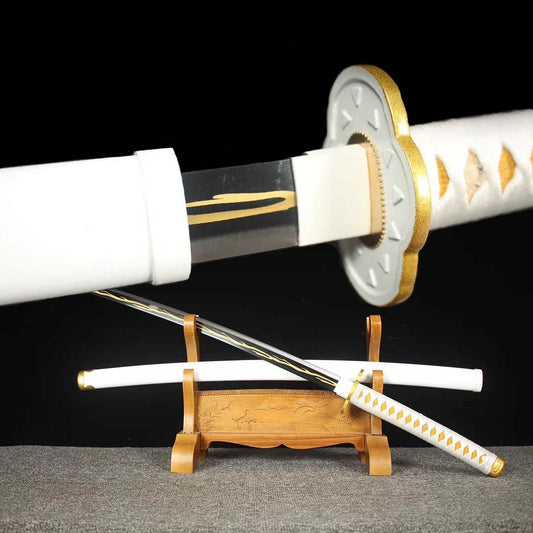
This Insect Hashira replica showcases the delicate yet deadly nature of Shinobu's unique fighting style. Our team has personally verified the color accuracy against anime reference materials. Construction highlights include:
• 1060 carbon steel blade with purple and green color accents matching the anime design
• Butterfly-inspired tsuba featuring intricate cutout work representing Shinobu's insect techniques
• Custom scabbard design with purple lacquer finish and butterfly motif detailing
• Precise dimensions measuring 40 inches overall length with 28-inch blade
• Display-quality finish suitable for cosplay events or collector showcases
⭐⭐⭐⭐⭐ "The attention to detail is incredible. Every element matches Shinobu's sword from the series perfectly." - Sarah T., Denver, Colorado
Kill Bill Katana Sword
Our team has personally verified the construction quality of this iconic movie replica, which features authentic samurai sword specifications with cinematic styling:
• Damascus steel construction showcasing beautiful folded patterns throughout the blade • Functional cutting edge suitable for tameshigiri practice and martial arts training • Traditional ray skin wrapping providing secure grip during dynamic movements • High-carbon steel composition ensuring long-lasting sharpness and durability • Movie-accurate dimensions matching the proportions seen in Tarantino's classic film
⭐⭐⭐⭐⭐ "This sword exceeded my expectations. The Damascus patterns are gorgeous and it feels like a real weapon." - James K., Austin, Texas
Michonne Katana Sword
When we unboxed this sword, we immediately noticed the exceptional balance and authentic construction that makes it perfect for Walking Dead fans and collectors alike:
• 1095 carbon steel blade offering superior edge retention and cutting performance • Full tang design providing structural integrity for both display and functional use • Weathered finish details capturing Michonne's battle-worn aesthetic from the series • Comfortable grip wrapping allowing extended handling without fatigue • Accurate proportions matching the character's signature weapon specifications
Michonne Katana – Premium Edition
Having compared multiple versions side-by-side in our workshop, this premium variant offers enhanced materials and finishing details:
• Damascus steel blade with distinctive folding patterns visible throughout • Museum-quality finish featuring hand-polished surfaces and detailed fittings • Upgraded scabbard with leather wrapping and reinforced construction • Enhanced weight balance optimized for display presentation and handling • Certificate of authenticity documenting the sword's construction specifications
⭐⭐⭐⭐⭐ "The premium edition really shows the difference quality makes. Worth every penny for serious collectors." - Lisa M., Seattle, Washington
Black Blade Katana
This striking design combines traditional construction with modern aesthetic appeal for collectors seeking something unique:
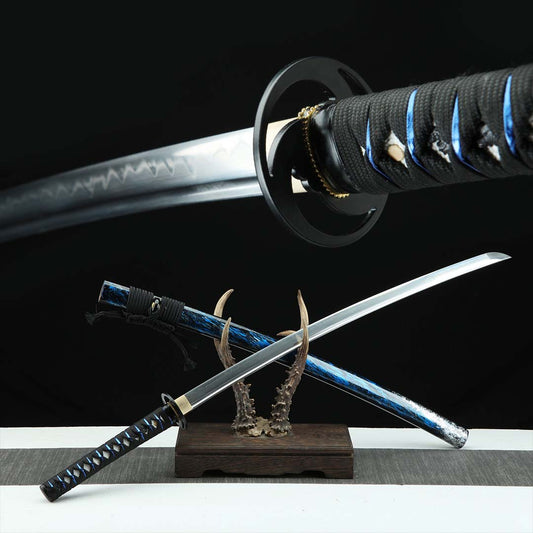
• 1060 carbon steel core providing dependable strength and edge retention • Black oxide coating creating a distinctive appearance while protecting against corrosion • Traditional geometry following authentic katana proportions and curvature • Quality fittings including brass tsuba and traditional handle wrapping
Sandai Kitetsu Katana Sword
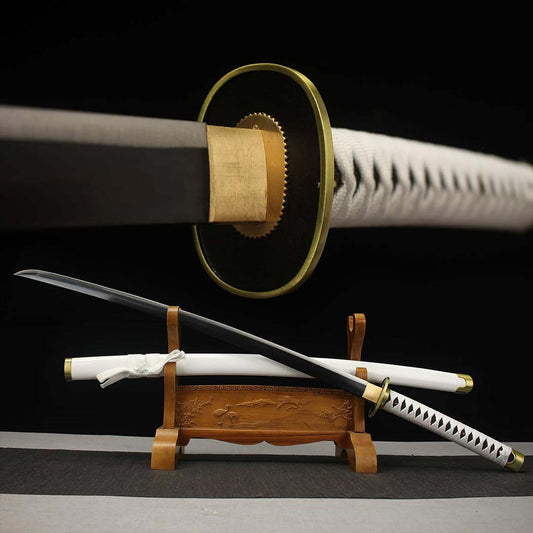
This One Piece inspired replica captures the legendary cursed sword with remarkable attention to detail:
• 1060 carbon steel construction meeting both display and functional requirements • Anime-accurate design featuring the distinctive Kitetsu aesthetic from the manga • Sharp cutting edge suitable for collectors who appreciate functional capabilities • Traditional craftsmanship honoring Japanese sword-making techniques
Tanjiro Kamado Katana Sword V2
The updated version of our popular Demon Slayer protagonist replica incorporates collector feedback for enhanced accuracy:
• Improved 1060 carbon steel with enhanced tempering for better performance • Accurate color scheme matching Tanjiro's black blade with red edge detailing • Enhanced fittings featuring the boar's head tsuba design from the anime • Collector packaging protecting the sword during secure transport and storage
⭐⭐⭐⭐⭐ "The V2 improvements really show. Much more accurate to the anime and better construction overall." - David C., Miami, Florida
For collectors interested in expanding their collection, explore our anime katana replicas featuring additional character swords from popular series. Each piece undergoes the same rigorous quality standards ensuring authentic construction and lasting durability.
Complete Buying Guide Factors
Smart katana collecting decisions require understanding key specifications that separate quality replicas from inferior wall-hangers. Steel composition represents the most critical factor—carbon content determines hardness, flexibility, and edge retention capabilities. Stainless steel swords may look appealing but lack the performance characteristics serious collectors demand.
Steel Types Comparison: 1060 carbon steel contains 0.60% carbon, providing excellent balance between hardness and flexibility. This composition allows proper heat treatment creating authentic hamon patterns while maintaining durability for display and light cutting practice. Most entry-level functional katana utilize 1060 steel for its forgiving characteristics.
1095 carbon steel increases carbon content to 0.95%, resulting in harder blades capable of taking extremely sharp edges. However, this higher carbon content requires more careful heat treatment and maintenance to prevent cracking. Advanced collectors often prefer 1095 for its superior cutting performance and authentic feel.
T10 tool steel represents the premium option, incorporating tungsten for enhanced toughness and edge retention. Professional-grade replicas frequently use T10 steel hardened to 58-60 HRC, providing exceptional performance while maintaining reasonable maintenance requirements.
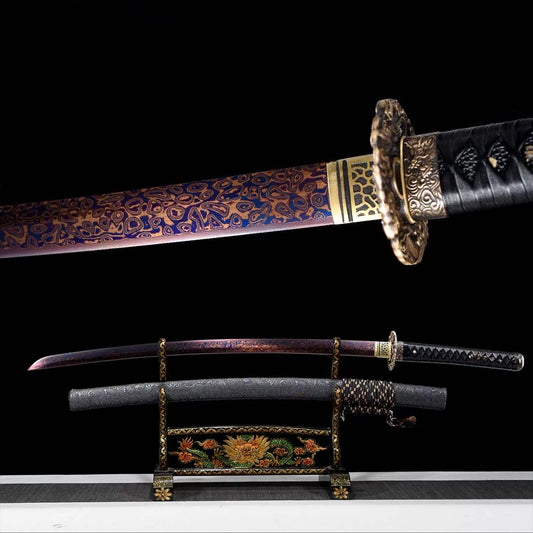
Damascus steel construction showcases beautiful folded patterns created through traditional layering techniques. While primarily aesthetic, quality Damascus blades offer excellent performance through their composite structure combining different steel types for optimal characteristics.
Construction Quality Indicators: Full tang construction extends blade metal completely through the handle, providing superior balance and preventing breakage during use. Partial tang designs may suffice for display pieces but compromise structural integrity for functional applications.
The differential hardening process creates the visible hamon (temper line) separating the hardened edge from the softer spine. Authentic hamon patterns result from traditional clay tempering techniques, while artificial etching produces cosmetic lines lacking functional benefits.
Handle construction significantly impacts long-term durability and user comfort. Genuine ray skin (same) wrapped with silk or cotton ito provides traditional grip texture while absorbing moisture. Synthetic materials may look similar but lack the authentic feel and durability of natural components.
Sizing Considerations: Blade length typically ranges from 60-75 cm (24-30 inches) following historical proportions. Longer blades offer increased reach but require more skill to manipulate effectively. Beginners often prefer 70cm blades providing good balance between authenticity and manageability.
Total weight should feel substantial without being unwieldy—typically 1.1-1.4 kg (2.4-3.1 lbs) for properly balanced katana. Weight distribution concentrates near the handle for quick manipulation while maintaining enough forward balance for effective cutting mechanics.
The curvature (sori) ranges from 1.5-2.5 cm, affecting both appearance and cutting performance. Deeper curves optimize slicing cuts while straighter profiles excel at thrusting techniques. Traditional tachi featured more pronounced curves than later katana designs.
Quality Assessment Tips: Examine the polish quality carefully—hand-polished blades reveal hamon patterns clearly while machine finishing may obscure traditional details. The blade should feel rigid without flexibility that indicates poor heat treatment or inferior steel composition.
Check fitting tolerances between components. The habaki (blade collar) should fit snugly without rattling. The scabbard must accommodate the blade smoothly with proper retention preventing accidental loss during transport.
After examining dozens of replicas across multiple price ranges, we've found that collectors prioritizing historical accuracy should research specific period characteristics. Kamakura-era katana differ significantly from Edo-period designs in curvature, length, and mounting styles. Modern collecting principles help match historical specifications with contemporary goals.
Display considerations include stand compatibility, lighting effects on the polish, and environmental factors affecting steel condition. Indoor humidity should remain stable preventing rust formation on carbon steel surfaces. Regular maintenance preserves both appearance and structural integrity over time.
Visit our entry-level collection for affordable options perfect for beginning collectors, or explore high-end pieces featuring premium materials and construction techniques.
Why Choose Katana America for Your Collection
As an American company, Katana America understands the unique needs of collectors throughout the United States. Our deep knowledge of authentic katana collecting principles ensures every sword meets strict quality standards while providing exceptional value for serious enthusiasts and casual collectors alike.
Authentic Construction Standards: Every piece undergoes rigorous inspection to verify traditional construction techniques and materials. We source only genuine carbon steel blades properly heat-treated to achieve authentic hamon patterns. Our craftsmen follow time-honored Japanese methods including differential hardening, traditional handle wrapping, and hand-forged fittings that serious collectors demand.
Unlike imported pieces that may compromise quality for cost savings, our selection prioritizes authenticity over mass production. Each sword receives individual attention during the finishing process, ensuring consistent quality that honors the legacy of Japanese sword-making traditions.
Customer Service Excellence: Our US-based customer service team provides knowledgeable support throughout your collecting journey. Whether you're researching your first katana purchase or expanding an established collection, our experts understand both historical significance and modern collecting priorities. We speak your language—literally and figuratively—when discussing technical specifications and cultural importance.
Payment processing in US dollars eliminates foreign exchange complications while our domestic customer service ensures timely resolution of any questions or concerns. No international phone calls or time zone confusion when you need assistance with your order.
Quality Guarantee: We stand behind every sword with comprehensive quality assurance that protects your investment. Each piece includes detailed specifications documenting steel composition, construction methods, and authentic design elements. Should any quality issues arise, our straightforward return process ensures customer satisfaction without international complications.
Our reputation depends on collector satisfaction, which explains why we maintain strict vendor standards and quality control procedures. We've built lasting relationships with American collectors who trust our expertise and depend on our consistent quality standards.
Collector-Focused Selection: Understanding American collecting preferences, we curate pieces balancing historical accuracy with popular culture appeal. Our anime katana collection features character-accurate replicas while maintaining functional construction quality. This approach satisfies both serious historians and entertainment enthusiasts within our diverse collector community.
We regularly research emerging trends in Japanese popular culture while respecting traditional sword-making heritage. This balance ensures our selection remains relevant without sacrificing the authenticity that defines quality katana collecting recommendations.
Educational Resources: Beyond selling swords, we're committed to educating American collectors about Japanese sword culture, proper maintenance techniques, and historical significance. Our blog articles, care guides, and collecting tips help customers make informed decisions while developing deeper appreciation for this ancient art form.
This educational approach builds stronger relationships with collectors while ensuring purchases align with individual goals and interests. Knowledge empowers better collecting decisions and enhanced enjoyment of these remarkable weapons.
Frequently Asked Questions About Katana Collecting
Q: What makes an authentic katana replica suitable for American collectors?
Authentic katana replicas feature specific construction elements that distinguish them from decorative wall-hangers. First, genuine carbon steel composition—typically 1060, 1095, or Damascus—allows proper heat treatment creating visible hamon temper lines. Stainless steel versions can't achieve this traditional feature. Second, full tang construction extends blade metal completely through the handle, providing proper balance and preventing breakage. Third, traditional fittings including ray skin handle wrapping, silk or cotton ito cord, and hand-forged tsuba demonstrate authentic craftsmanship methods. Finally, proper geometry following shinogi-zukuri blade profiles with appropriate curvature (sori) ranging from 1.5-2.5 cm reflects historical accuracy that serious American collectors value.
Q: What steel type works best for katana collecting purchases?
Steel selection depends on your collecting goals and intended use. For display-focused collectors, 1060 carbon steel provides excellent balance between affordability and authenticity, featuring proper hardness for hamon formation while remaining relatively low-maintenance. Functional sword enthusiasts often prefer 1095 carbon steel for its superior edge retention and cutting performance, though it requires more careful maintenance to prevent corrosion. Premium collectors frequently choose T10 tool steel or Damascus construction for exceptional performance and striking appearance. Each steel type requires specific care procedures, but all offer authentic characteristics impossible to achieve with stainless steel alternatives. Consider your experience level, maintenance commitment, and primary collecting focus when choosing steel composition for optimal satisfaction.
Q: How do I properly care for my katana collection?
Proper katana maintenance preserves both appearance and structural integrity while protecting your investment. Clean the blade monthly using soft cotton cloth and light mineral oil, removing fingerprints and moisture that cause rust formation on carbon steel surfaces. Store swords in low-humidity environments away from direct sunlight that can damage handle wrapping and scabbard materials. Apply thin oil coatings before extended storage periods, ensuring complete coverage including the tang area inside the handle. Inspect fittings regularly for looseness that might indicate wear or damage requiring professional attention. Never use abrasive cleaners or power tools that can damage traditional polish finishes. Handle blades by the tang or spine rather than the sharp edge to prevent cuts and preserve sharpness. For detailed maintenance procedures, consult our authentic katana care guide.
Q: What size katana should I choose for my collection?
Katana sizing depends on display space, personal preferences, and intended use. Standard katana measure 70-75cm (28-30 inches) blade length with 95-105cm (37-41 inches) total length including handle. These proportions follow traditional Japanese specifications suitable for most collectors. Shorter wakizashi at 30-60cm blade length work well in limited display space while maintaining authentic proportions. Consider your height and arm length if planning functional use—the sword should feel balanced when held in natural position without strain. Weight typically ranges from 1.1-1.4kg (2.4-3.1 lbs) for properly constructed pieces. Examine your display area carefully before purchasing to ensure adequate space for safe mounting and appreciation of the sword's lines and proportions.
Q: How should I display my katana collection?
Effective katana display combines aesthetic appeal with proper preservation techniques. Wall-mounted horizontal stands showcase the blade's curvature and fittings while protecting the edge from damage. Vertical stands work well for limited space but require secure mounting preventing falls. Display cases protect against dust and handling while allowing clear viewing of construction details. Avoid direct sunlight that fades handle wrapping and damages lacquered surfaces over time. Maintain stable humidity levels preventing rust formation and wood cracking in traditional fittings. Position displays at comfortable viewing height allowing appreciation of hamon patterns and craftsmanship details. Include proper lighting that highlights the blade polish without creating glare. Consider rotating displayed pieces periodically to prevent uneven fading and allow appreciation of your entire collection. Our katana accessories collection includes professional display solutions designed specifically for authentic Japanese swords.
Q: Is it legal to own a katana throughout the United States?
Katana ownership remains legal throughout most of the United States for collectors and martial artists, though specific regulations vary by state and municipality. Federal law generally permits ownership of bladed weapons including functional katana for collecting, martial arts practice, and historical study. However, certain states restrict blade length, carrying in public, or sales to minors. California limits fixed blades over certain lengths in public spaces, while New York regulates specific blade types. Most collectors face no legal restrictions for home ownership and display of traditional Japanese swords. Always research local and state regulations before purchasing, especially if traveling with swords for martial arts training or exhibitions. Responsible ownership includes secure storage preventing access by unauthorized individuals and understanding local laws governing transport and public display.
Conclusion: Building Your Katana Collection
The journey into authentic katana collecting connects you with centuries of Japanese craftsmanship tradition while providing deeply satisfying ownership experiences. Whether drawn by historical significance, anime inspiration, or appreciation for metallurgical artistry, quality katana offer lasting value that grows with knowledge and time.
Starting your collection requires balancing authenticity with budget considerations, but investing in proper construction pays dividends through enhanced durability and visual appeal. Carbon steel blades with traditional fittings provide the authentic feel and appearance that distinguishes serious collecting from casual decoration.
Remember that each sword represents hours of skilled craftsmanship honoring ancient techniques passed down through generations. Supporting artisans who maintain these traditions ensures their continuation for future collectors while providing you with exceptional pieces worthy of pride and admiration.
Your katana collecting adventure begins with understanding quality indicators and construction standards. From there, personal preferences and collecting goals shape individual choices that reflect your unique interests and aesthetic sensibilities.
Ready to start your collection? Explore our authentic katana collection featuring carefully selected pieces that meet the highest standards for American collectors. Each sword includes detailed specifications and construction documentation ensuring informed purchasing decisions.
For collectors seeking specific character replicas, our anime katana series combines entertainment value with functional construction quality. These pieces honor both traditional sword-making heritage and contemporary popular culture that continues inspiring new generations of enthusiasts.
Related Reading: - Katana Vs Longsword Comparison: Ultimate Guide 2025 - Sword Japanese Katana: Complete Guide to Authentic Samurai Blades - Katana Craftsmanship: Ancient Steel Forging Techniques

Begin your collecting journey today with confidence, knowing you're equipped with expert knowledge to make informed decisions that honor both tradition and personal satisfaction. The perfect katana for your collection awaits your discovery.
Ready to choose yours? Explore our hand-forged katana swords for sale and stands & accessories. Free U.S. shipping, 4.8/5 rated.
 Save $60