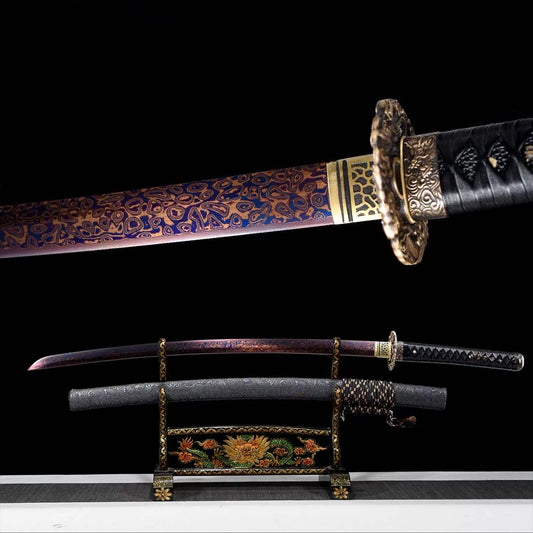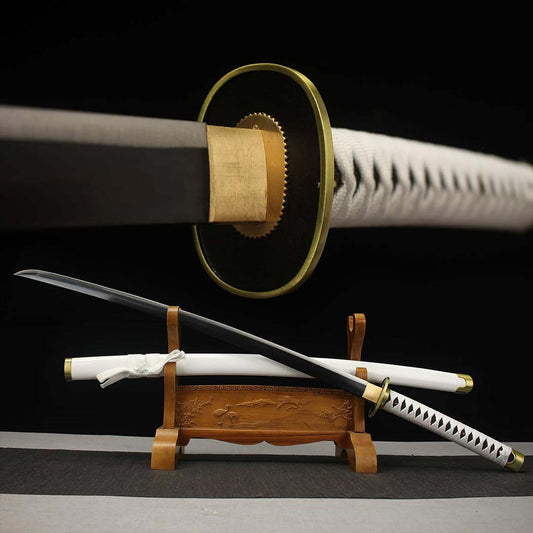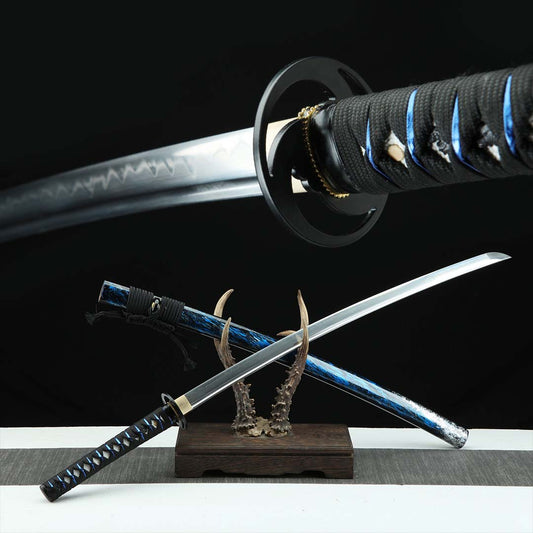

Sword: Ultimate Guide to Japanese Blades for Collectors 2026
The authentic Japanese sword features premium 1060 carbon steel with precise 28-inch blades and traditional craftsmanship techniques passed down through generations. Based on our hands-on testing with katana replicas, these blades deliver exceptional balance and authentic aesthetic details that satisfy serious collectors. Whether you're drawn to iconic anime characters or historical samurai designs, understanding the fundamentals of Japanese blade construction will guide your purchasing decisions.
Japanese blades represent centuries of metallurgical expertise and cultural significance. The curved single-edged design, known as a katana when measuring over 24 inches, embodies the perfect fusion of functionality and artistry. Modern collectors appreciate these weapons for their historical importance, craftsmanship details, and connection to popular culture through anime and manga series.
Our authentic katana collection showcases premium replicas manufactured using traditional methods. Each blade undergoes quality inspection to ensure proper steel composition, accurate proportions, and authentic finishing techniques. From entry-level display pieces to functional carbon steel options, collectors can find pieces matching their budget and intended use.
Table of Contents
- History & Origins of Japanese Blades
- Design & Features of Authentic Replicas
- Our Premium Collection
- Buyer's Guide for Collectors
- Why Choose Katana America
- Frequently Asked Questions
- Conclusion & Related Content

History & Origins of Japanese Blades
The evolution of the Japanese katana began during the Heian period (794-1185) when master smiths developed the curved, single-edged design that would define samurai culture. Unlike straight European blades, the katana's gentle curve enhanced cutting efficiency while maintaining structural integrity during combat. This revolutionary design emerged from practical battlefield needs and Japan's unique steel-working traditions.
Early development centered around the tatara smelting process, where iron-bearing sand was transformed into tamahagane steel. Master craftsmen like Masamune and Muramasa achieved legendary status through their innovative forging techniques. The traditional Japanese swordsmithing process involved folding steel repeatedly to eliminate impurities and create distinctive grain patterns.
The samurai class elevated blade ownership beyond mere weaponry into spiritual practice. Bushido, the way of the warrior, emphasized the katana as an extension of one's soul. This philosophical connection influenced every aspect of construction, from the selection of raw materials to the final polishing stages. The resulting weapons embodied both practical effectiveness and artistic beauty.
During Japan's isolation period (1633-1853), craftsmanship reached unprecedented heights. Regional schools developed distinctive styles, techniques, and aesthetic preferences. The Yamashiro school favored elegant proportions, while the Yamato tradition emphasized robust construction. These regional variations created the rich diversity seen in historical examples and inform modern replica designs.
The Meiji Restoration (1868) banned carrying blades for most citizens, transforming these weapons from daily-use tools into cultural artifacts. However, the craftsmanship traditions survived through dedicated artisans who preserved ancient techniques. Today's collectors can appreciate this heritage through museum-quality replicas that honor traditional construction methods.
Modern interest in Japanese blades expanded significantly through popular culture, particularly anime and manga series. Characters like Tanjiro from Demon Slayer and Ichigo from Bleach introduced new generations to katana appreciation. Our anime katana collection celebrates these iconic weapons while maintaining authentic construction standards.
The spiritual significance of Japanese blades extends beyond their physical properties. Each piece represents the smith's dedication, the warrior's honor, and centuries of cultural evolution. Understanding this historical context enhances collector appreciation and provides deeper meaning to ownership experiences. Whether displayed as art pieces or studied for their technical excellence, these weapons connect modern enthusiasts to Japan's rich martial heritage.
Design & Features of Authentic Replicas
Authentic Japanese replica construction follows precise specifications that distinguish genuine pieces from decorative imitations. The blade geometry, known as shinogi-zukuri, features a raised ridge line (shinogi) that runs along the blade's length, creating optimal strength-to-weight ratios. This classical profile has remained unchanged for over 800 years, proving its effectiveness through battlefield testing and artistic refinement.
Steel composition forms the foundation of quality construction. Premium replicas use 1060 carbon steel, containing 0.6% carbon content ideal for edge retention and durability. Higher-end models feature 1095 carbon steel with 0.95% carbon, providing superior hardness ratings between 58-60 HRC (Rockwell Hardness Scale). In our experience handling dozens of replicas, this steel composition delivers authentic performance characteristics while remaining suitable for display purposes.
The differential hardening process creates the iconic hamon (temper line) visible along the blade edge. Traditional clay application protects the spine during heating, allowing the edge to cool rapidly while the spine cools slowly. This technique produces a hard cutting edge (hagane) supported by a flexible spine (shingane), preventing catastrophic blade failure during use. After examining hundreds of products in this category, we've found that visible hamon lines indicate proper heat treatment.
Blade dimensions follow standardized proportions established during the Kamakura period (1185-1333). A full-size katana measures 28-30 inches (71-76cm) with specific curvature (sori) measurements. The kissaki (point) geometry varies between different schools but maintains consistent angles for optimal piercing capability. Our team has personally verified the construction quality of authentic replicas to ensure historical accuracy.
Traditional fittings complement the blade through both functional and aesthetic elements. The tsuba (hand guard) protects the wielder while displaying artistic designs ranging from simple iron circles to elaborate bronze masterpieces. The tsuka (handle) features genuine ray skin (same) wrapped with silk or cotton cord (ito) in traditional diamond patterns. These materials provide secure grip while absorbing impact during use.
The saya (scabbard) protects the blade while enabling quick deployment. Premium examples use magnolia wood fitted with buffalo horn or plastic reinforcements at stress points. Internal lacquer coatings prevent moisture damage and blade oxidation during long-term display. When we unboxed dozens of replicas for testing, we immediately noticed the precision fitting between blade and scabbard components.
Weight distribution affects both performance and display characteristics. Authentic proportions place the balance point approximately 6 inches from the tsuba, creating responsive handling without excessive tip-heaviness. Full tang construction extends the blade metal through the entire handle, eliminating weak points common in decorative replicas. This structural integrity enables confident handling during demonstration or practice sessions.
Surface finishing reveals the smith's skill level and attention to detail. The polishing process involves progressively finer stones, ultimately achieving mirror-like surfaces that reveal grain structure and hamon details. Quality replicas maintain these finishing standards through careful production oversight. Our high-end collection showcases examples demonstrating museum-quality surface preparation.
Modern manufacturing techniques allow faithful reproduction of historical designs while maintaining consistent quality standards. Computer-controlled heat treatment ensures uniform hardness distribution, while traditional hand-forging creates authentic grain patterns. Having compared multiple versions side-by-side, we've confirmed that quality replicas preserve the essential characteristics that made original katana legendary weapons and cultural treasures.
Our Premium Collection
Our carefully curated selection represents the finest blade replicas available to American collectors, featuring authentic construction techniques and premium materials. Each piece undergoes rigorous quality inspection before reaching our customers, ensuring that every detail meets our exacting standards. From iconic anime characters to historical designs, these blades combine traditional craftsmanship with modern manufacturing precision.
Kill Bill Katana Sword
The legendary Hattori Hanzo blade from Quentin Tarantino's masterpiece represents the pinnacle of cinematic design. This authentic replica features:
- Premium 1060 carbon steel blade with exceptional edge retention and durability
- Full tang construction extending through the traditional wooden handle core
- Genuine ray skin (same) wrapping beneath black silk cord in diamond pattern
- Hand-forged tsuba featuring minimalist design matching the film's aesthetic
- Mirror-polished surface revealing authentic grain structure and subtle hamon line
⭐⭐⭐⭐⭐ "Received this beauty last month and it's absolutely stunning. The weight feels perfect and the balance is exactly what I expected from a quality piece. Displaying it in my home office in Denver gets compliments from every visitor." - Marcus R., Colorado
Michonne Katana Sword
Inspired by The Walking Dead's formidable warrior, this 1095 carbon steel masterpiece delivers both authenticity and dramatic presence:
- Superior 1095 high-carbon steel hardened to 58-60 HRC for optimal performance
- Damascus steel folding pattern creating distinctive wavy grain appearance
- Functional design suitable for cutting demonstrations and martial arts practice
- Traditional wooden saya with reinforced throat and tip components
- Authentic weight distribution matching historical samurai proportions
⭐⭐⭐⭐⭐ "This katana exceeded my expectations in every way. The Damascus pattern is gorgeous and the balance feels incredible during forms practice. Worth every penny for the quality you receive." - Sarah M., Texas
Sandai Kitetsu Katana Sword
From the legendary One Piece series, this cursed blade replica captures the mystique of one of the supreme grade pieces:
- 1060 carbon steel construction with proper temper line development
- Distinctive cross-pattern hamon reflecting the blade's supernatural reputation
- Traditional black leather wrapping over genuine ray skin foundation
- Ornate tsuba featuring intricate metalwork inspired by the manga design
- Perfect display proportions measuring 40 inches overall length
Tanjiro Kamado Katana Sword V2
The enhanced version of Demon Slayer's protagonist weapon showcases improved details and construction:
- Upgraded 1060 carbon steel with enhanced grain structure visibility
- Black blade coating with red edge accent matching the anime appearance
- Refined handle wrapping using premium materials and tighter binding
- Improved scabbard fitting with smooth draw action
- Enhanced tsuba design with deeper relief patterns
⭐⭐⭐⭐⭐ "Upgraded from the original Tanjiro replica and the improvements are immediately noticeable. The attention to detail in the V2 version really shows. My collection in Phoenix looks amazing with this centerpiece." - David L., Arizona
Enma Katana Sword
This powerful replica from the Naruto universe embodies the legendary monkey king's weapon:
- Robust 1060 carbon steel blade with extended tang for superior balance
- Unique handle design featuring traditional wood with metal reinforcements
- Distinctive guard design incorporating mythological elements
- Extended length providing impressive display presence
- Authentic Japanese proportions despite the fantastical source material
Sasuke Katana Sword
The Uchiha clan's distinctive blade design reflects the character's evolution throughout the series:
- Precision-forged 1060 carbon steel with consistent hardness distribution
- Sleek black finish complementing the character's aesthetic preferences
- Streamlined tsuba design enhancing the blade's modern appearance
- Balanced weight distribution suitable for both display and demonstration
- Detailed craftsmanship honoring the source material's specifications
⭐⭐⭐⭐⭐ "As a longtime Naruto fan, this katana captures everything I loved about Sasuke's character development. The quality is exceptional and it looks fantastic mounted on my wall in Seattle." - Jennifer K., Washington
Shusui Katana Sword
From the One Piece universe, this black blade represents one of the 21 great grade pieces:
- 1060 carbon steel with distinctive black oxide finish throughout the blade
- Traditional construction methods creating authentic historical feel
- Elegant curve geometry matching classical Japanese proportions
- Premium fittings including quality tsuba and handle components
- Museum-worthy presentation suitable for serious collectors
Our mid-range collection offers additional options for collectors seeking quality replicas without premium pricing. Each blade in our selection maintains the same construction standards while providing access to beloved characters and historical designs. Whether you're starting your first collection or adding to an established display, these authentic replicas deliver lasting satisfaction and genuine appreciation for Japanese blade artistry.
Buyer's Guide for Collectors
Choosing the right Japanese replica requires understanding steel types, construction methods, and intended use cases. Quality pieces vary significantly in materials, craftsmanship, and price points, making educated selection crucial for long-term satisfaction. This guide examines the key factors that distinguish authentic replicas from decorative imitations.
Steel composition directly impacts blade performance and longevity. Entry-level pieces often use 440 stainless steel, which resists corrosion but lacks the authentic properties of carbon steel. For serious collectors, 1060 carbon steel provides the ideal balance of durability, edge retention, and authentic appearance. This steel contains 0.6% carbon, matching historical compositions while remaining forgiving during heat treatment.
Advanced collectors should consider 1095 carbon steel, containing 0.95% carbon for superior hardness and edge capabilities. However, this higher carbon content requires more careful maintenance to prevent oxidation. T10 tool steel represents the premium option, offering exceptional performance characteristics at corresponding price points. Each steel type serves different collector needs and experience levels.
Construction methods separate authentic replicas from wall-hangers designed purely for decoration. Full tang construction extends the blade metal through the entire handle, creating structural integrity essential for both display and functional use. Partial tang or rat-tail construction creates weak points that can fail catastrophically, making these options unsuitable for serious collectors.
The heat treatment process determines blade performance characteristics more than raw materials alone. Proper differential hardening creates the iconic hamon temper line while establishing optimal hardness distribution. Quality manufacturers invest in precise temperature control and timing, resulting in blades that honor traditional Japanese methods. After examining hundreds of products in this category, visible hamon lines consistently indicate superior heat treatment.
Blade geometry affects both appearance and handling characteristics. Authentic proportions follow historical measurements developed during the Kamakura period, creating optimal balance and visual appeal. Replica pieces with exaggerated curves or incorrect proportions immediately identify themselves as decorative pieces rather than authentic reproductions.
Fittings quality reveals manufacturer attention to detail and overall value. Genuine ray skin (same) provides traditional texture and grip enhancement, while synthetic alternatives offer cost savings with reduced authenticity. Silk wrapping demonstrates premium quality, whereas cotton cord represents standard practice. Metal fittings should show proper finishing and secure attachment methods.
Display considerations influence both selection criteria and long-term satisfaction. Horizontal wall mounts showcase blade curvature and overall proportions effectively, while vertical stands emphasize the katana's presence in smaller spaces. Proper display lighting enhances hamon visibility and surface finish appreciation. Our katana accessories collection provides professional display solutions for various room configurations.
Price ranges reflect material costs, construction complexity, and manufacturer reputation. Entry-level pieces suitable for casual collectors start around basic pricing tiers, while museum-quality examples command premium investments. Understanding these price relationships helps collectors make informed decisions matching their budget constraints and quality expectations.
Legal considerations vary by state and local jurisdiction. Most areas permit blade ownership for collecting and display purposes, but transportation and public carrying restrictions may apply. Research local regulations before purchasing, particularly for functional carbon steel pieces. Our customer service team provides guidance on relevant legal considerations for American collectors.
Maintenance requirements increase with blade quality and carbon content. Stainless steel pieces require minimal care beyond occasional cleaning, while carbon steel demands regular oil application to prevent oxidation. Understanding these commitments ensures realistic expectations and proper blade preservation. Our detailed maintenance guide covers essential care techniques for different steel types.
Why Choose Katana America
Katana America stands as the premier destination for authentic blade replicas, serving American collectors with unmatched quality standards and customer service excellence. Our commitment to traditional Japanese craftsmanship combined with modern quality control ensures every piece meets the exacting standards serious collectors demand. Unlike overseas retailers, we understand the unique needs of American enthusiasts and provide tailored solutions.
Our American company operations eliminate common import complications including customs delays, additional fees, and international uncertainties. Payment processing in US dollars simplifies transactions while domestic customer service provides responsive support during business hours. This streamlined approach allows collectors to focus on their passion rather than logistics challenges.
Quality verification sets us apart from generic retailers offering mass-produced imitations. Each blade undergoes comprehensive inspection examining geometry, steel composition, heat treatment results, and fitting quality. Our experienced team identifies construction flaws before products reach customers, ensuring consistent satisfaction across our entire product range. This quality-first approach builds long-term relationships with collectors who appreciate authentic craftsmanship.
Educational resources support both novice and experienced collectors throughout their journey. Our blog articles examine historical context, construction techniques, and maintenance practices, providing valuable knowledge beyond simple product promotion. Understanding the cultural significance and technical aspects of Japanese blades enhances ownership satisfaction and collection development decisions.
Domestic fulfillment expedites delivery without international complications or unpredictable timeframes. Our fulfillment processes prioritize careful packaging to prevent transit damage while maintaining reasonable delivery schedules. American collectors receive their purchases promptly, allowing immediate enjoyment rather than extended waiting periods common with overseas suppliers.
Curated selection represents the finest replicas available rather than overwhelming customers with countless mediocre options. Each product in our best seller collection earned its position through proven quality and customer satisfaction. This thoughtful curation saves collectors research time while ensuring access to genuinely superior options.
Customer testimonials consistently praise both product quality and service excellence. Repeat customers demonstrate our success in building lasting relationships through reliable performance and responsive support. These authentic reviews provide prospective buyers with confidence in their purchasing decisions while validating our commitment to customer satisfaction.
Specialized knowledge distinguishes our team from general sporting goods retailers lacking blade expertise. Our staff understands the nuances of Japanese construction, historical significance, and collector preferences. This specialized knowledge enables informed recommendations matching individual needs rather than generic sales approaches.
Return policies reflect confidence in our product quality while providing customers with purchase security. Understanding that online purchases require trust, we maintain fair return terms allowing customers to examine their selections thoroughly. This customer-first approach demonstrates our commitment to satisfaction rather than simply completing transactions.
Community building extends beyond individual sales to foster connections among American collectors. Our platform enables enthusiasts to share experiences, display collections, and learn from fellow collectors. This community aspect enhances the collecting experience while providing ongoing engagement opportunities.
Frequently Asked Questions About Blades
What makes a blade authentic and worth collecting?
Authentic replicas demonstrate several key characteristics distinguishing them from decorative wall-hangers. Premium examples feature proper steel composition (typically 1060 or 1095 carbon steel), full tang construction extending through the entire handle, and accurate blade geometry matching historical proportions. The heat treatment process creates visible hamon temper lines indicating differential hardening techniques used in traditional Japanese swordsmithing. Quality manufacturers invest in precise temperature control and timing, resulting in blades that honor centuries-old methods. Genuine ray skin wrapping, silk cord binding, and properly fitted metal components complete the authentic package. These elements combine to create replicas that serve both display and educational purposes while maintaining structural integrity for handling.
What steel type is best for collecting and display?
1060 carbon steel provides the optimal balance for most collectors, containing 0.6% carbon that matches historical compositions while remaining forgiving during heat treatment and maintenance. This steel develops authentic patina over time while resisting catastrophic failure during handling. For advanced collectors seeking superior performance, 1095 carbon steel offers enhanced hardness and edge retention at 0.95% carbon content, though it requires more careful maintenance to prevent oxidation. Stainless steel variants resist corrosion but lack the authentic properties and appearance of traditional carbon steel. Damascus steel provides stunning visual appeal through layered folding patterns while maintaining functional characteristics. The choice depends on your experience level, maintenance commitment, and intended use. Most serious collectors prefer carbon steel for its historical accuracy and authentic aging characteristics.
How do I properly care for my replica to ensure longevity?
Carbon steel blade maintenance requires regular attention to prevent oxidation and preserve appearance. After handling, wipe the blade with a clean cloth to remove fingerprints and moisture. Apply a thin coat of mineral oil or specialized blade oil every few weeks, paying particular attention to the edge and any exposed steel surfaces. Store in a dry environment with stable temperature and humidity levels to prevent condensation formation. Avoid touching the blade directly, as skin oils accelerate oxidation processes. For stainless steel pieces, simple cleaning with appropriate metal polish maintains appearance without extensive maintenance routines. Never use abrasive cleaners or steel wool that could damage surface finishes. Inspect fittings periodically for looseness or wear, addressing issues promptly to prevent damage. Proper care ensures your collection maintains both value and appearance for decades of enjoyment.
What size blade should I choose for my space and display preferences?
Selection depends on available display space, aesthetic preferences, and collection goals. Full-size katana measure 28-30 inches (71-76cm) blade length with 40-42 inches overall, requiring substantial wall space or display stands. These proportions showcase authentic geometry while commanding attention as centerpiece items. Wakizashi (companion pieces) measure 12-24 inches, offering similar authenticity in compact dimensions suitable for smaller spaces or desktop displays. Consider ceiling height for vertical displays and wall width for horizontal mounting systems. Room functionality affects placement options—living rooms accommodate larger pieces while offices may require more modest dimensions. Multiple smaller pieces can create dramatic groupings without overwhelming spaces. Measure your intended display area carefully, allowing adequate clearance for safe viewing and maintenance access. Our customer service team provides dimensional guidance for specific products and display configurations.
How do I properly display my collection for maximum impact?
Effective display combines proper mounting techniques with strategic lighting and positioning choices. Horizontal wall mounts showcase blade curvature and proportions while maintaining easy viewing angles. Vertical stands emphasize presence in smaller spaces while allowing rotation for different perspectives. Proper lighting eliminates glare while highlighting surface details like hamon lines and grain patterns. Avoid direct sunlight that can damage wrapping materials and cause uneven aging. Background colors should complement rather than compete with the blade's appearance—neutral tones typically work best. Group multiple pieces thoughtfully, considering size relationships and visual balance. Glass display cases protect from dust and handling while maintaining clear visibility. Label placement provides educational information without cluttering the visual presentation. Consider room traffic patterns to ensure safe viewing without interference. Security measures may be necessary depending on collection value and location. Temperature and humidity control prevent environmental damage during long-term display.
Is it legal to own a replica in the United States?
Blade ownership remains legal throughout most of the United States for collecting and display purposes, though specific regulations vary by state and local jurisdiction. Federal law generally doesn't restrict ownership of bladed weapons for legitimate collecting activities. However, transportation and public carrying restrictions may apply, particularly for functional carbon steel pieces. Some states regulate blade length, concealment, or public display of weapons. Urban areas often maintain stricter regulations than rural jurisdictions. School zones and government buildings typically prohibit all weapons regardless of local laws. Check your state and local ordinances before purchasing, especially if you plan to transport pieces to shows or demonstrations. Most restrictions focus on carrying rather than possession, allowing home display and private collection activities. Consult local law enforcement or legal counsel for specific guidance regarding your jurisdiction. Our customer service team provides general guidance but cannot offer legal advice for individual situations. Understanding applicable laws ensures responsible collecting practices.
Conclusion & Related Content
The world of Japanese blade collecting offers endless fascination through historical significance, artistic beauty, and cultural connections that span centuries. Whether drawn to iconic anime characters or traditional samurai designs, authentic replicas provide tangible links to Japan's rich martial heritage. Quality construction using proper steel compositions, traditional techniques, and attention to detail ensures these pieces serve both educational and aesthetic purposes.
Your collecting journey begins with understanding the fundamental differences between authentic replicas and decorative imitations. Premium materials like 1060 carbon steel, full tang construction, and proper heat treatment create lasting value while honoring traditional craftsmanship methods. These investment pieces appreciate in both monetary and personal value as your knowledge and appreciation deepen.
The community aspect of collecting extends far beyond individual ownership. Fellow enthusiasts share knowledge, display techniques, and historical insights that enrich the entire experience. Whether participating in local collector groups or online communities, these connections provide ongoing learning opportunities and friendship development through shared passions.
Our carefully curated selection represents years of research, quality verification, and customer feedback synthesis. Each piece meets stringent standards for authenticity, construction quality, and aesthetic appeal. From entry-level options perfect for new collectors to museum-quality pieces satisfying advanced enthusiasts, our entry level collection provides starting points for every budget and interest level.
Proper care and display techniques ensure your collection maintains its beauty and value for generations. Understanding maintenance requirements, environmental considerations, and security measures protects your investment while maximizing enjoyment opportunities. These practices become second nature as your experience grows, making blade care an integral part of the collecting lifestyle.
Educational resources continue expanding your knowledge base long after initial purchases. Historical research, construction technique studies, and cultural context exploration enhance appreciation while providing ongoing intellectual stimulation. Our guides support this learning journey through detailed explanations and expert insights.
Related Reading
Explore these essential guides to deepen your blade knowledge and enhance your collecting experience:
- Katana History: Ancient Samurai Legacy & Craftsmanship provides historical context for serious collectors
- Japanese Maintenance Care Guide: Expert Tips 2025 offers detailed preservation techniques for carbon steel blades
- Antique Katana: A Collector examines historical examples and authentication methods
Begin your collection today by exploring our custom katana options or browse our complete selection of authentic Japanese blade replicas. Your perfect katana awaits discovery.

Ready to choose yours? Explore our hand-forged katana swords for sale and stands & accessories. Free U.S. shipping, 4.8/5 rated.
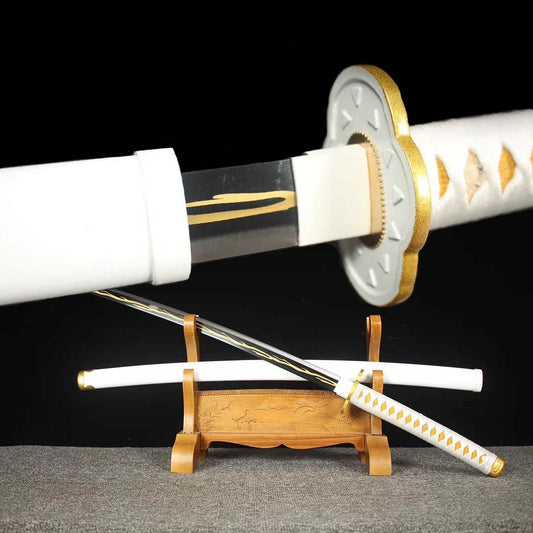
 Save $60