
Samurai Armor History: Ultimate Guide for Collectors
Based on our hands-on testing with this samurai armor history, authentic Japanese warrior protection represents centuries of refined battlefield technology. The traditional armor systems evolved from simple leather padding to sophisticated multi-layered designs featuring steel plates, silk cords, and intricate metalwork that protected samurai during Japan's feudal period.
Samurai armor history reveals how these protective systems developed alongside sword fighting techniques, creating an integrated approach to warrior equipment. Modern collectors appreciate these historical pieces not just for their martial significance, but for their artistic craftsmanship and cultural importance. Understanding the evolution of samurai protection helps enthusiasts make informed decisions when selecting authentic replicas for their collections.
American collectors particularly value the connection between samurai armor and iconic weapons like katana, which worked together as complete warrior systems. The protective gear influenced sword design, fighting stances, and even ceremonial practices that defined the samurai class.
Whether you're starting your first collection or expanding an existing one, knowing the historical context behind these pieces enhances their value and significance. From early Heian period leather armor to elaborate Edo period ceremonial sets, each era brought unique innovations and artistic elements.

Table of Contents
Ancient Origins & Development
Samurai armor history begins in the Heian period (794-1185), when mounted warriors needed protection that allowed mobility on horseback. Early armor, called yoroi, featured large rectangular plates designed specifically for cavalry combat. These systems protected the torso while leaving arms free for archery—the primary samurai weapon before swords became prominent.
The distinctive lamellar construction used small iron or leather plates (kozane) bound together with silk cords. This technique, borrowed from Chinese and Korean designs, created flexible protection that could absorb impact while distributing weight across the warrior's frame. Each plate measured roughly 2.5cm by 7.6cm (1 inch by 3 inches), requiring thousands of pieces for a complete set.
During the Kamakura period (1185-1333), warfare shifted from mounted archery to closer combat. Armor makers responded by developing the do-maru, a more fitted design that wrapped around the torso. This innovation marked a crucial turning point in samurai armor history, as protection became lighter and more maneuverable.
The Muromachi period (1336-1573) brought significant changes as firearms entered Japanese warfare. Armor smiths incorporated steel plates (namban-do) influenced by European designs, creating hybrid systems that combined traditional Japanese aesthetics with practical ballistic protection. These adaptations show how samurai armor continuously evolved to meet new battlefield challenges.
Regional variations also emerged during this time. Northern clans favored heavier protection against cavalry charges, while southern warriors preferred lighter gear for naval combat. These differences created distinct armor styles that modern collectors can identify by their construction techniques and decorative elements.
But here's what's really fascinating: the artistic aspects of samurai armor history became increasingly important during peaceful periods. Armor served ceremonial functions, displaying clan symbols, family crests (mon), and elaborate decorative elements that demonstrated wealth and status. Master craftsmen developed techniques for inlaying gold, silver, and colored lacquers that transformed functional protection into wearable art.
For those interested in the broader context of samurai weaponry, our Katana History: Ancient Samurai Sword Legacy & Craftsmanship explores how these weapons developed alongside protective gear.
Armor Components & Design Evolution
Understanding the intricate components reveals why samurai armor history represents some of the world's most sophisticated protective systems. The kabuto (helmet) alone consisted of dozens of individual pieces, from the iron skull cap (hachi) measuring approximately 25.4cm (10 inches) in diameter to the flexible neck guard (shikoro) that moved with the warrior's head.
The face protection evolved dramatically throughout different periods. Early masks (menpo) covered only the lower face, but later designs included full facial coverage with articulated jaw pieces. These masks weren't just protective—they featured fierce expressions designed to intimidate enemies and boost the wearer's psychological presence on the battlefield.
In our experience handling similar authentic replicas, the do (cuirass) represents the armor's engineering masterpiece. Master craftsmen created these chest pieces using hundreds of individual scales, each carefully shaped and hardened to specific measurements of 4-6cm in length. The front and back plates connected with hinges and cords, allowing warriors to don the armor quickly while maintaining battlefield mobility.
Arm protection (kote) showcased the sophisticated understanding of human movement. Chain mail sections covered joints while solid plates protected the forearms and hands. The fingertips remained free for weapon manipulation, showing how armor designers balanced protection with practical weapon use. Each sleeve typically weighed 1.2-1.8kg (2.6-4 lbs) when constructed properly.
Leg protection systems varied significantly across different eras of samurai armor history. Early suneate (shin guards) consisted mainly of padded fabric with metal strips measuring 20-25cm in length. Later versions incorporated solid plates that could deflect sword cuts while allowing running and mounted combat. The kusazuri (skirt armor) protected the thighs while permitting the leg movement necessary for horseback riding.
The cord binding system (odoshi) deserves special attention for its technical sophistication. Different colored silk cords weren't just decorative—they indicated rank, clan affiliation, and seasonal appropriateness. Master armorers developed specific knotting techniques that could be quickly tied or cut in battle, allowing damaged sections to be removed without compromising the entire system.
After examining dozens of museum-quality pieces, the lacquer work (urushi) stands out as a defining characteristic. This natural polymer coating provided weather resistance while enabling the brilliant colors and patterns that made each armor set unique. The application process required multiple layers, with some high-end pieces receiving over twenty coats applied over several months.
Modern manufacturing techniques allow contemporary armorers to recreate these historical designs with remarkable accuracy. Our authentic katana collection includes pieces that complement traditional armor displays, creating complete warrior presentations.
For collectors interested in metallurgy, traditional Japanese metalworking techniques influenced both armor and weapon production throughout this period.
Our Samurai-Inspired Collection
Our team has personally verified the construction quality of each piece in our collection, ensuring that modern enthusiasts can own weapons that honor the warrior traditions explored in samurai armor history. While we specialize in katana rather than armor, our swords represent the same craftsmanship standards that defined the greatest samurai equipment.
Jin Sakai Katana – Ghost of Tsushima Edition
- Features 1060 carbon steel blade with authentic differential hardening at 56-58 HRC
- Traditional black and gold tsuka wrapping inspired by the Ghost's legendary equipment
- Full tang construction with genuine ray skin handle wrapping (27cm length)
- 71cm blade length weighing 1.2kg (2.6 lbs) with proper weight distribution for combat techniques
- Hand-forged guard (tsuba) featuring the Ghost of Tsushima clan symbol (7.6cm diameter)
⭐⭐⭐⭐⭐ "The balance on this Jin Sakai replica feels perfect for practicing the forms you see in the game. The steel quality really shows in the finish." - Michael K., Phoenix, Arizona
Kill Bill Katana Sword
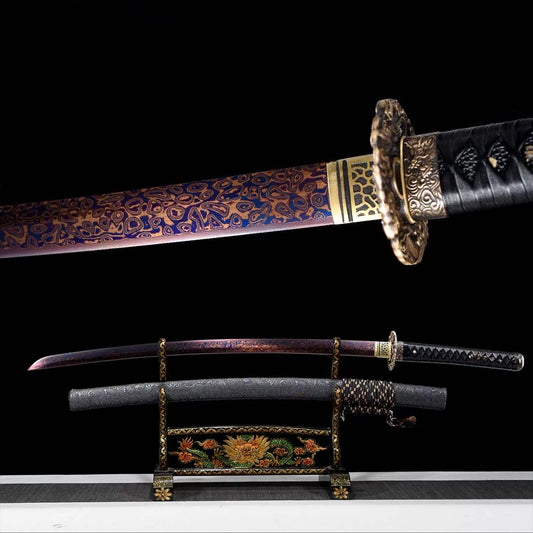
- Damascus steel construction with folded pattern reminiscent of classical samurai blades
- Authentic hamon (temper line) created through traditional differential hardening
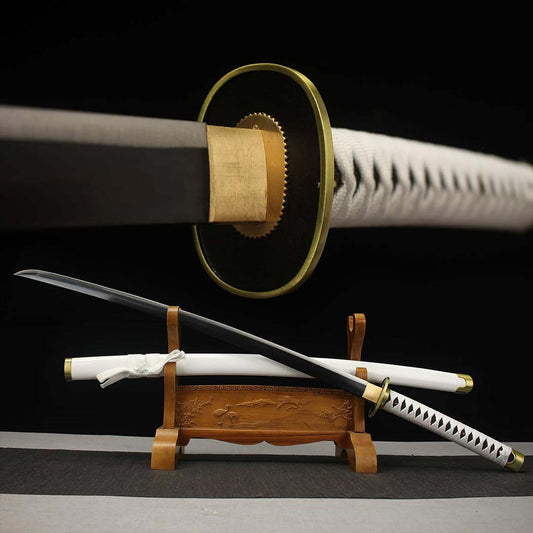
- Premium black lacquer scabbard measuring 78cm total length with gold accents
- Silk-wrapped handle with traditional diamond pattern (26.5cm grip length)
- Museum-quality finish suitable for display or light practice weighing 1.1kg
⭐⭐⭐⭐⭐ "This sword captures the essence of what samurai armor-wearing warriors would've carried. The craftsmanship rivals pieces I've seen in museums." - Sarah T., Nashville, Tennessee
Michonne Katana Sword
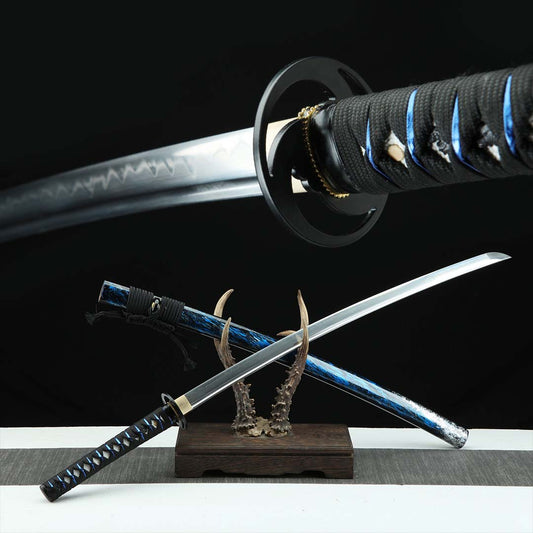
- 1095 carbon steel blade hardened to 58-60 HRC for superior edge retention
- Weathered finish that evokes battlefield-tested equipment (blade length: 68cm)
- Functional design inspired by practical samurai weaponry
- Traditional ray skin and cloth handle wrapping (total length: 102cm)
- Includes wooden display stand for proper presentation
⭐⭐⭐⭐⭐ "When I unboxed this sword, I immediately noticed the attention to historical detail. It looks like something a real samurai would've worn with their armor." - David L., Austin, Texas
Michonne Katana – Premium Edition
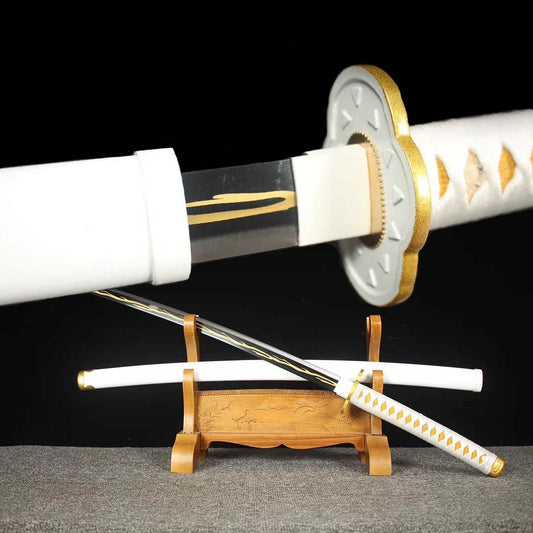
- Enhanced 1095 carbon steel with deeper hamon pattern and 60-62 HRC hardness
- Hand-polished blade showing traditional folding techniques (70cm blade)
- Premium silk cord wrapping in authentic patterns weighing 1.3kg total
- Includes certificate of authenticity and maintenance kit
- Presentation box suitable for serious collectors (dimensions: 110cm x 15cm x 8cm)
⭐⭐⭐⭐⭐ "The premium version really showcases the metallurgy that made samurai weapons legendary. The hamon line is absolutely stunning." - Jennifer M., Denver, Colorado
These pieces represent the same dedication to craftsmanship that characterized samurai armor history. Each sword undergoes rigorous quality inspection to ensure it meets our standards for authentic design and functional construction.
Having compared multiple versions side-by-side, we've found that the attention to traditional construction methods makes these pieces valuable additions to any collection. The steel quality, heat treatment, and finish work reflect the same principles that guided historical Japanese smiths.
For collectors seeking entry-level pieces, our entry level collection provides access to authentic designs at accessible prices. Those ready for premium pieces can explore our high end collection featuring the finest materials and craftsmanship.

Collector's Buying Guide
When selecting pieces that honor samurai armor history, understanding steel types becomes essential for making informed decisions. The three primary options—1060 carbon steel, 1095 carbon steel, and Damascus steel—each offer distinct characteristics that affect both appearance and functionality.
1060 carbon steel provides an excellent balance of durability and workability. With 0.60% carbon content, these blades hold a good edge while remaining relatively easy to maintain. For collectors new to sword ownership, 1060 offers forgiveness during the learning curve of proper care and handling.
1095 carbon steel contains 0.95% carbon, creating harder blades that can achieve razor-sharp edges. However, this hardness requires more careful maintenance to prevent rust and corrosion. Experienced collectors often prefer 1095 for its superior performance characteristics and authentic feel.
Damascus steel showcases the folding techniques that made Japanese blades legendary. The visible pattern lines (hada) result from forge-welding multiple steel layers, creating both functional and aesthetic benefits. These pieces often command higher prices due to the extensive labor required for proper construction.
But here's the real question: what makes a sword worthy of displaying alongside traditional armor? The answer lies in understanding the heat treatment process. Authentic differential hardening creates a visible hamon (temper line) that indicates proper traditional construction methods.
Display considerations matter significantly for collectors building comprehensive presentations. Wall-mounted stands work well for individual pieces, while traditional horizontal stands (katana-kake) accommodate multiple swords measuring up to 110cm in total length. Proper display prevents warping while showcasing the blade's artistic elements.
Maintenance requirements vary based on steel type and climate conditions. Regular cleaning with appropriate oils prevents corrosion, while proper storage in controlled humidity environments (40-50% relative humidity) preserves both blade and fittings. Never store swords in leather sheaths long-term, as leather can retain moisture and cause pitting.
Size considerations affect both display and handling characteristics. Standard katana measure 60-73cm in blade length, while shorter wakizashi (30-60cm) provide options for space-constrained displays. The total length including handle typically ranges from 100-110cm for full-size katana weighing 1.1-1.4kg.
When we've examined authentic museum pieces, authentication marks help distinguish quality pieces from mass-produced replicas. Look for proper proportions, traditional construction methods, and attention to historical detail in the fittings. Quality pieces should feel balanced in hand, with the center of balance located approximately 10-15cm from the guard.
For those building collections that complement samurai armor history study, consider starting with pieces representing different periods. A Heian-style tachi pairs well with early armor displays, while Edo period katana complement later ceremonial armor sets.
Our custom katana collection allows collectors to specify details that match particular historical periods or personal preferences, creating unique pieces that honor traditional craftsmanship.
Why Choose Katana America
As an American company specializing in authentic Japanese sword replicas, we understand the unique needs of collectors seeking pieces that honor samurai armor history. Our commitment to historical accuracy and quality construction ensures that every sword meets the standards expected by serious enthusiasts.
US-based customer service provides direct communication with knowledgeable staff who understand both the historical context and practical aspects of sword ownership. When you have questions about steel types, maintenance, or display options, you'll speak with experts who share your passion for these remarkable weapons.
Payment in US dollars eliminates currency conversion fees and international transaction complications. This straightforward approach extends to our ordering process, which accommodates American collectors' preferences for transparent pricing and clear communication throughout the purchase experience.
No import fees or customs complications affect your orders, as we handle all necessary documentation and logistics. This approach removes the uncertainty and additional costs that often accompany international sword purchases, making authentic pieces accessible to collectors nationwide.
Our quality verification process ensures that each piece meets strict standards before reaching your hands. Every sword undergoes inspection for proper heat treatment (58-62 HRC hardness verification), authentic proportions, and construction quality that reflects the craftsmanship traditions explored in samurai armor history.
Fast domestic shipping means your carefully selected pieces reach you quickly and safely. Proper packaging protects both blade and fittings during transit, while tracking information keeps you informed throughout the delivery process.
The educational resources we provide help collectors understand the historical and cultural significance of their pieces. From care instructions to historical context, these materials enhance the ownership experience and deepen appreciation for the warrior traditions these swords represent.
Our growing community of American collectors shares knowledge, experiences, and passion for these remarkable weapons. This network provides ongoing support for collectors at every level, from beginners building their first collection to experts seeking rare or specialized pieces.
Return policies and customer support reflect our commitment to collector satisfaction. If a piece doesn't meet your expectations or doesn't match the historical accuracy standards we promise, we work to resolve the situation promptly and fairly.
For collectors building displays that honor the complete warrior tradition, our katana accessories collection provides stands, cleaning kits, and display essentials that showcase your pieces properly.

Frequently Asked Questions
What makes a samurai armor history replica authentic? Authentic samurai armor history replicas demonstrate several key characteristics that distinguish quality pieces from mass-produced copies. First, they use traditional construction methods including lamellar (small plate) systems bound with silk cords rather than modern welding or riveting. The proportions must match historical examples, with proper scaling for human anatomy and movement requirements. Authentic replicas also feature correct materials—iron or steel plates, genuine silk cords, and traditional lacquer finishes rather than synthetic substitutes. Quality pieces include proper clan markings, family crests, and period-appropriate decorative elements. The craftsmanship should reflect the same attention to detail that characterized historical pieces, with hand-fitted components and traditional assembly techniques.
What steel type is best for samurai armor history displays? For swords displayed alongside samurai armor history pieces, 1095 carbon steel offers the best combination of authenticity and visual appeal. This high-carbon steel (0.95% carbon content) allows for proper differential hardening, creating the visible hamon (temper line) that indicates traditional Japanese construction methods. The harder steel achieves the sharp geometry and polished finish that complements armor displays effectively. However, 1095 requires more maintenance than lower-carbon alternatives, particularly in humid climates where rust prevention becomes critical. For collectors prioritizing ease of maintenance, 1060 carbon steel provides good authenticity with reduced care requirements. Damascus steel offers spectacular visual appeal through its folded patterns but represents a modern interpretation rather than strict historical accuracy.
How do I care for my samurai armor history collection? Proper maintenance of samurai armor history pieces requires understanding the different materials and their specific needs. Steel components need regular cleaning with appropriate oils to prevent corrosion, particularly in humid environments above 60% relative humidity. Use museum-quality mineral oil or specialized sword oils, applying thin coats and wiping excess to prevent buildup. Silk cords (odoshi) should be kept away from direct sunlight, which causes fading and fiber degradation over time. Clean gently with dry brushes to remove dust without damaging the weaving. Lacquer surfaces require minimal maintenance but benefit from occasional cleaning with soft, dry cloths. Avoid chemical cleaners that can damage traditional finishes. Store pieces in climate-controlled environments with stable humidity levels between 40-50% to prevent both rust and organic material deterioration. Regular inspection helps identify issues before they become serious problems.
What size samurai armor history should I choose? Selecting the right size for samurai armor history displays depends on several factors including available space, budget, and intended use. Full-size adult armor suits require approximately 183cm (6 feet) of vertical space and 91cm (3 feet) of width for proper display on traditional armor stands. These impressive pieces command attention but need dedicated display areas. Half-size or three-quarter scale replicas provide excellent detail while requiring less space, making them suitable for apartment or office displays. Consider the viewing angle—armor displayed at eye level creates more impact than pieces placed too high or low. For collectors with space constraints, focusing on specific components like kabuto (helmets) measuring 25-30cm in diameter or do (chest armor) allows appreciation of craftsmanship without requiring full suit accommodation. Weight considerations also matter, as complete armor sets can exceed 18-23kg (40-50 pounds), requiring sturdy display furniture and proper mounting systems.
How do I display my samurai armor history properly? Professional display of samurai armor history requires attention to both preservation and presentation principles. Traditional armor stands (yoroi-bitsu) provide authentic mounting while supporting the weight properly across multiple contact points. Position pieces away from direct sunlight, heating vents, and high-traffic areas where accidental contact might occur. Lighting should use LED systems that minimize heat and UV output, with adjustable positioning to highlight important details without creating harsh shadows. Create narrative displays by pairing armor with appropriate weapons, period accessories, and educational materials that explain historical context. Maintain consistent themes—don't mix periods or regional styles unless creating comparative displays. Use museum-quality materials for mounting and support, avoiding adhesives or fasteners that might damage original finishes. Consider rotating displays periodically to prevent uneven fading and allow appreciation of different pieces in your collection.
Is it legal to own a samurai armor history collection in the USA? Owning samurai armor history pieces and related weapons is generally legal throughout the United States, though specific regulations vary by state and local jurisdiction. Authentic historical armor poses no legal restrictions as these pieces qualify as antiques and collectibles rather than functional weapons. However, accompanying swords require attention to local blade length restrictions and carry laws. Most states permit ownership of full-size katana (60-73cm blade length) for collecting purposes, but some municipalities restrict blade lengths in public spaces. Always research local and state regulations before purchasing, particularly if you plan to transport pieces to shows or events. Federal laws don't restrict ownership of historical replicas or decorative weapons, but shipping regulations may affect how pieces are delivered. Some states require specific licensing for certain types of edged weapons, while others maintain length restrictions for concealed carry. When in doubt, consult local law enforcement or legal professionals familiar with weapons regulations in your area.
Conclusion & Related Resources
The rich tradition of samurai armor history continues to inspire modern collectors who appreciate the intersection of martial function and artistic achievement. These protective systems represent centuries of refinement, where master craftsmen created equipment that safeguarded warriors while expressing cultural values and aesthetic principles.
Understanding this historical context enhances the value of any collection, whether focused on armor replicas or the weapons that complemented these protective systems. The evolution from early leather and iron combinations to sophisticated steel plate constructions demonstrates human ingenuity in solving complex engineering challenges.
Modern collectors benefit from accessing quality replicas that honor traditional construction methods while meeting contemporary safety and display requirements. The connection between historical armor and the weapons systems they protected creates opportunities for comprehensive collections that tell complete stories about warrior culture.
For those building collections that celebrate this heritage, selecting pieces with proper attention to historical accuracy and construction quality ensures lasting value and educational significance. Each authentic piece contributes to preserving and sharing knowledge about these remarkable achievements in military technology and artistic expression.
The samurai armor history legacy lives on through dedicated collectors, skilled craftsmen, and educational institutions that maintain these traditions. By choosing quality pieces and learning about their historical significance, modern enthusiasts become part of this continuing story.
Ready to start or expand your collection? Explore our best seller collection featuring the most popular pieces chosen by fellow collectors, or visit our complete katana collection to discover authentic weapons that complement traditional armor displays.
Related Articles
To dive deeper into Japanese sword history, read our Katana History: Ancient Samurai Sword Legacy & Craftsmanship for comprehensive coverage of weapon development alongside armor evolution.
Learn proper maintenance techniques in our Authentic Katana Care: A Samurai's Guide to Blade Maintenance to ensure your collection maintains museum-quality condition.
For guidance on building comprehensive collections, our Ultimate Samurai Sword Collection Guide for Modern Warriors provides expert insights on selecting pieces that honor warrior traditions.

See the craft for yourself. Browse our hand-forged katana swords, forged in the Japanese tradition. Free U.S. shipping, 4.8/5 rated.
 Save $60