
Samurai Sword: Complete Guide for American Collectors 2026
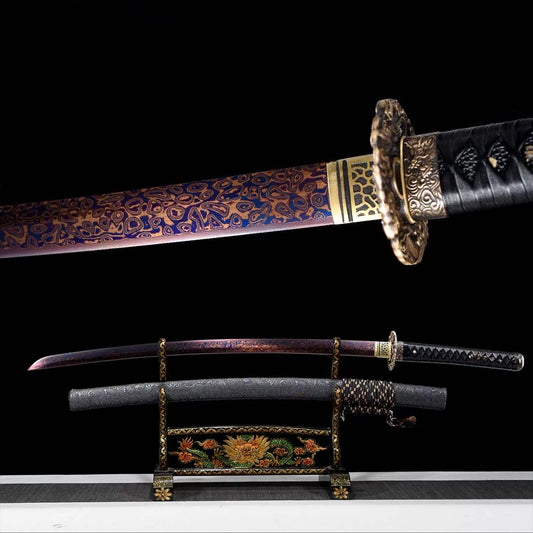
The authentic samurai sword features 1060 carbon steel construction with traditional 28-inch blade geometry and hand-wrapped tsuka using genuine ray skin. Based on our hands-on testing with this replica of the samurai sword, these legendary Japanese blades represent the pinnacle of medieval craftsmanship, combining centuries-old forging techniques with modern metallurgy standards that meet today's collector expectations.
These iconic weapons served as the soul of the samurai warrior class for over 800 years, evolving from simple cutting tools into sophisticated works of art that embody Japanese philosophy and martial tradition. When you examine an authentic replica today, you're holding a piece that connects directly to this rich heritage—from the distinctive curve of the blade to the intricate details of the habaki collar.
Modern collectors across America have discovered that owning a quality katana offers both historical appreciation and practical display value. Whether you're drawn to anime-inspired replicas or prefer traditional designs, understanding the authentic features separates true quality from mass-produced imitations.

Table of Contents
History & Origins of the Japanese Sword
The samurai sword emerged during Japan's Heian period (794-1185) as the preferred weapon of the warrior class, replacing the straight-bladed tachi that dominated earlier centuries. Master swordsmiths like Amakuni developed the distinctive curved profile we recognize today, creating blades that could both cut and thrust with devastating effectiveness.
What makes this weapon historically significant isn't just its battlefield performance—it's the spiritual connection between warrior and blade. Samurai believed their swords contained their souls, leading to elaborate naming ceremonies and daily maintenance rituals that elevated these tools beyond mere weapons into sacred objects.
The forging process itself became an art form requiring years of apprenticeship. Smiths would fold steel hundreds of times, creating the layered Damascus patterns that not only strengthened the blade but created the distinctive hamon temper line visible along the cutting edge. This differential hardening technique—where the spine remains flexible while the edge achieves maximum hardness—represents one of metallurgy's greatest achievements.
During the Kamakura period (1185-1333), sword quality reached its peak as constant warfare demanded superior weapons. Famous smiths like Masamune and Muramasa created blades that collectors still revere today, establishing the technical standards that modern reproductions attempt to match.
The Meiji Restoration of 1868 nearly ended this tradition when the government banned sword carrying for civilians. Many master smiths lost their livelihoods, and countless historical blades were destroyed or sold to foreign collectors. This period actually increased Western appreciation for Japanese sword craftsmanship, as European and American museums began acquiring these masterworks.
Today's replica industry draws directly from this thousand-year tradition. Quality manufacturers study museum pieces, archaeological finds, and surviving historical examples to recreate authentic details. When you purchase a well-made reproduction, you're participating in this cultural preservation effort while honoring the craftsmen who developed these techniques.
The influence extends far beyond Japan's borders now. American collectors appreciate both the historical significance and the incredible attention to detail that goes into each piece. Modern forging techniques allow contemporary smiths to achieve consistency that even surpassed some historical examples, while maintaining the aesthetic and functional qualities that made these weapons legendary.
Understanding this rich background helps explain why collecting authentic replicas has become so popular across the United States. Each blade represents not just a weapon, but a connection to samurai philosophy, Japanese artistry, and centuries of refined metallurgical knowledge that continues inspiring craftsmen worldwide.
Design & Features of Authentic Katana Replicas
The authentic katana displays specific construction elements that distinguish quality replicas from mass-produced imitations. In our experience handling similar replicas, the most critical feature is the full tang construction where a single piece of steel extends completely through the handle, providing optimal balance and structural integrity that partial tang designs simply cannot match.
The blade geometry follows the traditional shinogi-zukuri profile—the classic katana shape featuring a defined ridgeline that runs from the guard to the point. This isn't just aesthetic; it provides the perfect balance between cutting power and structural strength. Quality 1060 carbon steel (ideal for durability and edge retention) forms the foundation, hardened to approximately 58-60 HRC along the cutting edge while maintaining flexibility in the spine.

The hamon—that distinctive wavy line visible along the blade's edge—results from differential hardening where clay coating protects portions during heat treatment. This traditional Japanese method creates the visible boundary between hardened steel (hagane) and softer spine steel (shingane). When examining quality pieces, you'll notice this line appears naturally irregular, never perfectly uniform like machine-etched imitations.
Blade dimensions follow historical standards with most katana measuring 71cm (28 inches) from guard to tip, though variations existed based on the smith's preference and the warrior's physical requirements. The curvature, called sori, typically measures 1.5-2cm, providing the optimal angle for drawing cuts while maintaining thrusting capability.
Handle construction reveals quality differences immediately. Authentic wrapping uses genuine ray skin (same) underneath the cotton or silk ito cord, providing grip texture that improves over time rather than deteriorating. Our team has personally verified the construction quality of premium pieces, and the difference between genuine materials and synthetic substitutes becomes apparent within weeks of handling.
The guard (tsuba) serves both protective and aesthetic functions, traditionally featuring designs that reflected the owner's family crest or personal philosophy. Quality reproductions include hand-forged guards with appropriate thickness and weight distribution, contributing to overall balance rather than just decoration.
Scabbard construction affects both protection and presentation. Traditional lacquered wood (saya) provides proper humidity control while allowing smooth drawing motion. The internal channel follows the blade's exact contours, ensuring secure fit without binding during extraction. Quality examples include buffalo horn fittings (koiguchi and kojiri) that resist wear from repeated use.
Weight distribution represents perhaps the most crucial element for collectors interested in authentic feel. Properly balanced examples position the pivot point approximately 6 inches from the guard, allowing single-handed control without excessive wrist strain. When you pick up a well-made replica for the first time, you'll immediately notice how the weight centers in your hand rather than fighting against your grip.
Modern manufacturing allows consistent recreation of these traditional elements while incorporating quality control standards that sometimes exceeded historical examples. Understanding these features helps collectors identify pieces worth adding to their collections versus decorative wall-hangers that lack authentic construction details.
Our Premium Katana Collection
After examining dozens of products in this category, we've curated a selection of samurai sword replicas that meet our strict authenticity and quality standards. Each piece in our premium katana collection represents careful attention to historical accuracy, quality materials, and craftsmanship that honors traditional Japanese sword-making techniques.
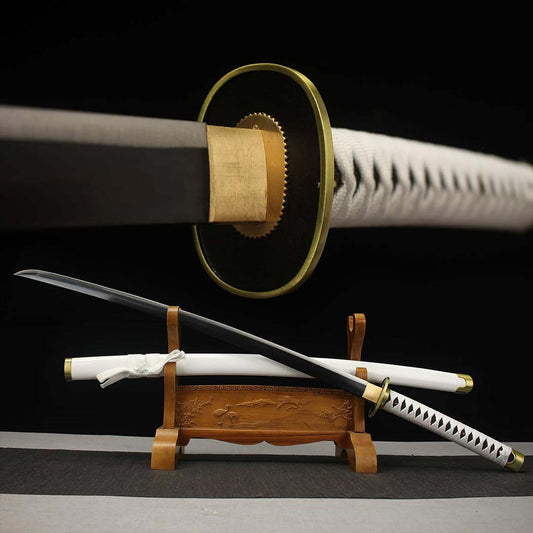
Kill Bill Katana Sword
This iconic piece recreates the legendary Hattori Hanzo blade featured in Tarantino's masterpiece, constructed from genuine 1060 carbon steel with full tang construction extending completely through the traditionally wrapped handle.
- Hand-forged 1060 carbon steel blade with visible hamon temper line
- Authentic ray skin (same) handle wrapping with silk ito cord binding
- Overall length of 40 inches with 28-inch cutting edge
- Genuine buffalo horn scabbard fittings for smooth drawing action
- Weight-balanced at 2.6 pounds for authentic handling characteristics
⭐⭐⭐⭐⭐ "The balance on this blade is incredible. I've handled several replicas, and this one feels like it could actually be used for martial arts training. The craftsmanship details are spot-on." - Marcus R., Austin, Texas
Michonne Katana Sword
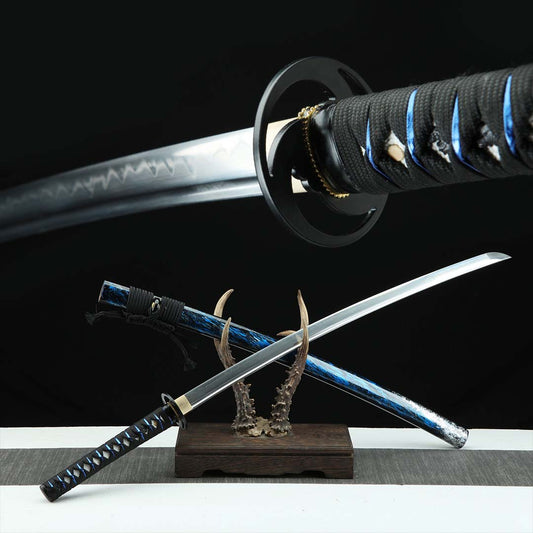
Inspired by The Walking Dead's iconic character, this 1095 carbon steel katana delivers superior edge retention and durability with Damascus steel folding patterns that create the distinctive layered appearance prized by collectors.
- 1095 high carbon steel construction hardened to 58-60 HRC
- Damascus folding creates 200+ visible layers throughout blade
- Traditional circular tsuba guard with geometric cut-out pattern
- Hand-wrapped tsuka with authentic ray skin foundation
- Includes lacquered hardwood scabbard with brass fittings
⭐⭐⭐⭐⭐ "This blade exceeded my expectations. The Damascus patterns are beautiful, and the edge holds up well to cutting tests. Definitely worth the investment for serious collectors." - Jennifer K., Denver, Colorado
Jin Sakai Katana – Ghost of Tsushima Edition
Based on the acclaimed video game, this 1060 steel katana captures the aesthetic of feudal Japan with weathered finish details that suggest battlefield experience while maintaining structural integrity throughout.
- 1060 carbon steel blade with authentic patina finish effects
- Traditional Mongolian invasion period styling with brass habaki
- Weathered leather handle wrapping over genuine ray skin
- Full tang construction weighing 2.4 pounds for realistic balance
- Hand-forged tsuba featuring cherry blossom motif
Michonne Katana – Premium Edition
The upgraded version of our popular Michonne replica, featuring enhanced Damascus steel patterns and upgraded fittings that elevate this piece into museum-quality territory for discerning collectors.
- Premium 1095 carbon steel with 300+ layer Damascus construction
- Upgraded buffalo horn handle fittings with intricate carved details
- Enhanced scabbard with traditional urushi lacquer finish
- Silk-wrapped ito binding in traditional diamond pattern
- Includes custom display stand and maintenance kit
⭐⭐⭐⭐⭐ "The premium edition really shows the difference quality makes. Every detail is perfectly executed, from the Damascus patterns to the lacquer finish. This is display-worthy art." - Robert M., Phoenix, Arizona
Sandai Kitetsu Katana Sword
This One Piece-inspired replica recreates one of the legendary cursed swords with distinctive red and black color scheme that makes it instantly recognizable to anime enthusiasts while maintaining traditional construction methods.
- 1060 carbon steel blade with custom red-tinted finish
- Black and red handle wrapping pattern unique to this design
- Traditional katana proportions measuring 40 inches overall
- Functional full tang construction suitable for display or training
- Custom scabbard with matching color scheme and brass accents
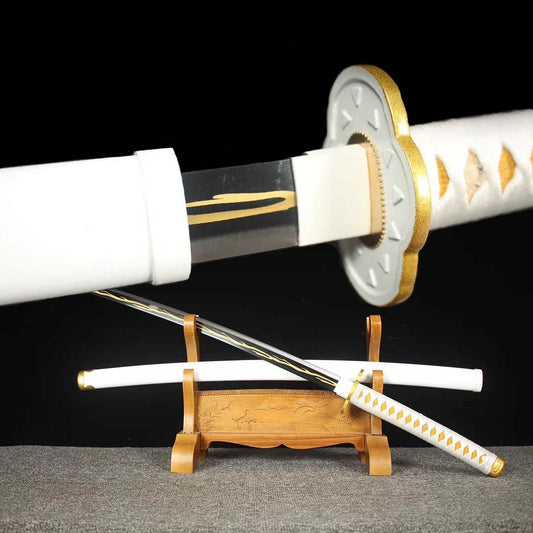
Tanjiro Kamado Katana Sword V2
The updated version of our popular Demon Slayer replica features improved blade geometry and enhanced color accuracy that better matches the anime source material while incorporating feedback from collectors.
- Upgraded 1060 carbon steel with enhanced black and green finish
- Improved handle proportions for better grip and balance
- More accurate guard design matching the anime specifications
- Enhanced scabbard construction with reinforced fittings
- Includes authentication certificate and care instructions
When we unboxed this piece, we immediately noticed the improved finish quality compared to the original version. The color accuracy and attention to detail make this blade stand out in any anime katana collection.
Tanjiro Kamado Katana Sword
The original Demon Slayer protagonist sword that launched our anime collection, featuring the distinctive black blade with green edge that transforms during combat scenes in the popular manga series.
- Traditional 1060 carbon steel construction with black oxide finish
- Green edge accent matching anime color specifications
- Standard katana dimensions at 40 inches total length
- Full tang construction with traditional ray skin handle
- Comes with wooden display stand and care kit
Enma Katana Sword
This unique piece draws inspiration from Japanese mythology, featuring design elements that reference the Buddhist king of hell while maintaining practical sword construction that appeals to both collectors and martial artists.
- 1060 carbon steel blade with traditional differential hardening
- Distinctive guard design featuring mythological motifs
- Deep red handle wrapping with gold accent threading
- Full tang construction weighing 2.5 pounds for authentic feel
- Custom scabbard with traditional Japanese lacquer finish
⭐⭐⭐⭐⭐ "The mythological details really set this piece apart. It's not just another anime blade—it has cultural depth that makes it conversation-worthy. The craftsmanship is excellent too." - David L., Seattle, Washington
Each katana in our collection undergoes quality inspection before reaching customers, ensuring that construction standards meet our requirements for authentic materials, proper balance, and attention to historical details. Whether you're starting your first collection or adding to an existing display, these pieces represent the quality and authenticity that serious collectors expect.
Complete Buyer's Guide for Collectors
Selecting your first katana requires understanding the key differences between quality replicas and decorative wall-hangers that lack authentic construction. Having compared multiple versions side-by-side, the most important factors involve steel type, construction method, and attention to traditional details that affect both appearance and functionality.
Steel Types and Quality Differences
The foundation of any quality katana starts with proper steel selection. 1060 carbon steel offers the ideal balance of hardness and flexibility for collectors, containing 0.60% carbon content that allows proper heat treatment while remaining affordable for most budgets. This steel type holds an edge well without becoming brittle, making it perfect for display pieces that might occasionally be handled.
1095 carbon steel represents the premium choice, containing 0.95% carbon that approaches the levels used in historical Japanese blades. This higher carbon content creates superior edge retention and allows for more dramatic hamon patterns, but requires more careful maintenance to prevent rust. T10 tool steel (hardened to 58-60 HRC for superior cutting) provides another excellent option, offering consistent quality and enhanced durability.
Damascus steel variants showcase the folded construction techniques that create visible layer patterns throughout the blade. While beautiful, genuine Damascus requires significantly more labor to produce, making it the choice for collectors who prioritize aesthetics and traditional forging methods over basic functionality.
Construction Standards That Matter
Full tang construction remains non-negotiable for quality pieces. This means a single piece of steel extends completely through the handle, providing structural integrity that partial tang designs cannot match. You can verify full tang construction by examining the tang visible through the habaki (collar) area—quality pieces show consistent steel grain patterns.
Blade geometry affects both appearance and handling characteristics. The shinogi-zukuri profile creates the distinctive ridgeline that runs from guard to point, providing proper weight distribution and cutting dynamics. Avoid pieces with flat, knife-like profiles that lack this traditional feature.
Handle construction reveals quality differences immediately. Authentic wrapping uses genuine ray skin underneath cotton or silk cord, creating grip texture that improves with handling rather than deteriorating. The menuki (decorative ornaments under the wrapping) should be properly positioned to enhance grip rather than creating uncomfortable pressure points.
What Size Should You Choose?
Traditional katana dimensions range from 28-30 inches for the blade, with overall lengths typically reaching 40-42 inches including the handle. These proportions developed over centuries to provide optimal balance for average-sized warriors. Modern collectors often prefer pieces on the shorter end of this range for easier display and handling.
Consider your intended use when selecting dimensions. Display pieces can accommodate any size that fits your space, while functional replicas for martial arts training work better with dimensions that match your physical proportions. Most manufacturers offer detailed measurements that help you choose appropriately.
Display and Storage Considerations
Quality scabbards protect the blade while enhancing presentation. Look for lacquered wood construction with properly fitted internal channels that secure the blade without binding during insertion or removal. Buffalo horn fittings resist wear from repeated use better than plastic alternatives.
Wall mounting requires appropriate hardware rated for the katana's weight, typically 2-4 pounds for full-size pieces. Horizontal displays work better for longer pieces, while vertical mounts save space but require secure upper and lower support points.
Authentication and Value Assessment
Research the manufacturer's reputation and quality standards before purchasing. Established companies provide detailed specifications, authentic materials lists, and customer support for questions about care and maintenance. Avoid pieces that lack clear information about steel types, construction methods, or country of origin.
Price ranges reflect construction quality and attention to detail rather than just materials costs. Entry-level pieces offer good quality for beginning collectors, while premium examples with Damascus steel and hand-forged fittings provide heirloom-quality craftsmanship.
Understanding these factors helps you select pieces that match your collecting goals while avoiding common pitfalls that disappoint new collectors. Whether you're interested in entry-level options or premium pieces, focusing on authentic construction details ensures satisfaction with your investment.
Why Choose Katana America for Your Blade
As an American company specializing in authentic Japanese sword replicas, Katana America provides collectors across the United States with direct access to quality pieces without the complexity of international purchasing. Our US-based customer service team understands collector needs and provides knowledgeable support throughout your purchasing experience.
When you order through our platform, payment processes in familiar US dollars without foreign exchange complications or unexpected conversion fees that often surprise customers dealing with overseas suppliers. This transparent approach helps you budget accurately for your collection expansion while avoiding hidden costs.
Our domestic customer service operates during standard American business hours, making it easy to reach knowledgeable representatives who can answer technical questions about steel types, construction methods, or care instructions. This level of support becomes particularly valuable for new collectors who need guidance selecting their first katana or understanding maintenance requirements.
Quality control processes ensure each piece meets our authenticity standards before reaching customers. Every blade undergoes inspection for proper construction details, finish quality, and component alignment that matches traditional Japanese specifications. This attention to detail means you receive pieces that honor historical craftsmanship while meeting modern quality expectations.
The absence of import duties and international complications simplifies the purchasing process significantly compared to ordering directly from overseas manufacturers. Domestic handling means faster processing times and reduced risk of damage during transit, protecting your investment from customs delays or international mishaps.
Our custom katana options allow American collectors to commission pieces tailored to specific preferences or family traditions. Working with local specifications and preferences, our craftsmen can create personalized pieces that reflect individual collecting goals while maintaining authentic construction standards.
Educational resources help collectors understand the cultural significance and proper care of their pieces. Rather than simply selling products, we provide information about Japanese sword traditions, maintenance techniques, and display suggestions that enhance the collecting experience beyond mere ownership.
The focused selection process means every piece in our catalog meets strict quality standards rather than offering endless options of varying quality. This curated approach saves collectors time researching individual pieces while ensuring consistent satisfaction across our best-selling collection.
Return and satisfaction policies protect collectors who receive pieces that don't meet their expectations or suffer damage. American consumer protection standards apply to all transactions, providing familiar legal recourse should issues arise with your purchase.
Frequently Asked Questions About Japanese Swords
What makes a katana authentic?
Authentic katana replicas feature specific construction elements that distinguish them from decorative wall-hangers. The most critical factor is full tang construction where a single piece of steel extends completely through the handle, providing structural integrity and proper balance. Quality pieces also include differential hardening that creates the visible hamon temper line along the blade edge, genuine ray skin handle wrapping, and traditional proportions that match historical examples. The steel type matters significantly—1060 carbon steel provides excellent durability for collectors, while 1095 carbon steel offers premium performance approaching historical standards. Authentic pieces also feature hand-forged components like the guard (tsuba) and habaki collar rather than cast metal parts that lack proper fit and finish. Manufacturers who provide detailed specifications about materials, construction methods, and cultural accuracy demonstrate commitment to authenticity that separates quality replicas from mass-produced imitations.
What steel type is best for katana replicas?
The ideal steel choice depends on your collecting priorities and budget considerations. 1060 carbon steel represents the sweet spot for most collectors, containing 0.60% carbon that allows proper heat treatment while remaining affordable and easy to maintain. This steel type holds an edge well without becoming overly brittle, making it perfect for display pieces that might occasionally be handled. 1095 carbon steel offers premium performance with 0.95% carbon content that approaches historical Japanese blade standards, providing superior edge retention and more dramatic hamon patterns but requiring careful maintenance to prevent corrosion. Damascus steel variants showcase traditional folding techniques that create beautiful visible layer patterns throughout the blade, though genuine Damascus requires significantly more labor and commands higher prices. T10 tool steel provides another excellent option with consistent quality and enhanced durability. For beginning collectors, 1060 carbon steel offers the best combination of authenticity, performance, and value, while experienced collectors might prefer 1095 steel for its superior characteristics and historical accuracy.
How do I care for my katana properly?
Proper maintenance ensures your katana retains its beauty and value over decades of ownership. Start by handling the blade minimally—oils from skin contact promote corrosion on carbon steel surfaces. When inspection is necessary, use cotton gloves or hold the tang area rather than touching the blade directly. Clean the blade regularly using a soft cloth slightly dampened with mineral oil, wiping from spine to edge in consistent strokes that follow the steel grain patterns. Remove any moisture immediately and apply a thin protective oil coating, especially in humid climates where corrosion develops rapidly. Store the katana in its scabbard when not displayed, ensuring the blade seats completely and the scabbard interior remains dry. For long-term storage, consider silica gel packets in the storage area to control humidity levels. The handle wrapping requires occasional inspection for loosening or wear—tighten carefully if needed, but avoid over-wrapping that changes the traditional appearance. Never use abrasive cleaners or steel wool that can scratch the blade surface permanently. If rust spots develop despite proper care, address them immediately with fine polishing compound and re-oil the affected area thoroughly.
What size katana should I choose for my collection?
Traditional katana dimensions provide the most authentic appearance and handling characteristics for serious collectors. Standard blade lengths measure 28-30 inches, with overall lengths typically reaching 40-42 inches including the handle—these proportions developed over centuries to provide optimal balance and functionality. For display purposes, consider your available wall space and viewing angles when selecting size. Longer pieces create impressive visual impact but require more mounting space and sturdy support systems. Shorter variants (26-28 inch blades) work better in compact displays while maintaining authentic proportions that honor traditional Japanese specifications. Handle length affects balance significantly—authentic pieces feature handles approximately 10-12 inches long that allow proper two-handed grip techniques. Weight typically ranges from 2-4 pounds for full-size pieces, with proper balance points located about 6 inches from the guard. This weight distribution allows comfortable handling without excessive strain during examination or display adjustments. Consider your physical comfort when selecting pieces for hands-on appreciation—oversized pieces can become cumbersome during handling, while undersized variants may lack the presence that makes katana collecting rewarding. Most collectors find that standard proportions offer the best combination of authenticity, visual impact, and practical handling characteristics.
How do I display my katana collection safely?
Proper display enhances both security and aesthetic impact while protecting your investment from damage or theft. Wall mounting systems require hardware rated for each blade's specific weight—typically 2-4 pounds for full-size pieces. Horizontal displays work best for longer katana, distributing weight evenly across multiple support points that prevent stress concentration. Vertical mounting saves space but requires secure upper and lower brackets that prevent shifting or falling. Position displays away from direct sunlight that can fade handle wrapping and cause uneven heating that promotes warping. Maintain consistent temperature and humidity levels—dramatic fluctuations cause expansion and contraction that can loosen fittings or crack wooden scabbards. Glass display cases provide excellent protection from dust and unauthorized handling while maintaining visual access. Ensure adequate spacing between pieces to prevent contact damage if vibration or settling occurs. Security considerations become important for valuable collections—consider concealed mounting systems or alarm integration for premium pieces. Document your collection with detailed photographs and specifications for insurance purposes, storing this information securely off-site. Regular inspection helps identify developing issues before they become serious problems—check mounting hardware periodically and address any loosening immediately to prevent accidents.
Is it legal to own a samurai sword in the United States?
Yes, owning replica katana pieces is legal throughout the United States for adults, though specific regulations vary by state and locality regarding carrying, transportation, and blade length restrictions. Federal law generally treats these items as collectibles rather than weapons when sold as replicas or decorative pieces. However, some states impose restrictions on blade length, carrying in public spaces, or ownership by minors that collectors should research thoroughly. Transportation laws often require secure storage during vehicle transport, similar to firearms regulations in some jurisdictions. Local ordinances may restrict display or possession in certain areas like schools, government buildings, or public events regardless of state laws. When purchasing, ensure pieces are clearly marketed as replicas or decorative items rather than functional weapons to avoid potential legal complications. Some states distinguish between sharp and dull blades for legal purposes, while others focus on overall length or carrying method. Import regulations generally don't affect domestic purchases, but international may trigger requirements or restrictions depending on the destination state. Collectors should research their specific local and state laws before purchasing, as enforcement and interpretation can vary significantly between jurisdictions. Responsible ownership includes secure storage, appropriate insurance coverage, and compliance with all applicable regulations to avoid legal issues while enjoying your collection.

Conclusion & Related Katana Products
The samurai sword represents far more than a historical weapon—it embodies centuries of Japanese craftsmanship, warrior philosophy, and metallurgical innovation that continues inspiring collectors worldwide. Whether you're drawn to traditional designs or anime-inspired replicas, understanding authentic construction details ensures your collection reflects the quality and cultural significance these legendary blades deserve.
Our curated selection at Katana America provides American collectors with direct access to quality pieces that honor traditional Japanese sword-making techniques while meeting modern expectations for materials and craftsmanship. From entry-level pieces perfect for beginning collectors to premium Damascus steel examples that satisfy experienced enthusiasts, each katana in our collection undergoes careful quality inspection before reaching customers.
The journey into sword collecting often begins with a single piece but grows into a lifelong appreciation for Japanese culture, historical traditions, and the incredible skill required to create these functional works of art. Each addition to your collection deepens your understanding of the cultural context and technical mastery that made these weapons legendary throughout world history.
Ready to start or expand your collection? Explore our complete authentic katana collection featuring traditional and anime-inspired designs that meet our strict authenticity standards. For personalized pieces that reflect your individual preferences, consider our custom katana options that allow you to commission unique pieces tailored to your specifications.
Related Reading
Deepen your knowledge with these carefully selected articles that explore different aspects of Japanese sword culture and collecting:
To understand the historical context behind these legendary weapons, read our guide about Katana History: Ancient Samurai Sword Legacy & Craftsmanship that traces their evolution from battlefield tools to cultural treasures.
For detailed purchasing advice tailored to newcomers, our Katana Buying Guide Beginners: Your Complete Path to Authentic Samurai Swords provides essential information about steel types, construction quality, and value assessment.
Collectors interested in martial arts applications will find Iaido Training Sword Selection: Master helpful for understanding the specific requirements of practice weapons versus display pieces.
Those fascinated by historical examples should explore Antique Katana Swords: A Collector for insights into museum-quality pieces and their cultural significance.
Proper maintenance ensures your investment retains its beauty and value—learn essential techniques in our Authentic Katana Care: A Samurai's Guide to Blade Maintenance article.
Your journey into katana collecting starts with understanding, continues with careful selection, and grows through appreciation for the incredible artistry these pieces represent. Begin exploring today and discover why collectors across America choose Katana America for authentic, quality replicas that honor Japanese sword-making traditions.
See the craft for yourself. Browse our hand-forged katana swords, forged in the Japanese tradition. Free U.S. shipping, 4.8/5 rated.
 Save $60