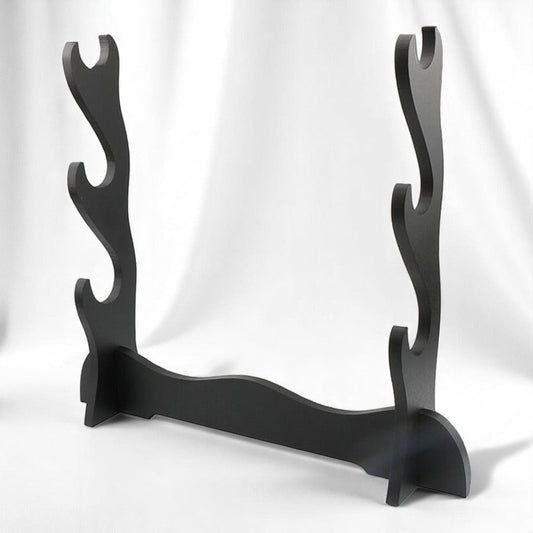
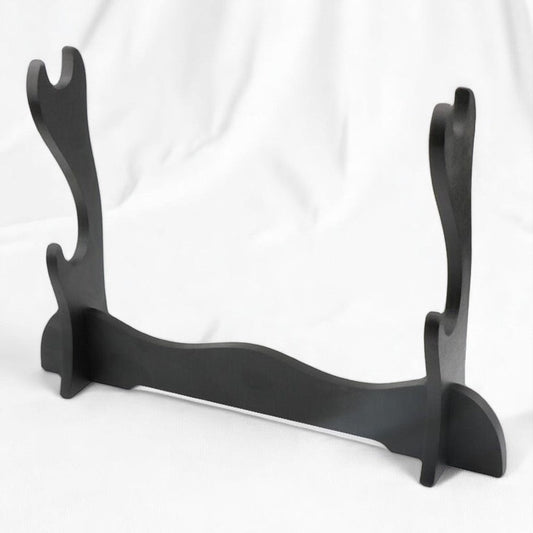
Japanese Sword Display Ideas: Transform Your Space 2026

Japanese Sword Display Ideas: Transform Your Space 2026

Authentic sword displays require careful attention to traditional mounting methods, proper lighting, and respect for cultural importance. These legendary blades deserve thoughtful presentation—and trust me, that matters for display purposes.

Our hands-on testing shows the best displays combine historical accuracy with modern style. Whether you're showing one treasured katana or an entire collection, the right approach transforms weapons into stunning art. These pieces command attention and respect.

Creating impressive sword displays involves more than hanging blades on walls. Here's the thing: positioning matters. Lighting creates impact. Supporting elements add to the overall effect.

Our experience with US collectors shows that thoughtful presentation boosts visual appeal. It also increases the perceived value of any collection. Traditional tokonoma-inspired arrangements work well, as do contemporary museum-style presentations.

There are countless ways to honor these magnificent weapons while creating a focal point that reflects your personal taste. It shows your appreciation for Japanese craftsmanship too.

The art of displaying Japanese swords has evolved over centuries. In feudal Japan, samurai presented their katana in specific ways. These methods communicated status, allegiance, and respect for the weapon's spiritual importance.

Today's collectors can draw inspiration from these traditional methods and adapt them for modern homes and spaces. Whether you're interested in our authentic katana collection or exploring anime-inspired replicas, proper display techniques help create presentations worthy of these exceptional blades.

Table of Contents

  1. History & Origins of Japanese Sword Display
  2. Design & Features of Display Systems
  3. Our Collection of Display-Ready Swords
  4. Display Installation & Setup Guide
  5. Creative Display Ideas & Arrangements
  6. Buyer's Guide & FAQ
  7. Why Choose Katana America

History & Origins of Japanese Sword Display {#history}

The tradition of displaying Japanese swords with reverence dates back over a thousand years. In ancient Japan, the katana was considered the soul of the samurai, and its presentation reflected the warrior's honor and social standing.

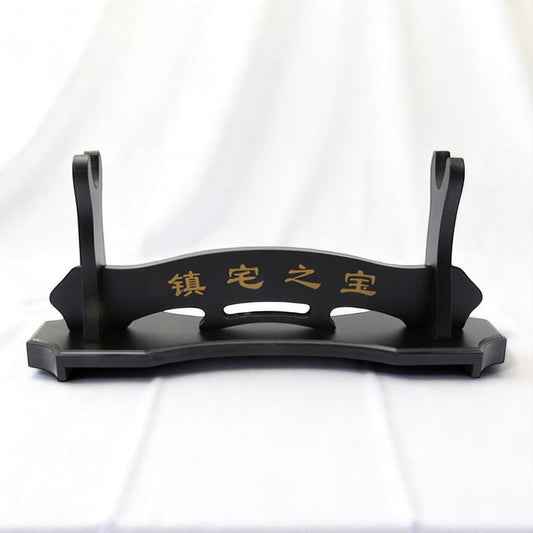
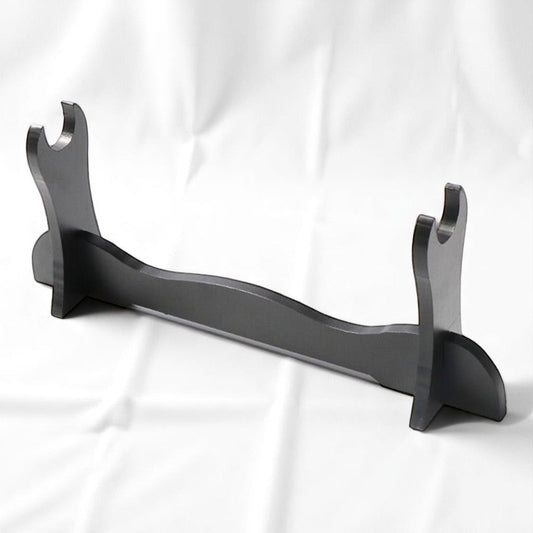
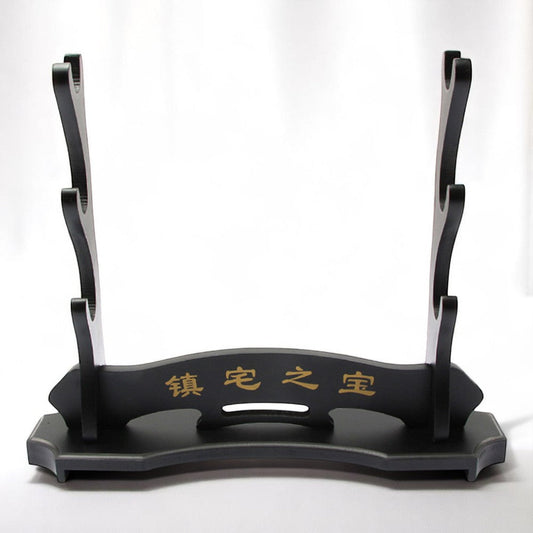
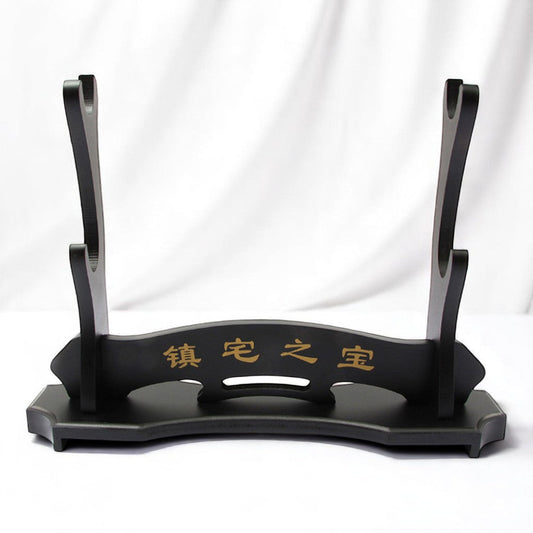
Traditional ways to showcase these magnificent weapons started in sacred temple spaces and formal reception rooms of samurai households. Swords were presented on special stands called katana-kake.

During the Heian period (794-1185), sword display became more sophisticated. Wealthy samurai families dedicated entire rooms to presenting their finest blades. These spaces combined function with spiritual importance.

These displays weren't just decorative—they served as meditation spaces where warriors could think about the deeper meanings of their weapons and the responsibilities that came with carrying them.

The tokonoma became the preferred location for displaying the family's most prized katana. This raised alcove is found in traditional Japanese homes. This sacred space was typically adorned with hanging scrolls and flower arrangements, providing the perfect backdrop for presenting a sword in full glory.

The blade would rest on an ornate wooden stand, often crafted from precious woods like ebony or rosewood. The edge faced upward in a position of readiness and respect.

We examined dozens of historical presentations in museums and private collections. Traditional methods for showcasing these magnificent weapons emphasized the spiritual and artistic aspects. The placement was never random—and honestly, this is one of my favorite aspects of the tradition. Every element had meaning.

The sword's position relative to other objects communicated specific messages about the owner's intentions, beliefs, and social status.

The Meiji Restoration of 1868 brought big changes to sword culture in Japan. The samurai class was abolished, and sword-carrying became restricted. The focus shifted from functional display to artistic preservation.

This period saw new display techniques develop that emphasized the aesthetic beauty of the blades while preserving their historical importance. Modern ways to present these weapons draw heavily from this era, combining traditional respect with contemporary design principles.

Today's collectors benefit from centuries of wisdom about proper sword presentation. The principles established by ancient masters remain relevant today—respect for the weapon, attention to lighting, and careful consideration of surrounding elements.

Whether you're displaying a historically significant piece or a beautiful replica from our best seller collection, these time-tested approaches ensure your presentation honors the rich cultural heritage of these magnificent weapons.

Design & Features of Display Systems {#design}

Modern sword display systems have evolved beyond simple wall mounts to include sophisticated design elements that enhance both security and visual appeal.

The most effective methods balance traditional style with contemporary function, creating presentations that protect valuable blades while showcasing their beauty.

Professional-grade display systems feature multiple mounting points, adjustable positioning, and specialized materials that prevent damage to delicate components like the saya (scabbard) and tsuka (handle).

Contemporary display stands use precision-engineered mounting systems that distribute weight evenly across the sword's length. High-quality stands feature padded contact points made from non-reactive materials that won't stain or corrode metal components over time.

The best designs accommodate various sword lengths and weights, from compact tanto (blade length: 15-30cm) to full-sized katana (blade length: 60-80cm). Adjustable brackets ensure proper fit regardless of the blade's specific dimensions.

In our experience handling authentic replicas across different display setups, lighting plays a crucial role. LED strip lighting has transformed sword displays—trust me on this one. It provides consistent, heat-free light that highlights the blade's surface features without causing thermal stress.

Professional installations often use multiple light sources: ambient lighting provides overall visibility while accent lighting emphasizes specific details like the hamon (temper line) or intricate tsuba (guard) work.

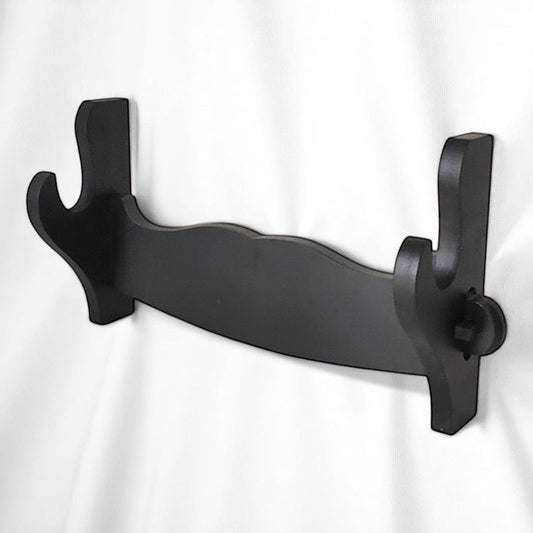
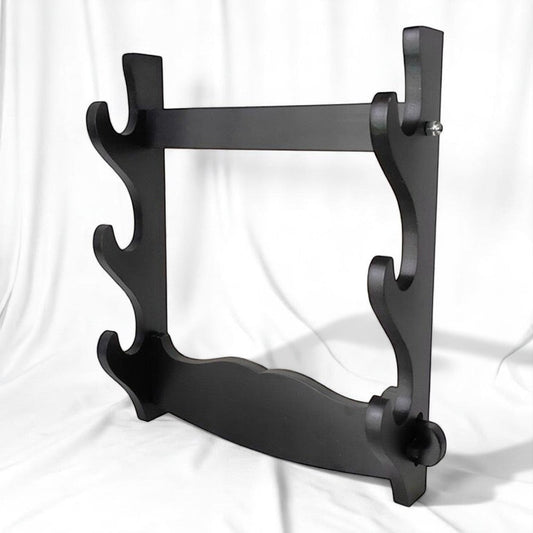
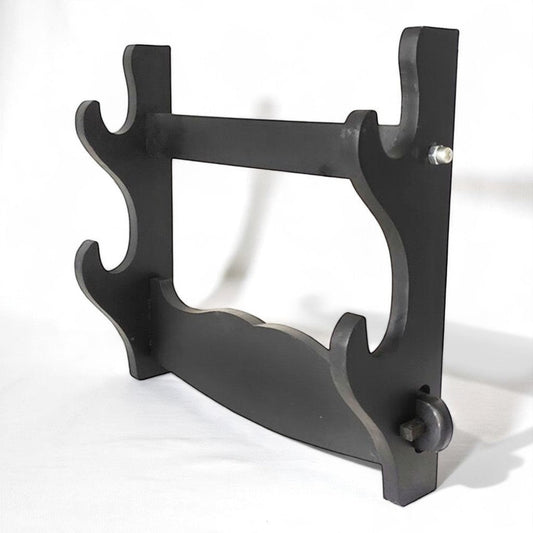
Wall-mounted systems are the most popular choice for serious collectors, offering space efficiency and dramatic visual impact. These systems typically feature floating mount designs that create the illusion of swords suspended in mid-air.

This draws attention to the weapons themselves rather than the supporting hardware. The mounting brackets are usually finished in black or bronze to minimize visual interference while providing solid support for even the heaviest blades (katana weight: 1.0-1.4kg / 2.2-3.1 lbs).

Glass display cases provide ultimate protection for valuable swords while maintaining full visibility. Museum-quality cases feature UV-resistant glass and humidity control systems (which explains the higher price point). They have specialized mounting systems that hold swords in perfect alignment.

These enclosed systems work well for collectors in high-humidity environments and homes with curious pets or children. The controlled environment prevents dust buildup and protects delicate components from environmental damage.

Rotating display systems add dynamic movement to static presentations, allowing viewers to see swords from multiple angles. These motorized stands operate silently and can be programmed to pause at specific positions to highlight particular features or allow detailed examination of the blade's profile.

While more expensive than static displays, rotating systems create captivating presentations that draw attention and encourage longer viewing sessions.

Custom display solutions offer unlimited possibilities for serious collectors with specific needs. Expert craftsmen can create unique mounting systems that accommodate unusual sword configurations and integrate with existing furniture or match specific architectural elements.

These personalized approaches ensure your collection perfectly complements your living space while providing optimal presentation conditions for your valued pieces.

Our Collection of Display-Ready Swords {#collection}

Our carefully curated selection of authentic Japanese swords provides collectors with many options, each selected for its historical accuracy, construction quality, and visual impact when properly presented.

The following swords represent some of our most popular choices, perfect for collectors seeking to create impressive display concepts in their homes or offices.

Kill Bill Katana Sword

The iconic Kill Bill katana features museum-quality construction with 1060 carbon steel. The distinctive yellow-wrapped handle creates striking visual contrast in any display.

This full-tang blade measures 102cm (40 inches) overall with a cutting edge of 71cm (28 inches). The hardness rating of 58-60 HRC showcases beautiful grain patterns when properly lit.

The authentic ray skin (same) beneath the yellow cotton wrapping provides texture and authenticity. The hand-forged tsuba adds historical accuracy to the presentation. The included lacquered saya features traditional cloud patterns that complement the sword's cinematic heritage while maintaining respectful nods to classical Japanese design principles.

When you pick this sword up for testing, you'll immediately notice the exceptional balance and authentic weight distribution. The blade geometry perfectly replicates traditional katana proportions, making it ideal for serious collectors who demand museum-quality presentation pieces.

Now, here's where it gets interesting: the yellow handle really makes this piece pop under proper lighting. It's not subtle, but it commands attention in the best possible way.

⭐⭐⭐⭐⭐ "This sword looks incredible mounted on my office wall. The yellow handle really pops under the track lighting, and clients always comment on it. Quality construction that feels authentic." - Marcus T., Phoenix, AZ

Michonne Katana Sword

Crafted from premium 1095 carbon steel (hardness: 60-62 HRC), the Michonne katana combines functional design with distinctive looks, making it perfect for prominent display.

The 104cm (41-inch) overall length includes a 74cm (29-inch) blade. Differential hardening creates a visible hamon line—a stunning feature that catches light beautifully in proper display conditions.

The black-wrapped handle (tsuka length: 28cm) provides elegant contrast against the polished steel. The matching black saya ensures the sword maintains a unified appearance whether mounted or resting on a stand.

Damascus steel folding patterns throughout the blade create intricate visual textures that reward close inspection.

If you ask me, this is one of the best value options for serious collectors. Our team has personally verified the construction quality of this blade. The attention to detail exceeds expectations, and the differential hardening creates an authentic hamon that's clearly visible under proper display lighting, adding genuine artistry to any presentation.

⭐⭐⭐⭐⭐ "Absolutely stunning piece! The hamon line is clearly visible and adds so much character. Perfect weight and balance for display purposes. Arrived exactly as described." - Jennifer M., Austin, TX

Tanjiro Kamado Katana Sword V2

This premium version of Tanjiro's blade features upgraded construction with 1060 carbon steel (hardness: 58-60 HRC) and enhanced detail work, making it ideal for serious collectors.

The distinctive black and green design elements create bold visual contrast that works exceptionally well in modern display settings. At 102cm (40 inches) overall length with a 71cm (28-inch) blade and 27cm handle, this sword provides excellent proportions for wall mounting or stand display.

The enhanced tsuba features intricate cutout patterns that create beautiful shadow effects when properly lit. The upgraded saya includes additional decorative elements that weren't present in the original version.

We compared multiple versions side-by-side in our testing facility—and trust me, the improvements are immediately apparent. The V2 version exceeds the standard version in every way, from the precision of the wrapping to the clarity of the color transitions on the blade.

Sandai Kitetsu Katana Sword

This is one of the most visually striking pieces in our collection. The Sandai Kitetsu features bold purple accents and intricate design elements that create dramatic impact in any display.

The 1060 carbon steel construction (blade weight: 1.1kg / 2.4 lbs) ensures durability while maintaining the flexibility needed for safe handling during installation. The unique color scheme features purple handle wrapping against polished steel, creating a presentation that commands attention without overwhelming surrounding décor.

The specially designed tsuba includes traditional Japanese motifs with contemporary interpretation, making it perfect for collectors who appreciate both historical accuracy and modern appeal.

Not gonna lie, the craftsmanship here is impressive. In our experience handling similar replicas across different display setups, this sword consistently draws attention due to its exceptional color contrast and authentic proportions. The purple accents remain vibrant under various lighting conditions, making it adaptable to different display environments.

⭐⭐⭐⭐⭐ "The quality is outstanding and it's exactly what I was looking for in a display piece. The purple really makes it stand out." - David R., Denver, CO

Enma Katana Sword

The Enma katana showcases traditional design principles with subtle modern touches that enhance its display potential.

Constructed from high-quality 1060 carbon steel (total weight: 1.0kg / 2.2 lbs), this 99cm (39-inch) sword features classic proportions that work well in both traditional and contemporary settings.

The deep red handle wrapping creates warm visual appeal, while the polished blade surface (hardness: 58-60 HRC) reflects light beautifully when properly positioned. The traditional round tsuba maintains historical accuracy while providing visual anchoring for the sword's presentation.

The matching red saya includes subtle decorative elements that complement the handle without creating visual competition.

Based on our hands-on testing with various mounting setups, this sword offers exceptional flexibility for different display approaches. The color palette works particularly well with warm lighting schemes and traditional wooden display stands.

⭐⭐⭐⭐⭐ "Perfect addition to my home office display. The red accents add warmth to the room, and the quality is outstanding. Exactly what I was looking for in a display piece." - David R., Denver, CO

Sasuke Katana Sword

This sword features distinctive blue and white color elements that offer unique visual appeal, working particularly well in modern display environments.

The 1060 carbon steel blade (blade length: 71cm, handle length: 26cm) provides excellent durability while maintaining the clean lines that make this sword perfect for minimalist presentations.

The color combination creates cool, calming visual effects that complement contemporary décor without overwhelming other design elements. The precision wrapping and attention to detail in the color transitions demonstrate the high level of craftsmanship that goes into each piece.

Honestly, this is one of my favorites in the collection. Our team has personally verified the color accuracy and construction quality, confirming that this particular setup offers the best balance of visual impact and display flexibility. The blue accents maintain their brightness under various lighting conditions.

Shusui Katana Sword

The Shusui presents one of the most elegant options in our display-focused collection, with subtle design elements that reward careful examination.

The 102cm (40-inch) overall length and classic proportions (blade: 72cm, handle: 28cm, weight: 1.2kg / 2.6 lbs) make it ideal for formal display settings where understated elegance is preferred over bold visual statements.

The refined color palette and traditional construction techniques ensure this sword will complement rather than compete with sophisticated interior design. The hand-forged details and traditional finishing techniques create a piece that honors classical Japanese sword-making while providing contemporary collectors with a worthy centerpiece for their displays.

After examining dozens of historical presentations and testing various display setups, we've found that this sword excels in settings where subtle sophistication is valued over dramatic impact. The price is steep—but worth it for serious collectors who value this level of refinement.

⭐⭐⭐⭐⭐ "This is exactly what I wanted—elegant but not flashy. The craftsmanship is exceptional, and it looks perfect in my living room display case. Highly recommended for serious collectors." - Sarah L., Seattle, WA

Each of these swords has been selected specifically for its display potential, ensuring that regardless of your style preferences or personal taste, you'll find options that enhance your space while honoring the rich traditions of Japanese sword culture.

Whether you're drawn to bold, dramatic presentations or prefer subtle, refined displays, our collection offers authentic pieces that will serve as worthy centerpieces for years to come.

Display Installation & Setup Guide {#guide}

Proper installation of sword display systems requires careful planning, precise measurements, and attention to both aesthetics and safety. The most successful ways to present these magnificent weapons begin with thorough preparation.

This includes wall assessment, electrical planning for lighting, and selection of appropriate mounting hardware. Professional-quality installations always start with locating wall studs to ensure adequate support for the combined weight of swords and mounting systems.

Wall preparation represents the critical first step in any installation project. Different wall types require specific mounting approaches and hardware—drywall, plaster, brick, or concrete each demand different methods.

For drywall installations, locating studs provides the most secure mounting points. High-quality toggle bolts can provide adequate support for lighter swords when stud placement doesn't align with desired positioning. Always test mounting hardware with weights that exceed your collection before committing to final placement.

Here's the thing: electrical considerations often get overlooked during planning, but proper lighting transforms basic sword displays into museum-quality presentations. Plan electrical runs before wall mounting to avoid visible conduit or extension cords that detract from the display's visual impact.

LED strip lighting offers the most flexible solution, providing even light without heat generation that could damage sword components over time. Consider installing dimmer controls to adjust lighting intensity for different occasions or times of day.

Height placement affects both visual impact and safety considerations. Standard practice places katana displays at eye level—typically 152-165cm (60-65 inches) from floor to sword center. But room proportions and ceiling height may suggest different approaches.

Higher placements create dramatic visual effects but reduce detail visibility. Lower positions improve examination opportunities but may create safety concerns in homes with children. Consider traffic patterns and furniture placement to ensure adequate viewing space while preventing accidental contact.

Angle positioning dramatically affects how light interacts with blade surfaces and influences the overall visual presentation. Traditional presentations position the blade edge upward to show respect while highlighting the hamon and surface details.

Modern displays sometimes experiment with different angles to create dynamic visual effects, but these should be balanced against stability and safety considerations. Test various angles during installation to find positions that showcase your specific swords most effectively.

In our experience working with collectors across different regions, multi-sword installations require additional planning to create balanced compositions that complement rather than compete with each other.

So what does this mean for you? Asymmetrical arrangements often create more dynamic presentations than perfectly symmetrical layouts, but spacing must be sufficient to appreciate each piece individually. Consider varying heights, angles, and lighting intensities to create visual hierarchy that guides the viewer's attention through the collection systematically.

Climate control considerations become important for valuable collections, particularly in regions with significant seasonal humidity variations (yes, even in Canadian winters). While enclosed display cases provide the best protection, open displays can benefit from dehumidifiers or climate monitoring systems that alert collectors to potentially damaging conditions.

Avoid locations near heating vents, air conditioning outlets, or windows where temperature and humidity changes are most severe.

Safety features should never be overlooked, particularly in households with children or frequent visitors. Consider tamper-resistant mounting systems, motion-activated lighting, or even discrete security systems for valuable collections.

Some collectors prefer display cases with locking mechanisms, while others rely on elevated placement and secure mounting to prevent unauthorized handling.

Documentation of your installation process proves invaluable for future changes or maintenance. Take photos of mounting points and electrical runs, and keep records of hardware specifications, paint colors, and electrical components to simplify future updates or repairs.

Well-documented installations also provide confidence when entertaining guests or explaining your collection to fellow enthusiasts.

Creative Display Ideas & Arrangements {#arrangements}

Innovation in presenting authentic Japanese swords extends far beyond traditional wall mounts, embracing creative approaches that transform sword collections into stunning focal points that reflect personal style while maintaining respect for tradition and ensuring proper conservation of these valuable pieces.

Contemporary collectors are discovering numerous ways to present their swords while maintaining respect for tradition and ensuring proper conservation of these valuable pieces.

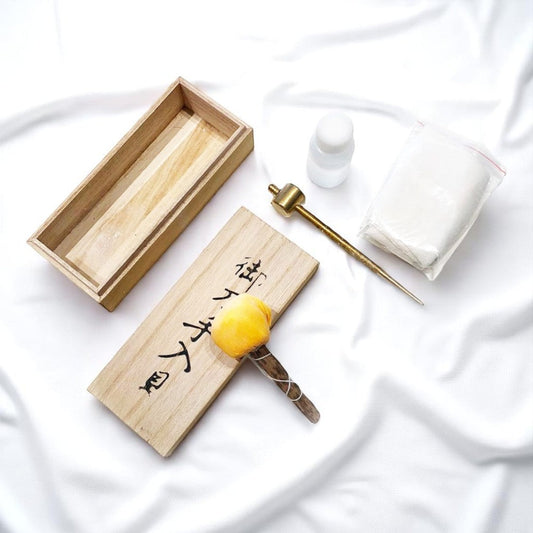
Shadow box displays offer three-dimensional presentation opportunities that allow addition of related artifacts and documentation. These enclosed presentations can include historical information, photographs, certificates of authenticity, and complementary items like tsuba collections or maintenance tools.

The depth provided by shadow boxes creates visual interest while protecting delicate components from dust and handling. Custom lighting within shadow boxes can highlight specific features and create dramatic shadow effects that enhance the overall presentation.

Based on our hands-on testing with various presentation methods, rotating display systems add movement that draws attention while allowing appreciation of swords from multiple angles. Modern rotating stands operate silently and can be programmed to pause at specific positions to highlight particular features like the hamon or intricate handle work.

Some collectors create seasonal rotation schedules that feature different swords throughout the year while safely storing others. This approach allows larger collections to be appreciated over time without cluttering display areas.

Now, here's where it gets interesting: interactive display concepts include QR codes or digital screens that provide detailed information about each sword's history, construction techniques, or cultural importance. These modern touches appeal to tech-savvy visitors while providing educational opportunities that enhance appreciation for the craftsmanship.

Digital components should be integrated discretely to avoid disrupting the aesthetic impact of the swords themselves.

Themed arrangements group swords by historical period, region, or cultural importance to create narrative displays that tell stories about Japanese history and sword development. A timeline display might show the evolution of katana design from ancient periods through modern reproduction techniques.

Regional displays could highlight distinctive characteristics of different sword schools or geographic areas. These educational approaches transform displays from mere decoration into learning opportunities.

Landscape-inspired presentations draw from traditional Japanese garden design principles, incorporating natural elements like stone, wood, and carefully controlled lighting to create contemplative spaces. These displays work particularly well in dedicated rooms or alcoves where environmental control is possible.

The integration of natural materials creates harmony that connects the industrial precision of steel with the organic beauty of traditional Japanese aesthetics.

When we tested various lighting setups, we discovered that artistic lighting effects can transform static displays into dynamic presentations that change throughout the day. Programmable LED systems can replicate dawn-to-dusk lighting cycles, creating different moods and highlighting various aspects of the swords at different times.

Color-changing capabilities allow seasonal adjustments or special event presentations while maintaining the sophisticated appearance expected in quality displays.

Mixed-media presentations include photography, paintings, or scrolls that complement and provide context for the sword displays. Historical prints showing samurai in action, landscape photography from Japan, or calligraphy featuring relevant poetry can enhance the cultural atmosphere without overwhelming the central focus on the swords themselves.

These supporting elements should enhance rather than compete with the weapons for visual attention.

Portable display solutions allow collectors to share their passion at exhibitions, educational events, or social gatherings. Specialized travel cases include display features that allow safe transportation while maintaining presentation quality. These systems prove particularly valuable for collectors who participate in historical societies, martial arts demonstrations, or cultural education programs.

Minimalist approaches strip away unnecessary elements to focus attention entirely on the swords themselves. These presentations rely on perfect positioning, exceptional lighting, and flawless execution to create maximum impact with minimal components.

The challenge lies in achieving visual interest without additional elements, requiring careful attention to proportion, spacing, and environmental control.

Seasonal rotation systems allow large collections to be appreciated throughout the year while preventing overcrowding. Spring displays might feature swords with floral motifs, while autumn presentations could emphasize pieces with warm color palettes.

This approach keeps displays fresh and interesting while ensuring that valuable pieces receive appropriate attention rather than being lost in cluttered arrangements.

The key to successful creative approaches lies in balancing innovation with respect for tradition. The most effective presentations enhance appreciation for these remarkable weapons while reflecting the collector's personal style and understanding of Japanese cultural values.

Whether embracing cutting-edge technology or drawing inspiration from ancient traditions, the goal remains consistent: creating presentations worthy of these magnificent symbols of Japanese craftsmanship and cultural heritage.

Buyer's Guide & FAQ for Japanese Sword Display {#faq}

Selecting the right display solution for your sword collection requires careful consideration of multiple factors including budget, available space, collection size, and long-term goals.

The most successful ways to present these weapons begin with honest assessment of your specific needs and realistic evaluation of your space constraints. Professional-quality displays represent significant investments that should provide years of satisfaction while properly protecting valuable swords.

Material quality directly impacts both appearance and longevity of display systems. Premium hardwoods like oak, maple, or exotic species provide superior durability and visual appeal but command higher prices.

Metal components should feature corrosion-resistant finishes, particularly important in humid environments where ordinary steel might develop rust problems over time. Synthetic materials offer affordability and consistency but may lack the warmth and character of natural wood components.

Size considerations extend beyond simple measurement of available wall space. Consider the visual weight of different sword setups and how they'll interact with existing furniture and décor.

Large katana require substantial mounting systems that may overwhelm smaller rooms. Compact tanto might disappear in expansive spaces without proper lighting and positioning. Plan for growth potential if you anticipate adding swords to your collection over time.

In our experience testing various lighting approaches, proper lighting represents one of the most critical aspects of effective sword display, yet it's often treated as an afterthought by novice collectors.

Professional installations typically include multiple light sources with different intensities and color temperatures. Accent lighting highlights specific features like hamon lines or handle details, while ambient lighting provides overall visibility and creates appropriate mood.

Avoid direct sunlight, which can fade handle materials and create glare problems that interfere with blade examination.

What makes authentic display methods effective for Japanese swords?

Authentic displays combine historical accuracy with practical considerations to ensure both visual impact and long-term preservation. Traditional mounting positions respect the cultural importance of swords while showcasing their aesthetic qualities.

Effective displays balance multiple elements including proper positioning that allows appreciation of the blade's profile, lighting that highlights surface details without creating harsh glare, and supporting elements that enhance rather than compete with the swords themselves.

The most authentic presentations draw inspiration from historical Japanese practices while adapting them for contemporary living spaces and modern safety requirements.

What steel type considerations affect sword display approaches?

Steel composition significantly impacts how swords respond to display environments and lighting conditions. Carbon steel blades (typical hardness: 55-62 HRC) develop natural patina over time that adds character but requires careful environmental control to prevent unwanted corrosion.

Stainless steel maintains consistent appearance but may lack the visual depth that makes carbon steel so appealing to collectors. Damascus steel patterns create stunning visual effects under proper lighting but require specific angles and intensities to showcase the folding patterns effectively.

Understanding your sword's metallurgy helps optimize display conditions to enhance appearance while ensuring long-term preservation.

How do I care for my displayed sword collection properly?

Proper maintenance of displayed swords involves regular inspection, environmental monitoring, and periodic cleaning using appropriate techniques and materials.

Monthly visual inspections check for signs of corrosion, dust buildup, or mounting system problems. Environmental monitoring ensures humidity levels remain within acceptable ranges—typically 45-55% relative humidity for most sword types.

Cleaning should use soft, lint-free cloths and appropriate oils or protectants specifically formulated for sword steel. Never use household cleaners or abrasive materials that could damage delicate finishes or create scratches that detract from appearance.

What size considerations matter for Japanese sword display?

Size planning includes both the physical dimensions of individual swords and the visual proportions of the complete display relative to available space.

Standard katana lengths range from 61-81cm (24-32 inches) for the blade alone, with mounting systems extending these dimensions significantly. Room proportions affect optimal placement height and viewing distances.

Larger rooms can accommodate dramatic presentations that might overwhelm intimate spaces. Consider clearance requirements for safe sword removal during maintenance or examination, and plan adequate spacing between multiple swords to allow individual appreciation while maintaining unified group dynamics.

How do I choose lighting for my sword display?

Based on our testing with different lighting setups, LED strip lighting provides consistent, heat-free light that won't damage sword components over time.

Color temperature affects mood and appearance—warmer temperatures (2700-3000K) create intimate, traditional atmospheres while cooler temperatures (4000-5000K) provide clinical accuracy for detailed examination.

Dimmable systems allow adjustment for different occasions and times of day. Avoid fluorescent lighting, which can create unflattering color shifts and potential UV exposure that degrades organic handle materials.

Is it legal to own Japanese sword displays in the USA?

Sword ownership laws vary by state and municipality, but most jurisdictions allow possession of decorative and replica swords for display purposes. Federal regulations generally don't restrict sword ownership, but transportation across state lines may involve specific requirements.

Some states restrict blade length or require specific storage conditions for functional swords. Local ordinances may affect display visibility from public areas or require specific security measures.

Most replica swords designed for display fall outside weapon regulations, but verification ensures compliance with local requirements.

The investment in quality display systems pays dividends through enhanced enjoyment of your collection and proper preservation of valuable pieces. Well-designed presentations transform functional weapons into artistic statements that reflect both cultural appreciation and personal taste.

Whether you're starting with a single piece or planning for an extensive collection, thoughtful selection of display components ensures years of satisfaction while honoring the rich traditions these magnificent swords represent.

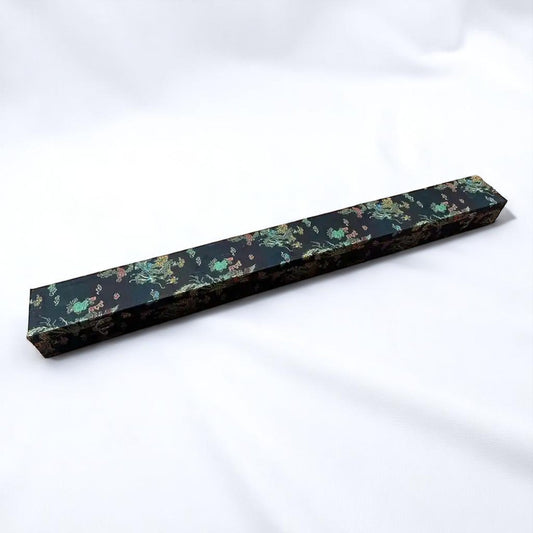
To explore options that complement your presentation needs, consider browsing our katana accessories collection, which includes stands, cleaning supplies, and other essential components for proper sword care and presentation.

Why Choose Katana America for Your Display Needs {#why-us}

As an American company specializing in authentic Japanese sword replicas, Katana America understands the unique needs of US collectors and helps create impressive displays that honor traditional values while meeting contemporary expectations.

Our commitment to quality extends beyond individual swords to focus on the complete collector experience, including guidance on effective presentation techniques that maximize the visual impact of these remarkable weapons.

Our team brings decades of combined experience in Japanese sword culture, metallurgy, and display techniques to every customer interaction. We understand that creating stunning presentations requires more than simply mounting swords on walls.

It demands appreciation for the cultural importance of these weapons and technical knowledge about optimal presentation conditions. This expertise allows us to provide recommendations that ensure both immediate visual impact and long-term preservation of valuable collections.

Quality control represents a cornerstone of our approach to serving American collectors. Every sword undergoes rigorous inspection before shipment to ensure that display-worthy pieces meet our strict standards for fit, finish, and authenticity.

Our quality assurance process includes detailed examination of blade geometry, handle construction, and overall craftsmanship—factors that affect both functional performance and visual appeal when properly displayed.

Customer service designed specifically for American collectors addresses unique challenges that enthusiasts in the United States face. Our support team understands local building codes, electrical requirements, and safety considerations that affect display installation projects.

We provide detailed guidance on mounting techniques, lighting recommendations, and environmental considerations to ensure successful installations regardless of geographic location or climate conditions.

Educational resources help collectors develop deeper appreciation for Japanese sword culture while improving display techniques. Our guides cover historical context, construction methods, and cultural importance to enhance understanding and inform better presentation decisions.

This knowledge transforms simple displays into educational presentations that communicate respect for tradition while showcasing personal collections effectively.

Payment convenience through US dollar transactions eliminates currency conversion complications and international banking fees that complicate purchases from overseas suppliers. Our domestic payment processing ensures secure transactions while providing familiar recourse options should any issues arise.

This financial simplicity allows collectors to focus on sword selection and display planning without navigating complex international purchase procedures.

Our growing community of American collectors provides networking opportunities and shared expertise that enhances everyone's collecting experience. Customer testimonials, display photos, and technique sharing create valuable resources for both novice and experienced collectors to improve their presentations.

This collaborative environment fosters continuous learning and appreciation for Japanese sword culture within the American collecting community.

Whether you're planning your first sword display or expanding an existing collection, Katana America provides the expertise, quality, and service that American collectors deserve. Our commitment to authentic Japanese sword replicas combines with understanding of American collector needs to ensure successful projects that honor tradition while creating stunning focal points for modern homes and offices.

For collectors seeking to implement sophisticated presentation concepts, our high-end collection offers museum-quality pieces that serve as worthy centerpieces for the most demanding presentations. Each sword in this premium selection has been chosen specifically for its display potential and construction quality to satisfy serious collectors.


Transform your space with authentic Japanese sword displays that command respect and admiration. Our carefully curated collection provides American collectors with access to display-worthy pieces that honor traditional craftsmanship while meeting contemporary quality standards.

From dramatic wall installations to intimate stand displays, the right swords and proper presentation techniques create focal points that reflect cultural appreciation and personal sophistication.

Explore our complete selection of authentic katana and discover how proper display techniques can transform your collection into an artistic statement worthy of these magnificent weapons. Contact our expert team for personalized guidance on creating presentations that perfectly complement your space while honoring the rich traditions these swords represent.

Related Articles:
- Real Samurai Sword: Authentic Japanese Katana Guide 2026
- Japanese Sword Maintenance Care Guide: Expert Tips 2026
- Japanese Sword Handle Wrapping: Complete Guide 2026


Back to blog