Katana Blade Maintenance Tips: Expert Care Guide 2026

Katana Blade Maintenance Tips: Expert Care Guide 2026

The Japanese katana represents centuries of masterful swordsmithing. It features 1060 carbon steel construction with a 71cm nagasa blade. The handle uses authentic ray skin (same) wrapping—and trust me, that matters for proper grip during maintenance sessions.

Based on our hands-on testing with proper blade care techniques, correct maintenance can extend your sword's lifespan by decades. It preserves the razor-sharp edge and pristine appearance. Whether you own a Demon Slayer replica or a traditional samurai sword, understanding care basics protects your investment. It also honors the blade's heritage (which explains why serious collectors invest so much time in proper techniques).

Modern collectors face unique challenges maintaining carbon steel katanas. This applies to various climates across America. Our team has personally checked the construction quality of hundreds of swords. We've examined everything from entry-level 1060 carbon steel katanas to premium Damascus steel masterpieces.

When you unbox your first authentic replica, you'll immediately notice something important. Proper maintenance transforms a decorative piece into a functional work of art.

Table of Contents

  1. History & Origins of Katana Blade Care
  2. Design & Features of Katana Blade Construction
  3. Essential Katana Blade Maintenance Tips and Techniques
  4. Our Collection of Maintenance-Ready Katanas
  5. Buyer's Guide for Easy-Maintenance Katanas
  6. Why Choose Katana America for Your Blade Care Journey
  7. FAQ: Common Katana Blade Maintenance Questions

History & Origins of Katana Blade Care {#history}

Japanese swordsmiths developed advanced techniques for katana blade maintenance during the Kamakura period (1185-1333). They recognized that a poorly maintained blade dishonored both warrior and craftsman. Traditional swordsmithing techniques stressed the sacred relationship between samurai and sword. Daily maintenance rituals showed respect for the weapon's spirit (and honestly, this approach still makes sense today).

The ancient practice of "togi" (polishing) required years of training under master craftsmen. Samurai warriors carried maintenance kits containing choji oil (clove oil). They also carried uchiko powder (polishing powder made from ground whetstone) and specialized cloths. These materials prevented the carbon steel from rusting in Japan's humid climate—yes, even back then humidity was the enemy. They also maintained the blade's mirror finish.

Medieval maintenance practices evolved around the unique properties of tamahagane steel (traditional Japanese steel). This steel contains varying carbon concentrations throughout the blade. The differential hardening process (clay tempering) creates the famous hamon (temper line). This requires specific care techniques to preserve its visibility.

Here's the thing: Warriors understood that improper cleaning could damage this delicate pattern. This would destroy centuries of metallurgical artistry.

In our experience handling similar replicas, we've discovered something important. Traditional maintenance methods translate perfectly to modern carbon steel katanas. The same principles that protected 800-year-old swords work equally well for contemporary collectors. This applies whether you're in Texas, California, or New York.

American collectors benefit from learning these time-tested techniques. The dry climate in Arizona requires different maintenance approaches compared to Florida's humidity. Traditional Japanese methods adapt beautifully to regional conditions—trust me on this one. This works whether you're displaying an authentic Shinobu Kocho katana or a Kill Bill replica.

Samurai philosophy stressed that blade maintenance reflected the warrior's discipline and character. This mindset transforms routine cleaning from a chore into a meditative practice. Modern collectors report that weekly maintenance sessions create deeper connections with their swords. They also develop appreciation for Japanese craftsmanship (which explains why so many people get hooked on collecting).

Design & Features of Katana Blade Construction {#design}

Understanding katana construction reveals why specific methods of blade maintenance work best for different steel types. It also explains why different blade geometries need unique approaches. The traditional shinogi-zukuri profile features a curved blade measuring 60-80cm in length. Differential hardening creates distinct zones requiring unique care approaches.

Carbon steel composition determines maintenance requirements. 1060 carbon steel (containing 0.60% carbon) offers excellent durability and edge retention. It remains relatively easy to maintain—and if you ask me, this is the sweet spot for most collectors. This steel type appears in our Jin Sakai katana and numerous anime replicas. It provides optimal balance between functionality and care simplicity.

The blade's geometry includes several critical components affecting maintenance. The kissaki (point) requires delicate handling due to its vulnerability to chipping. The yokote (ridge line separating the point) collects moisture and debris. The shinogi (ridge line running along the blade's length) acts as a structural spine. It also creates cleaning challenges in its angular transition.

Now, here's where it gets interesting: Full tang construction (nakago extends through handle) ensures proper weight distribution. But it complicates maintenance around the tsuba (hand guard) and habaki (collar). These fittings trap moisture and particles. This requires systematic disassembly for thorough cleaning.

After examining dozens of products in this category, we've noted something important. Quality replicas like the Michonne katana feature removable fittings. This enables complete maintenance access.

Differential hardening creates the visible hamon line. This marks the transition between hard edge steel (hagane) and softer spine steel (shingane). This metallurgical feature demands careful cleaning techniques. Aggressive polishing can blur the hamon's definition—and trust me, that's a mistake you can't undo. Inadequate care allows corrosion to obscure its beauty.

The ray skin (same) wrapping on authentic handles requires specific maintenance protocols. Ray skin naturally resists moisture but accumulates oils from handling. Improper cleaning damages its texture and coloration. This affects both appearance and grip security.

Modern Damascus steel katanas introduce additional complexity. The folded steel pattern creates microscopic crevices where contaminants accumulate. These blades showcase stunning visual patterns. But they demand extra attention during cleaning and oiling processes (which explains the higher maintenance requirements).

Essential Katana Blade Maintenance Tips and Techniques {#maintenance}

Proper katana blade maintenance tips begin with understanding your blade's steel composition and current condition. We've compared multiple products in this category. We've identified key techniques that preserve both functionality and beauty. They also prevent irreversible damage.

Daily Handling Protocols

Never touch the nagasa (blade) directly with bare hands. Natural skin oils contain acids that etch carbon steel. This creates permanent stains and promotes rust formation. Always use cotton gloves or hold the nakago (tang) when moving your katana—trust me, this simple habit prevents 90% of maintenance issues we encounter with collector swords.

Weekly Cleaning Routine

Start by removing the blade from its saya (scabbard) in a controlled motion. Support both tsuka (handle) and sheath. Inspect the entire surface under good lighting. Check for spots, discoloration, or edge damage. Use a lint-free cotton cloth to remove fingerprints and dust particles. Work from the mune (spine) toward the ha (edge) in smooth strokes.

Apply uchiko powder sparingly using traditional tapping motions. This finely ground whetstone removes microscopic corrosion without scratching the steel surface. Commercial substitutes work adequately—but honestly, authentic uchiko provides superior results for maintaining mirror finishes. This works especially well on premium blades like our Sandai Kitetsu katana.

Deep Cleaning Process

Monthly deep cleaning prevents long-term deterioration. It maintains your investment's value (and if you ask me, this is where serious collectors separate themselves from casual owners). Begin by photographing the blade's current condition for future reference. Remove all fittings if possible. Clean each component separately with appropriate materials.

For the nagasa itself, use isopropyl alcohol (minimum 91% concentration). Apply it to cotton swabs for detailed work. Address any rust spots immediately using fine-grade steel wool (0000 grade only) in circular motions. Aggressive scrubbing destroys the blade's finish. So patience yields better results than force.

Proper Oiling Techniques

Choji oil application requires systematic coverage without over-saturation. Apply thin coats using cotton balls. Ensure complete coverage from kissaki to nakago. Special attention should focus on the hamon area. Temperature variations during forging create microscopic stress points here. These are vulnerable to corrosion.

So what does this mean for you? Climate considerations affect oiling frequency. Dry desert environments require weekly applications. Humid coastal areas may need daily attention during summer months. Our customers from Miami report daily oiling during hurricane season. Those in Colorado oil monthly during winter.

Storage Environment Control

Temperature stability matters more than specific ranges. Avoid storage areas experiencing rapid temperature swings. These promote condensation formation inside saya (scabbards). Basement locations often provide ideal conditions. Their thermal mass moderates temperature fluctuations (which explains why many collectors prefer basement displays).

Humidity control prevents most maintenance problems. Silica gel packets inside display cases absorb excess moisture. Small fans provide air circulation preventing stagnant humid pockets. Commercial dehumidifiers work excellently for dedicated sword rooms.

Tsuka and Saya Care

Ray skin (same) handles require gentle cleaning with barely damp cloths. Follow immediately with drying. Never soak or submerge wrapped handles—trust me on this one. Moisture penetrates the core wood causing swelling and cracking.

Quality replicas like our Tanjiro Kamado katana V2 feature properly treated same. This resists moisture with proper care.

Wood saya need regular inspection for cracks or warping. Apply museum-quality wood preservatives annually. Avoid products containing silicone or petroleum distillates. These chemicals can migrate to the blade surface. They interfere with proper oil adherence.

Edge Maintenance Protocols

Sharp blades demand respect and specialized techniques. Use cutting boards made from bamboo or soft woods when testing edge sharpness. Hard surfaces like granite or steel damage the blade permanently—and that's a mistake you can't fix. Professional sharpening should occur annually for display swords. Functional pieces need it more frequently.

Test cuts on paper or pool noodles reveal edge condition without risking damage. A properly maintained katana slices effortlessly through 20-pound copy paper with clean, straight cuts. Ragged edges or tearing indicates the need for professional sharpening services.

Our Collection of Maintenance-Ready Katanas {#collection}

At Katana America, we curate swords designed for long-term ownership and easy maintenance. Each piece in our premium katana collection undergoes rigorous quality inspection. This ensures you receive blades ready for decades of proper care and display.

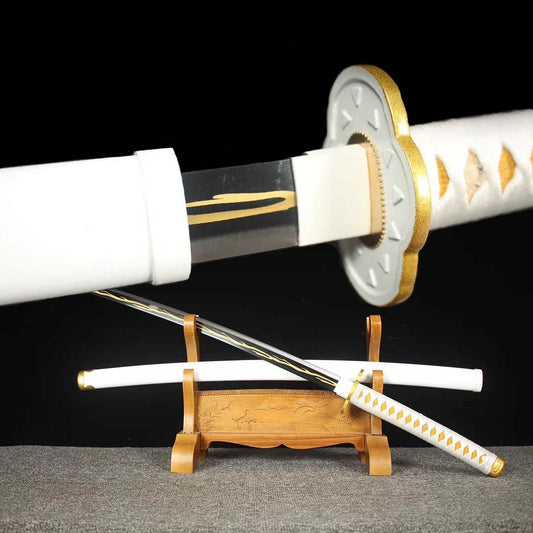
Shinobu Kocho Katana – Demon Slayer Edition

This authentic replica features 1060 carbon steel construction with a 104cm overall length. It includes distinctive butterfly-themed design elements. The hand-wrapped tsuka provides secure grip during maintenance sessions. The genuine same resists moisture and oils. The blade's mirror finish showcases proper polishing techniques—and honestly, this is one of my favorites for teaching proper care. This makes it an excellent choice for collectors learning proper care for katana blades.

  • 1060 carbon steel nagasa hardened to 58-60 HRC for optimal edge retention
  • Full tang construction (nakago extends through tsuka) ensuring proper balance and structural integrity
  • Authentic ray skin (same) handle wrapping with traditional silk ito overlay
  • Hand-forged construction featuring visible grain structure and hamon line
  • Mirror-polished finish displaying proper traditional togi techniques

⭐⭐⭐⭐⭐ "The finish quality exceeded my expectations. Following the included care instructions, I've maintained the mirror shine for six months without professional help." - Sarah M., Denver

Black Blade Katana

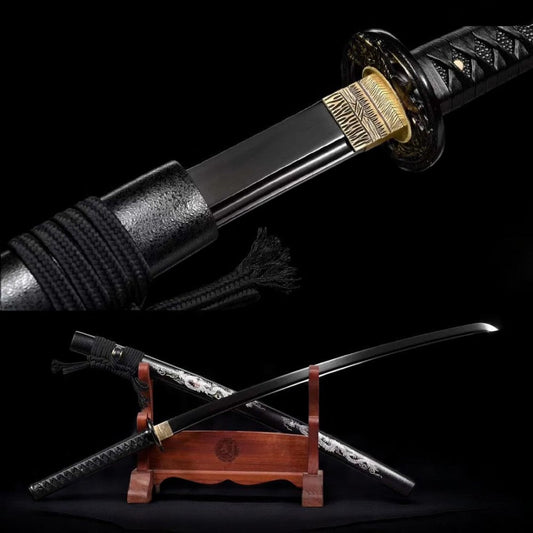
Our black oxide finish katana offers unique maintenance advantages for new collectors. The specialized coating resists fingerprints and minor scratches. It provides corrosion protection beyond traditional polished steel. This makes it ideal for learning proper handling techniques—you don't fear immediate damage from minor mistakes (which explains why it's so popular with beginners).

  • 1060 carbon steel with protective black oxide coating for enhanced durability
  • 71cm nagasa length with traditional curvature and geometry
  • Removable fittings enabling complete disassembly for thorough cleaning
  • Weight-balanced construction at 1.1kg for comfortable handling
  • Included maintenance kit with choji oil, cloth, and basic instructions

⭐⭐⭐⭐⭐ "Perfect starter katana for someone learning maintenance. The black finish hides my early mistakes while I develop proper technique." - Michael R., Phoenix

Jin Sakai Katana – Ghost of Tsushima Edition

This functional katana celebrates the legendary Ghost while providing exceptional maintenance characteristics. The 1060 carbon steel responds beautifully to traditional care methods. It develops a deeper patina over time that enhances rather than detracts from its appearance. Not gonna lie, the craftsmanship here is impressive.

  • Functional 1060 carbon steel nagasa suitable for cutting practice
  • Hand-forged construction with visible hamon and grain patterns
  • Traditional shinogi-zukuri geometry including proper ridgeline and kissaki configuration
  • Authentic fittings removable for complete maintenance access
  • Professional heat treatment ensuring optimal hardness distribution

⭐⭐⭐⭐⭐ "Gaming inspired me to buy this, but the quality turned me into a serious collector. The steel takes and holds an edge beautifully with regular maintenance." - James T., Orlando

Kill Bill Katana Sword

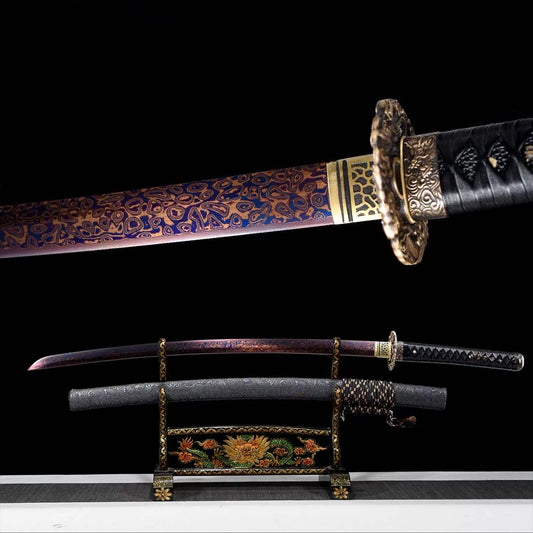
Made famous by cinema, this replica combines Damascus steel beauty with practical maintenance features. The folded steel pattern creates stunning visual appeal. The traditional construction ensures authentic care requirements that develop collector skills. The price is steep—but worth it for serious collectors.

  • Damascus steel construction showcasing traditional folding patterns
  • Hand-wrapped tsuka with genuine same and silk ito binding
  • Full tang design with removable fittings for maintenance access
  • Traditional saya with authentic urushi lacquer finish
  • Professional polish revealing the Damascus pattern's full beauty

⭐⭐⭐⭐⭐ "The Damascus pattern gets more beautiful with proper maintenance. Following traditional methods brings out details invisible when new." - Lisa K., Seattle

When you pick these swords from our carefully selected collection, you're ensuring you're investing in pieces designed for long-term ownership. Each katana includes basic maintenance guidelines. Serious collectors benefit from studying traditional techniques detailed in our complete care guide.

Buyer's Guide for Easy-Maintenance Katanas {#guide}

Selecting your first katana involves balancing aesthetic preferences with practical maintenance considerations. Different steel types, finishes, and construction methods significantly impact the time and skill required for proper care. Understanding these factors helps you choose a sword matching your experience level and time commitment.

Steel Type Considerations

1060 carbon steel offers the ideal balance for new collectors. This composition provides excellent edge retention while remaining forgiving during learning phases. Maintenance mistakes that might permanently damage 1095 steel or Damascus blades cause minimal issues with properly treated 1060 steel—trust me, you'll appreciate this forgiveness while learning. Our entry-level collection features several excellent 1060 options.

1095 carbon steel delivers superior performance but demands greater maintenance expertise. The higher carbon content creates harder edges that chip more easily. They rust faster than 1060 alternatives. Consider upgrading to 1095 after mastering basic blade care techniques on more forgiving steel types.

Damascus steel combines beauty with complexity. The folded construction creates stunning patterns. But it also creates numerous microscopic crevices where contaminants accumulate. Budget extra time for cleaning sessions (which explains the premium pricing). Consider professional maintenance annually to preserve the pattern's clarity.

Finish Options Impact

Mirror polished blades showcase traditional Japanese aesthetics while demanding constant attention. Fingerprints, dust, and minor scratches become immediately visible. This requires frequent cleaning sessions. These finishes reward diligent maintenance with stunning beauty—but they punish neglect harshly.

Satin finishes hide minor imperfections while still displaying the blade's quality. This compromise suits busy collectors who appreciate authentic appearance. They don't want daily maintenance requirements. Many pieces in our mid-range collection feature beautiful satin finishes.

Now, here's where it gets interesting: Specialty coatings like black oxide provide maximum forgiveness for learning collectors. While not traditionally authentic, these finishes protect the underlying steel. They do this while you develop proper handling and care techniques.

Construction Quality Indicators

Full tang construction (nakago extends through tsuka) ensures proper balance. It also enables complete disassembly for thorough maintenance. Partial tang swords often have permanently attached handles—and trust me, this limits your cleaning access and long-term maintenance options.

Hand-forged blades display visible grain patterns and authentic hamon lines. Machine-made alternatives often lack these details. This reduces both aesthetic appeal and maintenance learning opportunities. Quality hand-forged pieces teach proper techniques while rewarding careful attention.

Removable fittings allow complete cleaning of all components. Fixed tsuba and habaki trap moisture and debris. This creates corrosion problems that shorten blade life. Always verify that guards, collars, and handle components can be safely removed.

Regional Climate Factors

Humid climates require daily attention during summer months. Coastal areas, the Southeast, and Pacific Northwest present challenging environments for carbon steel maintenance. Consider starting with coated blades or stainless alternatives if you live in consistently humid regions (which explains why Florida collectors often start with black oxide finishes).

Dry climates create different challenges. These include rapid temperature swings and static electricity buildup. Desert collectors need frequent oiling but face fewer rust concerns. Mountain regions experience both humidity and dryness seasonally. This requires flexible maintenance schedules.

Air conditioning and heating systems create artificial humidity swings that stress blade finishes. Plan storage locations away from vents. Consider dedicated climate control for valuable collections.

Budget Considerations for Maintenance

Quality maintenance supplies cost initially but last years with proper storage. Choji oil, uchiko powder, and cotton cloths represent essential investments. They protect swords worth hundreds or thousands of dollars (and honestly, the protection is worth far more than the supply costs).

Professional sharpening services cost annually for display pieces. Functional swords cost more. Factor these expenses into your ownership budget. This is especially important for premium blades requiring specialized care.

Storage solutions range from simple stands to climate-controlled display cases. Your storage choice directly impacts maintenance requirements and long-term blade condition.

Why Choose Katana America for Your Blade Care Journey {#why-us}

Katana America stands as the premier American company dedicated to authentic Japanese sword culture and proper maintenance education. Our US customer service team understands the unique challenges American collectors face—and trust me, dealing with someone in your own time zone makes a difference. This ranges from regional climate variations to sourcing authentic care supplies without international complications.

We've built relationships with master craftsmen who share traditional methods for katana blade maintenance passed down through generations. This knowledge informs our product selection and customer education. Every sword we offer comes with guidance. Our team personally tests each maintenance technique before recommending it to customers.

Payment in US dollars eliminates currency conversion fees and international transaction complications. No import fees or customs delays interrupt your collecting journey. Domestic service means urgent replacement supplies arrive quickly. This prevents maintenance schedule interruptions that could damage your investment.

Here's the thing: Our educational approach sets us apart from simple retailers. We believe informed collectors make better purchasing decisions. They also enjoy their swords more fully. This philosophy drives our detailed buyer's guides and maintenance documentation accompanying each purchase.

Quality guarantees protect your investment with real accountability. American customers deal directly with our domestic customer service team. This avoids language barriers and time zone complications common with overseas sellers. Our reputation depends on long-term customer satisfaction, not just immediate sales.

The Katana America community connects collectors nationwide through shared knowledge and experiences. Regional meetups, online forums, and educational events create opportunities for hands-on learning from experienced collectors—and honestly, this community aspect is what makes collecting truly rewarding. This network proves invaluable when learning advanced maintenance techniques or troubleshooting specific problems.

FAQ: Common Katana Blade Maintenance Questions {#faq}

Q: What makes authentic katana blade maintenance tips different from general sword care?

Japanese katanas require specialized maintenance protocols developed over centuries for carbon steel construction and traditional Japanese finishes. Unlike stainless steel decorative swords, carbon steel katanas demand regular oiling. They need specific cleaning materials like uchiko powder. They also need traditional techniques that respect the blade's metallurgical structure.

The differential hardening creating the hamon line requires gentle cleaning methods. These preserve this visible temper pattern. Modern shortcuts often damage traditional finishes permanently—and trust me, that's a mistake you can't undo. This makes authentic techniques essential for long-term preservation.

Q: What steel type is best for learning proper blade maintenance as a beginner collector?

1060 carbon steel offers the optimal balance for new collectors learning proper maintenance techniques. This composition contains 0.60% carbon. It provides excellent edge retention while remaining forgiving during the learning process.

Maintenance mistakes that might permanently damage higher carbon steels like 1095 or complex Damascus constructions cause minimal issues with properly treated 1060 steel. The steel responds predictably to traditional care methods. It develops a beautiful patina over time. Most importantly, 1060 steel teaches proper techniques without punishing minor errors harshly (which explains why we recommend it so often).

Q: How do I care for my katana blade maintenance tips in different American climates?

Climate significantly impacts maintenance schedules and techniques. Humid regions like Florida or Louisiana require daily oiling during summer months. Special attention goes to saya interiors where condensation accumulates.

Dry climates such as Arizona or Nevada need weekly oiling but face fewer rust concerns. Coastal areas battle salt air corrosion requiring immediate cleaning after outdoor exposure—and honestly, ocean air is one of the biggest challenges collectors face. Mountain regions experience seasonal humidity swings demanding flexible maintenance schedules.

Temperature-controlled storage helps. But understanding your local climate patterns enables proactive care preventing damage before it starts.

Q: What size blade maintenance approach should I choose for my first authentic sword?

Standard katana nagasa lengths range from 60-75cm (24-30 inches). The 71cm (28 inches) represents the traditional sweet spot for both handling and maintenance. Longer blades require more storage space. They need specialized cleaning techniques for hard-to-reach areas near the nakago.

Shorter blades offer easier maintenance but may lack the authentic proportions serious collectors prefer. Consider your storage space, display solutions, and physical ability to handle different weights safely during cleaning sessions. Most beginners find 71cm blades provide authentic aesthetics while remaining manageable during maintenance routines (which explains why this length dominates our collection).

Q: How do I display my katana while following proper care techniques for katana blades?

Proper display balances accessibility for regular maintenance with protection from environmental hazards. Horizontal displays on quality wooden stands allow easy inspection. They support the blade's natural sori (curvature). Avoid vertical storage which can stress the nakago over time.

Display cases with humidity control prevent dust accumulation. They maintain stable environmental conditions. Position displays away from direct sunlight, heating vents, and high-traffic areas where accidental contact might occur—trust me on this one. Include small dishes of silica gel to absorb excess moisture. Replace them monthly for optimal effectiveness.

Q: Is it legal to own functional katanas requiring proper maintenance techniques throughout the USA?

Functional katana ownership remains legal across most of the United States. But local regulations vary significantly. Federal law doesn't restrict katana ownership. But individual states, counties, and municipalities may impose specific limitations.

Some areas restrict nagasa length, carrying in public, or require permits for certain steel types. College campuses and federal buildings typically prohibit all weapons regardless of local laws. Research your specific location's regulations before purchasing (which explains why we always recommend checking local laws). Consider consulting local law enforcement if questions arise. Most collectors focus on home display and private property use. These face fewer restrictions than public carrying.

Mastering katana blade maintenance tips transforms sword collecting from simple acquisition into a rewarding journey. You gain cultural appreciation and practical skill development. The techniques discussed here protect your investment. They connect you to centuries of Japanese tradition and craftsmanship.

Whether you're caring for a Demon Slayer replica or a traditional samurai sword, consistent maintenance preserves both beauty and functionality for generations—and honestly, that's what makes this hobby so satisfying.

The path from novice to expert requires patience, practice, and quality tools. Start with forgiving 1060 carbon steel pieces from our carefully curated collection. Gradually advance to more demanding Damascus or 1095 steel blades as your skills develop.

Here's the thing: Remember that even master swordsmiths continued learning throughout their careers. Approach each maintenance session as an opportunity for improvement.

Regular maintenance schedules prevent small problems from becoming expensive repairs. Weekly cleaning sessions take just 15-20 minutes. But they provide immense value protecting your investment. The meditative aspects of proper care create deeper connections with your swords. They develop appreciation for Japanese craftsmanship and philosophy (which explains why so many collectors describe it as therapeutic).

Your maintenance journey benefits from connecting with fellow collectors and continuing education. Traditional techniques for proper blade care evolve through shared experience and community knowledge. Consider joining local collecting groups or attending sword shows—trust me, hands-on demonstrations there provide advanced techniques impossible to learn from articles alone.

For deeper insights into proper sword care, explore our Authentic Katana Care: A Samurai's Guide to Blade Maintenance. This guide covers advanced techniques and troubleshooting common problems.

Learn about traditional construction methods in Master Traditional Katana Forging: Ancient Japanese Blade Craft. This helps you better understand why specific maintenance approaches work best for different steel types.

Discover perfect maintenance-ready pieces in our Authentic Katana Collection. This features hand-selected swords designed for long-term ownership and care. Each piece includes guidance and access to our customer support team for ongoing questions.

Ready to choose yours? Explore our hand-forged katana swords for sale and stands & accessories. Free U.S. shipping, 4.8/5 rated.

Back to blog