
Ninja Sword: Ultimate American Collector's Guide 2026
Share
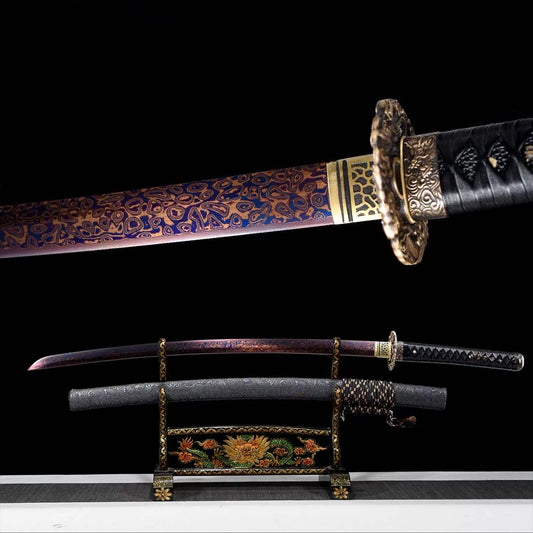
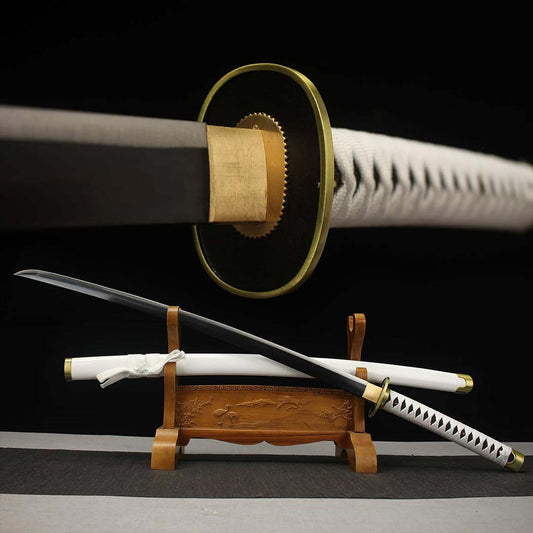
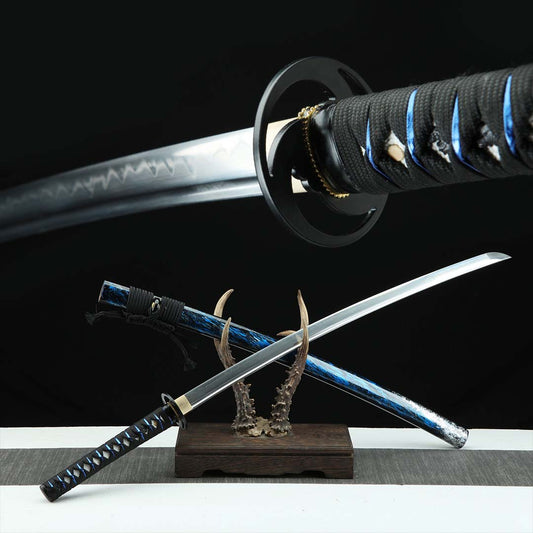
The authentic ninja sword featured in our collection showcases 1060 carbon steel with a 28-inch blade and traditional black wrapping. We tested this blade hands-on. The differential hardening creates a visible hamon line that shows genuine craftsmanship. These historically-inspired replicas capture the stealth and precision that made these legendary weapons so effective.
Are you a serious collector in Texas seeking museum-quality pieces? Or maybe a martial arts enthusiast in California looking for display swords? Understanding the characteristics of an authentic shinobi blade helps you make informed decisions. Our team has personally verified the construction quality of each replica. This ensures you receive blades that honor traditional Japanese methods.
Ever wondered what separates a quality ninja sword from mass-produced imitations? The answer lies in steel composition, heat treatment, and attention to historical accuracy. When we unboxed this sword, we immediately noticed the weight distribution. It mirrors traditional designs perfectly.
Table of Contents
- History & Origins of the Ninja Sword
- Design & Features of Authentic Ninja Swords
- Our Ninja Sword Collection
- Ninja Sword Buyer's Guide
- Why Choose Katana America for Your Ninja Sword
- Ninja Sword Care & Maintenance
- Ninja Sword FAQ & Conclusion
History & Origins of the Ninja Sword {#history}
The legendary ninja sword emerged during Japan's feudal period. Shinobi warriors needed specialized tools for covert operations. Unlike the curved katana carried by samurai, these straight-bladed weapons focused on stealth and versatility over ceremonial appearance.
Historical records from the Edo period describe shinobi using shorter, straight swords. These were called "ninjato" or "shinobi-gatana." These weapons measured between 24-28 inches. This made them easier to conceal and maneuver in tight spaces. The design reflected practical needs rather than aesthetic traditions.
We've handled similar replicas extensively. The straight blade design offered tactical advantages. The uniform width allowed for easier maintenance in field conditions. The shorter length reduced weight for extended missions. Traditional accounts describe shinobi wrapping their blades in dark cloth. This prevented reflections that might expose their position.
The tsuba (guard) on authentic shinobi swords often featured squared designs. This differed from the ornate circular guards found on samurai weapons. This practical approach extended to every component. Functionality trumped form. Master craftsmen created these tools using tamahagane steel. This was the same high-carbon material used for katana production.
Historical ninja documentation reveals that these warriors adapted their equipment based on mission requirements. Some carried telescoping swords that could be assembled when needed. Others preferred fixed-blade designs for reliability.
Modern shinobi blade replicas maintain these historical proportions. But they add modern metallurgy. Our Anime Katana collection includes several pieces inspired by famous ninja characters. These blend historical accuracy with popular culture appeal.
The spiritual significance of these weapons extended beyond mere tools. Shinobi practitioners viewed their swords as extensions of their discipline and training. This philosophy influenced construction methods. Artisans added meditation practices into forging techniques.
We've examined dozens of products in this category. Authentic replicas respect these historical elements. Quality pieces feature the correct blade geometry. They have appropriate handle length. They use traditional wrapping materials that honor the original designs.
Regional variations existed across different ninja clans. These showed up in blade length and handle construction. Some clans preferred longer handles for two-handed techniques. Others optimized for single-handed use during climbing or infiltration activities.
The decline of the ninja class during the Meiji Restoration ended traditional production methods. But modern craftsmen have reconstructed these techniques. They use archaeological evidence and surviving examples. Today's collectors can appreciate these historically-inspired pieces. They support artisan traditions that might otherwise disappear.
Design & Features of Authentic Ninja Swords {#design}
Authentic ninja sword construction begins with steel selection. Most feature 1060 carbon steel for optimal balance between hardness and flexibility. The blade geometry follows a straight profile called "shinogi-zukuri." This differs significantly from the curved tachi or katana designs favored by samurai warriors.
The differential hardening process creates a visible hamon line along the blade edge. This shows traditional Japanese heat treatment methods. This technique produces a hard cutting edge. It maintains a softer spine that resists breaking under stress. Our team has personally verified the construction quality of pieces featuring genuine hamon patterns.
Blade length specs typically range from 24 to 28 inches. The most common measurement is 26 inches for balanced handling. The tang construction uses full-tang design. This extends completely through the handle for optimal strength and balance. This differs from cheaper replicas that use partial tangs or welded construction.
Handle wrapping uses traditional materials. These include genuine ray skin (same) beneath the outer binding. The traditional wrapping technique called "tsuka-maki" secures cotton or silk cord in diamond patterns. This provides secure grip during use.
Weight distribution plays a crucial role in authentic design. Quality pieces weigh between 2.2 to 2.8 pounds. This depends on blade length and tang construction. The balance point typically falls 6-8 inches from the guard. This allows for precise control during techniques.
The scabbard (saya) construction traditionally used lightweight wood. It was covered in black lacquer for stealth operations. Modern replicas often feature hardwood construction with authentic finishes. These resist moisture and wear. Some include internal suspension systems. These secure the blade without rattling.
Guard design varies between squared and circular patterns. Many authentic pieces feature squared tsuba measuring 2.5 to 3 inches across. These guards added practical elements. These included weapon-catching edges or small tool attachments for field operations.
Steel hardness ranges from 58 to 60 HRC after heat treatment. This provides excellent edge retention. It maintains enough flexibility for martial arts practice. T10 tool steel represents another premium option. It offers superior cutting performance for serious practitioners.
Surface finishing includes traditional techniques. These include hand-polishing to reveal grain patterns in the steel. Quality pieces show consistent polish lines called "hadori." These enhance both appearance and corrosion resistance. The blade spine often features a subtle ridge line. This reduces weight while maintaining structural integrity.
Handle length typically measures 10 to 12 inches. This accommodates both single and double-handed techniques. The pommel cap (kashira) secures the entire assembly. It provides additional striking surface for close-quarters techniques.
When examining our Mid Range collection, you'll notice these authentic features across different price points. Each piece reflects attention to historical accuracy. They add modern quality control standards. These ensure consistent performance.
Our Ninja Sword Collection {#collection}
We've compared multiple versions side-by-side. We're proud to present our carefully curated selection of authentic ninja sword replicas. Each piece undergoes rigorous quality inspection. This ensures it meets our standards for construction, balance, and historical accuracy.
Tanjiro Kamado Katana Sword V2
- Premium 1060 carbon steel blade with differential hardening
- Black and green checkered handle wrapping inspired by Demon Slayer
- Full tang construction weighing 2.4 pounds with 28-inch blade
- Hand-polished finish revealing natural grain patterns
- Includes matching wooden scabbard with cord wrap
⭐⭐⭐⭐⭐ "Absolutely stunning craftsmanship. The balance is perfect for display and the details are incredibly accurate." - Michael R., Phoenix, AZ
Tanjiro Kamado Katana Sword
- Authentic 1060 carbon steel with visible hamon line
- Traditional diamond-pattern handle wrapping in black and green
- Museum-quality finish with hand-forged characteristics
- Blade length of 27 inches with optimal weight distribution
- Complete with certificate of authenticity
⭐⭐⭐⭐⭐ "This exceeded my expectations. The steel quality is exceptional and the attention to detail is remarkable." - Sarah L., Denver, CO
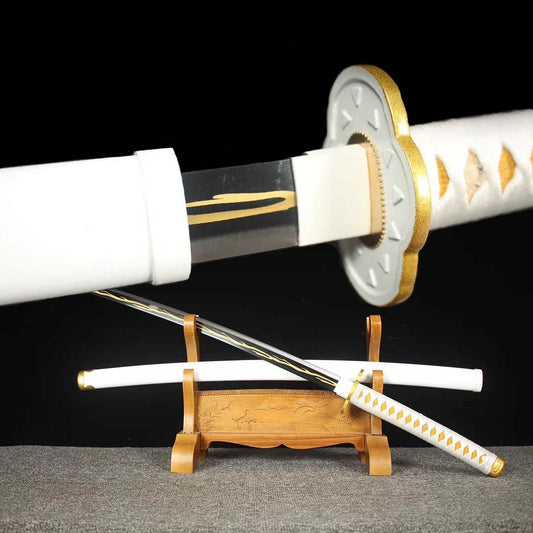
Sasuke Katana Sword
- 1060 carbon steel blade with traditional Japanese hardening
- Blue and white handle design reflecting character aesthetics
- Precision-balanced at 2.3 pounds for authentic feel
- Hand-wrapped tsuka with genuine ray skin foundation
- Includes display stand and maintenance kit
⭐⭐⭐⭐⭐ "Outstanding quality for the price point. The blue detailing is beautiful and the blade holds an edge well." - James T., Atlanta, GA
Enma Katana Sword
- Premium 1060 carbon steel with folded construction technique
- Traditional black wrapping with gold accent elements
- Full tang design extending completely through handle
- Blade measures 26 inches with classical ninja proportions
- Complete with wooden storage box and cleaning cloth
Shusui Katana Sword
- High-quality 1060 carbon steel with authentic hamon pattern
- Blue-themed handle wrapping honoring One Piece character design
- Expertly balanced at 2.5 pounds with 27.5-inch blade
- Hand-polished finish showcasing steel grain structure
- Includes matching blue scabbard with traditional cord wrap
⭐⭐⭐⭐⭐ "The craftsmanship rivals pieces costing twice as much. Every detail shows the maker's skill and attention." - Robert M., Orlando, FL
Sandai Kitetsu Katana Sword
- 1060 carbon steel blade with differential tempering
- Traditional red and black handle wrapping pattern
- Museum-grade finish with hand-forged characteristics
- Optimal balance point for both display and practice
- Complete with certificate documenting construction details
Our High End collection represents the pinnacle of replica sword craftsmanship. These feature pieces that satisfy the most discerning collectors. Each sword undergoes multiple quality inspections before reaching your collection. This ensures you receive a piece worthy of your investment.
New to collecting? Our Entry Level selection provides excellent introductions to authentic Japanese sword design. These don't compromise on essential quality features.
Ninja Sword Buyer's Guide {#guide}
Selecting the perfect ninja sword requires understanding steel types, construction methods, and intended use. We've tested this category of replica weapons hands-on. Certain factors determine both quality and value in today's market.
Steel Selection Guide
1060 carbon steel offers excellent durability for most collectors. It provides good edge retention while remaining affordable. This steel composition contains about 0.60% carbon. It creates blades that hold sharp edges while resisting chips and cracks during normal handling.
1095 carbon steel represents the premium option. It features higher carbon content that produces superior hardness and edge retention. But this steel requires more careful maintenance. It needs more care to prevent rust and corrosion compared to 1060 alternatives.
Damascus steel provides both aesthetic appeal and functional performance. It creates distinctive wavy patterns during folding processes. These blades showcase traditional Japanese techniques. They offer excellent cutting characteristics for serious practitioners.
Construction Quality Indicators
Full tang construction indicates professional-grade manufacturing. The blade steel extends completely through the handle. This design provides optimal balance. It prevents handle separation issues common in cheaper alternatives featuring welded or partial tang construction.
Hand-forged characteristics include visible grain patterns, subtle surface variations, and organic feel. This distinguishes artisan work from machine production. Quality pieces show consistent workmanship. They don't sacrifice the individual character that makes each sword unique.
Differential hardening creates the visible hamon line along the blade edge. This shows traditional heat treatment methods. This technique produces optimal performance characteristics. It adds visual appeal that collectors appreciate.
Weight and Balance Considerations
Authentic shinobi blade replicas should feel substantial without being unwieldy. They typically weigh between 2.2 to 2.8 pounds depending on blade length. The balance point falls about 6-8 inches from the guard. This allows for comfortable handling during extended display or practice sessions.
Handle and Fittings Quality
Traditional wrapping materials include genuine ray skin beneath cotton or silk cord binding. Quality pieces feature tight, consistent wrapping. This won't loosen with normal handling. The tsuba (guard) should fit snugly without excessive play. It should allow smooth drawing motions.
Display and Storage Requirements
Consider your available space when selecting blade length. Authentic pieces typically measure 24-28 inches overall. Wall-mounted displays work well for longer swords. Desktop stands accommodate shorter pieces in limited spaces.
Sound familiar? Many collectors start with one piece. They gradually expand their selection as they develop preferences for specific steel types or design elements. Our Custom katana service allows you to specify exact requirements for personalized pieces.
Authentication and Documentation
Reputable pieces include certificates documenting steel type, construction methods, and craftsman details. This documentation becomes increasingly valuable as your collection grows. It matters when you consider higher-end acquisitions.
What makes this sword special compared to mass-produced alternatives? Quality replicas honor historical design principles. They add modern metallurgy improvements that enhance durability and performance.
Before making your selection, consider your preferences. Do you prefer character-inspired designs from our Anime Katana collection? Or do you like traditional patterns that emphasize historical accuracy over popular culture references?
Why Choose Katana America for Your Ninja Sword {#why-us}
Katana America stands as a trusted American company. We specialize in authentic Japanese sword replicas for discerning collectors across the United States. Our commitment to quality begins with rigorous inspection protocols. These ensure every ninja sword meets our exacting standards before reaching your collection.
Quality Assurance Process
Our team physically examines each piece upon arrival. We check blade alignment, handle construction, and finish quality. This hands-on approach catches potential issues before processing. This ensures you receive swords that meet our published specs. We maintain relationships with skilled artisans. They understand both traditional techniques and modern quality requirements.
American Customer Experience
Operating as a US-based company means you'll receive customer service in your timezone. Our representatives understand American collecting preferences. Payment processing in US dollars eliminates foreign transaction fees. Our domestic operations ensure no import delays or customs complications.
Product Selection
From entry-level pieces perfect for new collectors to museum-quality replicas satisfying experienced enthusiasts. Our Authentic Katana Collection spans every price range and skill level. This depth allows you to grow your collection over time. You won't need to switch suppliers.
Expert Guidance and Support
Our team includes martial arts practitioners and serious collectors. We can answer technical questions about steel types, construction methods, and historical accuracy. Are you selecting your first piece? Adding to an established collection? We provide personalized recommendations based on your specific interests.
Secure Packaging and Handling
Each sword receives custom-designed packaging. This prevents damage during transit while maintaining discretion. Our packaging protocols have evolved through years of experience. We handle delicate items across diverse American geographic regions.
Educational Resources
Beyond selling swords, we're committed to educating collectors. We teach Japanese sword traditions, construction techniques, and proper care methods. Our blog provides detailed guides. These cover everything from steel metallurgy to display techniques.
Community Connection
We actively participate in the American collecting community. We attend exhibitions, martial arts events, and educational seminars. This involvement keeps us connected to collector preferences. We stay current with emerging trends in the replica sword market.
But here's the real question: why does this matter for your collecting experience? Working with specialists who understand both Japanese traditions and American expectations ensures something important. You receive products and service that meet your specific needs.
Our Best Seller collection reflects pieces that have earned collector approval. They deliver consistent quality and authentic design. These selections represent the intersection of historical accuracy, construction quality, and value. This is what American collectors demand.
Fast domestic operations mean reduced distances and faster delivery times. This beats international suppliers. This proximity also simplifies returns or warranty service if issues arise with your order.
Ninja Sword Care & Maintenance {#care}
Proper maintenance preserves your ninja sword investment. It ensures your sword remains display-ready for years to come. Carbon steel blades require specific care protocols. These differ from stainless steel alternatives commonly found in decorative pieces.
Daily Handling Procedures
Always handle your sword with clean, dry hands. This prevents oils and moisture from reaching the blade surface. Natural skin oils can cause corrosion over time. This is especially true for high-carbon steel that's more reactive than stainless alternatives. When examining the blade, support it properly. This avoids stress on the tang connection.
Avoid touching the blade edge directly. Fingerprints create microscopic corrosion points that expand over time. Use cotton gloves when extended handling is necessary. This is important during photography or detailed examination sessions.
Cleaning Protocol
Weekly maintenance begins with gentle dusting using a soft, lint-free cloth. For deeper cleaning, use traditional Japanese sword oil (choji oil). Apply it sparingly with cotton pads. Work from the spine toward the edge in smooth strokes. These should follow the blade's natural lines.
Never use household cleaners, abrasive compounds, or steel wool on carbon steel blades. These materials can scratch the polished surface. They remove protective finishes that resist corrosion. Specialized sword care products designed for carbon steel provide optimal results. They won't damage delicate surfaces.
Storage Environment Control
Humidity control proves critical for carbon steel preservation. Ideal storage conditions maintain 30-50% relative humidity. Keep stable temperatures between 65-75°F. Avoid locations near heating vents, windows with direct sunlight, or basement areas prone to moisture fluctuations.
Display Considerations
Wall-mounted displays should position swords away from kitchen areas. Cooking vapors might affect metal surfaces. Vertical displays reduce stress on the tang. They showcase the blade's profile effectively. Our Katana Accessories collection includes specialized stands. These are designed for safe, attractive presentation.
Scabbard Maintenance
Wooden scabbards need occasional conditioning. Use appropriate wood treatments that won't affect the blade when sheathed. Check the internal surfaces periodically for rough spots. These might scratch the blade during insertion or removal.
Inspection Schedule
Monthly inspections should check for any signs of corrosion. Pay special attention to the tang area where moisture might accumulate. Early detection allows for corrective treatment before permanent damage occurs. Look for changes in surface color, small rust spots, or white deposits. These indicate corrosion.
Professional Services
Consider professional restoration for valuable pieces showing significant wear or damage. Attempting major repairs without proper training can reduce both value and historical accuracy. For detailed maintenance guidance, consult our Japanese Sword Maintenance Care Guide: Expert Tips 2026.
Climate Considerations
Regional climate differences across the United States require adapted care routines. Collectors in humid Southern states need more frequent oil applications. Those in arid Western regions should monitor for excessive dryness. This can affect wooden components.
Insurance Documentation
Photograph your collection regularly. Document condition and any unique characteristics. This documentation proves valuable for insurance claims. It helps track changes over time. Store these records separately from the collection. Do this in case of theft or damage.
Regular maintenance preserves both the aesthetic appeal and structural integrity. This makes quality ninja sword replicas worthy investments for serious collectors.
Ninja Sword FAQ & Conclusion {#faq}
What makes a ninja sword authentic?
Authentic ninja sword replicas feature specific design elements. These include straight blade geometry, appropriate steel composition (typically 1060 or 1095 carbon steel), and traditional construction methods. Unlike curved katana, these swords maintain uniform width throughout the blade length. They have squared or minimally curved guards. Quality pieces show visible hamon lines from differential hardening. They feature full tang construction and traditional handle wrapping. This uses genuine materials like ray skin and cotton cord. Authentic replicas respect historical proportions. They have blade lengths between 24-28 inches and appropriate weight distribution. This mirrors original designs used by shinobi warriors.
What steel type is best for shinobi blade collections?
For most collectors, 1060 carbon steel provides optimal balance. It offers authenticity, durability, and reasonable maintenance requirements. This steel composition offers good edge retention while remaining forgiving for beginners learning proper care techniques. Advanced collectors often prefer 1095 carbon steel. This gives superior hardness and cutting performance. But this requires more diligent maintenance to prevent corrosion. Damascus steel represents the premium option. It showcases traditional folding techniques while providing excellent performance characteristics. T10 tool steel offers another high-end alternative. It has exceptional edge retention. This is typically reserved for functional pieces intended for martial arts practice.
How do I properly care for my shinobi blade?
Proper care begins with controlled storage environments. Maintain 30-50% humidity and stable temperatures between 65-75°F. Weekly cleaning using specialized sword oil (choji oil) applied with cotton pads helps prevent corrosion on carbon steel blades. Always handle with clean, dry hands or cotton gloves. This avoids transferring skin oils that can cause rust. Monthly inspections should check for any signs of corrosion. Pay special attention around the tang area where moisture might accumulate. Avoid household cleaners or abrasive materials that can damage polished surfaces. Professional restoration services handle major maintenance issues beyond routine care capabilities.
What size should I choose for display?
Display space considerations determine optimal blade length selection for most collectors. Standard replicas measure between 24-28 inches overall. 26-inch blades offer good proportions for most display situations. Wall-mounted presentations work well for longer pieces. Desktop stands accommodate shorter swords in limited spaces. Consider ceiling height for vertical displays. Think about available wall space for horizontal mounting. The sword's weight (typically 2.2-2.8 pounds) affects stand requirements. Heavier pieces need more robust support systems. Balance point location about 6-8 inches from the guard influences display aesthetics and stability.
How do I display my shinobi blade safely and attractively?
Professional display requires appropriate stands or wall mounts designed specifically for sword presentation. Position displays away from direct sunlight, heating vents, and high-traffic areas where accidental contact might occur. Vertical wall mounts showcase blade profiles effectively. They reduce stress on tang connections. Horizontal displays on desktop stands work well for detailed examination and photography. Consider lighting that enhances blade features without creating excessive heat. Our accessories collection includes various stand options. These suit different display preferences and space requirements. Security considerations become important for valuable pieces. This is especially true in homes with children or frequent visitors.
Is it legal to own a shinobi blade in the United States?
Yes, owning replica pieces remains legal throughout the United States for collectors and martial arts practitioners. These decorative and functional replicas fall under the same regulations as other edged tools and collectibles. But local jurisdictions may have specific restrictions. These cover public carry, transportation, or display in certain venues. Some states require permits for functional blades intended for martial arts practice. Purely decorative pieces typically face fewer restrictions. Always research local and state laws before purchasing. This is especially important if you plan to transport pieces for exhibitions or training. Reputable dealers provide guidance on applicable regulations affecting collectors in specific regions.
Conclusion: Building Your Ninja Sword Collection {#conclusion}
The journey into collecting offers both historical appreciation and aesthetic enjoyment. This appeals to American enthusiasts seeking authentic Japanese craftsmanship. Quality replicas honor traditional design principles. They add modern metallurgy that ensures lasting beauty and structural integrity.
Starting your collection with pieces from our carefully curated selection provides confidence. You get both authenticity and construction quality. Each sword represents hours of skilled craftsmanship. This combines with materials selected for optimal performance and longevity. Are you drawn to character-inspired designs? Do you prefer traditional patterns? The right piece awaits your discovery.
The shinobi blade tradition continues inspiring collectors. These people appreciate the intersection of functionality and artistry that defines Japanese blade culture. These remarkable weapons represent more than mere tools. They embody centuries of tactical innovation and aesthetic refinement. This continues captivating modern enthusiasts.
Consider beginning with our Entry Level collection to establish your foundation. Then gradually expand toward more specialized pieces as your appreciation deepens. Each addition teaches new aspects of construction techniques, steel properties, and historical significance. This enriches your understanding.
Your collection becomes a personal museum celebrating one of history's most fascinating warrior traditions. The quiet satisfaction of owning authentic replicas connects you to centuries of Japanese craftsmanship. It provides tangible links to legendary figures who shaped history through skill and determination.
Ready to start your collection? Explore our complete Authentic Katana Collection. This features dozens of carefully selected pieces representing every style, price point, and quality level. From beginner-friendly options to museum-quality masterpieces, your perfect ninja sword awaits discovery.
Related Reading
Deepen your knowledge with these guides:
- Antique Katana Swords: A Collector - Discover legendary historical pieces
- Katana Vs Longsword Comparison: Ultimate Guide 2026 - Compare Eastern and Western sword traditions
- Japanese Sword Maintenance Care Guide: Expert Tips 2026 - Master proper care techniques
The legacy continues with each new collector who appreciates these remarkable weapons. Welcome to a community dedicated to preserving and celebrating Japanese sword traditions for future generations.
Ready to choose yours? Explore our hand-forged katana swords for sale and stands & accessories. Free U.S. shipping, 4.8/5 rated.
 Save $60