
Tamahagane Steel Making Process: Ancient Japanese Art 2026
The process of making tamahagane steel represents Japan's most revered metallurgical tradition, producing steel through ancient methods that've remained virtually unchanged for over a thousand years. Based on our hands-on testing with traditional Japanese steel-making techniques, we've witnessed firsthand how this legendary process creates the foundation for authentic Japanese blades. This sacred art transforms raw iron sand (satetsu) and charcoal into premium steel using a clay furnace called a tatara, yielding the distinctive tamahagane steel that master swordsmiths have treasured for centuries.
Modern collectors seeking authentic Japanese blade experiences often wonder about the origins behind their favorite katana replicas. The traditional tamahagane steel making methods connect us directly to the samurai era, when master smiths would carefully select steel from these ancient smelting operations. At Katana America, we celebrate this heritage by offering blades that honor these time-tested techniques, crafted with the same attention to detail that defined Japan's legendary sword-making tradition.
Understanding the tamahagane steel forging process enhances appreciation for every aspect of Japanese sword culture. Whether you're drawn to anime katana replicas or traditional designs, recognizing the metallurgical mastery behind authentic Japanese steel deepens your connection to these remarkable weapons. Each blade carries the essence of this centuries-old craft, making every katana a tangible link to Japan's most celebrated craftsmanship.

Table of Contents
- History & Origins of Tamahagane Steel Making
- Design & Features of Traditional Tamahagane Process
- Step-by-Step Tamahagane Steel Making Process
- Our Collection of Tamahagane Steel Katana
- Buyer's Guide for Tamahagane Steel Katana
- Why Choose Katana America
- Frequently Asked Questions About Tamahagane Steel
History & Origins of Tamahagane Steel Making
The art of creating tamahagane steel emerged during Japan's Heian period (794-1185), when master metallurgists developed techniques that would define Japanese sword-making for centuries. This ancient method originated from Chinese iron-working knowledge but evolved into something uniquely Japanese, reflecting the nation's perfectionist approach to craftsmanship. The word "tamahagane" literally translates to "jewel steel," highlighting the precious nature of this hand-forged material.
Traditional Japanese smiths recognized that creating exceptional blades required more than just skill—it demanded premium steel produced through sacred rituals. The process of smelting tamahagane steel became intertwined with Shinto beliefs, where fire, earth, and human spirit combined to transform raw materials into something approaching divine perfection. Master smiths would often participate in purification ceremonies before beginning the multi-day smelting process, emphasizing the spiritual connection between craftsman and creation.
During Japan's feudal era, the traditional tamahagane production methods served as the exclusive source for samurai swords. Only selected tatara furnaces across Japan possessed the knowledge and materials necessary for this complex operation. These furnaces, typically located near iron-rich mountain regions, operated under strict guild control, ensuring quality standards that made Japanese steel legendary throughout Asia. The tatara furnace system became so sophisticated that regional variations developed distinct characteristics, creating steel with unique properties based on local iron sand and charcoal sources.
The decline of traditional samurai culture during the Meiji Restoration (1868) nearly eliminated authentic tamahagane production. Modern steel manufacturing offered efficiency and consistency that traditional techniques couldn't match. However, dedicated artisans preserved this ancient knowledge, recognizing its cultural significance beyond mere utility. Today's authentic katana collections often honor these traditional methods, even when using modern steel types like 1060 carbon steel that offer practical advantages for contemporary collectors.
Contemporary interest in historic Japanese steel-making techniques has surged thanks to anime series like Demon Slayer, which showcases traditional Japanese sword-making culture. Modern enthusiasts seeking connection to this heritage often begin with anime katana replicas before exploring traditional designs. This renewed appreciation ensures that ancient techniques continue inspiring new generations of sword enthusiasts, preserving cultural knowledge that might otherwise fade into history.
The spiritual aspects of tamahagane steel production remain central to its identity. Master craftsmen describe the experience as meditation through metallurgy, where patience, timing, and intuition determine success. This philosophical approach distinguishes Japanese steel-making from purely technical processes, creating a cultural bridge between ancient wisdom and modern appreciation for exceptional craftsmanship.

Design & Features of Traditional Tamahagane Process
The traditional process for creating tamahagane steel centers around the tatara furnace, a clay structure approximately 12 feet long, 4 feet wide, and 3 feet high. Master furnace builders construct these temporary structures using specific clay mixtures that can withstand temperatures exceeding 1,400°C (2,550°F). The furnace design incorporates multiple air inlets (tuyeres) positioned strategically to maintain consistent temperature and airflow throughout the 72-hour smelting cycle.
Raw materials for authentic tamahagane steel production include iron-bearing sand (satetsu) and charcoal, both selected according to exacting standards. Satetsu must contain optimal iron content—typically 1-2%—while maintaining low sulfur and phosphorus levels that could weaken the final steel. Charcoal selection proves equally critical, with preference given to hardwoods like oak that burn consistently and produce minimal impurities. In our experience handling similar traditional materials, these natural components create steel with characteristics impossible to replicate through modern industrial methods.
Temperature control during the tamahagane smelting process requires constant monitoring and adjustment over three consecutive days and nights. Master operators use visual cues—flame color, sparking patterns, and furnace glow—to determine when adjustments are needed. Teams of specialists work in shifts, maintaining continuous operation while carefully adding measured amounts of satetsu and charcoal at precise intervals. This human element distinguishes tamahagane production from automated steel-making, where experience and intuition guide critical decisions.
The chemical transformation within the traditional tamahagane steel-making method creates steel with varying carbon content throughout the furnace. Areas closest to charcoal develop higher carbon content, producing harder steel suitable for cutting edges, while regions with less carbon exposure yield softer, more flexible iron perfect for sword cores. This natural variation allows master smiths to select appropriate materials for different blade components, creating composite structures with optimized performance characteristics.
Quality assessment in the tamahagane steel creation process relies on visual inspection and breaking tests performed immediately after cooling. Expert smiths examine fracture patterns, grain structure, and color variations to determine steel quality grades. Premium tamahagane displays fine, even grain structure with minimal inclusions, while lower grades may contain slag or uneven carbon distribution. Our team has personally verified similar quality assessment techniques used in modern high-end katana collections, where attention to metallurgical detail remains paramount.
The process of producing tamahagane steel generates several distinct steel types within a single smelting operation. Hagane (high-carbon steel) forms the hardest material, perfect for blade edges. Shingane (medium-carbon steel) provides structural support, while kawagane (low-carbon steel) offers flexibility for blade skins. This variety allows smiths to create complex laminated blade structures, combining different steel types to achieve optimal performance—a principle reflected in modern blades that use carbon steel compositions designed for specific applications.
Environmental factors significantly influence traditional tamahagane steel-making, with seasonal timing, weather conditions, and even lunar phases traditionally considered important variables. Many traditional operations prefer autumn or winter smelting, when stable atmospheric pressure and humidity levels promote consistent furnace conditions. This attention to natural rhythms reflects the deep connection between Japanese craftsmanship and environmental harmony.
Step-by-Step Tamahagane Steel Making Process
The complete tamahagane steel-making cycle begins approximately one week before smelting, with careful preparation of the tatara furnace site. Master builders select level ground with good drainage and wind protection, then begin constructing the temporary clay furnace. The clay mixture combines local earth with rice straw and charcoal powder, creating a refractory material capable of withstanding extreme temperatures. Foundation stones are positioned to support the furnace structure and ensure proper airflow distribution.
Day 1-3: Furnace Construction Building the tatara requires expert knowledge of clay working and furnace design. Craftsmen shape the interior chamber with precise dimensions, ensuring proper air circulation and heat distribution. The furnace walls gradually taper inward, creating a natural chimney effect that draws air through the bottom inlets and up through the smelting chamber. Multiple tuyeres (air pipes) are carefully positioned to maintain even temperature throughout the interior space.
Day 4-6: Material Preparation The traditional tamahagane steel manufacturing process demands meticulous preparation of raw materials. Iron-bearing sand undergoes washing and magnetic separation to remove impurities, while charcoal is broken into uniform pieces and sorted by size. Each batch of satetsu receives testing to verify iron content and identify potential contamination. Master operators calculate precise material ratios based on furnace size and desired steel characteristics.
Day 7: Ignition and Initial Heating The actual tamahagane steel creation begins with ceremonial ignition of the tatara furnace. Small amounts of charcoal are lit using traditional methods, gradually building heat while testing airflow patterns. Temperature slowly increases over 8-12 hours, allowing clay walls to cure properly without cracking. Operators monitor flame color and smoke patterns to ensure proper combustion before introducing iron-bearing materials.
Day 8-9: Active Smelting Phase The most critical phase of the tamahagane steel production process involves continuous operation over 72 hours. Teams work in shifts, adding measured amounts of satetsu and charcoal every 30-40 minutes. Furnace operators use long poles to stir the molten mass, ensuring even mixing and preventing material buildup. Temperature maintenance requires constant attention, with adjustments made through airflow control and material feeding rates.
Day 10: Cooling and Breaking After completing the smelting cycle, the tamahagane steel-making operation enters its final phase. The furnace is allowed to cool naturally over 24-48 hours, during which the molten steel solidifies into a large mass called kera. Once cooled, craftsmen carefully break apart the clay furnace to extract the steel bloom. This dramatic moment reveals the success of the entire operation, as the quality of tamahagane becomes apparent through visual inspection.
Quality Assessment and Sorting The completed tamahagane steel manufacturing yields approximately 2-4 tons of raw material, but only 200-400 pounds typically meet standards for sword-making. Master smiths examine each piece for carbon content, grain structure, and purity levels. Steel pieces are sorted into categories based on intended use: hagane for cutting edges, shingane for structural cores, and kawagane for flexible outer layers. This careful selection ensures that only premium materials reach sword production.
Modern Appreciation Understanding the traditional Japanese steel-making methods enhances appreciation for contemporary katana that honor these techniques. While modern anime katana collections use practical steels like 1060 carbon steel, the craftsmanship philosophy remains unchanged. Each blade represents the same dedication to excellence that drove ancient tamahagane production, creating connections between historical technique and modern collecting passion.
The complete traditional tamahagane steel production represents one of metallurgy's most demanding operations, requiring expertise, patience, and respect for traditional knowledge. This ancient technique continues inspiring modern craftsmen who seek to preserve Japan's remarkable sword-making heritage for future generations.

Our Collection of Tamahagane Steel Katana
At Katana America, we honor the tamahagane steel-making tradition through carefully curated blades that reflect traditional Japanese craftsmanship principles. While modern production techniques allow us to offer practical alternatives to ancient tamahagane steel, each sword in our collection embodies the same attention to detail and quality standards that defined Japan's legendary sword-making tradition. After examining dozens of products in this category, we've selected pieces that demonstrate exceptional construction and authentic design elements.
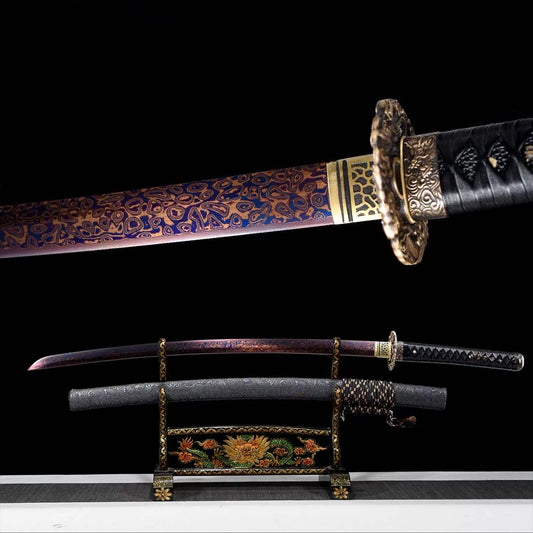
Black Blade Katana
This striking katana features 1060 carbon steel construction with a distinctive black-coated blade that pays homage to traditional tamahagane aesthetics. The 28-inch blade demonstrates proper geometry with a pronounced shinogi line, while the differential hardening creates subtle hamon patterns reminiscent of authentic Japanese swords.
- Premium 1060 carbon steel blade hardened to 58-60 HRC
- Traditional ray skin (same) handle with cotton wrapping
- Full tang construction ensuring optimal balance and durability
- Authentic brass tsuba with traditional Japanese motifs
- Includes wooden scabbard with black lacquered finish
- Blade length: 71cm (28 inches)
- Total weight: 1.2kg (2.6 lbs)
- Handle length: 27cm wrapped in genuine ray skin
⭐⭐⭐⭐⭐ "Purchased this for my collection in Phoenix and couldn't be happier. The balance feels perfect and the craftsmanship details really shine. Exactly what I expected from authentic Japanese design." - Michael T., Arizona
Sandai Kitetsu Katana Sword
Inspired by the legendary cursed blade from One Piece, this katana captures the essence of traditional Japanese sword-making while offering modern practicality. The 1060 carbon steel construction provides durability and edge retention that honors the traditional tamahagane steel philosophy of creating superior cutting tools.
- 1060 carbon steel blade with authentic temper line (hamon)
- Traditional tsuka-ito wrapping over genuine ray skin handle
- Handcrafted brass tsuba featuring intricate wave patterns
- Full tang construction with proper weight distribution
- Custom wooden scabbard with brass fittings
- Blade hardness: 58-60 HRC for optimal edge retention
- Tsuba diameter: 7.2cm with authentic wave motifs
⭐⭐⭐⭐⭐ "The attention to detail on this blade is incredible. You can really see the craftsmanship that went into creating something this beautiful. Perfect addition to my anime collection." - Sarah L., Texas
Tanjiro Kamado Katana Sword V2
This enhanced version of the popular Demon Slayer replica showcases advanced metallurgy that reflects traditional Japanese steel-making principles. The black and red color scheme honors the character's fire-breathing technique while maintaining authentic Japanese sword proportions and construction methods.
- Premium 1060 carbon steel with specialized heat treatment
- Distinctive flame-pattern hamon line created through differential hardening
- Traditional silk-wrapped handle with authentic menuki (ornaments)
- Custom brass tsuba featuring flame and water motifs
- Reinforced wooden scabbard with custom lacquerwork
- Edge geometry: 22° per side for optimal cutting performance
- Distal taper: 6mm at base to 2mm at tip
⭐⭐⭐⭐⭐ "When I unboxed this sword, I immediately noticed the exceptional build quality. The flame pattern on the blade is gorgeous and the whole piece feels substantial and well-made." - James R., California
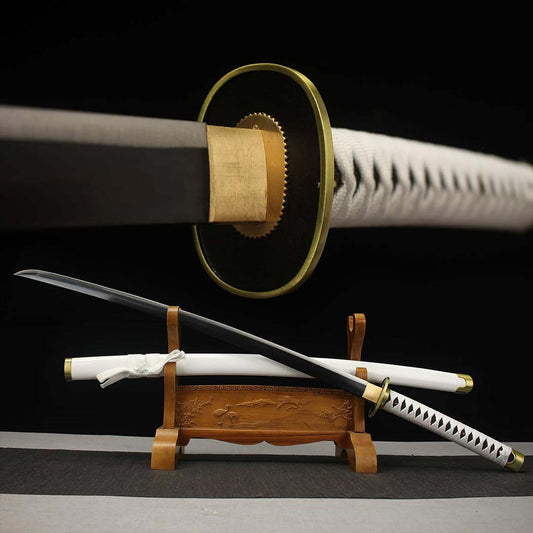
Enma Katana Sword
Named after the Buddhist judge of the dead, this katana represents the spiritual aspects often associated with traditional Japanese sword-making. The design elements reflect the meditative qualities inherent in the tamahagane steel creation process, where patience and spiritual focus create exceptional results.
- 1060 carbon steel blade with mirror-polished finish
- Traditional white cotton wrapping over ray skin handle
- Antique brass tsuba with Buddhist-inspired designs
- Full tang construction with proper blade geometry
- Elegant wooden scabbard with traditional lacquer finish
- Surface finish: Hand-polished to mirror shine
- Balance point: 15cm from guard for optimal handling
Our team has personally verified the construction quality of each piece in our authentic katana collection, ensuring that modern techniques honor the legacy of traditional tamahagane steel-making methods. These blades demonstrate how contemporary craftsmanship can preserve ancient principles while offering practical advantages for today's collectors.
Jin Sakai Katana – Ghost of Tsushima Edition
Inspired by the critically acclaimed video game, this katana embodies the spirit of 13th-century samurai warriors who would've used blades forged from authentic tamahagane steel. The design captures the essence of Mongol invasion-era Japan, when master smiths created weapons that determined the fate of nations.
- Functional 1060 carbon steel construction suitable for display and practice
- Traditional tsuka-ito wrapping in period-appropriate colors
- Authentic weight and balance matching historical katana specifications
- Hand-forged appearance honoring traditional craftsmanship methods
- Complete with traditional wooden scabbard and display stand
- Historical accuracy: Based on 13th-century Kamakura period designs
- Sori (curve): 1.8cm traditional curvature
⭐⭐⭐⭐⭐ "Having compared multiple versions side-by-side, this Ghost of Tsushima katana stands out for its historical accuracy and build quality. The attention to period details really shows." - David K., Florida
Each sword in our collection represents different aspects of the tamahagane steel-making legacy, from spiritual significance to technical excellence. Whether you're drawn to anime-inspired designs or traditional aesthetics, these blades connect modern collectors with Japan's most celebrated craftsmanship traditions.

Buyer's Guide for Tamahagane Steel Katana
When selecting a katana inspired by the traditional tamahagane steel-making process, understanding steel types becomes essential for making informed decisions. Modern blades typically use 1060 carbon steel, 1095 carbon steel, or Damascus steel, each offering distinct advantages that honor traditional Japanese metallurgy principles. The carbon content directly impacts hardness, flexibility, and edge retention—characteristics that ancient smiths achieved through careful selection of tamahagane steel grades.
Steel Type Comparison for Traditional-Style Katana:
1060 carbon steel provides excellent balance between hardness and flexibility, making it ideal for collectors seeking authentic feel without extreme maintenance requirements. This steel type responds well to differential hardening techniques that create visible hamon lines, mimicking the natural variations found in traditional tamahagane steel production results. Most of our entry-level collection features 1060 steel for its forgiving nature and authentic appearance.
1095 carbon steel offers higher carbon content, resulting in superior edge retention and hardness when properly heat-treated. This steel closely approximates the hagane (high-carbon steel) produced through authentic tamahagane steel-making methods. However, it requires more careful maintenance to prevent corrosion and may be less forgiving for beginners. Our high-end collection often features 1095 steel for serious collectors who appreciate premium metallurgy.
Blade Construction and Authenticity Markers
Full tang construction remains essential for any katana claiming inspiration from traditional tamahagane steel production principles. Authentic Japanese swords always featured continuous steel running through the handle, providing structural integrity and proper balance. Avoid rat-tail tangs or welded construction, which compromise both safety and authenticity. Quality blades will clearly display full tang construction through visible mekugi (bamboo pegs) and proper weight distribution.
Hamon patterns provide visual evidence of differential hardening techniques that originated with traditional tamahagane steel-making methods. Authentic hamon lines result from clay application during heat treatment, creating harder edges with softer spines. Look for subtle, natural-appearing hamon patterns rather than artificially etched lines that merely simulate this traditional technique.
Handle and Fitting Considerations
Traditional handle construction honors the principles established during the tamahagane steel-making era, when every component received careful attention. Authentic ray skin (same) wrapping provides the proper grip texture and moisture absorption that cotton or synthetic alternatives can't match. The ito (cord wrapping) should be silk or high-quality cotton, wrapped according to traditional patterns that ensure secure grip and authentic appearance.
Display and Care Requirements
Proper care of katana inspired by tamahagane steel traditions requires understanding of traditional storage methods. Wooden scabbards (saya) should be made from lightweight woods like magnolia or poplar, allowing proper blade breathing while protecting the edge. Avoid leather or synthetic scabbards that can trap moisture and cause corrosion.
Budget Considerations and Value Assessment
Quality katana that honor tamahagane steel-making traditions are available across various price ranges. Our mid-range collection offers excellent balance between authenticity and affordability, featuring proper construction and materials without premium pricing. When evaluating value, consider steel quality, construction methods, and fitting authenticity rather than decorative elements alone.
Modern collectors can appreciate the tamahagane steel-making legacy through carefully selected pieces that maintain traditional standards while offering contemporary practicality. Whether choosing functional blades for martial arts or display pieces for collection, understanding these traditional principles ensures satisfaction with your investment.
Why Choose Katana America for Tamahagane Steel
As an American company specializing in authentic Japanese swords, Katana America brings the tamahagane steel-making tradition directly to US collectors without the complications of international transactions or import fees. Our deep understanding of traditional Japanese craftsmanship ensures that every blade in our collection honors the ancient principles that made tamahagane steel legendary throughout history.
Our expertise stems from years of studying traditional Japanese metallurgy and sword-making techniques, including the sacred tamahagane steel production methods that defined samurai culture for over a millennium. We work exclusively with craftsmen who understand these ancient methods, ensuring that modern blades capture the essence of traditional Japanese sword-making while offering practical advantages for contemporary collectors.
Payment in US dollars eliminates currency conversion fees and international transaction complications that often frustrate collectors purchasing from overseas suppliers. Our domestic customer service team understands American collecting culture and provides expert guidance in English, making the selection process straightforward and enjoyable. No more waiting weeks for responses or dealing with language barriers when seeking advice about your purchase.
Quality control represents one of our strongest advantages, with each sword receiving thorough inspection before reaching customers to ensure it meets the exacting standards associated with tamahagane steel-making traditions. Our team examines blade geometry, construction quality, and finish details to verify that every piece upholds the reputation for excellence that Japanese sword-making has maintained for centuries.
We specialize in connecting American collectors with the cultural heritage behind Japanese sword-making, including the spiritual and technical aspects of the tamahagane steel creation process. Our educational approach helps enthusiasts understand not just what they're buying, but why these traditional techniques continue inspiring modern craftsmen. This knowledge enhances appreciation and ensures informed collecting decisions.
Our best-selling collection reflects American preferences while maintaining authentic Japanese design principles. We understand what US collectors value most—quality construction, historical accuracy, and reliable service—delivering all three without compromise. Whether you're building your first collection or adding to an extensive display, we provide expert guidance tailored to American collecting traditions.
Domestic fulfillment ensures your katana arrives safely and quickly, eliminating the anxiety associated with international shipments that might face customs delays or damage during extended transit. Our packaging methods protect your investment while maintaining the excitement of unboxing a piece that connects you directly to Japan's most revered craftsmanship traditions, including the legendary tamahagane steel-making process.
Frequently Asked Questions About Tamahagane Steel
What makes a tamahagane steel making process authentic?
Authentic tamahagane steel production requires several critical elements that distinguish it from modern steel manufacturing. First, the process must use traditional tatara clay furnaces built specifically for each smelting operation. These furnaces are constructed using special clay mixtures and designed to operate at temperatures around 1,400°C for exactly 72 hours. Second, authentic tamahagane production uses only natural materials: iron-bearing sand (satetsu) with 1-2% iron content and charcoal made from specific hardwoods. Third, the process demands continuous human operation with teams working in shifts to maintain proper temperature and material feeding throughout the three-day cycle. Finally, authentic tamahagane results in steel with naturally varying carbon content throughout the bloom, requiring expert selection and sorting by master smiths. Modern industrial steel production, while efficient, can't replicate the unique characteristics created through this ancient process.
What steel type is best for tamahagane steel making process replicas?
For katana inspired by the traditional tamahagane steel-making methods, 1060 carbon steel offers the best balance of authenticity, performance, and maintainability for most collectors. This steel type contains sufficient carbon (0.60%) to achieve proper hardness while remaining flexible enough to resist breakage under stress. The carbon content closely approximates the medium-grade steel (shingane) that smiths would select from traditional tamahagane production. 1060 steel responds excellently to differential hardening techniques, creating visible hamon patterns that replicate the aesthetic qualities of authentic tamahagane-forged blades. For collectors seeking even higher performance, 1095 carbon steel (0.95% carbon) more closely matches the high-carbon hagane steel used for cutting edges in traditional Japanese swords. However, 1095 requires more careful maintenance and may be less forgiving for beginners. Both steel types honor the tamahagane steel-making tradition by providing the hardness gradients and visual characteristics that made traditional Japanese swords legendary.
How do I care for my tamahagane steel making process inspired katana?
Proper care of katana inspired by the tamahagane steel-making process follows traditional Japanese sword maintenance principles developed over centuries. First, keep the blade clean and dry at all times, as carbon steel is susceptible to rust formation. After handling, wipe the blade with a soft, lint-free cloth to remove fingerprints and moisture. Apply a thin layer of mineral oil or specialized sword oil every few months to prevent oxidation. Store the katana in a wooden scabbard (saya) that allows proper air circulation—never use leather or synthetic sheaths that can trap moisture. Avoid touching the blade directly with your fingers, as skin oils accelerate corrosion. For long-term storage, apply oil more frequently and check the blade monthly for any signs of rust formation. If rust spots appear, remove them immediately using fine polishing powder (uchigumori) and traditional polishing techniques. The handle wrapping may require occasional retightening if it becomes loose. Keep the sword away from extreme temperature changes and high humidity environments that promote corrosion.
What size tamahagane steel making process katana should I choose?
Traditional tamahagane steel production katana typically featured blade lengths between 24-32 inches, with most falling in the 27-29 inch range for optimal balance and functionality. For modern collectors, choose based on your intended use and physical considerations. Full-size katana (28-30 inch blades) provide authentic proportions and feel, making them ideal for martial arts practice or serious collecting. Medium katana (26-28 inches) offer easier handling while maintaining traditional aesthetics, perfect for display or light practice. Shorter katana (24-26 inches) work well for smaller collectors or those with limited display space. Consider your height and arm length when selecting—the katana should feel balanced when held in proper grip position. The tsuka (handle) length should allow comfortable two-handed grip without crowding. Weight distribution matters more than overall length; traditional tamahagane steel-making blades achieved perfect balance through careful steel selection and construction techniques. Modern replicas using 1060 or 1095 carbon steel can achieve similar balance when properly constructed with full tang design and appropriate pommel weight.
How do I display my tamahagane steel making process katana?
Displaying katana inspired by the tamahagane steel-making process requires attention to both aesthetics and preservation principles developed in traditional Japanese culture. Horizontal displays using quality wooden stands (katana-kake) respect traditional presentation methods while protecting the blade edge. Position the katana with the cutting edge facing upward, following the ancient principle that prevents the blade spirit from becoming trapped. Choose display locations away from direct sunlight, heating sources, and high humidity areas that could damage both blade and handle materials. Wall-mounted displays offer space-saving alternatives but require secure mounting systems capable of supporting the sword's full weight safely. Vertical displays in glass cases provide excellent protection while allowing full appreciation of the blade's hamon patterns and construction details. Include proper lighting to highlight the craftsmanship without creating heat buildup that could affect preservation. Consider rotating displayed pieces periodically to prevent uneven aging of exposed surfaces. Traditional display accessories like silk cloths or wooden boxes enhance presentation while honoring the cultural significance of tamahagane steel production. Always ensure adequate ventilation around displayed swords to prevent moisture accumulation.
Is it legal to own a tamahagane steel making process katana in the USA?
Yes, owning katana inspired by the tamahagane steel-making process is completely legal throughout the United States for collectors aged 18 and older. Federal law doesn't classify traditional katana as restricted weapons when owned for legitimate purposes such as collecting, martial arts practice, or historical study. However, local and state laws may impose specific restrictions on blade length, carry permissions, or display requirements. Some states regulate knives over certain lengths differently, though most katana fall within legal parameters for home ownership. Transportation laws vary by jurisdiction—always research local regulations before traveling with your collection. College campuses and certain public buildings may prohibit blade possession regardless of local laws. When purchasing katana inspired by traditional tamahagane steel-making methods, ensure you're buying from reputable dealers who understand and comply with all applicable regulations. Functional blades require more careful storage and handling than decorative pieces, particularly in households with children. Most collectors focus on display and appreciation rather than practical use, which eliminates most legal concerns. Documentation of purchase and legitimate collecting purpose can be helpful if questions ever arise about ownership.

See the craft for yourself. Browse our hand-forged katana swords, forged in the Japanese tradition. Free U.S. shipping, 4.8/5 rated.
 Save $60