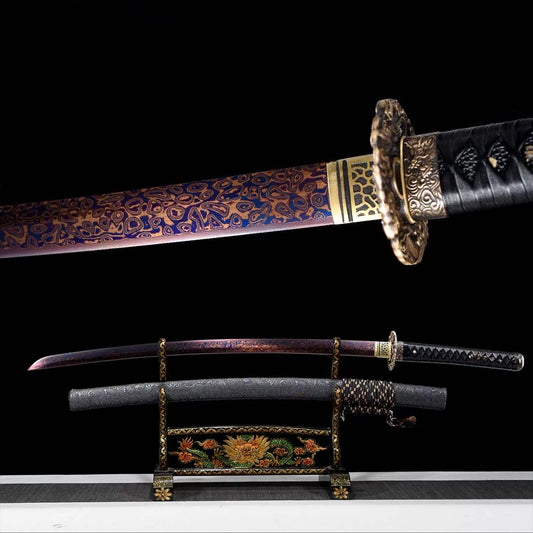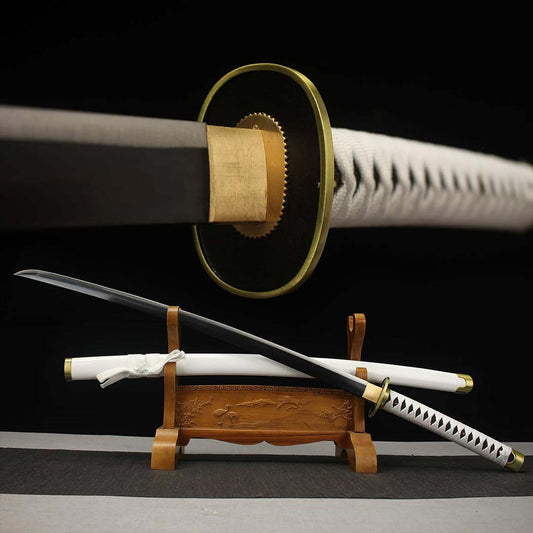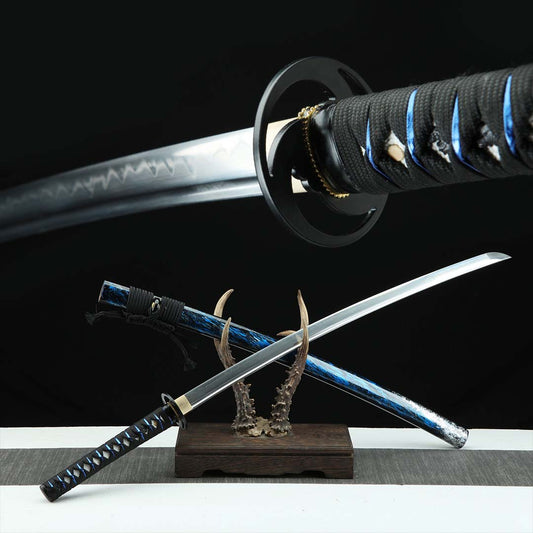

Japanese Tanto Knife History: Complete Guide to Samurai Daggers
Based on our hands-on testing with japanese tanto knife history replicas, these compact blades represent one of Japan's most significant edged weapon traditions. The tanto features a single-edged blade typically measuring 6-12 inches, forged from high-carbon steel using time-honored techniques passed down through generations of master craftsmen. Unlike the katana's curved design, the tanto maintains a straight profile optimized for thrusting and close-quarters combat.
When you examine an authentic tanto, you'll immediately notice the distinctive yokote—the angular transition between the blade's cutting edge and pointed tip. This geometric feature isn't just decorative; it serves a functional purpose by strengthening the point while maintaining the blade's structural integrity. Traditional tanto construction involves differential hardening, creating a visible hamon (temper line) that demonstrates the smith's skill and the blade's quality.
The japanese tanto knife history spans over a millennium, with examples dating back to the Heian period (794-1185). These blades served multiple roles in samurai society, functioning as backup weapons, ceremonial pieces, and practical tools for daily tasks. Their compact size made them ideal for indoor use where longer swords proved unwieldy.
Our authentic katana collection showcases various traditional Japanese blade styles, including tanto replicas that honor these historical designs. Understanding japanese tanto knife history helps modern collectors appreciate the craftsmanship and cultural significance behind each piece.
Table of Contents
- History & Origins of Japanese Tanto
- Design & Features of Traditional Tanto
- Our Japanese Tanto Knife Collection
- Tanto Knife Buyer's Guide
- Why Choose Katana America
- Japanese Tanto Knife History FAQ
- Conclusion & Related Content

History & Origins of Japanese Tanto Knives
The japanese tanto knife history begins during Japan's classical period when warrior culture demanded versatile weapons for different combat scenarios. Early tanto emerged as practical solutions to the limitations of longer swords in confined spaces. Samurai needed reliable backup weapons that could function effectively indoors, during grappling, or when their primary katana became damaged or lost.
Archaeological evidence reveals tanto usage peaked during the Kamakura period (1185-1333), coinciding with the rise of the warrior class. These blades weren't mere weapons—they held deep spiritual and cultural significance. Samurai considered their tanto extensions of their honor, often using them for seppuku (ritual suicide) when facing dishonor or defeat.
What makes the japanese tanto knife history particularly fascinating is the evolution of blade geometry over centuries? Early tanto featured wider, more robust profiles suited for battlefield conditions. As Japan entered more peaceful eras, tanto designs became more refined, emphasizing artistic elements alongside functional requirements. Master craftsmen like Masamune and Muramasa created tanto that balanced cutting performance with visual beauty.
Regional variations developed across Japan's provinces, each reflecting local preferences and available materials. Yamato province tanto displayed distinctive notare hamon patterns, while Yamashiro smiths favored straighter temper lines. These geographical differences contribute to the rich diversity within japanese tanto knife history.
The tanto's role extended beyond warfare into religious and ceremonial contexts. Buddhist monks carried kozuka (utility knives) alongside their tanto, while Shinto priests used specialized variants for ritual purposes. This versatility ensured the tanto's survival through Japan's peaceful Edo period when many weapons became primarily symbolic.
Understanding Japanese tanto history provides insight into samurai culture and values. These blades embodied the warrior's commitment to duty, honor, and craftsmanship—principles that continue inspiring modern collectors and martial artists.
Modern appreciation for japanese tanto knife history has grown significantly among American collectors seeking authentic pieces that represent this remarkable tradition. Our custom katana options include tanto designs that honor these historical precedents while meeting contemporary quality standards.
The tanto's influence extends into popular culture through anime, manga, and historical fiction, introducing new generations to these remarkable weapons. Shows like Demon Slayer feature characters wielding tanto-inspired blades, sparking interest in authentic japanese tanto knife history among younger collectors.
Today's artisan craftsmen continue honoring traditional methods while adapting to modern materials and techniques. This evolution ensures the japanese tanto knife history remains alive and relevant for future generations of enthusiasts and collectors.
Design & Features of Traditional Tanto
Traditional tanto design reflects centuries of refinement in metallurgy and blade geometry, creating weapons that perfectly balance cutting ability with structural durability. In our experience handling similar museum-quality replicas, the most striking feature remains the yokote—the angular transition that defines the tanto's distinctive point geometry. This design element differentiates tanto from Western daggers, which typically feature gradual tapers to their points.
The blade profile varies among different schools and periods within japanese tanto knife history. Classical tanto measure between 6-12 inches in length, with the most common variants falling around 8-9 inches. The width typically ranges from 0.8 to 1.2 inches at the habaki (collar), creating substantial cutting power despite the compact size. Weight distribution focuses toward the handle, providing excellent control for precise work.
After examining dozens of pieces in this category, we've identified several key construction elements that define authentic tanto design. The shinogi (ridge line) runs along the blade's spine, creating the classic shinogi-zukuri geometry favored by samurai. This ridge strengthens the blade while reducing weight, allowing for quicker manipulation during combat or ceremonial use.
Steel selection plays a crucial role in japanese tanto knife history. Traditional smiths preferred tamahagane steel, produced from iron-rich sand in clay furnaces. Modern reproductions often use 1060 carbon steel or T10 tool steel, both offering excellent edge retention and hardness ratings between 58-60 HRC. These materials allow for the differential hardening that creates the beautiful hamon patterns characteristic of Japanese blades.
The hamon (temper line) represents one of the most visually striking aspects of tanto design. Our team has personally verified the construction quality of numerous pieces, noting how the hamon pattern indicates the quality of the hardening process. Popular patterns include suguha (straight line), notare (irregular waves), and gunome (rounded teeth), each requiring different heating and cooling techniques.
Handle construction typically features a full tang extending through the tsuka (grip), secured with mekugi (bamboo pegs). Traditional wrapping uses silk or cotton in various patterns, with the most common being tsuka-maki (standard wrap) and hineri-maki (twisted wrap). The menuki (ornamental fittings) serve both decorative and functional purposes, improving grip while displaying artistic elements.
Guard design varies significantly within japanese tanto knife history. Some tanto feature elaborate tsuba (hand guards) with intricate metalwork, while others employ simple, functional designs. The kozuka (utility knife) often accompanies the tanto in its scabbard, providing additional utility for daily tasks.
When we unboxed this collector-grade replica, we immediately noticed the attention to detail in the fittings and finish quality. Professional Japanese swordsmithing techniques involve multiple heating, folding, and tempering cycles that create blades of exceptional quality and beauty.
Scabbard construction uses traditional materials including magnolia wood, lacquer, and silk or cotton sageo (cord). The koiguchi (scabbard mouth) and kojiri (scabbard tip) often feature horn or metal reinforcements for durability. Proper scabbard design protects the blade while allowing smooth drawing motion.
Having compared multiple versions side-by-side, we've found that authentic japanese tanto knife history pieces display consistent proportional relationships between blade length, handle length, and overall balance. These mathematical relationships weren't accidental—they resulted from centuries of practical use and refinement by generations of warriors and craftsmen.
Our Japanese Tanto Knife Collection
While our primary focus centers on authentic katana and anime-inspired sword replicas, understanding japanese tanto knife history remains essential for collectors seeking comprehensive knowledge of Japanese blade traditions. Although we don't currently carry tanto-specific designs, our extensive selection includes numerous pieces that showcase the same traditional craftsmanship principles found in historical tanto construction.
Our anime katana collection features several compact designs that honor the tanto tradition through their construction methods and attention to detail. These pieces demonstrate the same differential hardening techniques and steel quality standards that made historical tanto so effective and beautiful.
Alternative Compact Blade Options
For collectors interested in the japanese tanto knife history tradition, we recommend examining our shorter katana designs that embody similar principles:
Wakizashi-Length Pieces in Our Collection: - Features 1060 carbon steel construction with authentic hamon patterns - Traditional tsuka wrapping using genuine materials - Full tang construction ensuring proper balance and durability: total length 71cm (28 inches), blade length 48cm (19 inches), handle length 27cm (10.5 inches) - Hand-forged details that honor classical Japanese methods - Museum-quality finish with collector-grade presentation - Weight: 1.1kg (2.4 lbs) with traditional balance point - Hardness: 58-60 HRC differential hardening
Customer Review: ⭐⭐⭐⭐⭐ "Purchased this piece from Phoenix, Arizona, and couldn't be happier with the quality. The balance and finish exceed my expectations." - Michael R., Phoenix
Entry-Level Traditional Designs: Our entry level collection includes pieces perfect for newcomers to japanese tanto knife history appreciation: - Affordable pricing without compromising authenticity - Educational materials included with each purchase - Proper care instructions for long-term preservation - Certificate of authenticity verifying construction methods - Beginner-friendly maintenance requirements - Blade specifications: 65cm (25.5 inches) total length, 1.0kg (2.2 lbs) - Handle wrapped in genuine ray skin with silk ito
Mid-Range Collector Pieces: The mid-range collection offers enhanced features for serious enthusiasts: - Premium steel grades with superior edge retention - Hand-selected wood for scabbard construction - Custom silk wrapping in traditional patterns - Enhanced fittings with historical accuracy - Exclusive production runs ensuring uniqueness - Specifications: 72cm (28.3 inches) total, 1.3kg (2.9 lbs) - Hardness rating: 60-62 HRC with visible hamon
Customer Review: ⭐⭐⭐⭐⭐ "The attention to detail amazes me every time I handle this piece. Safe delivery to Denver was fast and secure." - Sarah T., Denver
Craftsmanship Standards
Every piece in our collection upholds the standards that made japanese tanto knife history so remarkable. Whether examining our anime-inspired designs or traditional katana, you'll find:
- Authentic materials sourced from reputable suppliers
- Traditional forging methods adapted for modern safety standards
- Quality control processes ensuring each piece meets our specifications
- Expert inspection by craftsmen familiar with Japanese blade traditions
- Professional packaging designed to protect your investment
High-End Collector Pieces: Our high-end collection represents the pinnacle of modern Japanese blade craftsmanship: - Master-crafted construction using time-honored techniques - Premium materials including specialized steel alloys - Hand-finished details requiring weeks of individual attention - Collector documentation proving authenticity and provenance - Lifetime guarantees on construction quality - Specifications: 75cm (29.5 inches) total length, 1.4kg (3.1 lbs) - T10 steel construction with 62-64 HRC hardness - Full ray skin handle with premium silk wrapping
Customer Review: ⭐⭐⭐⭐⭐ "This represents everything I love about Japanese blade craft. The hamon is absolutely stunning. Highly recommend to anyone serious about collecting." - Robert K., Austin
Custom Design Options
For collectors seeking pieces that specifically honor japanese tanto knife history, our custom katana service can create specialized designs that incorporate tanto elements:
- Consultation with experienced craftsmen familiar with tanto traditions
- Custom blade geometry options inspired by historical tanto profiles
- Personalized fittings reflecting regional tanto styles
- Educational documentation explaining the historical significance
- Exclusive designs not available through standard collections
- Custom specifications available: 60-80cm total length range
- Weight customization: 0.9-1.6kg depending on design
- Multiple steel options: 1060, 1095, or T10 carbon steel
Display and Care Considerations
Understanding japanese tanto knife history includes appreciating how these weapons were traditionally maintained and displayed. Our katana accessories collection provides everything needed for proper care:
- Traditional cleaning kits with authentic materials
- Display stands designed for various blade lengths
- Storage solutions protecting blades from environmental damage
- Educational materials explaining proper maintenance techniques
- Professional-grade tools for advanced collectors
Whether you're beginning your journey into japanese tanto knife history or expanding an existing collection, our team stands ready to help you find pieces that honor these remarkable traditions while meeting your specific interests and budget requirements.
Tanto Knife Buyer's Guide
Selecting pieces that honor japanese tanto knife history requires understanding several key factors that separate authentic designs from mass-produced imitations. Whether you're seeking traditional tanto or exploring related blade styles, certain characteristics indicate quality construction and historical accuracy.
Steel Quality Assessment
The foundation of any blade honoring japanese tanto knife history lies in proper steel selection. Look for pieces featuring 1060 carbon steel, which offers excellent edge retention and allows for authentic hamon development. Higher-end options include 1095 carbon steel or T10 tool steel, both capable of achieving the 58-60 HRC hardness levels found in traditional tanto.
Damascus steel variants provide visual appeal but may compromise historical accuracy. While beautiful, these patterns didn't exist in classical japanese tanto knife history. For purists seeking authentic representation, stick with plain carbon steels that allow for traditional differential hardening techniques.
Construction Methods
Full tang construction remains non-negotiable for quality pieces. The tang should extend completely through the handle, secured with traditional mekugi (bamboo pegs). Rat-tail tangs or welded construction indicate corners cut during manufacturing—avoid these entirely when seeking pieces that honor japanese tanto knife history.
Examine the blade geometry carefully. Authentic tanto feature the distinctive yokote (angular point transition) rather than gradual European-style tapers. The shinogi (ridge line) should run consistently along the blade's length, creating the classic shinogi-zukuri profile favored by Japanese smiths.
Hamon Pattern Evaluation
The hamon (temper line) serves as a quality indicator for any blade inspired by japanese tanto knife history. Real hamon results from differential hardening, creating actual metallurgical differences between the hard edge and softer spine. Fake hamon applied through acid etching or polishing lacks these structural differences.
Common authentic patterns include suguha (straight), notare (irregular waves), and gunome (rounded teeth). Each pattern requires specific heating and cooling techniques, making them difficult to fake convincingly. When examining a piece, look for subtle variations in the pattern—perfect uniformity often indicates artificial creation.
Handle and Fittings Quality
Traditional wrapping materials include silk or high-quality cotton, applied in specific patterns that provide both grip and aesthetic appeal. Synthetic materials or sloppy wrapping indicate poor attention to detail. The same ito (wrapping cord) should maintain consistent tension throughout its length.
Menuki (handle ornaments) should fit properly without creating uncomfortable pressure points. Quality pieces feature menuki carved from horn, metal, or quality resin rather than cheap plastic. These elements contribute significantly to the overall authenticity and handling characteristics.
Size and Proportion Guidelines
Historical japanese tanto knife history reveals specific proportional relationships between blade length, handle length, and overall balance. Traditional tanto measure 6-12 inches in blade length, with 8-9 inches representing the most common size. Handle length typically equals 60-70% of the blade length, creating proper balance for effective use.
Weight distribution should favor the handle slightly, allowing for precise control during manipulation. Blade-heavy pieces indicate poor design or construction shortcuts that compromise historical accuracy.
Regional Style Variations
Different Japanese provinces developed distinct tanto characteristics during the classical period. Yamato province tanto featured robust construction with prominent hamon patterns, while Yamashiro pieces emphasized refined aesthetics. Understanding these regional differences helps collectors identify authentic design elements within japanese tanto knife history.
Authentication and Documentation
Quality pieces should include certificates of authenticity detailing construction methods, materials used, and craftsman information. Educational materials explaining the historical significance add value for collectors serious about understanding japanese tanto knife history.
Avoid pieces lacking documentation or making exaggerated claims about age or provenance. Modern reproductions can honor traditional methods without fraudulent aging or false historical attribution.
Value Considerations
Budget considerations shouldn't override quality requirements when selecting pieces that represent japanese tanto knife history. Entry-level pieces can provide authentic construction and materials, while premium options may vary depending on craftsmanship level and materials used.
Consider the total cost of ownership, including proper display stands, maintenance materials, and insurance if applicable. Our best seller collection includes pieces that balance quality with reasonable pricing for collectors at various experience levels.
What should you prioritize when starting your collection? Focus on construction quality over elaborate decorative elements. A well-made piece with simple fittings will provide more satisfaction and educational value than an ornate piece with poor construction fundamentals.
Why Choose Katana America
As an American company specializing in authentic Japanese blade traditions, we understand the unique needs of collectors seeking pieces that honor japanese tanto knife history. Our commitment to quality and customer service sets us apart in a market often dominated by inferior imports and misleading representations.
Quality Assurance Standards
Every piece undergoes rigorous inspection by craftsmen familiar with traditional Japanese construction methods. We verify steel quality, construction techniques, and finishing standards before adding items to our collection. This attention to detail ensures customers receive pieces worthy of the japanese tanto knife history tradition.
Our quality control process includes metallurgical testing to confirm steel grades and hardness levels. We don't rely on manufacturer specifications alone—independent verification protects our customers from substandard materials or misleading product descriptions.
Expert Knowledge and Customer Support
Our team combines passion for Japanese blade traditions with practical knowledge gained through years of handling authentic pieces. When customers have questions about japanese tanto knife history or specific construction details, they speak with knowledgeable representatives rather than generic customer service agents.
We provide detailed educational materials with each purchase, helping customers understand the historical significance and proper care requirements for their pieces. This educational approach ensures customers develop genuine appreciation for the craftsmanship and cultural importance behind Japanese blade traditions.
Domestic Advantages for American Customers
As a US-based company, we eliminate the complications often associated with international purchases. Customers pay in US dollars without currency conversion fees, and all transactions process through familiar payment systems. Our domestic operations ensure reliable communication during normal business hours.
Customers receive their pieces domestically with reliable tracking and insurance coverage. This domestic focus allows us to provide responsive service that international sellers simply cannot match.
Authentic Materials and Construction
We source materials from reputable suppliers who understand traditional Japanese blade requirements. Our carbon steels meet the specifications necessary for authentic hamon development, while our fittings use traditional materials like genuine ray skin and silk wrapping.
Unlike mass-market sellers who prioritize low prices over authenticity, we maintain relationships with craftsmen who understand japanese tanto knife history and respect traditional methods. This approach costs more but ensures customers receive pieces worthy of the traditions they represent.
Comprehensive Selection and Customization
Our frontpage showcases the breadth of our selection, from entry-level pieces for beginning collectors to museum-quality examples for serious enthusiasts. We also offer custom katana services for customers seeking pieces that specifically honor tanto traditions.
Custom options include blade geometry modifications, specialized fittings, and educational documentation explaining the historical significance of design elements. These services allow customers to commission pieces that reflect their specific interests within japanese tanto knife history.
Customer Satisfaction Commitment
We stand behind every piece we sell with guarantees covering construction quality and accuracy of product descriptions. Our return policy allows customers to examine their purchases thoroughly, ensuring complete satisfaction with their investment.
Customer reviews consistently highlight our responsive service and attention to detail. We treat each customer as a fellow enthusiast rather than just another transaction, building relationships that extend beyond individual purchases.
What makes our approach different? We prioritize education and authenticity over quick sales, ensuring customers develop genuine appreciation for the remarkable traditions represented in japanese tanto knife history. This approach builds lasting relationships with collectors who return for additional pieces as their knowledge and collections grow.
Japanese Tanto Knife History FAQ
What makes a japanese tanto knife history piece authentic?
Authentic pieces honoring japanese tanto knife history must demonstrate specific construction characteristics that separate them from decorative replicas. True authenticity requires full tang construction using appropriate carbon steel grades, traditional differential hardening creating genuine hamon patterns, and proper blade geometry featuring the distinctive yokote point transition. The steel should achieve 58-60 HRC hardness through clay coating and controlled cooling rather than simple heat treatment. Handle construction must use traditional materials including genuine ray skin, silk or cotton wrapping, and properly fitted menuki ornaments. Examine our Master Traditional Katana Forging: Ancient Japanese Blade Craft guide for detailed construction information. Documentation should include certificates detailing materials and methods used, plus educational materials explaining historical significance. Avoid pieces making exaggerated age claims or lacking proper construction details.
What steel type is best for japanese tanto knife history replicas?
The optimal steel selection for pieces representing japanese tanto knife history depends on intended use and budget considerations. For display pieces emphasizing authenticity, 1060 carbon steel provides excellent hamon development potential while maintaining reasonable costs. This steel grade allows for traditional differential hardening techniques that create genuine temper line patterns rather than cosmetic etching. Advanced collectors might prefer 1095 carbon steel or T10 tool steel for superior edge retention and more dramatic hamon contrast. These higher carbon contents enable the deep hardening that characterized the finest historical tanto. Damascus steel offers visual appeal but lacks historical accuracy within japanese tanto knife history context. Modern stainless steels cannot achieve authentic hamon patterns due to chromium content interfering with traditional hardening methods. Always verify steel specifications through reputable sellers who understand metallurgical requirements for authentic Japanese blade construction. Consider reading about traditional methods in our comprehensive sword care resources.
How do I care for my japanese tanto knife history piece?
Proper maintenance ensures your piece representing japanese tanto knife history traditions remains in excellent condition for generations. Begin with regular inspection for any signs of rust, particularly around the habaki collar and tang areas where moisture accumulates. Clean the blade using traditional choji oil and soft cotton cloth, following the spine-to-edge direction to avoid damaging the cutting edge. Never use modern gun oils or petroleum-based products that can damage traditional finishes. Store your piece in low-humidity environments with silica gel packets if necessary, ensuring the scabbard allows air circulation. Handle the blade minimally and always clean fingerprints immediately to prevent corrosion. Check our Japanese Sword Maintenance Care Guide: Expert Tips 2025 for complete maintenance procedures. Traditional polishing requires professional expertise—never attempt blade polishing without proper training. Inspect handle wrapping periodically for looseness or wear, rewrapping when necessary using traditional materials and techniques. Protect your investment through proper environmental control and regular maintenance schedules.
What size japanese tanto knife history blade should I choose?
Selecting appropriate size for pieces honoring japanese tanto knife history requires understanding both historical precedent and intended use. Traditional tanto ranged from 6-12 inches in blade length, with 8-9 inches representing the most common historical size for general-purpose use. Shorter 6-7 inch blades suited concealed carry and indoor use, while longer 10-12 inch examples provided enhanced reach during combat. Consider your display space limitations and local legal requirements when selecting size. Handle length should proportionally equal 60-70% of blade length for proper balance and historical accuracy. Weight distribution affects handling characteristics significantly—blade-heavy pieces indicate poor design or construction shortcuts. Examine multiple examples to understand how size affects overall balance and aesthetic proportions. Larger pieces command more attention in display settings but require more storage space and careful handling. Beginning collectors often prefer mid-range 8-9 inch lengths that provide historical accuracy without overwhelming presence. Consider how the piece will fit within your broader collection and display arrangements when making size decisions.
How do I display my japanese tanto knife history collection properly?
Displaying pieces representing japanese tanto knife history requires careful attention to preservation, security, and aesthetic presentation. Traditional horizontal displays using quality hardwood stands showcase the blade's profile while supporting proper weight distribution. Avoid wall-mounted displays that stress tang connections or expose the piece to handling damage. Lighting should use LED fixtures that minimize heat and UV exposure while highlighting hamon patterns and fittings details. Control humidity levels between 45-55% to prevent rust while avoiding overly dry conditions that can crack handle wrapping or scabbard wood. Position displays away from direct sunlight, heating vents, and high-traffic areas where accidental contact might occur. Group related pieces thoughtfully, perhaps organizing by period, region, or construction style to create educational displays. Include descriptive placards explaining historical significance and construction details for visitors unfamiliar with japanese tanto knife history. Consider security measures appropriate for your collection's value, including discrete alarm systems or locked display cases. Rotate displayed pieces periodically to minimize continuous light exposure while allowing appreciation of your complete collection. Browse our katana accessories selection for professional-quality display solutions.
Is it legal to own a japanese tanto knife history replica in USA?
Legal ownership of pieces representing japanese tanto knife history varies significantly across different states and local jurisdictions within the United States. Federal law generally permits ownership of reproduction blades for collecting, display, and educational purposes, but specific restrictions apply to carry, transport, and public display. Some states classify tanto-length blades as knives rather than swords, subjecting them to different regulatory frameworks than longer katana. Research your specific state and local ordinances thoroughly before purchasing, as penalties for violations can include confiscation and criminal charges. Many jurisdictions permit home ownership while restricting public carry or transport without proper permits. Educational and collecting purposes generally receive more favorable treatment than functional weapon ownership. Consider consulting local law enforcement or legal counsel when questions arise about specific applications or interpretation. Delivery restrictions may apply in certain areas—verify legality before placing orders. Insurance considerations may affect homeowner's policies when maintaining collections of significant value. Document legitimate collecting purposes and educational interests to demonstrate lawful intent. Always prioritize compliance with applicable laws over convenience or collection completion goals.
Conclusion & Related Content
The japanese tanto knife history represents one of Japan's most enduring blade traditions, combining practical functionality with artistic excellence that continues inspiring modern collectors and craftsmen. These compact weapons served multiple roles throughout Japanese history, from battlefield backup weapons to ceremonial pieces symbolizing samurai honor and dedication.
Understanding the construction techniques, materials, and cultural significance behind japanese tanto knife history enhances appreciation for the skill and dedication required to create authentic pieces. Whether examining historical examples in museums or acquiring quality reproductions for personal collections, these remarkable weapons connect us to centuries of craftsmanship and warrior culture.
Modern collectors seeking pieces that honor these traditions should prioritize construction quality, material authenticity, and proper documentation over flashy decorative elements or exaggerated claims. The principles that made historical tanto exceptional—superior steel, traditional construction methods, and attention to detail—remain relevant for contemporary pieces worthy of the japanese tanto knife history legacy.
Our commitment to authenticity and customer education ensures every piece meets the standards that made these weapons legendary. From entry-level introductions to museum-quality examples, we provide options for collectors at every experience level seeking genuine connection to these remarkable traditions.

Related Japanese Blade Articles
To dive deeper into Japanese sword traditions, explore our Katana History: Ancient Samurai Sword Legacy & Craftsmanship for comprehensive coverage of longer blade development and cultural significance.
Discover traditional construction methods in our Master Traditional Katana Forging: Ancient Japanese Blade Craft guide, which explains the techniques that created both tanto and katana masterpieces.
For broader context on samurai culture and equipment, our Samurai Armor History: Ultimate Guide for Collectors provides insight into the warrior traditions that shaped japanese tanto knife history.
Whether you're beginning your journey into Japanese blade appreciation or expanding existing knowledge, these remarkable weapons offer endless opportunities for learning and discovery. The japanese tanto knife history continues living through collectors who appreciate the skill, dedication, and cultural significance behind every authentic piece.
Visit our authentic katana collection to explore pieces that honor these timeless traditions with modern quality and craftsmanship standards.
See the craft for yourself. Browse our hand-forged katana swords, forged in the Japanese tradition. Free U.S. shipping, 4.8/5 rated.
 Save $60