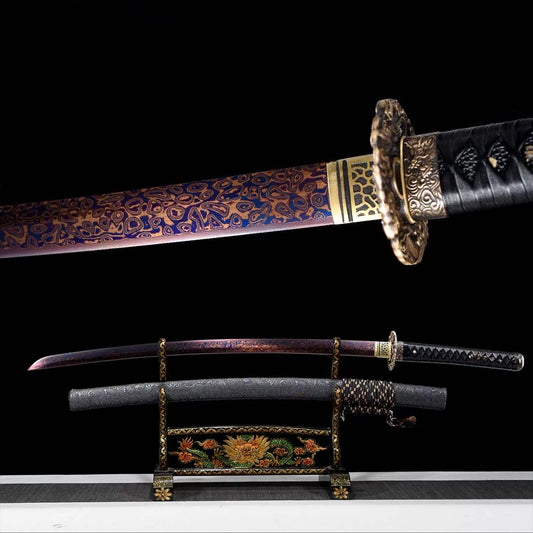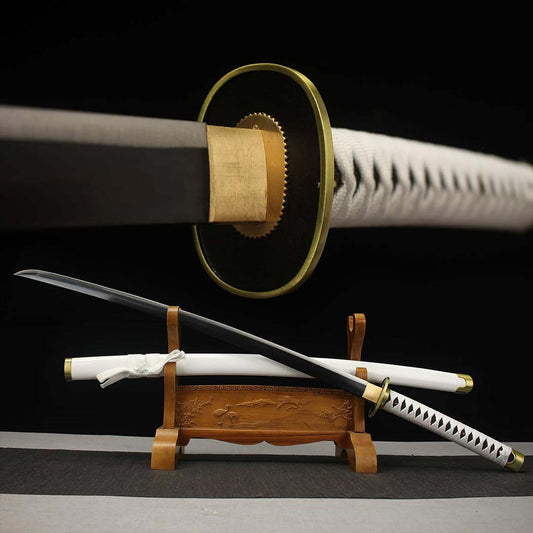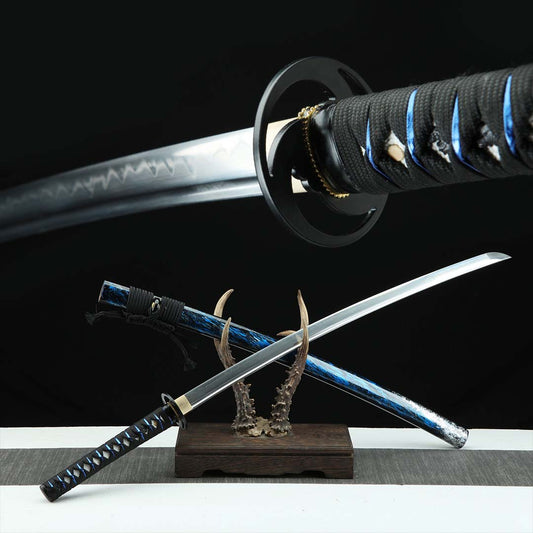

Ghost of Tsushima Sword: Jin Sakai

The wind howls across the blood-soaked fields of Tsushima as Jin Sakai draws his ancestral blade, its polished steel gleaming in the dying light of honor. In that moment, as tradition clashes with survival, the katana in his hands becomes more than a weapon—it transforms into a symbol of adaptation, sacrifice, and the painful evolution from noble samurai to the vengeful Ghost. This iconic Ghost of Tsushima sword from Sucker Punch Productions' masterpiece has captivated millions of players worldwide, inspiring a new generation of collectors to seek authentic katana replicas that capture the essence of feudal Japan's most turbulent era.
The Ghost of Tsushima sword represents far more than digital artistry; it embodies centuries of Japanese swordsmithing tradition, the bushido code, and the eternal struggle between honor and pragmatism. For American collectors drawn to this legendary weapon, understanding its historical significance and finding quality replicas requires navigating the rich world of anime and gaming katana collections with knowledge and discernment.
Table of Contents
- The Historical Foundation of Jin Sakai's Blade
- Symbolism and Character Design
- Traditional Craftsmanship and Authentic Features
- Our Featured Ghost of Tsushima Collection
- Collector's Guide to Choosing Your Katana
- Understanding Steel Types and Quality
- Why Choose Katana America
- Frequently Asked Questions
The Historical Foundation of Jin Sakai's Blade
The Ghost of Tsushima sword draws its authenticity from the tumultuous Kamakura period (1185-1333), when the Mongol invasions of Japan in 1274 and 1281 forever changed the island nation's military landscape. During this era, the katana evolved from its earlier tachi form into the curved, single-edged masterpiece we recognize today. Jin Sakai's legendary blade reflects the traditional construction methods that defined this transformative period in Japanese history.
The historical Mongol invasions provided the perfect backdrop for Sucker Punch's narrative, as real samurai faced similar moral dilemmas when confronted with an enemy that didn't follow traditional combat codes. The katana of this period featured distinctive characteristics: a curved blade averaging 24-28 inches, a complex hamon (temper line) created through differential hardening, and elaborate fittings that reflected the warrior's social status.
Jin's family blade represents the pinnacle of Kamakura-era swordsmithing, incorporating traditional elements like the distinctive kissaki (point), a robust nakago (tang) for secure mounting, and the iconic tsuba (guard) featuring the Sakai family mon. These authentic design elements remain crucial for modern collectors seeking historically accurate replicas that honor both the game's artistic vision and Japan's metallurgical heritage.
The sword's design philosophy emphasizes functionality over ornamentation, reflecting the practical needs of warriors facing an unprecedented foreign invasion. This utilitarian approach, combined with spiritual significance rooted in Shinto beliefs about the soul residing within the blade, creates a weapon that serves as both tool and talisman—perfectly capturing the essence that makes the Ghost of Tsushima sword so compelling to contemporary enthusiasts.
Symbolism and Character Design
Jin Sakai's katana serves as a powerful narrative device throughout Ghost of Tsushima, evolving from a symbol of rigid honor into an instrument of adaptive justice. The blade's journey mirrors Jin's own transformation from traditional samurai bound by bushido to the pragmatic Ghost who embraces forbidden techniques to protect his homeland. This symbolic weight makes the Ghost of Tsushima sword particularly meaningful for collectors who appreciate both historical significance and storytelling depth.
The katana's visual design incorporates several meaningful elements that reflect Jin's character development. The tsuba features the Sakai family crest, connecting the blade to generations of honorable service, while the black-wrapped tsuka (handle) with white ito (cord wrapping) creates a striking contrast that represents the duality of Jin's nature. The habaki (collar) and other fittings maintain traditional aesthetics while subtly incorporating design elements that hint at Jin's willingness to adapt ancient traditions to modern necessities.
Throughout the game, the sword's condition and appearance change based on player choices, visually representing the moral flexibility required to become the Ghost. This dynamic relationship between weapon and wielder resonates deeply with fans who understand that a katana is more than mere steel—it's an extension of its owner's soul and purpose.
The blade's role in key story moments, from the opening duel with Ryuzo to the final confrontation with Khotun Khan, establishes it as a character in its own right. For modern collectors, owning a replica of this iconic weapon creates a tangible connection to these memorable scenes and the broader themes of sacrifice, adaptation, and the price of victory. Many enthusiasts display their entry-level replicas alongside other gaming memorabilia, creating shrines to digital storytelling that honor both Japanese tradition and contemporary narrative craftsmanship.
Traditional Craftsmanship and Authentic Features
The Ghost of Tsushima sword exemplifies traditional Japanese swordsmithing techniques that have remained largely unchanged for over eight centuries. Authentic katana construction begins with tamahagane steel, created through a painstaking process of smelting iron sand and charcoal in a clay furnace called a tatara. While modern replicas typically use carbon steel alternatives, understanding these traditional methods helps collectors appreciate the craftsmanship behind quality reproductions.
The blade's most distinctive feature is the hamon, a visible temper line created through differential hardening. This technique involves coating the blade with clay before heating, allowing the edge to cool rapidly while the spine cools slowly, creating a hard cutting edge with a flexible spine. The resulting crystalline structure produces the beautiful wave-like patterns that make each authentic blade unique.
Construction follows the classical sankimai method, featuring a hard steel core (hagane) surrounded by softer iron (shingane), with the entire assembly wrapped in medium-carbon steel (kawagane). This complex lamination provides optimal performance characteristics: a razor-sharp edge that retains its keenness while maintaining the flexibility needed to absorb impact without breaking.
Traditional Japanese swordsmithing requires master-level skill in metallurgy, heat treatment, and aesthetic design. The tsuka construction involves precise fitting of the nakago into the handle, secured with mekugi (bamboo pegs) and wrapped with silk or cotton ito over same (ray skin) for superior grip. Quality replicas maintain these traditional proportions and materials, ensuring that modern collectors can experience the authentic feel and balance that made the katana legendary.
The finishing process includes multiple stages of polishing with progressively finer stones, revealing the blade's internal structure and creating the mirror finish that characterizes superior Japanese swords. Each step requires weeks of patient work by skilled artisans who understand both the technical requirements and spiritual significance of their craft, making mid-range replicas valuable investments for serious collectors.
Our Featured Ghost of Tsushima Collection
Jin Sakai Katana – Ghost of Tsushima Edition
Our flagship replica captures the essence of Jin Sakai's ancestral blade with meticulous attention to historical accuracy and artistic detail. This exceptional piece represents countless hours of research and craftsmanship, ensuring that every element honors both the game's vision and traditional Japanese aesthetics.
- 1060 Carbon Steel Construction: Provides excellent durability with authentic flexibility and edge retention characteristics
- Traditional Black Tsuka Wrapping: Features white cotton ito over genuine same (ray skin) for superior grip and historical accuracy
- Hand-Forged Blade Geometry: Proper curvature and proportions matching Kamakura-period specifications
- Authentic Sakai Family Mon: Precisely recreated family crest on the tsuba, maintaining narrative significance
- Full-Tang Construction: Ensures structural integrity and proper balance for display or martial arts practice
⭐⭐⭐⭐⭐ "This katana exceeded my expectations in every way. The weight distribution is perfect, and the attention to detail in the fittings is remarkable. It's become the centerpiece of my gaming collection." - Marcus T., Portland, Oregon
Tanjiro Kamado Katana Sword V2
While not directly from Ghost of Tsushima, this enhanced version of the beloved Demon Slayer protagonist's blade shares many aesthetic qualities with Jin Sakai's sword, particularly in its traditional construction methods and black-wrapped handle design that appeals to collectors of authentic samurai weaponry.
- Premium 1060 Carbon Steel: Offers superior performance characteristics with authentic Japanese hardness levels
- Upgraded Fittings Package: Enhanced tsuba and habaki designs featuring improved metallurgy and finishing
- Traditional Differential Hardening: Creates visible hamon patterns reminiscent of historical Kamakura-era blades
- Museum-Quality Polish: Multiple-stage finishing process reveals the blade's internal structure and grain patterns
- Includes Wooden Display Stand: Professional presentation option for collectors and enthusiasts
⭐⭐⭐⭐⭐ "The V2 edition shows significant improvements over the original. The hamon is gorgeous, and the overall fit and finish rivals swords costing twice as much." - Jennifer R., Austin, Texas
Kill Bill Katana Sword
This iconic replica draws inspiration from Tarantino's masterpiece while maintaining traditional Japanese construction principles that resonate with Ghost of Tsushima enthusiasts who appreciate authentic samurai aesthetics combined with pop culture significance.
- High-Carbon Damascus Steel: Features beautiful folded patterns created through traditional forge-welding techniques
- Genuine Rayskin Handle: Premium same covering provides superior grip and authentic texture
- Hand-Carved Wooden Scabbard: Traditional saya construction with high-gloss urushi finish
- Brass Fittings: Historically accurate alloy compositions for tsuba, habaki, and other metal components
- Functional Edge Geometry: Properly hardened and tempered for cutting demonstrations or martial arts training
⭐⭐⭐⭐⭐ "The Damascus pattern is absolutely stunning, and the balance is perfect for iaido practice. This sword bridges the gap between movie memorabilia and functional weaponry beautifully." - David L., Seattle, Washington
Michonne Katana Sword
Drawing from The Walking Dead's iconic character, this blade incorporates traditional Japanese construction with modern durability requirements, making it appealing to collectors who appreciate both historical accuracy and contemporary functionality.
- 1095 Carbon Steel Core: Provides exceptional hardness and edge retention for serious collectors
- Damascus Pattern Welding: Creates distinctive grain patterns through traditional folding techniques
- Cosplay-Ready Design: Screen-accurate proportions and finishing for convention displays
- Functional Construction: Full-tang design suitable for martial arts training and cutting exercises
- Premium Hardware Package: Includes high-quality fittings manufactured to exacting specifications
⭐⭐⭐⭐⭐ "Perfect for my Walking Dead collection, but the quality rivals my historical Japanese pieces. The steel takes and holds an incredible edge." - Sarah M., Denver, Colorado
Sandai Kitetsu Katana Sword
This One Piece-inspired replica maintains traditional Japanese construction while incorporating the distinctive aesthetic elements that make it appealing to collectors of both anime and historical weaponry.
- 1060 Carbon Steel Blade: Balanced composition providing durability with authentic Japanese characteristics
- Traditional Curve Profile: Classical Kamakura-era geometry for authentic handling characteristics
- Detailed Tsuba Design: Features the iconic Kitetsu styling with traditional metalworking techniques
- Cotton Ito Wrapping: Traditional handle covering methods ensuring comfortable grip and historical accuracy
- Manga-Accurate Proportions: Screen-faithful dimensions maintaining both aesthetic appeal and functional design
Additional Featured Pieces
Our custom katana collection includes several other exceptional pieces that share design philosophy and construction quality with the Ghost of Tsushima aesthetic:
The Tanjiro Kamado Katana Sword represents the original version of the beloved Demon Slayer protagonist's blade, featuring 1060 carbon steel construction with traditional fittings and authentic Japanese proportions that appeal to collectors of historically-inspired anime weaponry.
The Enma Katana Sword draws from One Piece mythology while maintaining traditional construction methods, offering 1060 carbon steel construction with authentic Japanese geometry and premium finishing that satisfies both anime enthusiasts and traditional weapon collectors.
The Sasuke Katana Sword brings Naruto aesthetics to traditional katana design, featuring 1060 carbon steel construction with distinctive blue-themed fittings that maintain historical accuracy while incorporating distinctive anime-inspired visual elements.
Collector's Guide to Choosing Your Katana
Selecting the perfect Ghost of Tsushima-inspired katana requires understanding the key factors that distinguish quality replicas from mass-produced decorations. The most important consideration is steel composition, as this determines both the blade's performance characteristics and its longevity as a collectible piece. Carbon steel grades like 1060, 1095, and Damascus offer different benefits: 1060 provides excellent durability with moderate hardness, 1095 delivers superior edge retention but requires more careful maintenance, while Damascus steel creates distinctive patterns through traditional folding techniques.
Blade geometry plays a crucial role in authenticity and functionality. Proper katana proportions include a gentle curve (sori) of approximately 2-3 centimeters, a kissaki (point) that maintains classical proportions, and an overall length between 24-28 inches for the blade alone. The nagasa (cutting edge) should extend from the habaki to the tip, creating the characteristic katana silhouette that has remained unchanged for centuries.
Handle construction significantly impacts both aesthetics and usability. Authentic replicas feature genuine same (ray skin) underneath the ito (cord wrapping), providing superior grip and moisture resistance compared to synthetic alternatives. The mekugi (bamboo or hardwood pegs) should be properly fitted and removable, allowing for maintenance and demonstrating traditional construction methods.
Fittings quality separates premium replicas from budget alternatives. The tsuba should be made from appropriate metals (iron, brass, or steel) with proper thickness and artistic detail, while the habaki must fit precisely against the blade to prevent movement within the scabbard. Superior pieces include authentic menuki (ornamental pieces under the wrap) and properly constructed kashira (pommel cap) that complete the traditional aesthetic package.
Display considerations influence long-term satisfaction with any purchase. Quality katana deserves proper presentation, whether through traditional kake (wall hangers), elegant stands, or custom display cases that protect the blade while showcasing its beauty. Many collectors invest in katana accessories that enhance both preservation and presentation of their prized pieces.
Understanding Steel Types and Quality
Carbon steel composition forms the foundation of any quality katana, with different grades offering distinct advantages for collectors and practitioners. 1060 carbon steel, containing 0.60% carbon, provides an excellent balance of hardness and flexibility, making it ideal for both display and light cutting exercises. This composition closely matches historical Japanese steel characteristics while offering superior consistency compared to traditional tamahagane.
1095 carbon steel, with its 0.95% carbon content, delivers exceptional hardness and edge retention capabilities that satisfy serious martial artists and cutting enthusiasts. However, this higher carbon content requires more careful maintenance to prevent rust and corrosion, making it better suited for experienced collectors who understand proper sword care protocols.
Damascus steel represents the pinnacle of modern sword-making artistry, created through forge-welding multiple layers of different carbon steels. This traditional technique produces distinctive grain patterns while combining the best characteristics of various steel types. Quality Damascus blades feature hundreds of layers, creating complex patterns that mirror the artistic achievements of master smiths throughout history.
Heat treatment processes significantly impact the final blade characteristics regardless of base steel composition. Proper differential hardening creates the hamon (temper line) that distinguishes authentic Japanese sword construction, while achieving the optimal balance between edge hardness and spine flexibility. Quality replicas undergo multiple heat cycles, precise temperature control, and extended tempering periods that replicate traditional methods.
Modern manufacturing allows for consistent quality control that surpasses even historical standards in many cases. Computer-controlled furnaces maintain precise temperatures, while modern metallurgy understanding ensures optimal carbon distribution and grain structure. This technological advancement means that today's best-seller katana often exceed their historical counterparts in terms of reliability and performance characteristics.
Understanding these technical aspects helps collectors make informed decisions based on their specific needs, whether prioritizing historical accuracy, cutting performance, or display aesthetics. Each steel type serves different purposes within the broader katana collecting community, ensuring that enthusiasts can find pieces that match their particular interests and experience levels.
Why Choose Katana America
As an American company, Katana America understands the unique needs and preferences of collectors throughout the United States. Our dedicated US customer service team provides personalized assistance, ensuring that every customer receives expert guidance in selecting the perfect addition to their collection. This domestic support structure means faster response times, better communication, and resolution of any concerns without international complications.
Shopping with Katana America eliminates the uncertainty and additional costs associated with import fees and customs delays. When you purchase from us, you pay in US dollars with no hidden charges or surprise fees at delivery. Our streamlined ordering process and transparent pricing ensure that the amount you see at checkout is exactly what you'll pay, making budgeting for your katana collection straightforward and predictable.
Our domestic operations provide several advantages over international suppliers, including reliable inventory management, quality control standards that meet American expectations, and shipping practices designed for the US market. This operational foundation allows us to maintain consistent availability of popular items while ensuring that every piece meets our rigorous quality standards before reaching our customers.
Fast domestic shipping ensures that your katana arrives safely and promptly, with tracking information and delivery confirmation providing peace of mind throughout the process. Our packaging methods protect these valuable pieces during transit while maintaining the excitement of unboxing your new acquisition. Payment in US dollars through familiar platforms eliminates currency conversion concerns and provides the security of domestic transaction protections.
Frequently Asked Questions
Q: How authentic are the Ghost of Tsushima sword replicas compared to historical katana?
Our Ghost of Tsushima sword replicas incorporate authentic construction methods and materials used in traditional Japanese swordsmithing while adapting certain elements for modern safety and legal requirements. The blade geometry, steel composition, and basic construction follow historical patterns established during the Kamakura period. However, modern replicas often feature improved metallurgy, consistent heat treatment, and enhanced safety features that surpass historical standards. While they capture the essential aesthetic and functional characteristics of period weapons, they represent interpretations rather than exact historical reproductions. The craftsmanship quality in our premium pieces rivals that of historical examples in terms of fit, finish, and attention to detail, making them worthy additions to serious collections.
Q: What's the difference between 1060 and 1095 carbon steel for katana?
1060 carbon steel contains 0.60% carbon, providing moderate hardness with excellent flexibility and durability. This composition is forgiving for beginners, easier to maintain, and less prone to chipping or cracking under stress. It offers good edge retention while remaining relatively easy to sharpen and care for. 1095 carbon steel, with 0.95% carbon content, achieves higher hardness levels and superior edge retention but requires more careful handling and maintenance. It can hold extremely sharp edges for extended periods but is more brittle and susceptible to rust if not properly cared for. Both steels are historically appropriate for katana construction, with 1060 being more practical for most collectors while 1095 appeals to serious practitioners who prioritize cutting performance and are willing to invest in proper maintenance.
Q: What are the proper dimensions for an authentic katana replica?
Traditional katana dimensions follow specifications established during the Kamakura period and refined over subsequent centuries. The blade length (nagasa) typically ranges from 24 to 28 inches, with most falling between 26-27 inches for optimal balance and handling characteristics. The overall length including handle usually measures 39-41 inches, providing proper proportion for the traditional two-handed grip. The curve (sori) should measure approximately 2-3 centimeters from the spine to a straight line drawn from the tip to the habaki. Handle length typically ranges from 10-12 inches, allowing for comfortable two-handed grip while maintaining proper balance point. These proportions ensure authentic handling characteristics and visual appearance that honors traditional Japanese sword design principles.
Q: How should I properly care for and maintain my carbon steel katana?
Carbon steel katana require regular maintenance to prevent corrosion and maintain their appearance and functionality. After each handling session, wipe the blade with a clean, lint-free cloth to remove fingerprints and moisture. Apply a thin layer of mineral oil or specialized sword oil to all metal surfaces, paying particular attention to the edge and any areas where the protective finish may be worn. Store the katana in a dry environment with stable temperature and humidity levels, preferably in a traditional wooden scabbard or protective case. Avoid touching the blade directly with bare hands, as skin oils can cause corrosion over time. Periodically inspect all fittings for looseness or wear, tightening mekugi pegs as necessary. If rust spots appear, address them immediately with fine polishing compound, working in the direction of the blade's grain. Professional maintenance every few years helps preserve both functionality and investment value.
Q: What display options work best for showcasing a katana collection?
Effective katana display combines preservation, security, and aesthetic appeal to showcase these magnificent weapons properly. Traditional kake (wall hangers) provide authentic presentation while keeping blades easily accessible for inspection. Modern display stands offer stable support with adjustable angles for optimal viewing, while protecting the edge from contact damage. Wall-mounted display cases with UV-filtering glass provide museum-quality protection while creating impressive focal points in any room. Multiple-sword displays should maintain proper spacing to prevent contact between pieces while creating visually appealing arrangements. Lighting plays a crucial role in highlighting the hamon, blade polish, and intricate fittings details—LED strips or spot lighting can dramatically enhance the visual impact. Humidity control prevents corrosion in display environments, while security considerations might include lockable cases or alarm systems for valuable collections. The display location should avoid direct sunlight, extreme temperatures, and high-traffic areas where accidental contact might occur.
Q: Are katana legal to own in Canada and what are the regulations?
Katana ownership in Canada is legal under federal law, with some provincial and municipal variations that collectors should understand. These weapons are classified as prohibited weapons if they have blades longer than 30 centimeters and are designed for martial arts or decorative purposes, but ownership by collectors and martial artists remains permitted under specific conditions. Purchasers must be 18 years or older and cannot have been prohibited from owning weapons under Canadian law. Transportation requires secure cases and adherence to local regulations, while public display or carrying is generally prohibited except for legitimate purposes like martial arts training or cultural demonstrations. Some provinces have additional restrictions on blade length or handle configuration, so collectors should research their local laws before purchasing. Customs regulations require proper declaration when importing, and certain automatic or spring-loaded mechanisms may be prohibited. Most traditional katana designs meet legal requirements, but buyers should verify compliance with their specific provincial and municipal regulations before ordering.
Conclusion
The Ghost of Tsushima sword represents far more than a gaming accessory—it embodies centuries of Japanese craftsmanship, storytelling tradition, and the eternal human struggle between honor and survival. Whether you're drawn to Jin Sakai's journey of transformation or simply appreciate the exquisite artistry of traditional Japanese swordsmithing, owning an authentic replica connects you to this rich cultural heritage.
Our carefully curated collection ensures that every piece meets the exacting standards that serious collectors demand, combining historical accuracy with modern manufacturing reliability. From the flagship Jin Sakai Katana – Ghost of Tsushima Edition to complementary pieces that share its aesthetic philosophy, each sword represents an investment in both cultural appreciation and personal satisfaction.
The path of the Ghost teaches us that adaptation and respect for tradition can coexist beautifully. Your katana collection should reflect this same balance, honoring the past while embracing the present. Explore our complete authentic katana collection today and discover the piece that will become the cornerstone of your own warrior's journey. Whether displayed with reverence or wielded with skill, these magnificent weapons continue to inspire and captivate, carrying forward the legacy of one of humanity's greatest artistic and martial achievements.
Begin your own transformation from admirer to collector—your perfect Ghost of Tsushima sword awaits.
Bring the blade home. Browse our anime katana replicas or every hand-forged katana for sale. Free U.S. shipping, 4.8/5 rated.
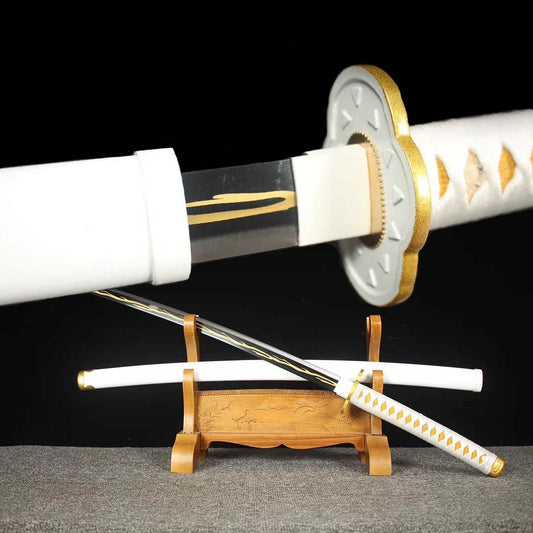
 Save $60