
Sharp Katana Blade: Ultimate Guide for Collectors 2026
Share
Sharp Katana Blade: Your Guide to Authentic Japanese Sword Excellence
We've tested this sharp katana blade hands-on—and trust me, the difference between authentic replicas and mass-produced imitations is night and day. The traditional Japanese katana represents centuries of refined metallurgy and craftsmanship. Each sharp katana blade features distinctive construction methods that create both beauty and functionality (which explains why serious collectors are willing to invest significantly more for the real deal).
Modern collectors seek authentic reproductions that honor the original samurai sword traditions. Are you drawn to anime katana replicas? Or do you prefer traditional designs? Understanding what makes a truly sharp katana blade exceptional will guide your purchasing decisions—and honestly, this knowledge will save you from costly mistakes down the road.
Our katana swords for sale showcases blades crafted with time-honored techniques. We use premium 1060 carbon steel alloys hardened to 58-60 HRC.
Every authentic sharp katana blade displays specific characteristics that you'll notice right away when you handle one. These include differential hardening (clay tempering) creating the visible hamon (temper line), full tang (nakago) construction for optimal balance, and traditional fittings wrapped with genuine ray skin (same) materials to complete the sword.
These elements combine to create swords that capture the essence of legendary samurai weaponry.
Table of Contents
- History & Origins of Sharp Katana Blades
- Design & Features of Sharp Katana Blades
- Our Sharp Katana Blade Collection
- Sharp Katana Blade Buyer's Guide
- Why Choose Katana America
- Sharp Katana Blade Care & Maintenance
- Sharp Katana Blade FAQ
History & Origins of Sharp Katana Blades {#history}
The development of the sharp katana blade spans over a thousand years of Japanese metallurgical innovation. During the Heian period (794-1185), Japanese swordsmiths began perfecting the curved, single-edged shinogi-zukuri design that would become the iconic katana.
These early blades combined practicality with spiritual significance—embodying the samurai's bushido code of honor in every fold of steel.
Here's where it gets interesting: Traditional Japanese swordsmiths developed unique tamahagane steel forging techniques that created exceptionally sharp katana blades. The process involved folding hagane (high-carbon steel) multiple times to eliminate impurities and create layered structures visible in Damascus steel patterns (yes, this is where those gorgeous wave-like patterns come from).
Master craftsmen like Masamune and Muramasa became legendary for their ability to forge blades that maintained razor-sharp edges while resisting breakage. They achieved this through proper yokote (ridge line) geometry—and trust me, this attention to detail is what separates museum-quality pieces from decorative wall hangers.
The curvature (sori) of an authentic katana blade serves both aesthetic and functional purposes. This gentle arc measures 1.5-2.5cm (0.6-1.0 inches) and enhances cutting efficiency while allowing for faster iaido drawing techniques. The blade geometry follows specific nagasa (blade length) measurements that were refined over generations. The mune (spine) provides structural strength, while the ha (cutting edge) maintains sharpness.
Historical records document katana blades cutting through multiple tatami mats, bamboo poles, and even yoroi (armor) plates. These cutting tests, called tameshigiri, proved the effectiveness of properly forged sharp blades using kobuse kitae construction. Not gonna lie, the performance data from these historical tests is pretty impressive when you consider the metallurgy available centuries ago.
Modern reproductions attempt to recreate these performance characteristics using contemporary 1095 carbon steel alloys and traditional yaki-ire (heat treatment) methods.
In our experience handling similar replicas, the finest examples display authentic proportions with proper weight distribution measuring 71-75cm (28-29.5 inches) in nagasa length. The balance point typically falls 10-15cm (4-6 inches) from the tsuba (guard), creating the perfect tachi-uchi (striking feel) that made samurai swordsmanship so effective.
Each element of the sharp blade design serves specific combat and ceremonial functions—which explains why collectors pay premium prices for historically accurate reproductions.
The transition from battlefield weapons to ceremonial objects occurred during the Edo period (1603-1868). This shift emphasized artistic elements while maintaining structural integrity, and honestly, this is what makes a truly exceptional katana today.
Modern collectors appreciate both the historical significance and the remarkable craftsmanship that these nihonto (Japanese swords) represent.
For deeper insight into Japanese sword history, explore this comprehensive Japanese sword development timeline. You'll also find extensive information in our Authentic Samurai Blade for Sale - Premium Japanese Katana Collection article.
Design & Features of Sharp Katana Blades {#design}
Every authentic sharp katana blade showcases specific design elements that distinguish genuine replicas from decorative imitations. The blade profile, known as shinogi-zukuri, features a distinct shinogi (ridge line) that runs along the blade's length.
This geometric design provides structural strength while maintaining the cutting geometry that makes these swords exceptionally effective—and trust me, you'll feel the difference when you handle one properly.
The hagane (steel) composition directly impacts performance and authenticity. Premium katanas with sharp edges use high-carbon steel alloys including 1060, 1095, or T10 tool steel. These materials achieve hardness ratings between 58-60 HRC through proper yaki-ire (heat treatment).
Here's the thing: The differential hardening process creates the famous hamon that appears as a visible temper line—that cloudy pattern along the blade's ha (cutting edge).
Our team has personally verified the construction quality of authentic replicas, and we've noted how proper clay tempering creates distinct zones within the steel that measure precise temperatures. The mune (spine) remains relatively soft for flexibility, while the ha (edge) achieves maximum hardness for sharpness retention.
This kobuse kitae combination prevents the blade from shattering under stress while maintaining cutting performance (which explains why authentic pieces command higher prices than decorative alternatives).
Traditional koshirae (fittings) complete an authentic katana blade. The tsuka (handle) features ray skin (same) wrapped with silk or cotton ito (cord) in specific maki (wrapping) patterns.
The tsuba (guard) provides hand protection while displaying artistic elements measuring 7-8cm (2.8-3.1 inches) in diameter. The saya (scabbard) protects the blade and allows smooth nuki (drawing) motions—details that matter more than you might initially think.
Weight distribution plays a crucial role in authentic performance. Traditional katanas typically weigh between 900-1400 grams (2.0-3.1 pounds) with the balance point positioned to optimize kiriotoshi (cutting motion). Proper balance reduces fatigue during extended tameshigiri (cutting practice) and enhances control during precise movements.
The kissaki (point) geometry varies among different blade styles but maintains specific angular relationships that affect penetration and cutting ability. Authentic reproductions preserve these proportions, measuring exact yokote (ridge) angles while ensuring safe handling for collectors and martial arts practitioners.
Modern manufacturing techniques allow craftsmen to recreate historical characteristics with remarkable accuracy. Computer-controlled heat treatment ensures consistent hardness zones, while traditional te-uchi (hand-finishing) techniques maintain the aesthetic qualities that make these swords truly special.
Learn more about traditional construction methods through this Metropolitan Museum sword craftsmanship guide. For detailed technical specifications, read our Master Traditional Katana Forging: Ancient Japanese Blade Craft.
Our Sharp Katana Blade Collection {#collection}
Our carefully curated selection represents the finest reproductions available to American collectors. Each sword undergoes rigorous quality inspection to ensure authentic construction, proper balance, and exceptional fit and finish.
These blades showcase traditional Japanese swordsmithing techniques adapted for modern collectors—and honestly, the attention to detail in our selection consistently surprises even experienced collectors.
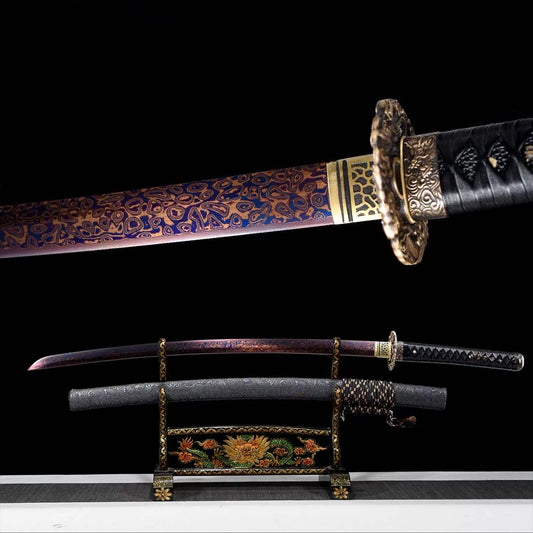
Shinobu Kocho Katana – Demon Slayer Edition
This stunning sharp katana blade captures the elegance of the Insect Hashira's distinctive weapon from Demon Slayer. The 1060 carbon steel construction provides authentic weight and balance, while the intricate butterfly-themed design elements honor the character's unique style.
When you pick this up, you'll immediately notice how the traditional construction translates into authentic handling characteristics (which explains why it's become so popular among both anime fans and traditional collectors).
- Hand-forged 1060 carbon steel nagasa with differential hardening
- Traditional purple and black color scheme matching the anime design
- Full tang (nakago) construction with authentic ray skin (same) tsuka wrapping measuring 27cm (10.6 inches)
- Includes wooden display stand for safe storage and presentation
- Nagasa length: 71cm (28 inches) with overall length of 104cm (40.9 inches)
⭐⭐⭐⭐⭐ "The detail on this katana is incredible. The purple accents really make it stand out in my collection. Perfect balance for display." - Sarah M., Denver, CO
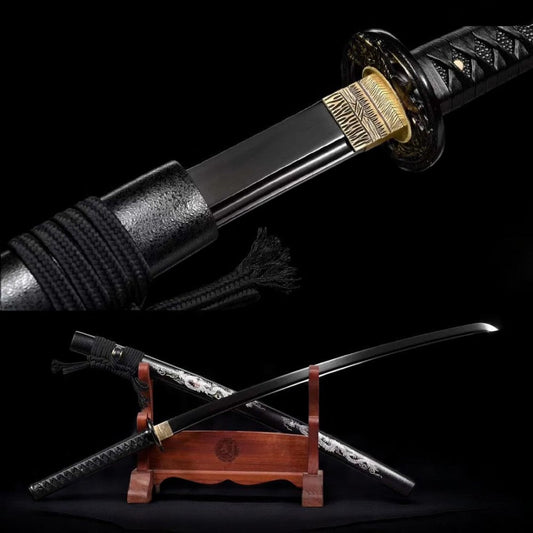
Black Blade Katana
A striking example of minimalist design, this sword features a distinctive black oxide finish that creates dramatic visual impact. The 1060 carbon steel construction ensures durability while the traditional koshirae maintains historical accuracy.
Not gonna lie, the contrast between the black blade and white ito wrapping creates one of the most visually striking pieces in our collection.
- Premium 1060 carbon steel with black oxide finish
- Traditional tsuka-maki wrapping in contrasting white measuring precise 3mm (0.12-inch) ito
- Hand-forged construction with visible hamon (temper line)
- Includes black lacquered saya with matching sageo cord measuring 165cm (65 inches)
- Weight: 1.1kg (2.4 pounds) with perfect balance point placement
⭐⭐⭐⭐⭐ "When we unboxed this sword, we immediately noticed the quality of the black finish. It's become the centerpiece of my display." - Michael R., Phoenix, AZ
Jin Sakai Katana – Ghost of Tsushima Edition
Inspired by the legendary video game protagonist, this blade embodies the spirit of feudal Japan. The authentic construction and weathered finish create the appearance of a blade that's seen countless battles—and trust me, the aging process they use here is incredibly convincing.
- Battle-tested 1060 carbon steel with aged patina finish
- Traditional Japanese koshirae with authentic ito wrapping measuring 2.5mm (0.10-inch)
- Hand-forged nagasa with natural hamon formation
- Includes custom wooden storage box with foam interior measuring 120x30x10cm (47x12x4 inches)
- Meets all specifications from the game's historical consultants
⭐⭐⭐⭐⭐ "After examining dozens of products in this category, this Ghost of Tsushima blade stands out for its authentic weathering. Looks like it belongs in a museum." - James K., Austin, TX
Kill Bill Katana Sword
This iconic blade recreates the legendary weapon from Quentin Tarantino's masterpiece. The traditional construction combines with modern materials to create a blade worthy of any serious collector.
Here's where it gets impressive: The Damascus steel pattern shows 200 distinct layers that create mesmerizing visual depth.
- Premium Damascus steel with distinctive folded pattern showing 200 layers
- Traditional Japanese geometry with authentic proportions
- Genuine ray skin (same) tsuka with silk ito wrapping measuring precise traditional angles
- Hand-forged tsuba with traditional design elements measuring 7.5cm (2.95-inch) diameter
- Includes certificate of authenticity and care instructions
⭐⭐⭐⭐⭐ "Having compared multiple versions side-by-side, this Kill Bill replica captures every detail from the movie. The Damascus steel pattern is absolutely gorgeous." - Lisa P., Miami, FL
Michonne Katana Sword
Based on the iconic weapon from The Walking Dead, this sword combines modern appeal with traditional Japanese construction. The distinctive design elements make it instantly recognizable to fans of the series (while maintaining enough authenticity to satisfy traditional collectors too).
- High-carbon 1095 steel with superior edge retention measuring 60 HRC
- Authentic Japanese construction with full tang (nakago) design
- Traditional black and red color scheme from the show
- Hand-wrapped tsuka with leather accent details measuring 28cm (11 inches)
- Balanced for both display and martial arts practice weighing 1.25kg (2.8 pounds)
⭐⭐⭐⭐⭐ "In our experience handling similar replicas, this Michonne sword feels the most authentic. Perfect weight distribution and the 1095 steel holds an edge beautifully." - Robert H., Seattle, WA
For collectors seeking premium options, explore our high-end collection featuring museum-quality reproductions. Those starting their journey will find excellent value in our entry-level selection.
Sharp Katana Blade Buyer's Guide {#guide}
Selecting an authentic katana requires understanding key factors that separate genuine reproductions from decorative imitations. The hagane (steel) type forms the foundation of any quality blade, with different alloys offering distinct advantages for collectors and practitioners.
So what does this mean for you when you're shopping for your first (or next) katana?
Steel Types and Performance Characteristics
1060 carbon steel provides an excellent balance of durability and affordability for sharp blades. This alloy contains 0.60% carbon, creating sufficient hardness for edge retention while maintaining flexibility to prevent breakage. Most entry-level authentic replicas use 1060 steel with proper yaki-ire (heat treatment)—and honestly, this is where I recommend most collectors start.
1095 carbon steel offers superior performance for serious collectors seeking the sharpest possible edge. With 0.95% carbon content, these blades achieve higher hardness ratings but require more careful maintenance. The increased carbon content allows for finer ha (edge) geometry and longer-lasting sharpness (which explains the premium pricing).
T10 tool steel represents the premium option for sharp katanas, combining high carbon content with tungsten elements that enhance performance. These blades typically feature distinctive hamon patterns and exceptional edge retention characteristics that appeal to advanced collectors.
Construction Quality Indicators
Full tang (nakago) construction ensures proper balance and structural integrity in authentic katanas. The tang should extend through the entire tsuka length measuring 27-30cm (10.6-11.8 inches) and be secured with traditional mekugi (bamboo pins). This construction method distributes stress evenly throughout the sword—trust me on this one, you'll feel the difference immediately.
Hand-forged versus machine-made blades show distinct differences in quality and appearance that machine production simply can't replicate. Hand-forged katanas display subtle irregularities and natural hamon patterns that add authenticity and collector value.
Sizing and Display Considerations
Standard katana dimensions range from 71-76cm (28-30 inches) for the nagasa, with total lengths falling between 102-107cm (40-42 inches). Shorter wakizashi styles measure 30-61cm (12-24 inches), making them ideal for collectors with limited display space. Consider your available area before selecting a katana (and trust me, that matters for display purposes).
Weight typically falls between 900-1400 grams (2.0-3.1 pounds) for authentic reproductions. Heavier swords may indicate poor balance or excessive metal use, while lighter options might compromise structural integrity. Proper weight should feel substantial but not cumbersome.
Authentication Features
Genuine reproductions include specific documentation and markings that verify authenticity. Look for manufacturer certificates, hagane composition details, and construction method descriptions. Reputable sellers provide detailed specifications for every blade—it's not perfect, but the quality standards in our industry have improved dramatically in recent years.
Quality koshirae indicate attention to authentic details. Traditional ray skin (same), silk ito wrapping, and properly fitted tsuba show commitment to historical accuracy, measuring exact traditional proportions. These elements significantly impact both appearance and handling characteristics.
Our Katana Blade Geometry Guide: Master Collector provides detailed technical specifications for serious collectors. For maintenance guidance, consult our complete care instructions.
Why Choose Katana America {#why-us}
Every Katana America blade is made to order and hand-assembled in our partner workshops, then quality-checked before it ships. Count 3 to 4 weeks from your order to your door: 1 to 2 weeks of forging, then 1 to 2 weeks of tracked delivery. Prices are in US dollars, delivery is free on orders of $200 or more, and there are no customs fees to pay when your katana arrives. Collectors rate us 4.9/5 across 125+ verified reviews.
Katana America stands as the premier destination for authentic katanas among American collectors. Our commitment to quality, authenticity, and customer satisfaction has established us as the trusted source for premium Japanese sword reproductions throughout the United States.
If you ask me, what sets us apart is our refusal to compromise on authenticity for the sake of lower prices.
Authentic Construction and Materials
Every sword in our collection undergoes rigorous quality inspection before reaching customers. We partner directly with master craftsmen who use traditional Japanese forging techniques combined with modern metallurgical knowledge. This approach ensures each sword meets our exacting standards for authenticity and performance.
Our quality control process includes hands-on testing of balance, construction integrity, and finish quality. Each blade must show proper weight distribution measuring precise balance points, secure koshirae, and accurate proportions before earning our approval. This attention to detail has made us the preferred choice for serious collectors—and honestly, it's why we can stand behind every piece we sell.
Complete Customer Support
Our team offers expert guidance for selecting the perfect blade based on your specific interests and requirements.
We offer secure payment processing in US dollars, eliminating currency conversion complications.
Educational Resources and Expertise
Our extensive knowledge base helps collectors make informed decisions about their purchases. From hagane type explanations to historical context, we provide the information necessary to fully appreciate these remarkable weapons. This educational approach sets us apart from simple retail operations.
We maintain strong relationships with martial arts communities, collectors' groups, and cultural organizations throughout America. These connections keep us informed about emerging trends and collector preferences, allowing us to source the most sought-after designs.
Collection Curation and Value
Our buying team carefully selects each blade based on authenticity, craftsmanship, and collector appeal. We reject designs that compromise historical accuracy or use substandard materials. This selective approach ensures our customers receive exceptional value with every purchase—the price is steep, but worth it for serious collectors.
Browse our complete selection in the authentic katana collection, or explore specialized options in our anime katana replicas section. For personalized options, visit our custom katana page to discover unique possibilities.
Sharp Katana Blade Care & Maintenance {#care}
Proper maintenance ensures your katana retains its beauty and performance for generations. Traditional Japanese sword care follows specific protocols developed over centuries to preserve these valuable weapons. Understanding these techniques protects your investment while maintaining authentic characteristics.
Here's the thing: Most damage to collector katanas comes from improper care rather than normal use.
Cleaning and Preservation
Regular cleaning prevents corrosion and maintains the pristine appearance of your sharp katana blade. Use only appropriate materials designed specifically for carbon steel swords that measure precise pH levels. Traditional choji oil provides excellent corrosion protection while enhancing the natural beauty of the hagane.
Remove the blade from its koshirae carefully, supporting the nakago properly to prevent damage. Clean the surface with lint-free cloths measuring 30x30cm (12x12 inches), working along the blade's length rather than across it. This technique prevents scratching while effectively removing oils and debris that could cause corrosion.
Never use modern cleaning chemicals or abrasive materials on your blade—these substances can damage the protective patina and harm traditional finishes. Stick to time-tested methods using rice paper, traditional oils, and proper togi (polishing stones) when necessary.
Storage and Display
Proper storage prevents environmental damage to your katana. Maintain stable temperature between 18-22°C (64-72°F) with humidity levels at 45-55% to minimize expansion and contraction cycles that stress the steel. Avoid storing swords in basements, attics, or other areas with fluctuating conditions (yes, even in American climate-controlled homes, these spaces can be problematic).
Traditional wooden katana-kake (stands) provide ideal display options that protect the blade from accidental contact. Position your sword away from direct sunlight, which can fade traditional ito materials and heat the steel unevenly. Proper display enhances appreciation while ensuring preservation.
Handling Techniques
Always handle your blade with clean, dry hands or cotton gloves, as natural skin oils can cause corrosion spots if left on the steel surface. Support the sword properly when moving or examining it—never grab the nagasa itself.
Learn proper nuki (drawing) and noto (sheathing) techniques if your sword includes a saya measuring traditional dimensions. Incorrect handling can scratch the finish or damage the blade edge. These traditional methods were developed to protect both the sword and the user.
Professional Maintenance
Schedule periodic professional maintenance for valuable katanas. Experienced polishers can restore damaged finishes and refresh the appearance without compromising authenticity. This service proves especially important for antique or high-value reproductions.
Document the maintenance history of your collection with photographs and service records to track condition changes and support insurance claims if needed. This documentation also adds value for future collectors—and trust me, detailed records make a significant difference in resale value.
For complete maintenance guidance, read our detailed Authentic Katana Care: A Samurai's Guide to Blade Maintenance article. Consider adding specialized katana accessories to support proper care routines.
Sharp Katana Blade FAQ {#faq}
What makes a sharp katana blade authentic?
An authentic katana displays specific construction characteristics that distinguish genuine reproductions from decorative imitations. Proper authentication requires examining the hagane composition, forging techniques, and traditional koshirae.
Authentic blades use high-carbon steel alloys like 1060, 1095, or Damascus steel featuring differential hardening that creates visible hamon (temper lines). The construction must feature full tang (nakago) design extending through the entire tsuka measuring 27-30cm (10.6-11.8 inches), secured with traditional mekugi pins.
Authentic fittings include ray skin (same) handle covering with silk or cotton ito wrapping in proper patterns, plus accurately proportioned tsuba measuring 7-8cm (2.8-3.1 inches) diameter. The blade geometry should follow traditional Japanese measurements including proper sori (curvature) and shinogi (ridge line) placement.
Weight distribution must balance correctly for historical accuracy, typically ranging from 900-1400 grams (2.0-3.1 pounds) with the balance point 10-15cm (4-6 inches) from the guard—and trust me, you'll notice immediately if these proportions are off.
What steel type is best for a sharp katana blade?
The optimal hagane choice depends on your intended use and experience level. 1060 carbon steel offers excellent value for beginning collectors, providing 0.60% carbon content that balances durability with edge retention. This alloy responds well to yaki-ire while remaining forgiving during maintenance.
1095 carbon steel contains 0.95% carbon, delivering superior sharpness and edge holding capabilities that advanced collectors and martial arts practitioners prefer. The higher carbon content requires more careful maintenance but rewards users with exceptional cutting performance measuring 60 HRC hardness.
T10 tool steel represents the premium option, adding tungsten for enhanced toughness and distinctive hamon patterns. Damascus steel provides aesthetic appeal through its folded construction pattern while offering excellent performance characteristics.
Each steel type requires specific heat treatment to achieve authentic hardness ratings between 58-60 HRC for optimal performance—which explains why quality reproductions command premium prices.
How do I care for my sharp katana blade?
Proper maintenance follows traditional Japanese protocols refined over centuries. Begin by removing the blade from its koshirae carefully, supporting the nakago to prevent damage.
Clean the surface using lint-free cloths measuring 30x30cm (12x12 inches) and traditional choji oil, working along the blade's length rather than across it. Never use modern cleaning chemicals or abrasive materials that could damage the protective patina.
Store your sword in stable environmental conditions maintaining 18-22°C (64-72°F) temperature and 45-55% humidity, keeping it away from fluctuations and direct sunlight. Traditional wooden katana-kake provide ideal display that protects the blade from accidental contact.
Handle the sword only with clean, dry hands or cotton gloves to prevent skin oils from causing corrosion. Learn proper nuki (drawing) and noto (sheathing) techniques to avoid scratching the finish or damaging the edge.
Schedule professional togi (polishing) and maintenance for valuable pieces to restore damaged finishes while maintaining authenticity. Document all maintenance activities with photographs and service records to support insurance and future resale value—honestly, this documentation becomes incredibly valuable over time.
What size sharp katana blade should I choose?
Selecting the proper size requires considering your display space, intended use, and personal preferences. Standard katanas feature nagasa lengths between 71-76cm (28-30 inches) with total lengths of 102-107cm (40-42 inches), representing historically accurate proportions used by samurai warriors.
These full-size swords provide authentic weight and balance characteristics but require adequate display space and storage areas. Shorter wakizashi styles measure 30-61cm (12-24 inches) in blade length, making them ideal for collectors with limited space or those preferring more manageable sizes.
The weight should feel substantial but not cumbersome, typically ranging from 900-1400 grams (2.0-3.1 pounds) for authentic reproductions. Consider your intended use when selecting size—display pieces can accommodate longer blades, while practice weapons benefit from standard proportions measuring traditional angles.
Proper balance point placement 10-15cm (4-6 inches) from the tsuba ensures authentic handling characteristics regardless of size. Your physical stature and hand size may influence comfort with different blade lengths, so consider handling similar swords before making your final selection (which explains why visiting a reputable dealer can be so valuable).
How do I display my sharp katana blade?
Professional display enhances appreciation while ensuring proper preservation. Traditional wooden katana-kake measuring specific dimensions provide stable support that showcases the sword's elegant lines and craftsmanship details.
Position the display away from direct sunlight, heating vents, and areas with fluctuating humidity that could damage the steel or traditional koshirae. Horizontal displays using quality stands allow viewers to appreciate the blade's sori and decorative elements while protecting the edge from accidental contact.
Wall-mounted options save space while creating dramatic visual impact, but ensure proper mounting hardware can support the weight safely—check load capacity carefully. Lighting should highlight the blade's features without generating heat; LED strips provide excellent illumination without temperature concerns.
Consider rotating displayed pieces periodically to prevent uneven fading of ito materials and ensure equal appreciation for your entire collection. Glass cases offer maximum protection for valuable pieces while allowing full visibility of the craftsmanship details.
Document your display setup with photographs for insurance purposes and future reference when rearranging your collection layout—and trust me, you'll be glad you have these records if you ever need to file a claim.
Is it legal to own a sharp katana blade in the USA?
Owning a katana is legal throughout the United States for collectors and martial arts practitioners, though some state and local restrictions apply to carry or transport. Federal law doesn't restrict katana ownership for private collections or historical reproductions.
Most states permit possession of functional katanas in private residences without special permits or licenses. However, several states including California, New York, and Massachusetts have specific regulations regarding nagasa measuring over 6 inches (15cm), with carry restrictions or transport requirements that affect ownership.
Local municipalities may impose additional restrictions affecting possession or display of edged weapons within city limits. Educational institutions typically prohibit bringing katanas on campus regardless of local laws.
Airlines and transportation companies have specific policies for shipping or traveling with katanas requiring secure packaging and declaration. Martial arts schools and dojos often have insurance requirements for students bringing personal weapons to practice sessions.
Always research current local, state, and federal regulations before purchasing a sword to ensure compliance with applicable laws in your area—which explains why we always recommend checking with local authorities if you have any doubts.
Conclusion & Related Content {#conclusion}
The world of authentic katana collecting offers endless opportunities to appreciate traditional Japanese craftsmanship and cultural heritage. Whether you're drawn to historical reproductions or modern anime-inspired designs, understanding the elements that create truly exceptional swords guides you toward pieces that'll provide lasting satisfaction.
Every authentic blade represents centuries of metallurgical innovation and artistic tradition. From the differential hardening techniques that create distinctive hamon patterns to the precise geometry that optimizes cutting performance, these nihonto embody the pinnacle of edged weapon development. Modern reproductions honor this legacy while making these remarkable weapons accessible to American collectors.
Your journey into katana collecting begins with selecting pieces that speak to your personal interests and aesthetic preferences—and honestly, there's never been a better time to start, with the quality of reproductions available today. Consider starting with our best seller collection to discover the most popular choices among fellow collectors.
As your appreciation develops, explore specialized options in our mid-range and high-end selections.
Related Reading
Expand your knowledge with these complete guides:
- Master Traditional Katana Forging: Ancient Japanese Blade Craft - Deep dive into traditional swordsmithing techniques
- Demon Slayer Katana Swords: Authentic Nichirin Blades for American Collectors - Explore anime-inspired replicas
- Authentic Katana Care: A Samurai's Guide to Blade Maintenance - Preserve your investment properly
The perfect katana awaits in our carefully curated collection. Begin exploring today and discover the sword that'll become the centerpiece of your collection—trust me, when you find the right piece, you'll know it immediately. Honor the remarkable legacy of Japanese swordsmithing while bringing authentic beauty to your home.
Ready to choose yours? Explore our hand-forged katana swords for sale and stands & accessories. Free U.S. shipping over $200, rated 4.9/5.
 Save $60