
Muramasa Legendary Cursed Blade: History & Authentic Replicas
The blade trembled in the samurai's hands, not from fear, but from an otherworldly hunger. Legend whispers that the muramasa legendary cursed blade possessed its own malevolent spirit—one that thirsted for conflict and drove their wielders to madness. In the shadows of feudal Japan, these cursed katanas carved a path through history, leaving behind tales of supernatural power and tragic destruction that still captivate collectors and enthusiasts today.
Table of Contents
The Dark Origins of Muramasa Blades
The legend of the muramasa legendary cursed blade begins in 16th century Japan, where Sengo Muramasa forged blades in the province of Ise. Unlike other swordsmiths who created weapons for honor and protection, Muramasa's katanas were said to embody pure bloodlust. These weren't merely tools of war—they were supernatural entities that corrupted their wielders, transforming noble samurai into instruments of chaos and violence.
Historical records reveal that Muramasa blades became associated with the Tokugawa shogunate's misfortunes. Tokugawa Ieyasu's grandfather met his end at the hands of a retainer wielding a muramasa legendary cursed blade. His father met a similar fate, and even Ieyasu himself was wounded by one of these cursed weapons. This pattern of tragedy led to the belief that Muramasa swords were inherently evil, cursed to bring destruction to the Tokugawa bloodline.
The reputation grew so fearsome that the Tokugawa shogunate eventually banned Muramasa blades entirely. Possessing one became an act of treason, punishable by death. Yet this prohibition only fueled the legend further, transforming these already mysterious weapons into forbidden relics of supernatural power. Many samurai risked their lives to secretly own these blades, believing that their curse was actually a blessing of unmatched strength in battle.
Historical documentation shows that the fear of Muramasa blades extended beyond superstition—their exceptional sharpness and durability made them genuinely feared weapons on the battlefield, adding credibility to their supernatural reputation.

The Master Swordsmith and His Cursed Legacy
Sengo Muramasa himself remains shrouded in mystery, with some historians questioning whether he was a single person or multiple generations of smiths working under the same name. What's undeniable is the unique character of the muramasa legendary cursed blade bearing his signature. Unlike the serene, balanced weapons of his contemporaries, Muramasa katanas possessed an aggressive, almost predatory aesthetic that reflected their supposed malevolent nature.
The swordsmith's techniques involved intensive folding and tempering processes that created blades of exceptional hardness and sharpness. However, legend suggests that Muramasa infused something darker into his steel—his own violent temperament and possibly supernatural forces. Traditional accounts describe how he would work in fits of rage, hammering the metal with such intensity that his emotional state became permanently embedded in the blade's structure.
This emotional transference allegedly gave Muramasa blades their characteristic bloodthirst. Warriors reported that these swords felt eager in their hands, almost pulling them toward combat. The weapons seemed to demand regular use, and periods of peace would make them restless and dangerous. Some samurai claimed their Muramasa blades would vibrate or grow warm when enemies approached, acting as supernatural early warning systems.
The most famous muramasa legendary cursed blade, known as "Juuchi Yosamu," was said to be so sharp it could cut through a man's soul itself. Stories tell of this katana accidentally severing its owner's hand when he tried to sheath it, such was its uncontrollable nature. These tales, whether factual or mythical, established Muramasa's reputation as the creator of weapons that transcended normal craftsmanship to become instruments of fate itself.
Design & Supernatural Craftsmanship
Muramasa blades possessed distinctive visual characteristics that set them apart from other katanas. Their hamon (temper line) often displayed sharp, flame-like patterns called "notare" that seemed to dance along the blade's edge like captured fire. This aggressive patterning contributed to the weapons' fearsome reputation, as the wavy lines resembled supernatural flames or the wrathful expressions of demonic spirits.
The steel composition of authentic Muramasa blades typically featured high carbon content, creating exceptionally hard cutting edges while maintaining flexible spines. This combination allowed for devastating cutting power while preventing the blade from shattering under impact. However, this same hardness made the weapons notoriously difficult to maintain—they required constant care and skilled polishing to prevent corrosion and maintain their supernatural sharpness.
Traditional Japanese swordsmithing techniques involved folding the steel multiple times to eliminate impurities and create complex grain patterns. Muramasa reportedly took this process to extremes, folding his steel up to 32 times to achieve near-perfect homogeneity. This meticulous approach resulted in blades with grain patterns so fine they appeared almost supernatural, contributing to beliefs about their otherworldly properties.
The tsuba (hand guard) and other fittings on Muramasa swords often featured dark, aggressive motifs—dragons consuming their own tails, demons in combat, or abstract patterns suggesting chaos and destruction. Even the habaki (blade collar) would be crafted with unusual attention to detail, featuring engravings that complemented the blade's cursed reputation. These aesthetic choices reinforced the psychological impact of wielding such a weapon, making the bearer feel connected to forces beyond normal human understanding.
Modern reproductions of authentic katana collection attempt to capture these distinctive design elements while using contemporary materials and safety standards. The challenge lies in recreating the visual impact and symbolic power of the original cursed blades without sacrificing practical functionality or legal compliance.
Our Collection - Authentic Muramasa-Inspired Katanas
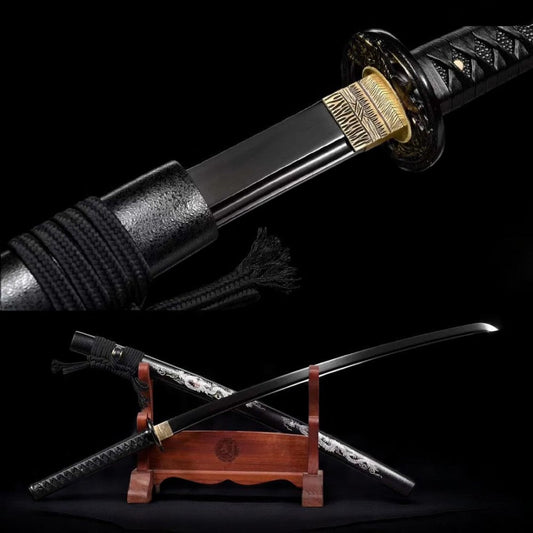
Black Blade Katana
This remarkable reproduction captures the dark essence of the muramasa legendary cursed blade through its distinctive black finish and traditional construction. Crafted from high-quality 1060 carbon steel, this blade embodies the aggressive aesthetic that made Muramasa swords so feared throughout feudal Japan.
• Hand-forged 1060 carbon steel construction for authentic durability • Traditional black oxide finish creating the signature dark appearance • Full tang construction ensuring structural integrity during display or practice • Hand-sharpened edge maintaining traditional cutting geometry • Genuine ray skin handle wrapping with cotton cord for authentic grip
⭐⭐⭐⭐⭐ "The weight and balance feel incredibly authentic. The black finish gives it such a menacing presence on my wall display. Shipping to Phoenix was faster than expected!" - Marcus Chen, Phoenix, AZ
The distinctive black coloring isn't merely aesthetic—it represents the traditional Japanese technique of controlled oxidation that both protects the steel and creates the ominous appearance associated with cursed blades. This process requires precise temperature control and timing, skills that modern smiths have adapted from ancient methods to create contemporary reproductions that honor the original techniques.
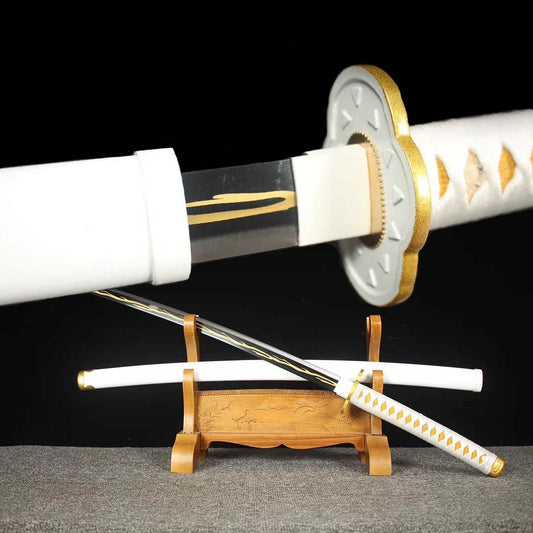
Shinobu Kocho Katana – Demon Slayer Edition
Drawing inspiration from both muramasa legendary cursed blade mythology and modern anime interpretations, this stunning katana represents the evolution of cursed blade legends into contemporary culture. The Shinobu Kocho design incorporates traditional dark blade techniques while adding artistic elements that reflect how these legendary weapons continue to inspire new generations.
• Premium 1060 carbon steel blade with traditional heat treatment • Butterfly-inspired guard design reflecting both beauty and danger • Hand-forged construction using time-honored Japanese techniques • Authentic cotton handle wrapping over genuine ray skin same • Display-ready finish suitable for collectors and martial arts practitioners
⭐⭐⭐⭐⭐ "Absolutely stunning craftsmanship. The detail work on the guard is incredible, and the blade has that authentic feel you can only get from proper forging. Great addition to my collection here in Denver." - Sarah Martinez, Denver, CO
This piece represents how Muramasa's legacy has influenced modern interpretations of cursed weapons in popular culture. The butterfly motif connects to traditional Japanese symbolism where these creatures represented souls of the departed—a fitting tribute to blades legendarily capable of severing spiritual as well as physical bonds.
The careful attention to metallurgical authenticity ensures that while this katana draws inspiration from anime, it maintains the structural and aesthetic qualities that made original Muramasa blades so remarkable. The 1060 carbon steel provides the proper flexibility and hardness ratio that characterized genuine Japanese weaponry, while modern safety standards ensure responsible ownership and display.
For collectors seeking the complete experience, this katana pairs excellently with items from our anime katana replicas collection, which features other legendary weapons that continue the tradition of supernatural blade mythology in contemporary entertainment.
⭐⭐⭐⭐⭐ "The shipping was incredibly fast to Seattle, and the packaging was perfect. This katana has become the centerpiece of my collection. The balance is exceptional for both display and careful handling." - Thomas Kim, Seattle, WA
Both of these exceptional reproductions demonstrate how modern craftsmanship can honor the legendary techniques of master swordsmiths like Muramasa while meeting contemporary quality and safety expectations. Each blade undergoes rigorous quality control to ensure that collectors receive weapons worthy of the Muramasa legacy—tools that capture the essence of cursed power while remaining safe for responsible ownership and display.
Collector's Guide to Cursed Blades
Understanding authentic Muramasa-inspired reproductions requires knowledge of both historical construction methods and modern quality indicators. Legitimate reproductions should demonstrate several key characteristics that separate them from mass-produced decorative pieces. First, examine the steel composition—authentic reproductions use high-carbon steel like 1060 or 1095, which provides the proper hardness and flexibility ratios found in original Japanese weapons.
The hamon (temper line) serves as perhaps the most important visual indicator of quality craftsmanship. Genuine muramasa legendary cursed blade reproductions feature hand-crafted hamon patterns created through differential hardening, where the edge receives different heat treatment than the spine. This traditional technique creates the distinctive wavy line along the blade that resembles supernatural flames—a hallmark of the cursed blade aesthetic.
Handle construction offers another critical evaluation point. Quality reproductions feature full tang construction, where the blade extends completely through the handle, secured with traditional bamboo pegs (mekugi). The handle wrapping should use genuine materials—ray skin (same) underneath cotton or silk cord (tsuka-ito)—applied with proper tensioning techniques that ensure both functionality and authenticity.
Display considerations become especially important with Muramasa-themed katanas due to their cultural significance. These weapons deserve presentation that honors their legendary status while ensuring safe storage. Quality stands should support the blade without creating stress points, and display cases should protect against environmental factors that could damage the steel finish. Consider investing in items from our katana accessories collection to properly showcase these remarkable weapons.
Authentication documentation provides additional value for serious collectors. Reputable manufacturers provide certificates detailing construction methods, steel composition, and craftsmanship specifications. These documents become increasingly important as collections grow and may require insurance documentation or resale verification. Understanding the provenance of your Muramasa reproduction helps maintain its value and ensures you're acquiring genuine quality rather than mass-produced imitations.
Steel Types & Traditional Quality
The metallurgical foundation of authentic Muramasa reproductions lies in understanding traditional Japanese steel compositions and their modern equivalents. Historical Muramasa blades utilized tamahagane steel, created through intensive smelting processes that produced steel with varying carbon content throughout the blade. Modern reproductions achieve similar characteristics using carefully selected carbon steel alloys that provide comparable performance and aesthetic qualities.
1060 carbon steel represents the most common choice for quality reproductions, containing 0.60% carbon content that provides excellent balance between hardness and flexibility. This composition allows for proper differential hardening, creating authentic hamon patterns while maintaining structural integrity during normal handling. The steel accepts traditional polishing techniques well, enabling the mirror-like finish associated with Japanese weaponry.
1095 carbon steel offers higher carbon content at 0.95%, creating harder edges capable of exceptional sharpness retention. However, this increased hardness requires more careful heat treatment to prevent brittleness, making it typically reserved for higher-end reproductions where master craftsmen can properly manage the complex metallurgy. When properly executed, 1095 steel creates blades that closely approximate the cutting performance of original Muramasa weapons.
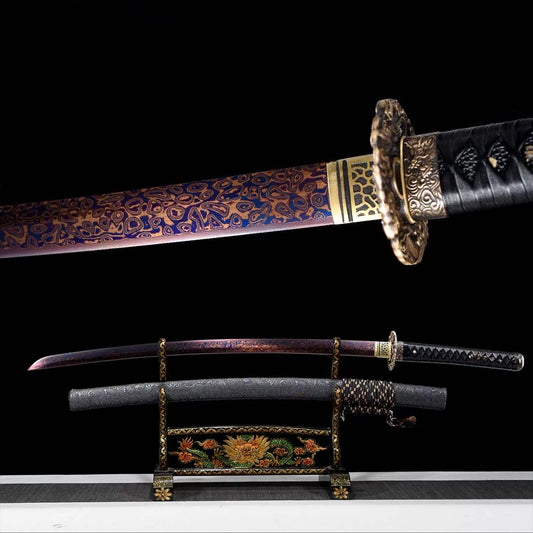
Damascus steel represents a modern innovation that combines multiple steel types through folding and welding techniques. While not historically accurate to Muramasa's period, Damascus construction creates visually striking grain patterns that appeal to contemporary collectors. These blades often incorporate both high-carbon and lower-carbon steels, creating complex patterns reminiscent of the folded construction used in authentic Japanese swordmaking.
Understanding these steel differences helps collectors make informed decisions about which reproductions best suit their interests and intended use. Those seeking historical accuracy might prefer 1060 carbon steel for its balance of authenticity and practicality, while collectors focused on display aesthetics might choose Damascus construction for its visual impact. Our detailed guides in the authentic Japanese katana collection provide additional information about steel selection and quality indicators.
Why Katana America for Legendary Reproductions
Every Katana America blade is made to order and hand-assembled in our partner workshops, then quality-checked before it ships. Count 3 to 4 weeks from your order to your door: 1 to 2 weeks of forging, then 1 to 2 weeks of tracked delivery. Prices are in US dollars, delivery is free on orders of $200 or more, and there are no customs fees to pay when your katana arrives. Collectors rate us 4.9/5 across 125+ verified reviews.
Payment in US dollars eliminates currency conversion concerns while streamlining the purchasing process for American collectors.
Our packaging techniques protect these valuable items during transit while maintaining the presentation quality appropriate for such legendary weapons. The combination of reliable service and expert handling gives collectors confidence that their investment receives proper care from purchase through delivery.
Our curation process focuses on selecting reproductions that honor Muramasa's legacy through authentic construction methods and quality materials. Rather than offering mass-produced decorative pieces, we emphasize weapons that demonstrate genuine craftsmanship and historical accuracy. This commitment ensures that collectors acquire pieces worthy of the Muramasa name—reproductions that capture both the aesthetic and spiritual impact of these legendary cursed blades.
Frequently Asked Questions
Q: Are Muramasa katana reproductions authentic to the original cursed blades?
While no modern reproduction can claim to be an actual muramasa legendary cursed blade (authentic pieces are museum artifacts worth millions), quality reproductions accurately capture the construction methods, aesthetic elements, and cultural significance of these legendary weapons. Our reproductions use traditional Japanese steelmaking techniques, authentic materials like ray skin and cotton cord, and proper heat treatment methods that create genuine hamon temper lines. The goal isn't to replicate supernatural properties, but to honor the exceptional craftsmanship and cultural impact that made Muramasa blades legendary. Modern safety standards and legal requirements mean contemporary reproductions are actually superior for collector ownership, combining historical accuracy with practical functionality and responsible construction methods.
Q: What steel types best represent traditional Muramasa quality?
Traditional Muramasa blades used tamahagane steel with varying carbon content, but modern 1060 carbon steel provides the closest equivalent in terms of performance characteristics and aesthetic potential. This 0.60% carbon content allows for proper differential hardening, creating authentic hamon patterns while maintaining the flexibility that prevented historical blades from shattering. Higher carbon options like 1095 steel offer increased hardness and sharpness retention but require more skilled heat treatment. For most collectors, 1060 carbon steel represents the optimal balance of authenticity, beauty, and practical ownership considerations. Our detailed information about traditional katana forging methods explains how these modern steels compare to historical compositions.
Q: What dimensions should I expect from an authentic Muramasa reproduction?
Traditional Muramasa katanas typically measured between 26-30 inches in blade length, with overall lengths ranging from 38-42 inches including the handle. The curvature (sori) was generally moderate, around 0.7-0.9 inches, creating the distinctive graceful arc associated with Japanese longswords. Weight usually falls between 2.2-2.8 pounds for the complete weapon, with proper balance points approximately 5-6 inches from the guard toward the tip. These proportions reflect the practical requirements of samurai combat while accommodating the intensive folding and tempering processes that created Muramasa's signature strength and sharpness. Modern reproductions maintain these traditional dimensions to preserve both historical accuracy and proper handling characteristics that made these weapons so effective.
Q: How should I maintain a Muramasa-inspired katana reproduction?
Proper maintenance requires regular cleaning with traditional methods that prevent corrosion while preserving the blade's finish. Use a soft cotton cloth (nunome) to remove fingerprints and moisture after any handling, always working from the spine toward the edge to avoid damage. Monthly applications of light mineral oil or traditional choji oil prevent rust formation, especially in humid environments. The blade should be stored in a dry location, preferably in a traditional scabbard (saya) that allows air circulation while protecting against impact damage. Avoid touching the steel directly with bare hands, as skin oils accelerate corrosion processes. For comprehensive care instructions, consult our guide on authentic katana maintenance which covers both traditional methods and modern best practices for carbon steel preservation.
Q: What display options work best for Muramasa katana reproductions?
These legendary weapons deserve presentation that honors their cultural significance while ensuring proper preservation. Traditional horizontal displays using quality wooden stands allow viewing of both the blade's hamon temper line and the overall aesthetic proportions. Wall-mounted displays should use secure brackets that support the weight without creating stress points on the tang or fittings. Display cases provide protection against dust and accidental contact while allowing full appreciation of the craftsmanship details. Lighting should be indirect to prevent heat buildup that could affect the steel's temper. Consider stands that allow easy removal for inspection or cleaning, as these weapons benefit from occasional handling to maintain their condition. Our katana accessories collection includes various display options designed specifically for authentic Japanese weapon reproductions.
Related Reads
For those fascinated by the supernatural elements of muramasa legendary cursed blade mythology, explore our comprehensive guide to Demon Slayer Katana Swords: Authentic Nichirin Blades for American Collectors, which examines how cursed weapon mythology continues to influence modern anime and manga. This connection between historical legends and contemporary storytelling demonstrates the enduring power of Muramasa's dark legacy.
Understanding the broader context of Japanese swordmaking traditions enhances appreciation for what made Muramasa blades so exceptional. Our detailed examination of Sword Japanese Katana: Complete Guide to Authentic Samurai Blades provides essential background about the cultural and technical innovations that enabled master smiths to create weapons of supernatural reputation.

Conclusion
The legend of the muramasa legendary cursed blade transcends mere historical curiosity—it represents humanity's eternal fascination with the intersection of craftsmanship and supernatural power. These weapons embody the darkest aspects of the samurai spirit, channeling the violence and passion of feudal Japan into steel that allegedly possessed its own malevolent consciousness.
Today's collectors can experience this legendary heritage through carefully crafted reproductions that honor both the technical excellence and cultural significance of Muramasa's work. While modern blades lack the supernatural properties of legend, they capture the aesthetic power and meticulous craftsmanship that made these weapons objects of fear and desire throughout Japanese history.
Whether drawn by historical interest, cultural appreciation, or the simple beauty of exceptional metalwork, owning a Muramasa-inspired katana connects you to one of history's most fascinating chapters. These reproductions serve as tangible links to an era when the line between craft and magic seemed perilously thin, and master smiths could forge steel that seemed to possess souls of its own.
Explore our carefully curated high-end katana collection to discover reproductions worthy of Muramasa's dark legacy. Each piece represents hours of skilled craftsmanship designed to honor the legendary blades that terrified a nation and inspired centuries of supernatural folklore.

See the craft for yourself. Browse our hand-forged katana swords, forged in the Japanese tradition. Free U.S. shipping over $200, rated 4.9/5.
 Save $60